unpeeled coniferous logs
CN → US| HS编码 | 关税税率 | 原产国 | 目的国 | 文档 |
|---|---|---|---|---|
| 4403210130 | 35.0% | CN | US | 官方文档 |
| 4403220120 | 35.0% | CN | US | 官方文档 |
| 4403230135 | 35.0% | CN | US | 官方文档 |
| 4403260165 | 35.0% | CN | US | 官方文档 |
| 4403260108 | 35.0% | CN | US | 官方文档 |
商品图片
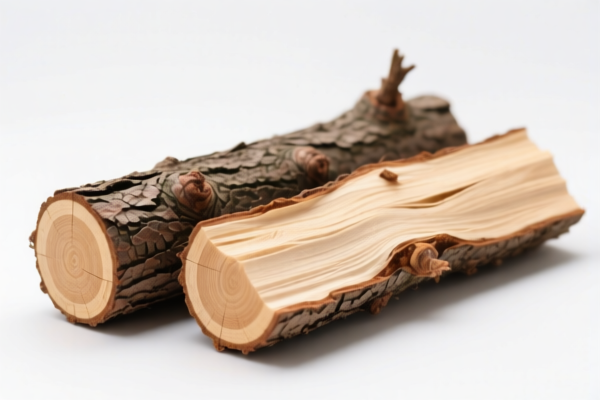
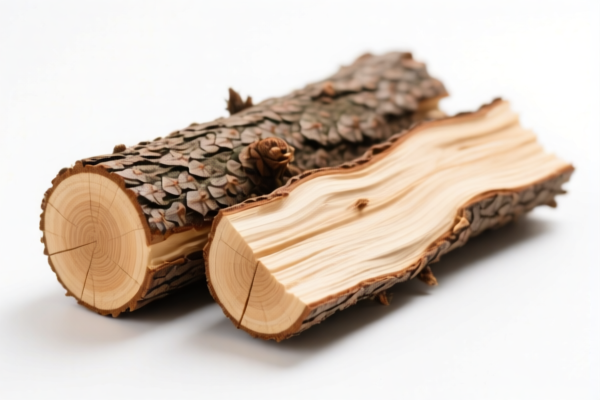
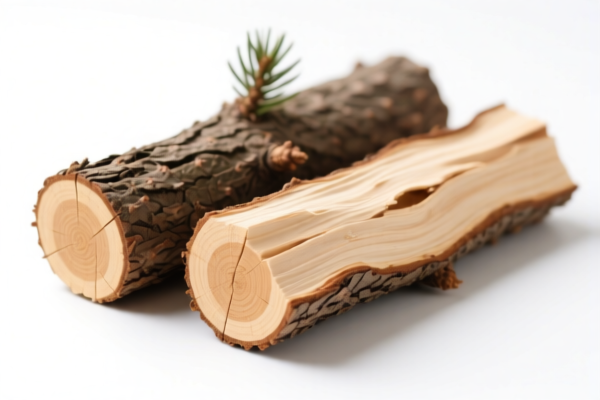
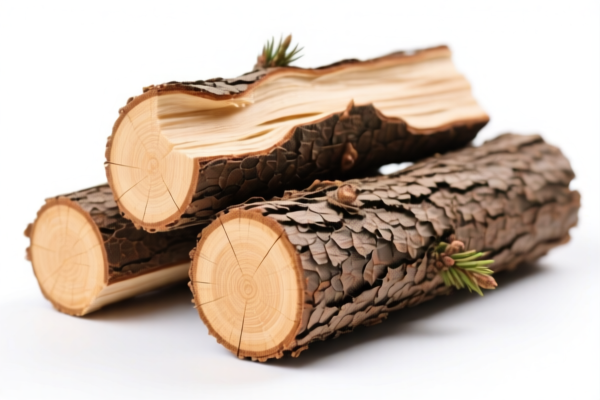
AI分析
🌲 Unpeeled Coniferous Logs (Raw Timber)
🌐 HS Code Classification & Customs Clearance Guide | 2024-2026 Tariff Analysis | Strategic Compliance Strategy
📌 I. Product Definition & Classification: Understanding "Raw Timber"
Unpeeled Coniferous Logs refer to trees of coniferous species (such as pine, spruce, fir, etc.) that have been felled, delimbed, or not, but remain in their natural state with bark intact (or mostly intact), and are intended for further processing (sawing, veneering, etc.). In international trade, these are classified under Chapter 44 of the Harmonized System.
⚠️ Critical Distinction:
- Bark Status: If the bark is completely removed, it may be classified under different subheadings (e.g., heat-treated or debarked logs). This guide focuses on Unpeeled logs.
- Dimensions: Logs with a diameter of ≥15 cm at the smaller end typically fall under specific log categories, distinguishing them from wood in the rough or chips.
- Species Specificity: The exact HS code depends on whether the species is specifically identified (e.g., Spruce, Pine, Larch) or falls under "Other."
📦 II. HS Code Classification Details (Based on Provided Data)
The following HS codes are directly derived from the provided data set for Unpeeled Coniferous Logs. All listed items share the same tariff structure due to their common origin and trade policies.
| HS Code | Product Description | Application Scenario | Key Characteristics |
|---|---|---|---|
4403.21.01.30 |
Unpeeled coniferous logs, specifically Pine | Standard Pine timber imports, ≥15cm diameter | Species: Pine, Form: Log, Unpeeled |
4403.22.01.20 |
Unpeeled coniferous logs, Spruce/Picea | Spruce timber imports, general category | Species: Spruce, Form: Log, Unpeeled |
4403.23.01.35 |
Unpeeled coniferous logs, Larch | Larch timber imports, specific细分 standard | Species: Larch, Form: Unpeeled Log, ≥15cm |
4403.26.01.65 |
Other unprocessed coniferous logs | General coniferous logs, no specific species conflict | Species: Other Conifers, Form: Unprocessed Log |
4403.26.01.08 |
Other unprocessed coniferous logs | General category, no material conflict | Species: Other Conifers, Form: Log, General |
🔍 Key Insight:
- All five HS codes belong to Chapter 44 (Wood and Articles of Wood), specifically Heading 4403 (Wood prepared for the veneer or plywood sheets; other wood, rough or roughly squared).
- The specific digits (.21,.22,.23,.26) differentiate by species (Pine, Spruce, Larch, Others).
- The final digits (.01.30, etc.) represent further national/customs subdivisions, often based on diameter or specific treatment status.
💰 III. 2024-2026 Tariff Rate Breakdown (Detailed Tax Clauses)
✅ Applicable Country: United States (US)
✅ Origin: China (CN) (Implied by "122 Section" and "Section 301" context in data)
✅ Effective Time: Current (2025-2026 Period)
All listed HS codes share the identical tariff structure as per the provided data:
🎯 1. 4403.21.01.30 / .22.01.20 / .23.01.35 / .26.01.65 / .26.01.08
(Unpeeled Coniferous Logs - All Species)
| Item | Content |
|---|---|
| Base Duty Rate | 0.0% (Ad Valorem) |
| Section 301 Additional Duty | +25.0% |
| Section 122 Duty | +10.0% |
| Total Duty Rate | 35.0% |
| Tax Calculation | CIF Value × 35% |
| De Minimis Exemption | ❌ Not Applicable (High value/commodity) |
| Legal Basis Path | USITC:4403.xx.xxxx → Section 301 Footnote → Section 122 Authority |
📌 Explanation of Tax Clauses:
- "Base Duty: 0.0%": Coniferous logs generally have a low or zero base MFN (Most Favored Nation) duty rate in the US, making them cheap to import before penalties.
- "Section 301 Additional Duty: 25.0%": This is the well-known tariff imposed on Chinese goods under the US Trade Act of 1974, Section 301, targeting strategic industries including timber.
- "Section 122 Duty: 10.0%": This refers to duties under Section 122 of the Trade Act of 1974, which allows the President to impose tariffs for up to 150 days to remedy balance of payments difficulties or serious trade imbalances.
- Total Burden: A 35% effective tariff significantly impacts profitability. Importers must account for this in their landed cost calculations.
🛠️ IV. Customs Clearance Practical Advice (Real-World Pitfall Guide)
✅ 1. Required Documentation Checklist (Non-Negotiable)
| Document | Mandatory | Notes |
|---|---|---|
| ✅ Phytosanitary Certificate | ✔️ | CRITICAL: Issued by the exporting country's plant protection agency. Must confirm freedom from pests/diseases. |
| ✅ Commercial Invoice | ✔️ | Must clearly state: "Unpeeled Coniferous Logs," HS Code, Species (e.g., Pine), Volume (CBM), and Value. |
| ✅ Bill of Lading (B/L) | ✔️ | Ensure shipment details match invoice exactly. |
| ✅ Fumigation Certificate | ✔️ | Often required in addition to Phytosanitary Cert. if not treated. |
| ✅ ISPM 15 Marking | ✔️ | If packaging (pallets/crates) is used, it must be heat-treated/fumigated and marked. |
| ✅ Species Declaration | ✔️ | Confirm species matches HS code (e.g., don't declare Pine if it's Spruce). |
✅ 2. Declaration Tips (Key Mnemonic)
🔥 “Real Species, Real Volume, Phytosanitary First, Don’t Under-Declare!”
| Scenario | Correct Declaration | Incorrect Practice |
|---|---|---|
| Mixed Species Logs | Declare each species separately with exact volumes | Combine into "General Wood" → Risk of rejection |
| Unpeeled vs. Debarked | Clearly state "Unpeeled" in description | Declare as "Debarked" if bark is present → Misclassification |
| Diameter ≥15cm | Specify "Logs" in description | Declare as "Wood in the Rough" → Different duty/inspection |
| Chinese Origin | Declare "Made in China" | Hide origin → Severe penalties, seizure |
✅ 3. Special Situation Handling
| Situation | Handling Advice |
|---|---|
| Pest Inspection Failure | Immediate quarantining. fumigation or destruction may be ordered. Costly delays. |
| Volume Discrepancy | Ensure declared CBM (Cubic Meters) matches actual cargo. Under-declaration leads to fines. |
| Species Mismatch | If declared as Pine but found to be Spruce, may still be eligible for similar HS code, but must correct declaration promptly to avoid fraud charges. |
| Section 122 Expiry | Monitor US Trade Representative (USTR) announcements. Section 122 duties may expire or change; adjust pricing strategy accordingly. |
🌍 V. Global Market Comparison (2024-2026)
| Country/Region | Recommended HS Code | Duty Rate (China Origin) | Certification Requirements | Notes |
|---|---|---|---|---|
| 🇺🇸 USA | 4403.21/22/23/26 |
35% (0% + 25% + 10%) | Phytosanitary, ISPM 15 | High barrier due to triple tax |
| 🇨🇳 China | 4403.21/22/23/26 |
Varies (0-15%) | Fumigation, Phytosanitary | Major importer; lower entry barrier |
| 🇪🇺 EU | 4403.21/22/23/26 |
0-10% | Timber Regulation (EUTR) | Strict legality verification required |
| 🇯🇵 Japan | 4403.21/22/23/26 |
Varies (0-15%) | Phytosanitary | High quality standards for logs |
| 🇬🇧 UK | 4403.21/22/23/26 |
0-10% | UK Timber Regulation | Post-Brexit, similar to EU standards |
📌 Conclusion:
- USA is the most expensive market for Chinese-origin coniferous logs due to the 35% combined tariff.
- EU and Japan focus heavily on legality and sustainability certification (e.g., FSC, PEFC).
- China remains a key export destination for North American and European logs, but faces its own phytosanitary controls.
📌 VI. Common Mistakes & Pitfall Guide (Lessons Learned)
❌ Mistake 1: Ignoring the Phytosanitary Certificate
👉 Consequence: Cargo held at port, fumigation ordered, or return. Days of delay, thousands in storage fees.
❌ Mistake 2: Misdeclaring Species (e.g., "Other" instead of "Pine")
👉 Consequence: Even if duty is the same, misdeclaration can lead to audits, penalties, or loss of import privileges.
❌ Mistake 3: Under-reporting Volume (CBM)
👉 Consequence: Customs inspection reveals discrepancy. Fines based on evaded duty. High risk.
❌ Mistake 4: Not marking Section 122 implications in pricing
👉 Consequence: Profit margin erased by unexpected 10% surcharge. Financial loss.
✅ Correct Practice:
“Unpeeled Pine Logs, Diameter 15-30cm, Origin: China, Volume: 100 CBM, Fumigated, Phytosanitary Cert. Attached”
🎯 VII. Conclusion: Professional Declaration, Risk Mitigation, Cost Control
🎯 Remember the Mnemonic:
🔹 “Logs need bark, bark needs cert, 35% tax hits, declare it right!”
🔹 “HS Code is key, tariff is triple, phytosanitary is life, avoid the strife!”
📌 Pro Tip:
If your logs originate from Non-China countries (e.g., Russia, Canada, Europe), the 35% tariff may not apply. Check the specific Country of Origin rules.
For Chinese-origin logs, consider Advance Ruling requests to US Customs and Border Protection (CBP) to confirm classification and duty liability before shipment.
📣 Immediate Action:
📞 Consult a licensed customs broker + Provide Phytosanitary Cert. + Verify Species & Volume
🚀 Ensure your logs clear customs smoothly, quickly, and profitably!
✨ Professional customs clearance starts with accurate classification!
💼 Every percentage point of duty matters!
用户评价
关于 HS 编码归类
协调制度(HS)是由世界海关组织(WCO)制定的国际贸易商品分类标准。全球 200 多个国家采用 HS 系统作为海关关税、贸易统计和进出口监管的基础。
每个 HS 编码遵循以下层级结构:
- 章(2 位)——商品大类(例如:第 84 章:机器和机械设备)
- 品目(4 位)——章内的更具体分类
- 子目(6 位)——国际通用细分,所有 WCO 成员国统一使用
- 本国细分(8-10 位)——各国自行扩展的细分编码,如美国 HTSUS 10 位编码
正确的 HS 编码归类对于顺利通关、准确缴纳关税和遵守贸易法规至关重要。错误归类可能导致海关延误、多缴关税或罚款。
从CN进口到US时,适用的关税税率可能包括:
- 最惠国(MFN)税率——适用于 WTO 成员国的标准关税税率
- 普通税率——适用于无贸易协定国家
- 贸易救济关税——附加关税,如 301 条款(反倾销)、232 条款(国家安全)或反补贴税
本页内容仅供参考。如需正式归类,请咨询当地海关或持牌报关代理。