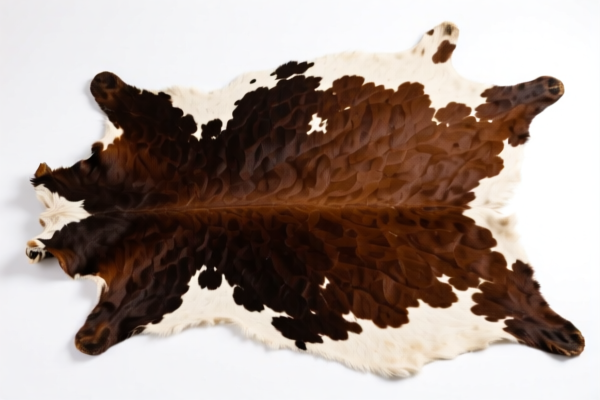
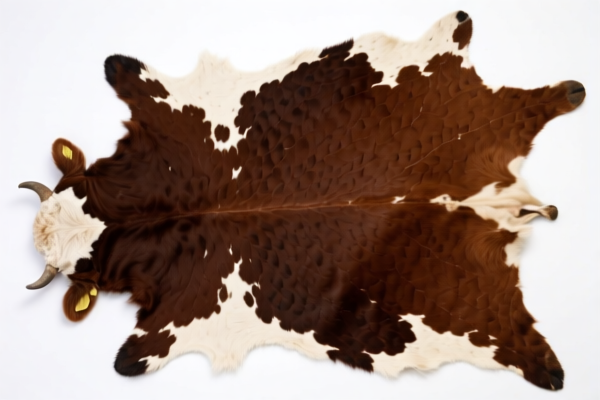
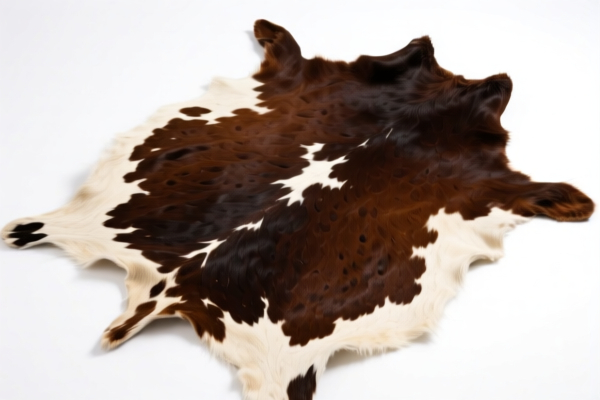
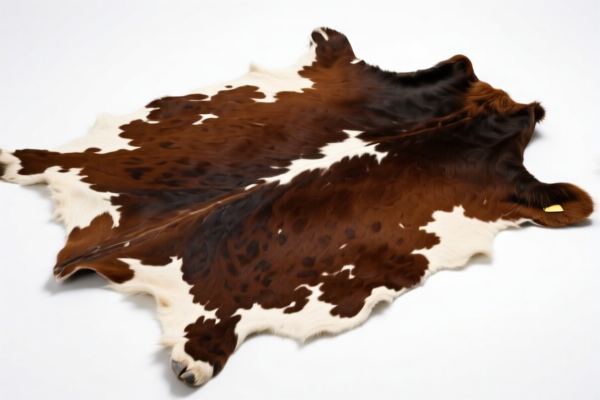
unprocessed cowhide leather
CN → US| HS编码 | 关税税率 | 原产国 | 目的国 | 文档 |
|---|---|---|---|---|
| 4101201010 | 17.5% | CN | US | 官方文档 |
| 4101501010 | 17.5% | CN | US | 官方文档 |
商品图片
AI分析
🐮 Unprocessed Cowhide Leather (Raw Bovine Hides)
🌐 HS Code Reference & Customs Clearance Guide | 2026 Latest Tariff Analysis | Professional Entry Strategy
📌 I. Product Definition & Classification: Do You Understand "Raw Cowhide"?
Unprocessed Cowhide Leather refers to raw hides and skins of bovine animals (including buffalo), whether fresh, salted, dried, limed, pickled, or otherwise preserved, but not tanned, parchment-dressed, or further prepared. These are the foundational materials for the global leather industry.
In international trade, classification depends critically on weight and preservation method:
1. Light/Standard Weight Hides (Small to Medium):
- Whole hides, unsplit.
- Weight limits: ≤ 8 kg (simply dried), ≤ 10 kg (dry-salted), or ≤ 16 kg (fresh, wet-salted, or preserved).
- Status: Not pretanned.
2. Heavy Weight Hides (Large):
- Whole hides, unsplit.
- Weight: Exceeds 16 kg.
- Status: Not pretanned. Specifically for Cattle.
⚠️ Key Distinction Point:
- If the hide weighs ≤ 16 kg (depending on preservation) → It falls under the small/medium category.
- If the hide weighs > 16 kg → It falls under the large category.
- Crucial: The hides must be unsplit (whole skins) and not pretanned. If they are split or tanned, they belong to completely different chapters (e.g., 4104 for tanned leather).
📦 II. HS Code Classification Details (2026 Latest Tariff Authority Comparison)
Based on the provided data, there are only two applicable HS Codes for "Unprocessed Cowhide Leather" as described in your input.
| HS Code | Product Description | Applicable Scenario | Weight Condition |
|---|---|---|---|
4101.20.10.10 |
Raw hides/skins of bovine animals, unsplit, not pretanned | Small/Medium hides | ≤ 8 kg (dried), ≤ 10 kg (dry-salted), or ≤ 16 kg (fresh/wet-salted/preserved) |
4101.50.10.10 |
Raw hides/skins of bovine animals, unsplit, not pretanned, specifically of Cattle | Large/Heavy hides | Exceeds 16 kg |
🔍 Important Reminder:
- Both codes apply to bovine animals (cattle/buffalo).
- Both are not pretanned. If the leather has undergone any tanning process, it is not these codes.
- Split hides (where the skin is divided into two layers) are excluded from these codes.
- The weight threshold is the primary differentiator between4101.20and4101.50.
💰 III. 2026 Latest Tariff Rate Details (Including Supplementary Taxes)
✅ Applicable Country: United States (US)
✅ Origin: China (CN) (Implied by the "Additional Duty" structure in the provided data)
✅ Effective Time: Current applicable rates per provided data
🎯 1. 4101.20.10.10 —— Small/Medium Unprocessed Cowhide (≤16kg)
| Item | Content |
|---|---|
| Base Tariff | 0.0% |
| Additional Duty (Section 301/Trade War) | 7.5% |
| Total Tariff Rate | 7.5% |
| Tax Calculation | CIF Value × 7.5% |
| Legal Basis | Derived from provided data: "Base: 0.0%, Additional: 7.5%, Total: 7.5%" |
📌 Explanation:
- The base MFN (Most Favored Nation) rate is 0%, meaning standard imports from most WTO members face no duty on raw hides.
- However, for products originating from China, an additional 7.5% tariff is applied due to ongoing trade measures.
- Total Cost Impact: 7.5% of the customs value. This is a moderate tax burden compared to manufactured goods.
🎯 2. 4101.50.10.10 —— Large Unprocessed Cowhide (>16kg)
| Item | Content |
|---|---|
| Base Tariff | 0.0% |
| Additional Duty (Section 301/Trade War) | 7.5% |
| Total Tariff Rate | 7.5% |
| Tax Calculation | CIF Value × 7.5% |
| Legal Basis | Derived from provided data: "Base: 0.0%, Additional: 7.5%, Total: 7.5%" |
📌 Explanation:
- Identical tax treatment to the smaller hides.
- Whether the hide is small or large, the combined duty rate remains 7.5% for Chinese-origin products.
- Note: Ensure accurate weight declaration. Misdeclaring a >16kg hide as ≤16kg (or vice versa) can lead to misclassification penalties.
🛠️ IV. Customs Clearance Practical Advice (Pitfall Avoidance Guide)
✅ 1. Essential Documentation Checklist
| Document | Required | Notes |
|---|---|---|
| Commercial Invoice | ✔️ | Must clearly state "Raw Cowhide," preservation method (salted/dried), and exact weight per skin. |
| Packing List | ✔️ | Must list total weight and number of hides. |
| Health/Veterinary Certificate | ✔️ | Mandatory for animal products. Proves hides are free from disease and properly treated. |
| Bill of Lading/Air Waybill | ✔️ | Standard shipping document. |
| Is Humane Treatment Certificate | ✔️ | Often required by US CBP or specific buyers to ensure no illegal slaughter practices. |
| Brand/Model Info | ❌ | Not applicable for raw agricultural goods. |
✅ 2. Declaration Tips (Key Mnemonics)
🔥 "Weight is King, Preservation Matters, Vet Cert is Key!"
| Scenario | Correct Declaration | Error to Avoid |
|---|---|---|
| Hides are wet-salted and weigh 15 kg | Use 4101.20.10.10 (≤16kg limit) |
Do not use 4101.50 (weight too low) |
| Hides are fresh and weigh 17 kg | Use 4101.50.10.10 (>16kg limit) |
Do not use 4101.20 (weight exceeded) |
| Hides are split | NOT these codes | Split hides go to 4102/4104. Misclassification causes severe fines. |
| Hides are tanned | NOT these codes | Tanned leather goes to Chapter 4104. |
✅ 3. Special Situation Handling
| Situation | Handling Advice |
|---|---|
| Mixed Lots (Small & Large Hides) | Declare separately. Do not average the weight. Each skin must meet its own weight criterion. |
| Preservation Method Unclear | Provide lab test results or supplier declaration. Wet-salted hides count toward the 16kg limit; dry-salted count toward 10kg. |
| Damage or Spoilage | Report immediately. Unprocessed hides are perishable. Customs may require re-export or destruction. |
| Country of Origin | If from non-China sources (e.g., Brazil, India), the 7.5% additional duty may not apply (depending on specific trade agreements). Check for FTAs. |
🌍 V. Global Market Comparison (2026 Latest)
| Country/Region | Recommended HS Code | Tariff (China Origin) | Certification | Notes |
|---|---|---|---|---|
| 🇺🇸 USA | 4101.20.10.10 / 4101.50.10.10 |
7.5% | Vet Cert, Humane Treatment | Base 0% + 7.5% Additional |
| 🇨🇳 China | 4101.20.10.10 / 4101.50.10.10 |
0% | - | Import duty is generally 0% for raw hides |
| 🇪🇺 EU | 4101 20 00 / 4101 50 00 |
0% | REACH, Vet Cert | No duty on raw hides, strict sanitary rules |
| 🇯🇵 Japan | 4101.20.000 / 4101.50.000 |
0%~1.5% | Animal Quarantine | Low tariffs, high inspection standards |
📌 Conclusion:
- The 7.5% additional tariff is a specific burden for Chinese-origin hides entering the US.
- Base rates are 0% globally for raw hides, making them a relatively low-tariff commodity if origin issues are resolved.
- Sanitary & Phytosanitary (SPS) measures are more critical than tariffs. Ensure veterinary certificates are flawless.
📌 VI. Common Errors & Pitfall Guide (Lessons Learned)
❌ Error 1: Declaring tanned leather as "raw hides"
👉 Consequence: Severe penalty for misdeclaration. Tanned leather has different HS codes (e.g., 4104) and potentially different duties.
❌ Error 2: Ignoring the 16kg weight limit for preservation type
👉 Consequence: If wet-salted hides weigh 17kg but are declared under 4101.20 (limit 16kg), customs will reclassify to 4101.50. If documents don't match, it triggers an audit.
❌ Error 3: Missing Veterinary Certificate
👉 Consequence: Seizure or Return. Animal products without health certification are blocked at the border.
❌ Error 4: Using "Split Hides" in description
👉 Consequence: Rejection. These codes are for unsplit, whole hides. Split hides are processed further.
✅ Correct Practice:
"Raw Bovine Hides, Wet-Salted, Unsplit, Origin: China, Avg. Weight: 12kg, Vet Cert No: XXX"
🎯 VII. Conclusion: Precise Classification Saves Money!
🎯 Remember the Mnemonic:
🔹 "Under 16kg (wet/fresh) → 4101.20; Over 16kg → 4101.50"
🔹 "Base is 0%, but China pays 7.5% Extra!"
🔹 "Vet Cert is Mandatory, Split Hides Go Elsewhere!"
📌 Tips:
- If your hides originate from Brazil, Argentina, or India, verify if the 7.5% additional duty applies. Many countries enjoy 0% total duty for raw hides under normal MFN rates.
- Always weigh each skin or provide an accurate average with a guarantee of weight distribution.
- Pre-clearance: Submit veterinary documents and invoices to your customs broker before shipment arrival to avoid delays.
📣 Immediate Action:
📞 Engage a licensed customs broker.
📄 Ensure Veterinary Health Certificates are in order.
⚖️ Verify weight distribution matches the HS Code criteria.
✨ Professional Customs Clearance Starts with Accurate Classification!
💼 Your Cost Efficiency Depends on Getting the HS Code Right!
用户评价
关于 HS 编码归类
协调制度(HS)是由世界海关组织(WCO)制定的国际贸易商品分类标准。全球 200 多个国家采用 HS 系统作为海关关税、贸易统计和进出口监管的基础。
每个 HS 编码遵循以下层级结构:
- 章(2 位)——商品大类(例如:第 84 章:机器和机械设备)
- 品目(4 位)——章内的更具体分类
- 子目(6 位)——国际通用细分,所有 WCO 成员国统一使用
- 本国细分(8-10 位)——各国自行扩展的细分编码,如美国 HTSUS 10 位编码
正确的 HS 编码归类对于顺利通关、准确缴纳关税和遵守贸易法规至关重要。错误归类可能导致海关延误、多缴关税或罚款。
从CN进口到US时,适用的关税税率可能包括:
- 最惠国(MFN)税率——适用于 WTO 成员国的标准关税税率
- 普通税率——适用于无贸易协定国家
- 贸易救济关税——附加关税,如 301 条款(反倾销)、232 条款(国家安全)或反补贴税
本页内容仅供参考。如需正式归类,请咨询当地海关或持牌报关代理。