v belts industrial grade
CN → US| HS编码 | 关税税率 | 原产国 | 目的国 | 文档 |
|---|---|---|---|---|
| 4010313000 | 38.4% | CN | US | 官方文档 |
| 4010323000 | 38.4% | CN | US | 官方文档 |
| 5910001010 | 39.0% | CN | US | 官方文档 |
| 4010316000 | 37.8% | CN | US | 官方文档 |
| 4010313000 | 38.4% | CN | US | 官方文档 |
商品图片
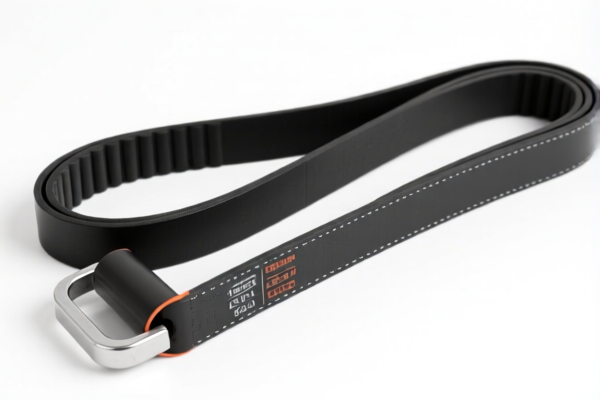
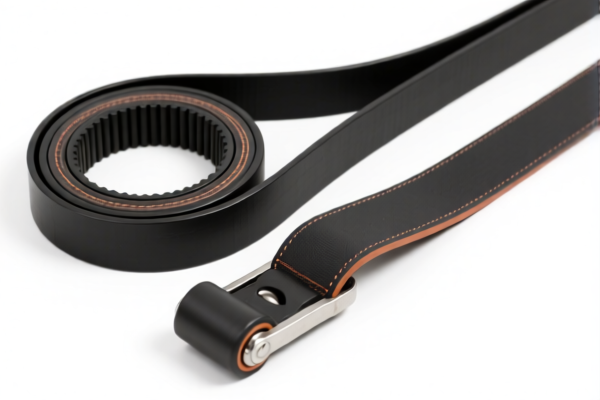
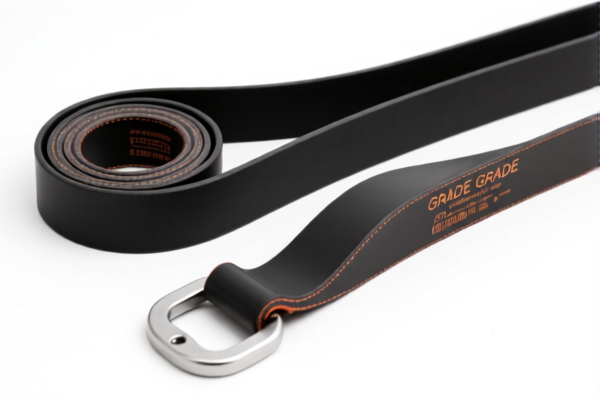
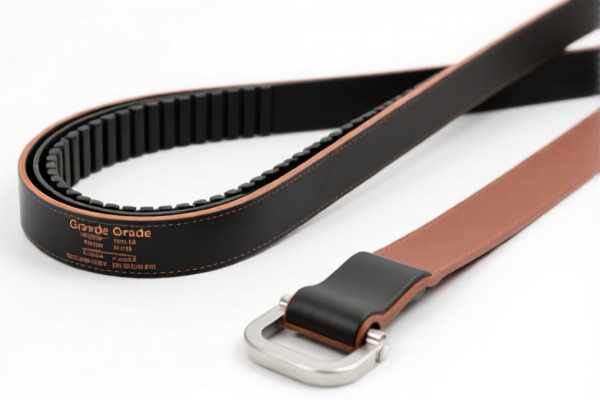
AI分析
🔗 Industrial V-Belts (Industrial Grade)
🌐 HS Code Reference & Customs Clearance Guide | 2026 Latest Tariff Analysis | Professional-Level Entry Strategy 📌 I. Product Definition & Classification: Do You Really Know "Industrial V-Belts"?
Industrial V-Belts are critical power transmission components used in heavy machinery, HVAC systems, automotive engines, and industrial manufacturing equipment. In international trade, they are not a single monolithic category. Their classification depends heavily on their material composition and structural design:
Fiber-Reinforced Composite V-Belts: Made with textile fabrics (cord) embedded in rubber, offering high strength and flexibility. These are typically classified under Chapter 40 (Rubber). Pure Rubber/Mechanical V-Belts: Solid rubber construction or specific mechanical profiles. Also classified under Chapter 40. Fabric-Covered/Reinforced Belts: Belts where the primary reinforcement is artificial/synthetic fiber, potentially falling under Chapter 59 (Impregnated Fabrics).
⚠️ Key Distinction Point: - If the belt is primarily rubber with textile reinforcement for power transmission →归入 Chapter 40 (4010). - If the belt is primarily textile/fabric with rubber coating for specific V-shape transmission →归入 Chapter 59 (5910).
📦 II. HS Code Classification Details (2026 Latest Tariff Authority Cross-Reference)
| HS Code | Product Description | Applicable Scenario | Material/Structure |
|---|---|---|---|
4010.31.30.00 |
Industrial Fiber-Composite V-Belt, matching trapezoidal cross-section & textile-reinforced characteristics | Heavy-duty industrial machinery, high-torque applications | ✅ Rubber base + Textile Cord |
4010.32.30.00 |
Industrial Fiber-Composite V-Belt, matching trapezoidal cross-section, endless transmission & textile-reinforced characteristics | Endless (joined) belts for continuous transmission lines | ✅ Rubber base + Textile Cord (Endless) |
5910.00.10.10 |
Industrial Fiber-Composite V-Belt, matching V-shape form & artificial/synthetic fiber material | Belts where fabric/fiber is the primary structural element, rubber-coated | ✅ Synthetic Fiber Base + Rubber Coating |
4010.31.60.00 |
Mechanical V-Belt, matching trapezoidal cross-section, inferred as rubber material | Standard mechanical drive belts, general-purpose industrial use | ✅ Pure Rubber / Simple Composite |
4010.31.30.00 |
Mechanical V-Belt, matching trapezoidal cross-section & transmission purpose, inferred as vulcanized rubber | General vulcanized rubber V-belts | ✅ Vulcanized Rubber |
🔍 Key Reminder: - Chapter 40 (Rubber) is the most common for standard V-belts. Look for "4010" in the HS Code. - Chapter 59 (Textiles) applies if the belt is essentially a fabric strip impregnated with rubber. This is less common for high-performance industrial V-belts but possible for specific lightweight or specialized applications. - Truncated V-Belts (Narrow V-Belts) are generally grouped under
4010.31or4010.32depending on the manufacturing method (joined vs. endless).
💰 III. 2026 Latest Tariff Rate Breakdown (Including Surtaxes, Policy Add-ons)
✅ Applicable Country: United States (US) ✅ Country of Origin: China (CN) ✅ Effective Time: 2025/2026 (Post-Trade War Surtaxes Applied)
🎯 1. 4010.31.30.00 & 4010.32.30.00 & 4010.31.60.00 —— Rubber-Based V-Belts
| Item | Content |
|---|---|
| Base Tariff (MFN) | 3.4% (for 4010.31.30/32) / 2.8% (for 4010.31.60) |
| Section 301 Surtax | +25.0% (Additional tariff under USITC Footnote 9903.88.01 for rubber products) |
| Section 122 Surtax | +10.0% (Specific Chinese-origin surtax) |
| Total Tariff Rate | 38.4% (for 4010.31.30/32) 37.8% (for 4010.31.60) |
| Tax Calculation | CIF Value × Total Rate |
| De Minimis Exemption | ❌ NOT Applicable (Denied under Section 301/122) |
| Legal Basis Path | USITC:4010.31.30.00 → FOOTNOTE:9903.88.01 (301 Tariff) + IEEPA:9903.01.25 (Section 122) |
📌 Explanation: - "Base Tariff 3.4%/2.8%": The standard Most Favored Nation (MFN) rate for rubber transmission belts. - "Section 301 Tariff 25%": A major punitive tariff added in 2018-2019, still in effect for many rubber products. - "Section 122 Tariff 10%": A specific additional duty targeting Chinese imports of certain manufactured goods, including rubber belts. - Total Effective Rate: ~38%. This is a high-cost item for US importers from China.
🎯 2. 5910.00.10.10 —— Fabric-Based V-Belts
| Item | Content |
|---|---|
| Base Tariff (MFN) | 4.0% |
| Section 301 Surtax | +25.0% |
| Section 122 Surtax | +10.0% |
| Total Tariff Rate | 39.0% |
| Tax Calculation | CIF Value × 39.0% |
| De Minimis Exemption | ❌ NOT Applicable |
| Legal Basis Path | USITC:5910.00.10.10 → FOOTNOTE:9903.88.01 + IEEPA:9903.01.25 |
📌 Note: - Even though it’s textile-based, if it’s imported from China, it faces the same heavy surtaxes. - The slight difference in base rate (4.0% vs 3.4%) results in a marginally higher total tax.
🛠️ IV. Customs Clearance Practical Advice (Battle-Tested Pitfall Avoidance Guide)
✅ 1. Document Checklist (Missing Items = Delay)
| Document | Mandatory? | Description |
|---|---|---|
| ✅ Product Specification Sheet | ✔️ | Must detail: Cross-section type (A, B, C, SPZ, SPA, etc.), material composition (Rubber % vs. Cord %), length, width. |
| ✅ Material Composition Statement | ✔️ | Explicitly state: "Vulcanized Rubber with Polyester Cord Reinforcement" or "Polyester Fabric Impregnated with Rubber". Crucial for 4010 vs 5910 distinction. |
| ✅ Product Photos (Labeled) | ✔️ | Clear view of the belt surface, cross-section, and any markings (e.g., "B35", "XPB"). |
| ✅ Commercial Invoice | ✔️ | Must explicitly state "Industrial V-Belt" or "Transmission Belt". Avoid vague terms like "Rubber Part". |
| ✅ Bill of Lading (B/L) | ✔️ | Ensure HS Codes match the invoice exactly. |
| ✅ Certified Free Sale Certificate (Optional) | ✔️ | May help if origin issues arise, but unlikely to override Section 301. |
✅ 2. Declaration Tips (Key Mantras)
🔥 "Material is King, Profile is Queen, Don't Split, Don't Lie!"
| Scenario | Correct Declaration | Wrong Practice |
|---|---|---|
| Standard Rubber V-Belt | 4010.31.30.00 - "Industrial V-Belt, Vulcanized Rubber" |
Declaring as "Rubber Hose" or "Seal" → Risk of penalty |
| Endless V-Belt | 4010.32.30.00 - "Endless Industrial V-Belt" |
Mixing joined and endless types in one line item without distinction |
| Fabric-Rubber Composite | 5910.00.10.10 - "Impregnated Fabric Belt" |
Declaring as pure rubber if fabric is dominant → Misclassification |
| Small Parts (Keys, Brackets) | Separate HS Codes | Packing belt + mounting hardware together without separate valuation |
✅ 3. Special Circumstances Handling
| Situation | Handling Advice |
|---|---|
| OEM Branded Belts | Provide customer authorization letter. Ensure brand name on belt matches invoice. |
| Mixed Container (V-Belts + Other Rubber Goods) | Declare separately. Do not combine under a single vague HS code. |
| Samples vs. Commercial | Both are subject to the same tariffs. "Sample" labels do not exempt Section 301/122 taxes. |
| Return/Replacement | If goods are defective and returned, you may apply for duty drawback. Document the original rejection clearly. |
🌍 V. Global Market Comparison (2026 Latest)
| Country/Region | Recommended HS Code | Estimated Total Duty (CN Origin) | Key Certification | Notes |
|---|---|---|---|---|
| 🇺🇸 USA | 4010.31.30.00 / 5910.00.10.10 |
37.8% - 39.0% | None specific, but DOT compliance may apply | Highest Barrier due to 301/122 tariffs |
| 🇨🇳 China | 4010.31.30.00 |
8% - 10% | CCC (if for auto parts) | Lower duty, but check environmental rules |
| 🇪🇺 EU | 4010.31.00 / 5910.00.00 |
0% - 6.5% | REACH (Chemical safety) | No punitive tariffs. Much cheaper entry than US. |
| 🇲🇽 Mexico | 4010.31.00 |
0% (Under USMCA if originating) | NOM Standards | Zero Duty if manufactured in Mexico/US/Canada. |
| 🇻🇳 Vietnam | 4010.31.00 |
0% - 5% (Check Free Trade Agreements) | TCVN Standards | Beneficial: Many rubber goods from Vietnam face lower tariffs than China. |
📌 Conclusion: - USA is the most expensive market for Chinese-made V-belts due to cumulative surtaxes (~38%). - EU and Mexico are far more competitive. - Supply Chain Shift: Many importers are sourcing from Vietnam, Thailand, or Mexico to avoid US tariffs.
📌 VI. Common Errors & Pitfall Guide (Lessons Learned from Tears)
❌ Error 1: Declaring "V-Belts" as "Rubber Tires" or "Seals" 👉 Consequence: HS Code mismatch → Seizure of goods, fines, and detention fees.
❌ Error 2: Ignoring the "Section 122" 10% surtax 👉 Consequence: Underpayment of duties → Back-taxes + Interest upon audit.
❌ Error 3: Confusing "Endless" (Seamless) vs. "Joined" (Vulcanized Joint)
👉 Consequence: Incorrect sub-heading (4010.32 vs 4010.31). While the tax rate might be similar, it triggers customs scrutiny for misdeclaration.
❌ Error 4: Packing Belts with Unrelated Rubber Parts 👉 Consequence: If the whole pallet is inspected, and one item is misdeclared, the entire shipment may be delayed.
✅ Correct Practice:
"Industrial Vulcanized Rubber V-Belt, Reinforced with Polyester Cord, Cross-Section Type B, Length 1500mm, Model: XYZ-1500B, For Industrial Conveyor Application"
🎯 VII. Conclusion: Precision in Classification Saves Thousands!
🎯 Remember the Mantras:
🔹 "Rubber Base = 4010, Fabric Base = 5910"
🔹 "US Import? Prepare for ~38% Tax. No Escape!"
🔹 "Check Origin: China = High Tax, Vietnam/Mexico = Low Tax"
📌 Pro Tip:
If you are importing into the US, consider shifting sourcing to Vietnam or Mexico (where applicable) to utilize USMCA benefits or avoid Section 301/122 tariffs. This can save you ~30% in landed cost. Always apply for an Advance Ruling from US Customs (CBP) if your product has unique features (e.g., specialized coating, mixed materials) to get a binding classification.
📣 Take Action Now:
📞 Consult a licensed Customs Broker + Provide Detailed Material Specs + Verify Origin Rules 🚀 Optimize Your Supply Chain, Clear Customs Smoothly, Protect Your Margins!
✨ Professional Clearance Starts with Precise Classification! 💼 Every Percentage Point of Duty Impacts Your Bottom Line!
用户评价
关于 HS 编码归类
协调制度(HS)是由世界海关组织(WCO)制定的国际贸易商品分类标准。全球 200 多个国家采用 HS 系统作为海关关税、贸易统计和进出口监管的基础。
每个 HS 编码遵循以下层级结构:
- 章(2 位)——商品大类(例如:第 84 章:机器和机械设备)
- 品目(4 位)——章内的更具体分类
- 子目(6 位)——国际通用细分,所有 WCO 成员国统一使用
- 本国细分(8-10 位)——各国自行扩展的细分编码,如美国 HTSUS 10 位编码
正确的 HS 编码归类对于顺利通关、准确缴纳关税和遵守贸易法规至关重要。错误归类可能导致海关延误、多缴关税或罚款。
从CN进口到US时,适用的关税税率可能包括:
- 最惠国(MFN)税率——适用于 WTO 成员国的标准关税税率
- 普通税率——适用于无贸易协定国家
- 贸易救济关税——附加关税,如 301 条款(反倾销)、232 条款(国家安全)或反补贴税
本页内容仅供参考。如需正式归类,请咨询当地海关或持牌报关代理。