vanilla extract
CN → US| HS编码 | 关税税率 | 原产国 | 目的国 | 文档 |
|---|---|---|---|---|
| 3302102000 | 17.5% | CN | US | 官方文档 |
| 3302104000 | 0.0% | CN | US | 官方文档 |
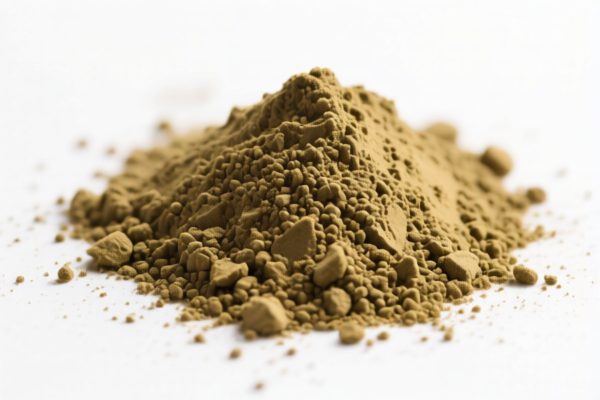
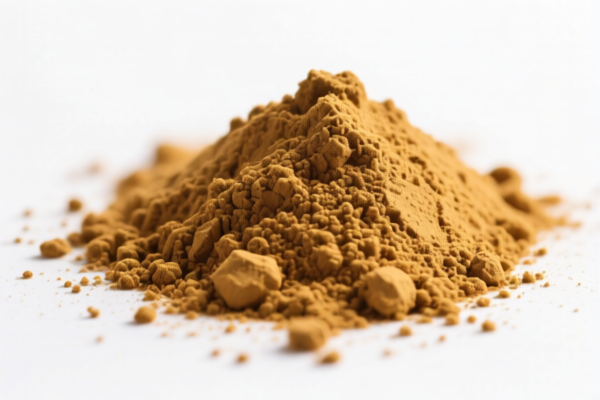
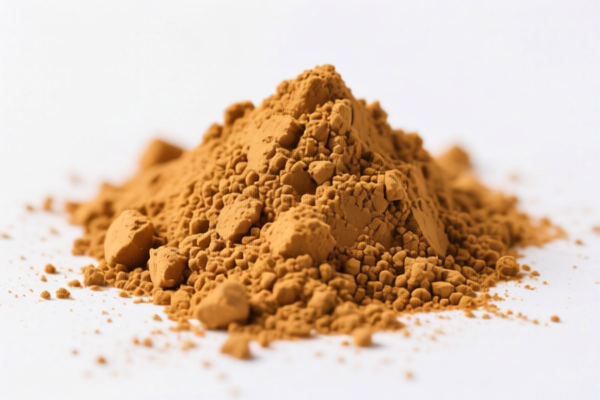
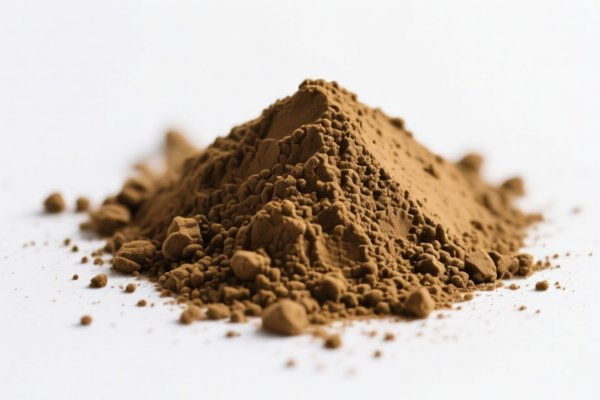
商品图片
AI分析
🍦 Vanilla Extract (Odoriferous Preparations for Food/Drink Industries)
🌐 HS Code Reference & Customs Clearance Guide | 2024 Latest Tariff Full Analysis | Professional Clearance Strategy
📌 I. Product Definition & Classification: Do You Really Understand "Vanilla Extract"?
Vanilla Extract is a liquid preparation obtained by extracting vanilla bean solids with ethanol. In international trade, it is strictly classified under Chapter 33 (Essential Oils and Resinoids; Perfumery, Cosmetic or Toilet Preparations), specifically as odoriferous preparations used in the food or drink industries.
The critical distinction for classification lies in the Alcohol Content by Weight:
Low-Extract Vanilla (≤ 20% Alcohol):
Used primarily as a flavoring agent where the alcohol serves as a solvent/carrier but is not the primary functional ingredient in high volumes. Often used in baked goods or low-alcohol confections.
High-Extract Vanilla (> 20% Alcohol):
Used in preparations that may require dilution with water or ethyl alcohol to become beverage-ready, or used in mixtures with higher alcohol bases. This includes "preparations requiring only the addition of ethyl alcohol or water to produce a beverage suitable for human consumption."
⚠️ Key Distinction Point:
- If the product is a standard vanilla extract intended for direct food use (like baking) and contains ≤ 20% alcohol →归类 3302.10.20.00
- If the product is a concentrated flavoring mix or beverage base containing > 20% alcohol →归类 3302.10.40.00
📦 II. HS Code Classification Details (2024/2025 Latest Tariff Authoritative Comparison)
| HS Code | Product Description | Applicable Scenario | Alcohol Content (By Weight) |
|---|---|---|---|
3302.10.20.00 |
Odoriferous mixtures for food/drink industries; Containing alcohol; Not over 20% | Standard culinary vanilla extract, baking flavorings, non-alcoholic dessert preparations | ✅ ≤ 20% |
3302.10.40.00 |
Odoriferous mixtures for food/drink industries; Containing alcohol; Over 20% but ≤ 50%; Preparations requiring addition of ethyl alcohol/water to produce beverage | Vanilla syrup concentrates, cocktail flavor bases, beverage-ready mixes | ✅ > 20% |
🔍 Important Reminder:
- Do not misclassify as "Essential Oils" (3301): Vanilla extract is a preparation for the food industry, not a pure essential oil obtained by steam distillation.
- Do not misclassify as "Beverages" (Chapter 22): Even if it is a "beverage base," if it is a preparation (requiring further mixing) used for manufacture, it falls under Chapter 33.
- Alcohol Threshold is Critical: The 20% mark is the boundary. Exactly 20% falls into 3302.10.20.00. 20.01% falls into 3302.10.40.00.
💰 III. 2024/2025 Latest Tariff Rate Detailed Explanation (Including Additional Taxes)
✅ Applicable Country: China (CN) Import/Export Context (Based on Data Provided)
✅ Origin: Varies (Depends on source)
✅ Validity: Current Tariff Schedule
🎯 1. 3302.10.20.00 —— Vanilla Extract (≤ 20% Alcohol)
| Item | Content |
|---|---|
| Base Tariff Rate | 0.0% |
| Additional/Surtax Tariff | 7.5% |
| Total Tax Rate | 7.5% |
| Tax Calculation | CIF Value × 7.5% |
| Legal Basis | Chapter 33, Heading 3302, Subheading 10, further subdivision for alcohol ≤ 20% |
📌 Explanation:
- This code applies to standard vanilla extracts used in the food industry (e.g., ice cream, cakes, chocolates) where the alcohol content is relatively low.
- The 7.5% surtax is applied in addition to the base rate. While the base is 0%, the final effective duty is 7.5%.
- Compliance Tip: Ensure your Certificate of Analysis (COA) clearly states the alcohol percentage is 20% or less. If it is 20.1%, this code is invalid.
🎯 2. 3302.10.40.00 —— Vanilla Flavoring Mixtures (> 20% Alcohol)
| Item | Content |
|---|---|
| Base Tariff Rate | 0.0% |
| Additional/Surtax Tariff | 0.0% |
| Total Tax Rate | 0.0% |
| Tax Calculation | $0 (Duty-Free) |
| Legal Basis | Chapter 33, Heading 3302, Subheading 10, further subdivision for alcohol > 20% and ≤ 50% |
📌 Explanation:
- This code applies to concentrated vanilla preparations or beverage bases with higher alcohol content (> 20% but ≤ 50%).
- These items are often used as raw materials in industry for manufacturing beverages (e.g., mixing with water/alcohol later).
- Key Advantage: Duty-Free (0%). This is a significant cost-saving opportunity if your product fits this description.
🛠️ IV. Customs Clearance Practical Advice (Real-World Pitfall Guide)
✅ 1. Required Documentation Checklist (Non-Negotiable)
| Document | Mandatory? | Description |
|---|---|---|
| ✅ Certificate of Analysis (COA) | ✔️ | Critical. Must explicitly state Ethanol % by Weight. Without this, customs cannot determine if it's ≤ 20% or > 20%. |
| ✅ Ingredient List | ✔️ | Must list "Vanilla Extract," "Ethanol," "Water." No hidden additives. |
| ✅ Product Label | ✔️ | Clear indication of "For Industrial Food Use" or "Flavoring Preparation." |
| ✅ Commercial Invoice | ✔️ | Must specify "Vanilla Extract for Food Industry," not just "Liquids" or "Extracts." |
| ✅ MSDS (Material Safety Data Sheet) | ✔️ | Required for any alcohol-containing chemical product. |
| ✅ Certificate of Origin | ✔️ | To verify country of origin for potential FTAs (if applicable). |
✅ 2. Declaration Strategy (Key Mnemonic)
🔥 “Alcohol % Decides, Food Industry Clarifies, Base Rate is Zero, Surtax Adds Seven!”
| Scenario | Correct Declaration | Incorrect Practice |
|---|---|---|
| Standard Vanilla Extract (15-20% Alcohol) | HS 3302.10.20.00 Rate: 7.5% |
Declare as 3302.10.40.00 → Penalty for Misclassification |
| High-Alcohol Vanilla Base (25-40% Alcohol) | HS 3302.10.40.00 Rate: 0.0% |
Declare as 3302.10.20.00 → Underpayment of Tax |
| Pure Vanilla Oleoresin (No Alcohol) | Check 3302.10.90 or 3301 | Do not force into alcohol subheadings |
| Ready-to-Drink Vanilla Beverage | Chapter 22 (Beverages) | Do not declare as flavoring preparation |
✅ 3. Special Situations Handling
| Situation | Handling Advice |
|---|---|
| Borderline Alcohol Content (19.9% vs 20.1%) | Ensure laboratory testing is precise. 0.1% difference changes tax from 7.5% to 0%. |
| "Natural" vs "Artificial" Flavor | Classification is based on use (food industry) and alcohol content, not origin (natural/synthetic). Both fall under 3302 if for food industry. |
| Packaging | If packed in retail containers for direct consumer sale, ensure it still meets "industrial raw material" definition. If it's a "beverage," it might be Chapter 22. |
| Alcohol > 50% | Not covered in the provided data. Likely falls under 3302.10.90 or 2207 (Alcohol). Consult advanced rulings. |
🌍 V. Global Market Clearance Comparison (2024 Latest)
| Country/Region | Recommended HS Code | Tariff (China Origin) | Certification | Remarks |
|---|---|---|---|---|
| 🇨🇳 China | 3302.10.20.00 |
7.5% (Total) | CIQ (Inspection & Quarantine) | High tax for ≤20% alcohol |
| 🇨🇳 China | 3302.10.40.00 |
0.0% | CIQ | Duty-free for >20% alcohol |
| 🇺🇸 USA | 3302.10.00 |
Varies (Check HTS) | FDA Registration | Vanilla extract often faces FDA scrutiny |
| 🇪🇺 EU | 3302 10 31 |
0% - 4.5% | EFSA Compliance | Strict on vanillin vs. natural extract |
| 🇬🇧 UK | 3302 10 31 |
0% - 5% | FSA Guidelines | Post-Brexit rules apply |
📌 Conclusion:
- China Importers: Pay attention to the alcohol threshold. If you can formulate your vanilla mixture to be > 20% alcohol (while remaining a food preparation), you save 7.5% in duties.
- Global: Always comply with FDA (US) or EFSA (EU) standards for flavorings, regardless of HS code.
📌 VI. Common Errors & Pitfall Guide (Lessons Learned)
❌ Error 1: Declaring all vanilla extracts as 3302.10.20.00 without checking alcohol content.
👉 Consequence: If alcohol is > 20%, you underpay tax → Fines + Back Taxes.
❌ Error 2: Declaring as 3302.10.40.00 for standard 10% alcohol extract.
👉 Consequence: Customs audit reveals actual alcohol content → Penalty for Misclassification.
❌ Error 3: Using "Vanilla Extract" as the generic name without specifying "For Food Industry."
👉 Consequence: Customs may classify as Perfumery (3303) or Essential Oil (3301), leading to different regulations and delays.
✅ Correct Approach:
“Vanilla Extract, Alcohol 18% by Weight, For Use in Food Manufacturing, Bulk Container, FDA Compliant”
🎯 VII. Conclusion: Professional Declaration, Cost Optimization
🎯 Remember the Mantra:
🔹 “Alcohol Level is Key: ≤20% Tax 7.5, >20% Tax 0! “
🔹 “Food Industry Use Must Be Stated, Or Customs Will Dispute Your Rate! “
📌 Pro Tip:
If you are formulating a new vanilla product, consult with a laboratory to determine the exact ethanol percentage. A slight adjustment in formulation to cross the 20% threshold can result in significant duty savings (from 7.5% to 0%) for high-volume industrial buyers.
📣 Immediate Action:
📞 Provide your COA to your customs broker before shipment.
🚀 Ensure your invoice explicitly states "Alcohol Content: X% by Weight" and "For Food Industry Use".
✨ Professional Customs Clearance Starts with Precise Classification!
💼 Every Percent in Tariff Matters!
用户评价
关于 HS 编码归类
协调制度(HS)是由世界海关组织(WCO)制定的国际贸易商品分类标准。全球 200 多个国家采用 HS 系统作为海关关税、贸易统计和进出口监管的基础。
每个 HS 编码遵循以下层级结构:
- 章(2 位)——商品大类(例如:第 84 章:机器和机械设备)
- 品目(4 位)——章内的更具体分类
- 子目(6 位)——国际通用细分,所有 WCO 成员国统一使用
- 本国细分(8-10 位)——各国自行扩展的细分编码,如美国 HTSUS 10 位编码
正确的 HS 编码归类对于顺利通关、准确缴纳关税和遵守贸易法规至关重要。错误归类可能导致海关延误、多缴关税或罚款。
从CN进口到US时,适用的关税税率可能包括:
- 最惠国(MFN)税率——适用于 WTO 成员国的标准关税税率
- 普通税率——适用于无贸易协定国家
- 贸易救济关税——附加关税,如 301 条款(反倾销)、232 条款(国家安全)或反补贴税
本页内容仅供参考。如需正式归类,请咨询当地海关或持牌报关代理。