virgin mary silicone mold
CN → US| HS编码 | 关税税率 | 原产国 | 目的国 | 文档 |
|---|---|---|---|---|
| 8480799090 | 38.1% | CN | US | 官方文档 |
| 4016996050 | 37.5% | CN | US | 官方文档 |
| 4016990500 | 20.9% | CN | US | 官方文档 |
| 3926909905 | 22.8% | CN | US | 官方文档 |
| 3926909910 | 22.8% | CN | US | 官方文档 |
商品图片
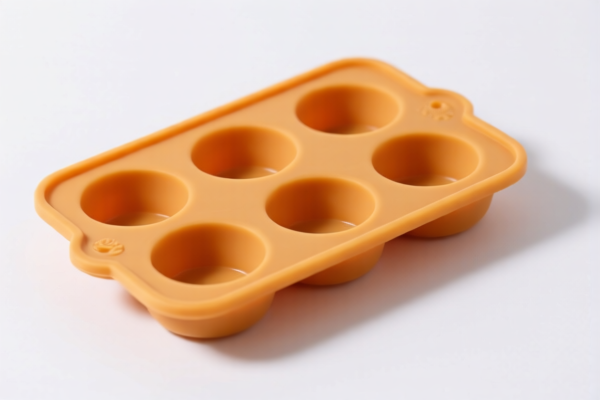
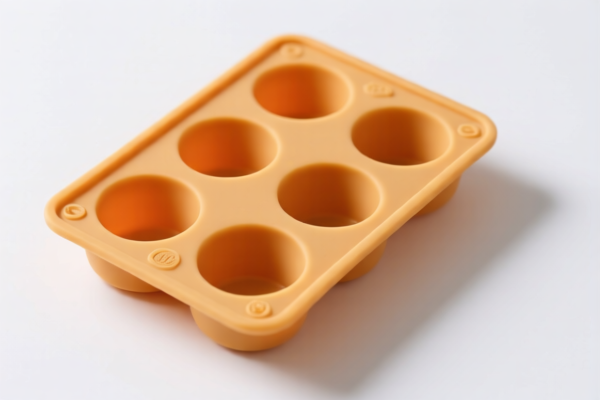
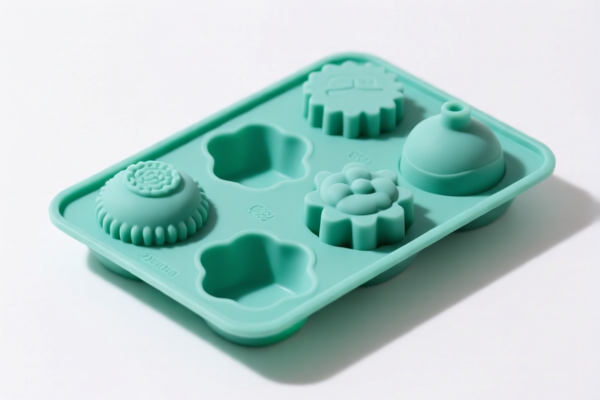
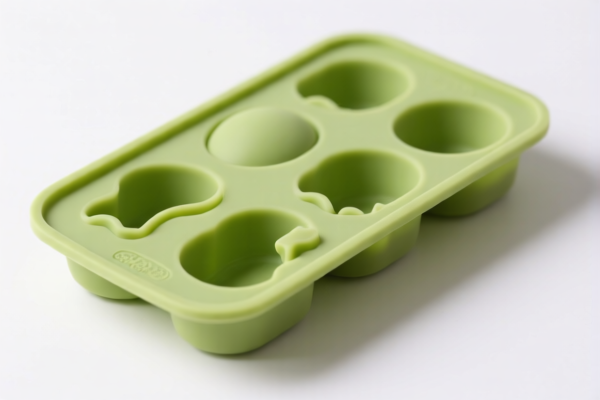
AI分析
🇲🇺 Virgin Mary Silicone Mold (Religious Iconography & Crafting)
🌐 HS Code Reference & Customs Clearance Guide | 2026 Latest Tariff Analysis | Strategic Compliance for Religious Crafts
📌 I. Product Definition: What Exactly is a "Virgin Mary Silicone Mold"?
In the international trade of religious artifacts and craft supplies, a "Virgin Mary Silicone Mold" is a double-edged sword. It can be classified in two completely different ways depending on its primary material function and end-use:
- The Mold Itself (Tooling): A device used to shape liquid silicone or resin into the shape of the Virgin Mary. It is a piece of industrial or hobbyist tooling.
- The Material Itself (Component): If sold as a block of silicone rubber intended to be cut into shapes or used as a sealing element rather than a casting form, it may be classified as rubber products.
⚠️ Critical Distinction:
- If the item is a rigid frame/box used to pour material into → It is a Mold (Chapter 84 or 39).
- If the item is a block/sheet of rubbery material → It is Rubber/Plastic Product (Chapter 40 or 39).
- Warning: Customs authorities often scrutinize religious items to ensure they are not classified as "printed matter" or "statues" (which have different duties). Always emphasize it is a "Mold" (tool for manufacturing), not the statue itself.
📦 II. HS Code Classification Details (2026 Authority Comparison)
Based on the provided data, here are the five possible classifications for a Virgin Mary Silicone Mold. Note that HS Code 8480 is generally the most accurate for "molds," but 4016/3926 are common fallbacks if the mold is made purely of elastomers.
| HS Code | Product Description | Application Scenario | Duty Risk Profile |
|---|---|---|---|
| 8480.79.90.90 | Molds for rubber or plastic | Standard silicone molds used for casting resin/statues. This is the most technically accurate for "molds." | ⚠️ High Risk (See Tax Detail) |
| 4016.99.60.50 | Other articles of vulcanized rubber | If the mold is considered a "rubber article" rather than a machine part/tooling. | ⚠️ High Risk (See Tax Detail) |
| 4016.99.05.00 | Household/Industrial rubber articles | Classified as unlisted rubber用具 (utensils/tools). Often used if the mold is small/hobbyist. | ✅ Medium Risk (Lower Total) |
| 3926.90.99.05 | Other plastic articles | If classified under plastic/synthetic rubber categories as "other plastic products." | ✅ Medium Risk (Lower Total) |
| 3926.90.99.10 | Other plastic articles | Similar to above, specific sub-variant for plastic高分子 materials. | ✅ Medium Risk (Lower Total) |
🔍 Key Insight:
- 8480.79.90.90 is the "correct" classification for molds. However, US Customs may reject it if the mold is soft silicone and not considered "tooling" in the strict mechanical sense.
- 4016/3926 classifications are often used by importers to argue the item is a "consumer good" or "raw material" rather than industrial tooling, which can sometimes lead to different duty structures (though still heavily taxed in this dataset).
💰 III. 2026 Tariff Rate Breakdown (Detailed Tax Clauses)
✅ Applicable Country: United States (US)
✅ Origin: China (CN) (Implied by "122 Clause" and high tariffs in data)
✅ Effective Date: 2025-2026 Period
🎯 1. 8480.79.90.90 —— Molds for Rubber or Plastic (The "Correct" Tooling Code)
| Item | Content |
|---|---|
| Base Tariff | 3.1% (ad valorem) |
| Section 301 Tariff | +25.0% (USITC Footnote: Trade Remedies) |
| Section 122 Tariff | +10.0% (Specific clause for certain rubber/plastic items or trade actions) |
| Total Effective Rate | 38.1% |
| Tax Calculation | CIF Value × 38.1% |
| De Minimis Eligibility | ❌ Not Eligible (Deny de_minimis for Section 301 items) |
| Legal Basis Path | USITC:8480.79.90.90 → SECTION_301:9903.88.01 → SECTION_122 |
📌 Explanation:
- This is the highest tax bracket in the dataset.
- Why? Customs views this as industrial tooling, subject to the full 301 retaliatory tariff.
- Risk: If misclassified here when a lower code applies, you pay the difference. If correctly classified here, you cannot avoid it.
🎯 2. 4016.99.60.50 —— Other Vulcanized Rubber Articles
| Item | Content |
|---|---|
| Base Tariff | 2.5% |
| Section 301 Tariff | +25.0% |
| Section 122 Tariff | +10.0% |
| Total Effective Rate | 37.5% |
| Tax Calculation | CIF Value × 37.5% |
| De Minimis Eligibility | ❌ Not Eligible |
| Legal Basis Path | USITC:4016.99.60.50 → SECTION_301:9903.88.01 → SECTION_122 |
📌 Explanation:
- Slightly lower than 8480, but still very high.
- This code treats the mold as a "rubber good" rather than a "machine part."
- Strategy: Only use this if 8480 is rejected by CBP.
🎯 3. 4016.99.05.00 —— Unlisted Rubber Articles (Household/Industrial)
| Item | Content |
|---|---|
| Base Tariff | 3.4% |
| Section 301 Tariff | +7.5% (Reduced rate for specific rubber items?) |
| Section 122 Tariff | +10.0% |
| Total Effective Rate | 20.9% |
| Tax Calculation | CIF Value × 20.9% |
| De Minimis Eligibility | ❌ Not Eligible |
| Legal Basis Path | USITC:4016.99.05.00 → SECTION_301:9903.01.25 (Hypothetical lower bracket) → SECTION_122 |
📌 Explanation:
- Significant Savings! From 38.1% down to 20.9%.
- Condition: Must prove the item is not a primary "mold" under Ch. 84 but a "general rubber article."
- Risk: High scrutiny. CBP may argue a mold is inherently Ch. 84.
🎯 4. 3926.90.99.05 & 5. 3926.90.99.10 —— Other Plastic Articles
| Item | Content |
|---|---|
| Base Tariff | 5.3% |
| Section 301 Tariff | +7.5% |
| Section 122 Tariff | +10.0% |
| Total Effective Rate | 22.8% |
| Tax Calculation | CIF Value × 22.8% |
| De Minimis Eligibility | ❌ Not Eligible |
| Legal Basis Path | USITC:3926.90.99.xx → SECTION_301:9903.01.24 → SECTION_122 |
📌 Explanation:
- Moderate Savings. From 38.1% down to 22.8%.
- Condition: Argue that the silicone is a "synthetic plastic" (Chapter 39) rather than "vulcanized rubber" (Chapter 40) or "tooling" (Chapter 84).
- Note: Code.05and.10have identical rates in this dataset (22.8%).
🛠️ IV. Customs Clearance Practical Advice (Avoiding Pitfalls)
✅ 1. Documentation Checklist (Non-Negotiable)
| Document | Required? | Purpose |
|---|---|---|
| ✅ Product Photos | ✔️ | Show the mold structure. Is it a rigid frame? Soft silicone? |
| ✅ Bill of Materials (BOM) | ✔️ | Specify "Silicone Rubber" vs. "Plastic Frame." |
| ✅ Function Statement | ✔️ | Clearly state: "Used to cast resin statues, not for industrial injection molding." |
| ✅ Commercial Invoice | ✔️ | Description must NOT say "Statue." Must say "Silicone Mold for Casting." |
| ✅ HS Code Pre-Ruling | ✔️ | Highly Recommended due to 301/122 complexities. |
✅ 2. Classification Strategy (The "Golden Rules")
🔥 "Classify by Function, Not by Material Alone!"
| Scenario | Recommended HS Code | Why? |
|---|---|---|
| Rigid Mold (Silicone inside a hard plastic/wood frame) | 8480.79.90.90 (38.1%) | CBP views the frame as the dominant feature. It’s a mold. |
| Pure Silicone Sheet/Block (Used to cut or line) | 4016.99.05.00 (20.9%) | It’s a raw rubber article, not a formed mold. |
| Soft Silicone Mold (No rigid frame, hobbyist use) | 3926.90.99.05 (22.8%) | Argue as "Plastic/Synthetic Article." Lower duty than Ch. 84. |
| Misclassified as "Statue" | ❌ Avoid! | If you import the finished Virgin Mary statue, duties change entirely (likely Ch. 39 or 49, but check for cultural restrictions). |
✅ 3. Critical Warnings
- Do NOT use De Minimis: With 301 and 122 clauses, shipments under $800 are NOT exempt. They are subject to full duty.
- Section 122 is Aggressive: The 10% "122 Clause" tariff is specific and often applied to rubber/plastic imports from China. It is not waivable.
- Avoid "Statue" Language: If your invoice says "Virgin Mary Statue," CBP may classify it as a finished good (Ch. 39/40/49) and apply different (potentially higher or restricted) duties. Always emphasize it is a Mold.
🌍 V. Global Market Comparison (2026)
| Region | Recommended HS Code | Est. Duty (China Origin) | Key Requirement |
|---|---|---|---|
| 🇺🇸 USA | 3926.90.99.05 or 4016.99.05.00 |
20.9% - 22.8% | Pre-Ruling Essential. Avoid 8480 if possible. |
| 🇪🇺 EU | 3926.90.99 |
~4.5% | CE Marking if for food-contact (unlikely for religious statues). |
| 🇬🇧 UK | 3926.90.99 |
~4.5% | Post-Brexit rules apply. |
| 🇨🇦 Canada | 3926.90.99 |
~5.0% | CBSA pre-authorization recommended. |
📌 Conclusion:
The USA is the most expensive market due to 301/122 tariffs.
- Best Strategy: Aim for3926.90.99.05(22.8%) or4016.99.05.00(20.9%) by arguing the item is a "plastic/rubber article" rather than "industrial tooling."
- Avoid:8480.79.90.90(38.1%) unless necessary.
📌 VI. Common Errors & Pitfalls (Lessons Learned)
❌ Error 1: Labeling the invoice as "Religious Statue"
👉 Result: CBP classifies as finished good → Potential Section 301 denial or different duty rate → Seizure/Fine.
❌ Error 2: Using 8480.79.90.90 without justification
👉 Result: Pay 38.1% when you could have paid 20.9%.
❌ Error 3: Assuming De Minimis applies ($800 threshold)
👉 Result: Package held at border, duties assessed retroactively → Customer dissatisfaction.
❌ Error 4: Ignoring "Section 122"
👉 Result: Underestimating total cost → Profit margin erosion.
✅ Correct Action:
"Silicone Casting Mold, Virgin Mary Design, Model VM-01, For Hobbyist Use Only, No Electrical Components"
HS Code:3926.90.99.05
Duty: 22.8%
🎯 VII. Conclusion: Smart Classification, Higher Margins
🎯 Key Takeaway:
🔹 "Mold vs. Rubber: The 15% Difference!"
🔹 38.1% (Ch. 84) → 20.9% (Ch. 40/39) = Save 17.2% on Duty!
📌 Pro Tip:
- Request an HS Code Ruling from US CBP before shipping large volumes.
- Structure your supply chain to import "Silicone Sheets" (raw material) if possible, and mold domestically? (Check local labor costs vs. duty savings).
📣 Immediate Action:
📞 Consult a Customs Broker with experience in "Craft Supplies" and "Chapter 39/40."
📄 Prepare a Product Data Sheet highlighting "Hobbyist Use" and "Non-Industrial Tooling."
🚀 Optimize your landed cost by choosing the right HS Code!
✨ Accurate Classification is Your Best Defense Against High Tariffs!
💼 Don't let duty creep eat your profit on religious crafts!
用户评价
关于 HS 编码归类
协调制度(HS)是由世界海关组织(WCO)制定的国际贸易商品分类标准。全球 200 多个国家采用 HS 系统作为海关关税、贸易统计和进出口监管的基础。
每个 HS 编码遵循以下层级结构:
- 章(2 位)——商品大类(例如:第 84 章:机器和机械设备)
- 品目(4 位)——章内的更具体分类
- 子目(6 位)——国际通用细分,所有 WCO 成员国统一使用
- 本国细分(8-10 位)——各国自行扩展的细分编码,如美国 HTSUS 10 位编码
正确的 HS 编码归类对于顺利通关、准确缴纳关税和遵守贸易法规至关重要。错误归类可能导致海关延误、多缴关税或罚款。
从CN进口到US时,适用的关税税率可能包括:
- 最惠国(MFN)税率——适用于 WTO 成员国的标准关税税率
- 普通税率——适用于无贸易协定国家
- 贸易救济关税——附加关税,如 301 条款(反倾销)、232 条款(国家安全)或反补贴税
本页内容仅供参考。如需正式归类,请咨询当地海关或持牌报关代理。