wadding, wools and cotton wadding
CN → US| HS编码 | 关税税率 | 原产国 | 目的国 | 文档 |
|---|---|---|---|---|
| 9404902030 | 23.5% | CN | US | 官方文档 |
| 9404902060 | 23.5% | CN | US | 官方文档 |
| 6307908995 | 17.0% | CN | US | 官方文档 |
| 6307909891 | 24.5% | CN | US | 官方文档 |
商品图片
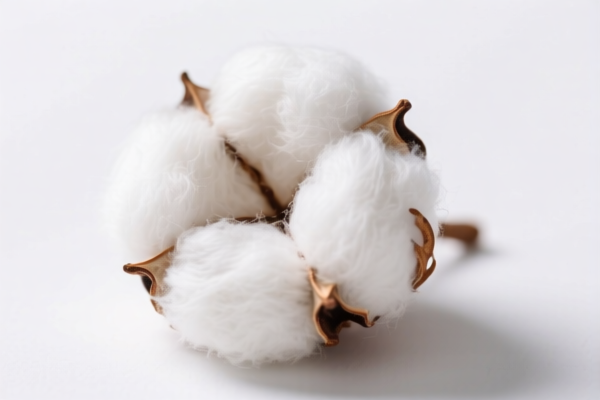
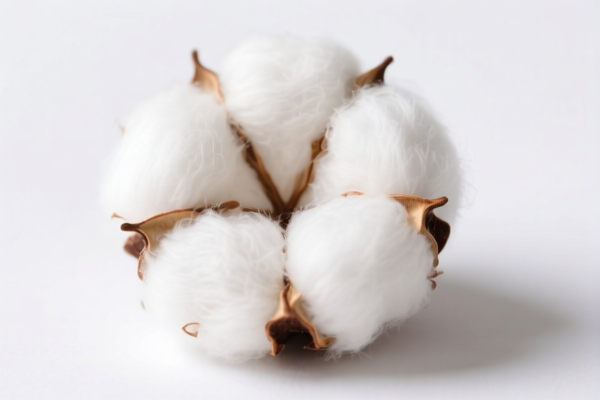
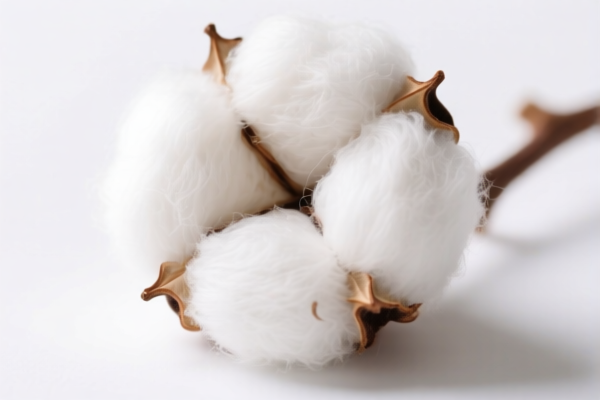
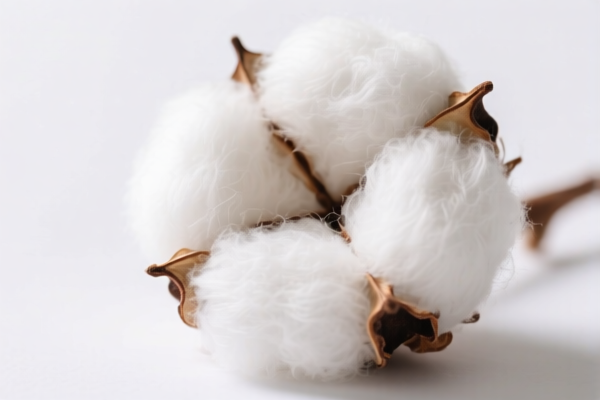
AI分析
🛏️ Cotton Wadding & Pillows (填充棉枕头)
🌐 HS Code Reference & Customs Clearance Guide | 2026 Latest Tariff Analysis | Professional Clearance Strategy
📌 1. Product Definition & Classification: Do You Really Understand "Cotton Pillows"?
"Cotton Wadding" and "Pillows" are versatile household goods, but their classification depends heavily on their structure, primary material, and end-use. In international trade, they are often misclassified due to vague descriptions.
Key Distinction: * Loose Wadding/Sheets: Unshaped cotton batting used for insulation, quilting, or further manufacturing → Generally classified under Chapter 63. * Shaped Pillows: Finished articles with a specific form (bed pillows, camping pillows) filled with cotton or other materials → Generally classified under Chapter 94.
⚠️ Critical Classification Point:
- If it is a finished pillow with a specific shape and cover → Chapter 94 (9404.90.20.xxxx).
- If it is a generic textile article or "other made-up cotton article" not specifically described elsewhere → Chapter 63 (6307.90.xxxx).
- Misclassification Risk: Declaring a shaped pillow as "cotton wadding" (6307) to avoid higher tariffs on Chapter 94 items is a common audit trigger.
📦 2. HS Code Classification Details (2026 Latest Tariff Reference)
Based on the provided data, here are the four possible classifications for "Cotton Wadding/Pillows":
| HS Code | Product Description | Key Characteristics | Tariff Category |
|---|---|---|---|
9404.90.20.30 |
Filled Cotton Pillow | Specifically a bed pillow; filled with cotton material. | High Tariff (23.5%) |
9404.90.20.60 |
Other Filled Pillow | Specifically a pillow (any use); filled with other materials (not pure cotton wadding). | High Tariff (23.5%) |
6307.90.89.95 |
Other Cotton Articles | Generic cotton textile article; classified as "other cotton-made or similar articles." | Moderate Tariff (17.0%) |
6307.90.98.91 |
Other Made-Up Articles | Generic finished consumer good; not specifically a pillow or wadding. | Highest Tariff (24.5%) |
🔍 Key Insight:
- Chapter 94 (9404) is for articles of bedding (like pillows). If your product is clearly a pillow, it must go here, not in Chapter 63.
- Chapter 63 (6307) is for miscellaneous textile articles. Use this only if the item is not a standard pillow (e.g., cotton batting for quilting, non-shaped cotton pads).
- Tariff Difference: Using6307for a clear pillow can lead to classical misclassification penalties.
💰 3. 2026 Tariff Rate Breakdown (Including Surcharges & Policy Add-ons)
✅ Applicable Country: United States (US)
✅ Origin: China (CN)
✅ Effective Date: Current rates apply (Section 301 & Section 122)
🎯 1. 9404.90.20.30 & 9404.90.20.60 —— Filled Pillows (Chapter 94)
| Item | Details |
|---|---|
| Base Tariff | 6.0% (Ad Valorem) |
| Section 301 Surcharge | 7.5% |
| Section 122 Surcharge | 10.0% |
| Total Tariff Rate | 23.5% |
| Calculation | CIF Value × 23.5% |
| De Minimis Exemption | ❌ Not Applicable (High-value textile imports usually excluded or closely scrutinized) |
| Legal Basis | USITC:9404.90.20.xx → Section 301: Footnote 9903.88.01 → Section 122: Trade Act 1974 Sec 232 |
📌 Explanation:
- Base Rate (6%): Standard MFN rate for bedding articles.
- Section 301 (7.5%): Trade war tariffs on Chinese goods.
- Section 122 (10%): Additional tariffs under Section 122 of the Trade Expansion Act (often applied to specific import surges or national security concerns).
- Total: 23.5% is a significant cost. Proper documentation proving "China Origin" is crucial to ensure these surcharges are correctly applied (or contested if eligible for exemptions).
🎯 2. 6307.90.89.95 —— Other Cotton Articles (Chapter 63)
| Item | Details |
|---|---|
| Base Tariff | 7.0% |
| Section 301 Surcharge | 0.0% (Note: Some Chapter 63 items may have different 301 lists, but data indicates 0% here) |
| Section 122 Surcharge | 10.0% |
| Total Tariff Rate | 17.0% |
| Calculation | CIF Value × 17.0% |
| De Minimis Exemption | ❌ Check Eligibility (Often subject to strict scrutiny for textiles) |
| Legal Basis | USITC:6307.90.89.95 → Section 122 |
📌 Explanation:
- This rate is lower (17.0%) than Chapter 94 (23.5%), which might tempt shippers to misclassify.
- However, this classification is only valid if the item is not a standard pillow. It applies to cotton wadding, batting, or other textile articles not specified elsewhere.
- Risk: If customs determines the item is a pillow, they will reclassify to9404.90.20.30/60, leading to back taxes + penalties.
🎯 3. 6307.90.98.91 —— Other Made-Up Articles (Chapter 63)
| Item | Details |
|---|---|
| Base Tariff | 7.0% |
| Section 301 Surcharge | 7.5% |
| Section 122 Surcharge | 10.0% |
| Total Tariff Rate | 24.5% |
| Calculation | CIF Value × 24.5% |
| De Minimis Exemption | ❌ Not Applicable |
| Legal Basis | USITC:6307.90.98.91 → Section 301 & Section 122 |
📌 Explanation:
- This is the highest tariff rate (24.5%) in the dataset.
- It applies to general made-up textile articles that don't fit other specific categories.
- Avoid this code if your product is a pillow or specific cotton wadding, as it is unnecessarily expensive.
🛠️ 4. Customs Clearance Practical Advice (Pitfall Avoidance Guide)
✅ 1. Essential Documentation List (Do Not Skip)
| Document | Required | Notes |
|---|---|---|
| ✅ Product Specifications | ✔️ | Must clearly state: Filling material (e.g., "100% Cotton Wadding"), Shape (Pillow vs. Sheet), Dimensions. |
| ✅ Commercial Invoice | ✔️ | Description must match HS Code. Use "Filled Cotton Pillow" for 9404, not "Cotton Wadding." |
| ✅ Packing List | ✔️ | Detail items per carton. Avoid vague terms like "Textile Goods." |
| ✅ Origin Certificate (CO) | ✔️ | Crucial for determining Section 301 & 122 applicability. |
| ✅ Product Photos | ✔️ | Show the item in its final form (shaped vs. flat). |
✅ 2. Classification Strategy (Key Takeaways)
| Scenario | Correct HS Code | Tariff Rate | Why? |
|---|---|---|---|
| Bed Pillow filled with cotton | 9404.90.20.30 |
23.5% | It is a "bedding article" (Chapter 94). |
| Travel Pillow filled with other foam/feathers | 9404.90.20.60 |
23.5% | It is a "pillow" but not filled with cotton wadding. |
| Loose Cotton Batting (for quilting) | 6307.90.89.95 |
17.0% | It is a "textile article," not a finished pillow. |
| Generic Cotton Pad/Cloth | 6307.90.98.91 |
24.5% | General made-up article. |
🔥 Golden Rule:
"If it’s a pillow, it’s Chapter 94. If it’s wadding/sheet, it’s Chapter 63."
Misclassifying a pillow as wadding to save 6.5% (23.5% vs 17.0%) is high-risk and often leads to seizures or fines.
✅ 3. Special Handling Tips
| Situation | Recommendation |
|---|---|
| Mixed Shipments | If a shipment contains both pillows and cotton batting, separate the HS Codes on the invoice. Do not consolidate under one code. |
| Section 122 Exemptions | Check if your product is eligible for any Section 122 exclusions. Some textile categories have been removed from surcharge lists in recent years. |
| De Minimis (Section 321) | For shipments under $800 (de minimis value), tariffs may be $0, but Section 301 and 122 surcharges often still apply to Chinese goods. Confirm with your freight forwarder. |
| Labeling | Ensure labels clearly state "Made in China" to avoid origin disputes. |
📌 5. Common Mistakes & Penalties (Lessons Learned)
❌ Mistake 1: Labeling a pillow as "Cotton Wadding" on the invoice.
👉 Consequence: Customs reclassifies to 9404.90.20.30, charges 23.5% instead of 17.0%, plus penalties.
❌ Mistake 2: Ignoring Section 122 (10% surcharge).
👉 Consequence: Even if Base + Section 301 seem low, missing Section 122 can result in 10% underpayment on all shipments.
❌ Mistake 3: Using 6307.90.98.91 for everything.
👉 Consequence: This is the highest rate (24.5%). You might pay more than necessary if you should have used 6307.90.89.95 (17.0%) for generic cotton goods.
✅ Correct Approach:
"Be Specific: 'Bed Pillow, Cotton Filled' for 9404. 'Cotton Batting, Loose' for 6307."
🎯 6. Conclusion: Precise Classification for Cost Optimization
🎯 Key Takeaway:
- Pillows = Chapter 94 (23.5%)
- Cotton Wadding/Textiles = Chapter 63 (17% - 24.5%)
- Always verify Section 122 applicability for Chinese-origin goods.
📌 Pro Tip:
If you are importing loose cotton wadding (not pillows), use6307.90.89.95(17.0%) to save 6.5% compared to pillow classification.
If you are importing finished pillows, you must use9404.90.20.30(23.5%). Do not try to disguise them.
📣 Immediate Action:
📞 Consult with a licensed customs broker to pre-classify your specific product.
📄 Ensure your invoice description exactly matches the HS Code definition.
🚀 Avoid costly audits and delays with precise documentation!
✨ Professional Clearance Starts with Accurate Classification!
💼 Every percentage point of tariff counts in your profit margin!
用户评价
关于 HS 编码归类
协调制度(HS)是由世界海关组织(WCO)制定的国际贸易商品分类标准。全球 200 多个国家采用 HS 系统作为海关关税、贸易统计和进出口监管的基础。
每个 HS 编码遵循以下层级结构:
- 章(2 位)——商品大类(例如:第 84 章:机器和机械设备)
- 品目(4 位)——章内的更具体分类
- 子目(6 位)——国际通用细分,所有 WCO 成员国统一使用
- 本国细分(8-10 位)——各国自行扩展的细分编码,如美国 HTSUS 10 位编码
正确的 HS 编码归类对于顺利通关、准确缴纳关税和遵守贸易法规至关重要。错误归类可能导致海关延误、多缴关税或罚款。
从CN进口到US时,适用的关税税率可能包括:
- 最惠国(MFN)税率——适用于 WTO 成员国的标准关税税率
- 普通税率——适用于无贸易协定国家
- 贸易救济关税——附加关税,如 301 条款(反倾销)、232 条款(国家安全)或反补贴税
本页内容仅供参考。如需正式归类,请咨询当地海关或持牌报关代理。