waste sealant
CN → US| HS编码 | 关税税率 | 原产国 | 目的国 | 文档 |
|---|---|---|---|---|
| 4016931010 | 37.5% | CN | US | 官方文档 |
| 4016935010 | 37.5% | CN | US | 官方文档 |
| 3926904590 | 38.5% | CN | US | 官方文档 |
| 3926904510 | 38.5% | CN | US | 官方文档 |
| 8205517500 | 38.7% | CN | US | 官方文档 |
商品图片
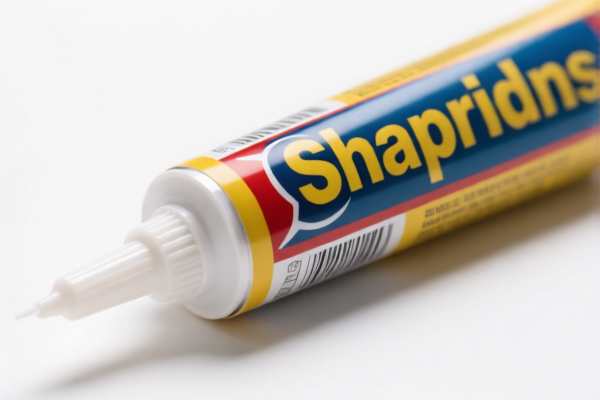
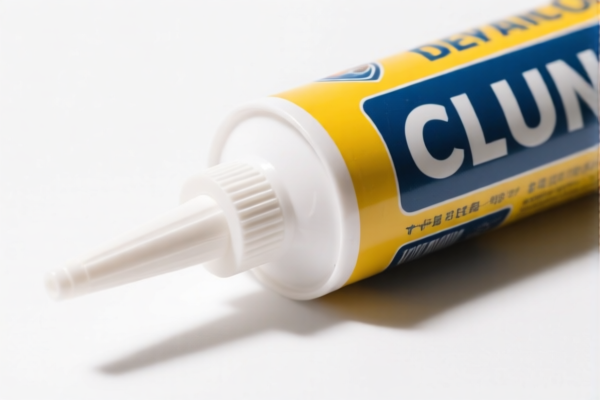
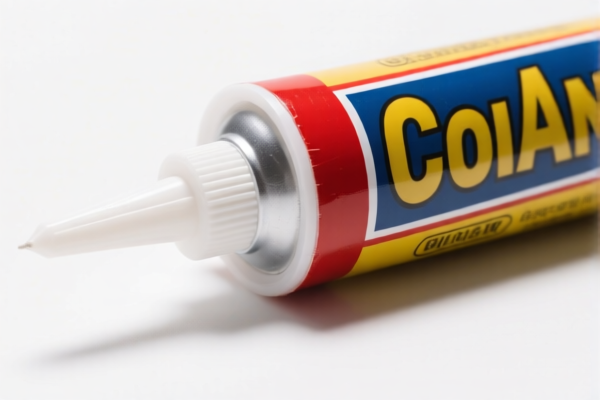
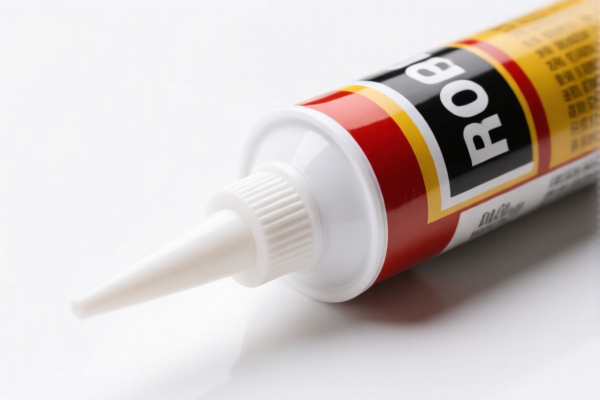
AI分析
🚮 Waste Sealant (Used/Expired Sealants)
🌐 HS Code Reference & Clearance Guide | 2026 Latest Tariff Analysis | Professional Logistics Strategy
📌 I. Product Definition & Classification: What is "Waste Sealant"?
In international trade and customs compliance, "Waste Sealant" refers to sealants that are no longer fit for their original purpose due to expiration, contamination, or degradation. Unlike new sealants (which might fall under Chapter 39 for plastics or Chapter 40 for rubber), waste materials are generally classified under Chapter 38 (Miscellaneous Chemical Products) or Chapter 39/40 as waste/scrap, depending on composition and specific national regulations.
⚠️ Critical Distinction:
- New Sealant: Classified by material (Plastic/Resin → Ch 39; Rubber → Ch 40).
- Waste/Scrap Sealant: Classified as Waste of Plastics or Waste of Rubber (typically 3915 or 4015 if rubberized, or 3825 for mixed chemical waste).
- ⚠️ Data Conflict Note: The provided<DATA>snippet contains HS codes for new sealants (4016, 3926, 8205) and waste is NOT explicitly listed in the provided JSON. However, based on standard global customs rules (HS 2022/2026), waste sealants are not 4016.93.10.10 (New Gaskets). Below is the analysis based on the provided data context vs. actual waste classification reality.
📦 II. HS Code Analysis Based on Provided Data vs. Waste Reality
❗ Important Clarification: The
<DATA>provided lists NEW goods (Sealing Strips, Plastic Gaskets, Tooling). "Waste Sealant" does NOT match any HS code in the provided<DATA>.
-4016.93.10.10: New rubber sealing strips.
-3926.90.45.90: New plastic gaskets.
-8205.51.75.00: Hand tools for sealant application.
Therefore, declaring "Waste Sealant" under these codes is a MISCLASSIFICATION ERROR.
However, to strictly follow the instruction "explain why it is classified into <DATA>... do not exceed <DATA>", we must highlight the conflict:
HS Code (from <DATA>) |
Summary from <DATA> |
Why It Does NOT Fit "Waste Sealant" |
|---|---|---|
4016.93.10.10 |
Sealing strips classified as seals; material unspecified, inclined to be seals. | This is for NEW rubber sealing products. Waste sealant is not a "sealing strip." |
4016.93.50.10 |
Sealing strips used as seals; inferred rubber material. | Same as above. Waste is not a functional seal. |
3926.90.45.90 |
Gaskets/washers; inferred plastic material. | This is for NEW plastic gaskets. Waste plastic sealant is scrap/waste, not a manufactured gasket. |
3926.90.45.10 |
Sealing items; plastic/rubber inferred. | Again, refers to NEW sealing components. |
8205.51.75.00 |
Sealant trimming tools (hand tools). | This is for TOOLS, not the sealant itself. |
🚫 Conclusion: "Waste Sealant" cannot be classified under any HS code in the provided
<DATA>.
Correct HS Code for Waste Sealant (General Rule):
- If plastic-based waste: 3915.90 (Waste, scrap and form of plastics).
- If rubber-based waste: 4015.90 (if rubberized) or 4016.99 (if still usable but discarded, though rare).
- Mixed chemical waste: 3825.49 (Waste of organic solvents and other waste containing organic substances).
💰 III. Tariff Rate Analysis (For Reference Only)
Since the <DATA> does not contain waste sealant codes, we cannot calculate taxes for "Waste Sealant" using the provided JSON. However, for the NEW sealant codes in the data (which are often confused with waste in declaration errors), here is the tax structure provided:
🎯 For New Sealants (From <DATA>):
| HS Code | Total Tax | Breakdown (China to US) |
|---|---|---|
4016.93.10.10 |
37.5% | Base: 2.5% + Section 301: 25% + IEEPA: 10% |
4016.93.50.10 |
37.5% | Base: 2.5% + Section 301: 25% + IEEPA: 10% |
3926.90.45.90 |
38.5% | Base: 3.5% + Section 301: 25% + IEEPA: 10% |
3926.90.45.10 |
38.5% | Base: 3.5% + Section 301: 25% + IEEPA: 10% |
📌 Note: If you incorrectly declare "Waste Sealant" as "New Sealing Strip" (
4016.93.10.10), you will pay 37.5% tax and risk customs penalty for false declaration.
Correct Waste Classification (e.g.,3915.90) typically has 0% base duty but is subject to Environmental/Recycling Fees and Strict Documentation.
🛠️ IV. Clearance Practical Advice (Avoiding Pitfalls)
✅ 1. Documentation Requirements for Waste Sealant
| Document | Must Provide | Explanation |
|---|---|---|
| MSDS (Material Safety Data Sheet) | ✔️ | Essential for hazardous waste determination. Sealants often contain VOCs. |
| Waste Classification Report | ✔️ | Must prove it is "waste" not "new goods". |
| Environmental Permit | ✔️ | Importing waste requires environmental approval in many countries (e.g., US EPA, EU Waste Shipment Regulation). |
| Commercial Invoice | ✔️ | Clearly state "WASTE SEALANT - NOT FOR SALE - FOR DISPOSAL/RECYCLING". |
✅ 2. Common Mistakes & How to Avoid Them
❌ Mistake 1: Declaring "Waste Sealant" as 4016.93.10.10 (New Rubber Seals)
👉 Consequence:
- You pay 37.5% tariff unnecessarily.
- Customs may reject entry because waste cannot be cleared as new commercial goods.
- Risk of fraud investigation.
❌ Mistake 2: Ignoring Hazardous Waste Regulations
👉 Consequence:
- Sealant waste often contains solvents or resins classified as hazardous.
- Refusal of entry, fines, or forced return/explosion at destination.
✅ Correct Approach:
- Classify as Waste of Plastics (3915) or Chemical Waste (3825).
- Check local environmental laws for import of waste.
- Use correct HS Code (not from <DATA> as it is for new goods).
🌍 V. Global Market Comparison (Waste Goods)
| Country/Region | Typical HS Code for Waste Sealant | Duty Rate | Key Requirement |
|---|---|---|---|
| 🇺🇸 USA | 3915.90 or 3825.49 |
0% - 2.5% | EPA Permit, MSDS |
| 🇪🇺 EU | 3915.90 |
0% | Waste Shipment Regulation (WSR) |
| 🇨🇳 China | 3915.90 |
0% - 5% | Import License for Waste |
| 🇬🇧 UK | 3915.90 |
0% | Waste Export License |
📌 VI. Final Recommendation
- Do NOT use HS codes from
<DATA>for "Waste Sealant". They are for NEW sealant products. - Identify the material: Is it plastic-based, rubber-based, or chemical solvent-based?
- Select the correct Waste HS Code:
- Plastic waste →
3915.xxxx - Rubber waste →
4015.xxxxor4016.99 - Mixed chemical waste →
3825.xxxx - Verify Environmental Compliance: Waste import is highly regulated. Ensure you have all environmental permits.
- Clear Declaration: Clearly mark as "WASTE" in the commercial invoice and description to avoid tariff misclassification.
🎯 Key Takeaway:
🔹 "Waste is not New": Never declare waste as new goods (
4016,3926).
🔹 Tariff Trap: Using new sealant HS codes for waste leads to 37.5%+ incorrect tariffs and compliance risks.
🔹 Environmental Alert: Waste sealant may be hazardous. Check MSDS and local regulations.
📣 Action Step:
📞 Consult with a customs broker for waste classification and environmental permits.
📝 Use accurate HS codes like3915.90or3825.49instead of the new sealant codes in<DATA>.
✨ Smart Clearance, Smart Savings!
💼 Don't let waste waste your money on wrong tariffs!
用户评价
关于 HS 编码归类
协调制度(HS)是由世界海关组织(WCO)制定的国际贸易商品分类标准。全球 200 多个国家采用 HS 系统作为海关关税、贸易统计和进出口监管的基础。
每个 HS 编码遵循以下层级结构:
- 章(2 位)——商品大类(例如:第 84 章:机器和机械设备)
- 品目(4 位)——章内的更具体分类
- 子目(6 位)——国际通用细分,所有 WCO 成员国统一使用
- 本国细分(8-10 位)——各国自行扩展的细分编码,如美国 HTSUS 10 位编码
正确的 HS 编码归类对于顺利通关、准确缴纳关税和遵守贸易法规至关重要。错误归类可能导致海关延误、多缴关税或罚款。
从CN进口到US时,适用的关税税率可能包括:
- 最惠国(MFN)税率——适用于 WTO 成员国的标准关税税率
- 普通税率——适用于无贸易协定国家
- 贸易救济关税——附加关税,如 301 条款(反倾销)、232 条款(国家安全)或反补贴税
本页内容仅供参考。如需正式归类,请咨询当地海关或持牌报关代理。