waste solvent container
CN → US| HS编码 | 关税税率 | 原产国 | 目的国 | 文档 |
|---|---|---|---|---|
| 7309000090 | 85.0% | CN | US | 官方文档 |
| 7309000030 | 85.0% | CN | US | 官方文档 |
| 3925100000 | 41.3% | CN | US | 官方文档 |
| 8419909580 | 39.0% | CN | US | 官方文档 |
| 7310100090 | 85.0% | CN | US | 官方文档 |
商品图片
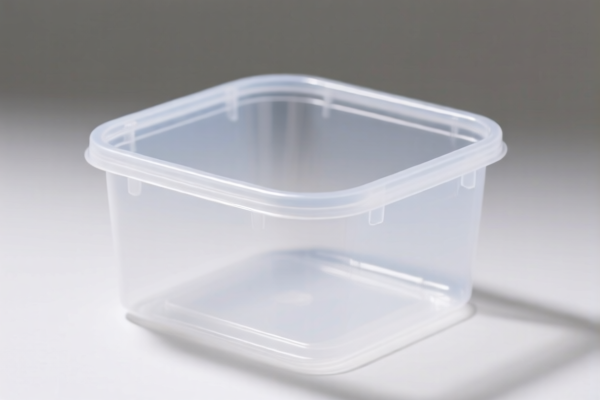
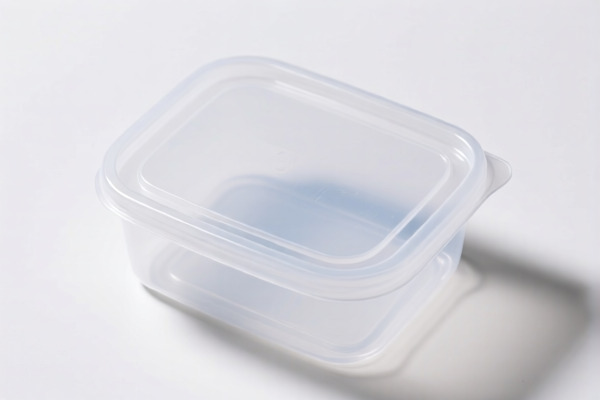
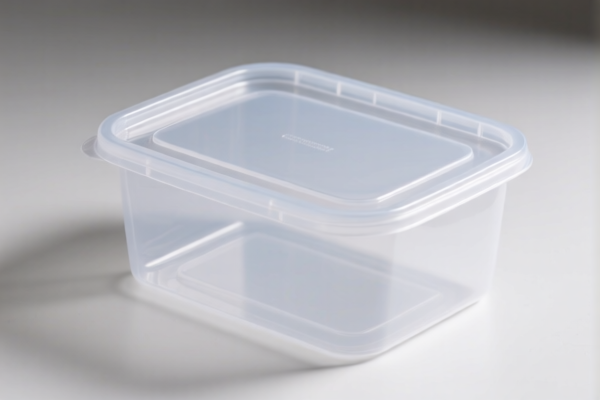
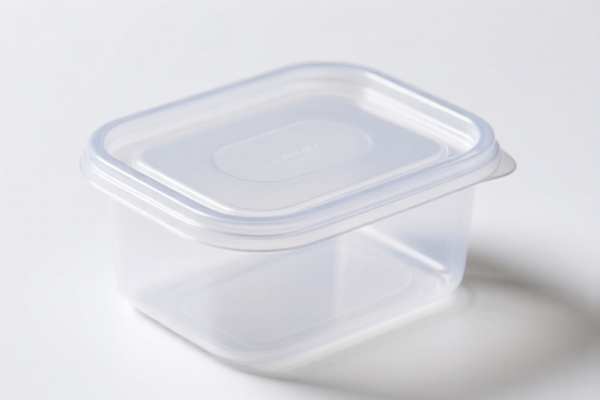
AI分析
🛢️ Waste Solvent Containers (铁/钢/塑料制回收容器)
🌐 HS Code Reference & Customs Clearance Guide | 2026 Tax Rules Analysis | Professional Clearance Strategy
📌 I. Product Definition & Classification: Do You Really Know "Solvent Containers"?
Waste Solvent Containers are industrial vessels designed to store, transport, or recycle solvents, chemicals, or liquids. In international trade, the classification is strictly determined by the material composition and the specific function of the container.
There are three primary categories based on the provided data:
- Steel/Iron Containers (
7309Series):- General Purpose: Iron or steel containers for any liquid.
- Solvent Specific: Specifically designed for solvent recovery.
- Recycling Drums: Specialized drums with specific capacity ranges (50-300L).
- Plastic Containers (
3925Series):- Plastic drums and similar vessels used for solvent recovery.
- Equipment Parts (
8419Series):- Note: This category applies not to the container itself, but to parts of processing equipment that involve temperature or physical changes to materials (e.g., heating/cooling components within a solvent recovery system).
⚠️ Key Distinction Point: - If it is a bare storage vessel (steel/plastic) →归入 7309 or 3925. - If it is a mechanical part (heater/cooler unit inside a system) →归入 8419. - Material Matters: Steel incurs significantly higher tariffs (85%) compared to Plastic (41.3%) due to specific trade measures.
📦 II. HS Code Classification Details (2026 Latest Tariff Schedule)
| HS Code | Product Description | Applicable Scenario | Material |
|---|---|---|---|
7309.00.00.90 |
Iron or steel containers, for solvent recovery | General steel tanks for solvent recycling | ✅ Steel |
7309.00.00.30 |
Iron or steel reservoirs for liquids, suitable for intended material use | Specific liquid storage, not just generic | ✅ Steel |
3925.10.00.00 |
Plastic drums and similar containers, for solvent recovery | Plastic IBCs, drums, tanks for chemicals | ✅ Plastic |
8419.90.95.80 |
Parts of machinery for treating materials, involving temp/physical changes | Components of solvent reprocessing units, not the container itself | ⚙️ Machine Part |
7310.10.00.90 |
Iron or steel recycling barrels, capacity 50-300 liters | Standard industrial steel drums | ✅ Steel |
🔍 Key Reminder: - Steel vs. Plastic: Steel containers (
7309/7310) are subject to a massive 85% total tariff due to Section 232 (Steel/Aluminum) and Section 301 measures. - Plastic Containers (3925) have a lower base but still face significant additional tariffs, totaling 41.3%. - Equipment Parts (8419) are distinct; they are not "containers" but functional components.
💰 III. 2026 Latest Tariff Rate Breakdown (Including Surcharges)
✅ Applicable Country: USA (US) ✅ Origin: China (CN) ✅ Effective Date: Current Trade Policies (Section 301 & 232)
🎯 1. 7309.00.00.90 & 7310.10.00.90 —— Steel/Iron Containers (Solvent/Recycling)
This is the highest risk category due to combined tariffs.
| Item | Content |
|---|---|
| Base Duty Rate | 0.0% (Ad Valorem) |
| Section 301 Surcharge | +25% (Trade Remedies) |
| Section 232 Surcharge | +50% (Steel & Aluminum Products) |
| Total Tariff Rate | 85.0% |
| Tax Calculation | CIF Value × 85% |
| De Minimis Eligibility | ❌ Not Allowed |
| Legal Path | USITC:7309.00.00.90 → SECTION_301:25% + SECTION_232:50% |
📌 Explanation: - The 0% base rate is misleading; the 25% Section 301 and 50% Section 232 tariffs stack up. - Steel products face a punitive 50% tariff under Section 232. - Total 85% makes steel solvent containers extremely expensive to import.
🎯 2. 7309.00.00.30 —— Steel Reservoirs for Liquids
| Item | Content |
|---|---|
| Base Duty Rate | 0.0% |
| Section 301 Surcharge | +25% |
| Section 232 Surcharge | +50% (Steel/Aluminum/Copper) |
| Total Tariff Rate | 85.0% |
| Tax Calculation | CIF Value × 85% |
| De Minimis Eligibility | ❌ Not Allowed |
| Legal Path | USITC:7309.00.00.30 → SECTION_301:25% + SECTION_232:50% |
📌 Note: - Same tax burden as general steel containers. - "Suitable for intended material use" does not exempt it from Section 232 steel tariffs.
🎯 3. 3925.10.00.00 —— Plastic Drums & Similar Containers
| Item | Content |
|---|---|
| Base Duty Rate | 6.3% |
| Section 301 Surcharge | +25% |
| Section 232 Surcharge | N/A (Plastic is not Steel/Aluminum) |
| Total Tariff Rate | 41.3% |
| Tax Calculation | CIF Value × 41.3% |
| De Minimis Eligibility | ❌ Not Allowed |
| Legal Path | USITC:3925.10.00.00 → SECTION_301:25% + BASE:6.3% |
📌 Advantage: - Plastic avoids the 50% Section 232 tariff. - 41.3% is significantly lower than the 85% for steel, but still high due to Section 301.
🎯 4. 8419.90.95.80 —— Parts of Processing Equipment
| Item | Content |
|---|---|
| Base Duty Rate | 4.0% |
| Section 301 Surcharge | +25% |
| Total Tariff Rate | 39.0% |
| Tax Calculation | CIF Value × 39.0% |
| De Minimis Eligibility | ❌ Not Allowed |
| Legal Path | USITC:8419.90.95.80 → SECTION_301:25% + BASE:4.0% |
📌 Crucial Distinction: - This is for parts of machinery (e.g., heat exchangers, valves in solvent recovery systems), NOT the container itself. - If you are shipping a container, do NOT use this code; it will lead to customs rejection and penalties. - Lowest rate among the list, but only applicable to specific mechanical components.
🛠️ IV. Customs Clearance Practical Advice (Pitfall Avoidance Guide)
✅ 1. Preparation Checklist (Required Documents)
| Document | Required | Description |
|---|---|---|
| ✅ Product Specification Sheet | ✔️ | Must state: Material (Steel/Plastic), Capacity, Usage (Solvent Recovery), Weight. |
| ✅ Material Certificate | ✔️ | Proof of Steel vs. Plastic. Critical for Section 232 determination. |
| ✅ Commercial Invoice | ✔️ | Must clearly describe the item. Avoid vague terms like "Metal Drum." Use "Steel Solvent Container." |
| ✅ Packing List | ✔️ | Detail net/gross weight. Ensure consistency with invoice. |
| ✅ Photos of Product | ✔️ | Show labels, markings, and structure. Prove it is a container, not a machine part. |
| ✅ HS Code Pre-ruling | ✔️ | Highly recommended for 7309 vs 8419 distinction. |
✅ 2. Declaration Strategy (Key Tips)
🔥 “Material Dictates Tariff, Function Defines Code, Precision Saves Money!”
| Scenario | Correct HS Code | Error Consequence |
|---|---|---|
| Steel Drum for Solvent | 7309.00.00.90 or 7310.10.00.90 |
Misdeclaring as Plastic → Fraud/Seizure |
| Plastic IBC for Solvent | 3925.10.00.00 |
Misdeclaring as Steel → Overpayment (41.3% vs 85%) |
| Heater for Solvent System | 8419.90.95.80 |
Misdeclaring as Container → Wrong classification, delay |
| Empty Steel Tank | 7309.00.00.30 |
Misdeclaring as Machine Part → Rejection |
📌 Critical Warning: - Do not declare steel containers as "parts of machinery" (
8419) to avoid the 50% Section 232 tariff. Customs will verify material and function. - If the container is stainless steel, it may still fall under Section 232. Check specific alloy exemptions.
✅ 3. Special Situations
| Situation | Handling Advice |
|---|---|
| Used/Second-hand Containers | May face additional inspection for contamination. Provide cleaning certificates. |
| Lined Steel Containers | If lined with plastic/rubber, still classified as steel if the primary structure is steel. |
| Small Quantity (<800 USD) | De Minimis (Section 321) does NOT apply to China-origin goods under current trade restrictions. Expect duties. |
| Plastic Alternatives | If feasible, consider switching from Steel (85%) to Plastic (41.3%) to save 43.7% in tariffs. |
🌍 V. Global Market Comparison (2026 Latest)
| Country/Region | Recommended HS Code | Est. Tariff (China Origin) | Notes |
|---|---|---|---|
| 🇺🇸 USA | 7309.00.00.90 |
85.0% | High due to Section 232 & 301 |
| 🇺🇸 USA | 3925.10.00.00 |
41.3% | Lower than steel, but still high |
| 🇨🇳 China | 7309.00.00.90 |
~10% (Import Duty) | No Section 301/232 on imports |
| 🇪🇺 EU | 7309.00.00 |
~6-8% | No Section 232 equivalent |
| 🇬🇧 UK | 7309.00.00 |
~7.7% | Post-Brexit tariffs |
📌 Conclusion: - The USA imposes the highest barriers on Chinese-made industrial containers. - Steel is the most punished material due to Section 232. - Plastic offers a strategic alternative for cost reduction, though Section 301 still applies.
📌 VI. Common Mistakes & Pitfalls (Lessons Learned)
❌ Mistake 1: Declaring a Steel Container as 8419 (Machine Part) to avoid Section 232.
👉 Consequence: Customs audit → Rejection + Penalties + Back Taxes.
❌ Mistake 2: Ignoring the 50% Section 232 Tariff on steel. 👉 Consequence: Unexpected cost increase of 50% on CIF value. Total bill shocks buyers.
❌ Mistake 3: Confusing 7309 (General) with 7310 (Drums 50-300L).
👉 Consequence: Minor discrepancies in description may cause delays. Ensure accurate capacity declaration.
❌ Mistake 4: Assuming De Minimis applies to small shipments. 👉 Consequence: Small packages from China are not exempt from Section 301/232 tariffs anymore.
✅ Correct Practice:
"Steel Solvent Container, 200L, Unlined, For Chemical Storage, Made in China, Model XYZ"
🎯 VII. Conclusion: Professional Classification for Cost Efficiency
🎯 Remember the Strategy:
🔹 “Steel is Expensive (85%), Plastic is Moderate (41.3%), Parts are Cheapest (39%) but Specific!” 🔹 “Check Material First, Then Function, Then Tariff!”
📌 Pro Tip:
- If you must import solvent containers into the USA from China, evaluate Plastic (
3925) alternatives to save nearly half the tariff cost.- Always request a Section 232 Exclusion if available for specific steel grades (though rare and temporary).
- Pre-clearance ruling is highly recommended for complex mixes of steel/plastic containers.
📣 Immediate Action:
📞 Consult with a licensed US Customs Broker. 📋 Provide detailed material specs and usage photos. 💡 Consider supply chain adjustments to mitigate the 85% steel tariff burden.
✨ Professional Clearance Starts with Accurate Classification! 💼 Your Bottom Line Depends on the HS Code!
用户评价
关于 HS 编码归类
协调制度(HS)是由世界海关组织(WCO)制定的国际贸易商品分类标准。全球 200 多个国家采用 HS 系统作为海关关税、贸易统计和进出口监管的基础。
每个 HS 编码遵循以下层级结构:
- 章(2 位)——商品大类(例如:第 84 章:机器和机械设备)
- 品目(4 位)——章内的更具体分类
- 子目(6 位)——国际通用细分,所有 WCO 成员国统一使用
- 本国细分(8-10 位)——各国自行扩展的细分编码,如美国 HTSUS 10 位编码
正确的 HS 编码归类对于顺利通关、准确缴纳关税和遵守贸易法规至关重要。错误归类可能导致海关延误、多缴关税或罚款。
从CN进口到US时,适用的关税税率可能包括:
- 最惠国(MFN)税率——适用于 WTO 成员国的标准关税税率
- 普通税率——适用于无贸易协定国家
- 贸易救济关税——附加关税,如 301 条款(反倾销)、232 条款(国家安全)或反补贴税
本页内容仅供参考。如需正式归类,请咨询当地海关或持牌报关代理。