water bottles
CN → US| HS编码 | 关税税率 | 原产国 | 目的国 | 文档 |
|---|---|---|---|---|
| 7612901090 | 40.7% | CN | US | 官方文档 |
| 7612905000 | 35.0% | CN | US | 官方文档 |
| 3924104000 | 13.4% | CN | US | 官方文档 |
| 3924102000 | 24.0% | CN | US | 官方文档 |
| 7013492090 | 40.0% | CN | US | 官方文档 |
商品图片
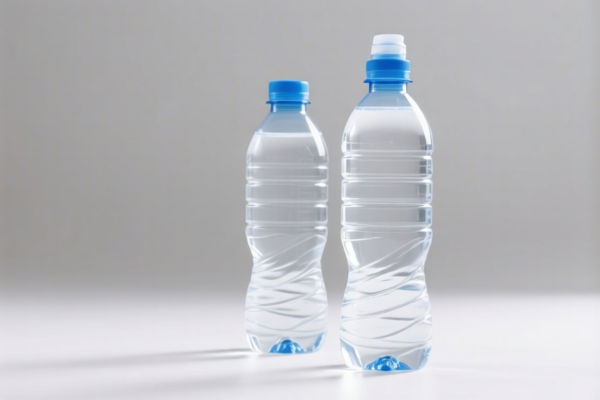
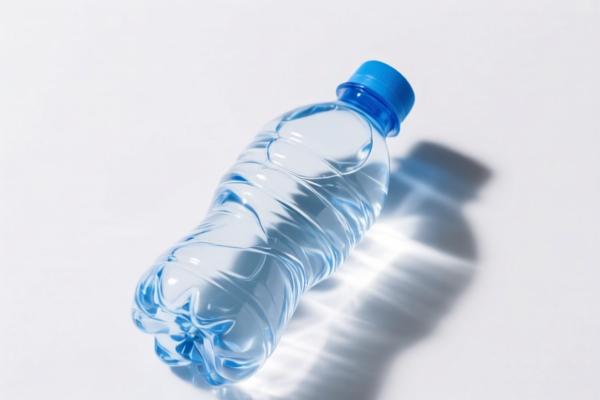
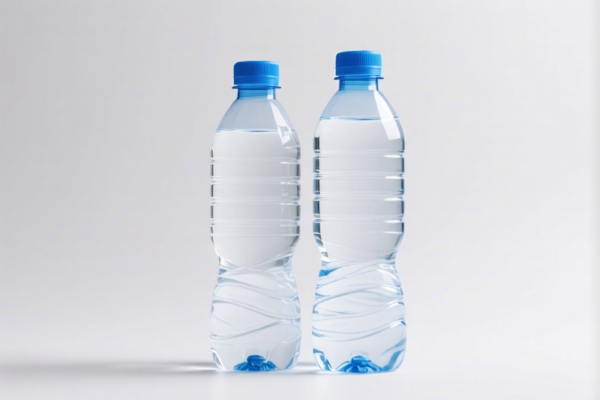
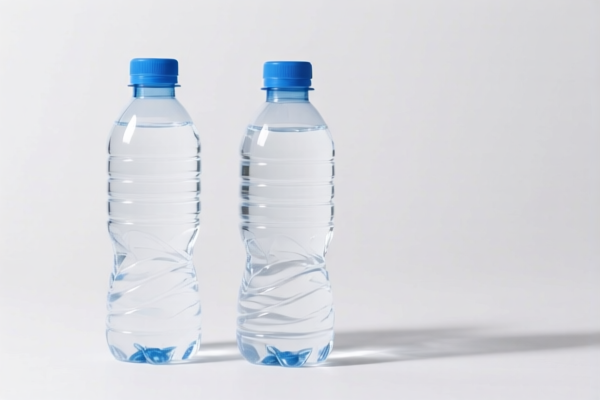
AI分析
💧 Water Bottles: HS Code Classification & US Customs Clearance Guide | 2026 Tax Rate Breakdown
🌐 HS Code Reference & Customs Clearance Guide | 2026 Latest Tariff Analysis | Professional Clearance Strategy
📌 One Product, Four Classifications: Why Material Matters
Water bottles are a deceptively simple product in international trade. However, US Customs and Border Protection (CBP) classifies them strictly based on material composition and intended use. Misclassification can lead to severe financial penalties, as tariff rates vary drastically from 13.4% to 40.7%.
Below is the detailed breakdown for Water Bottles imported into the USA from China.
⚠️ Critical Distinction:
- Aluminum vs. Plastic vs. Glass: Each material falls under a completely different HS Code chapter.
- Container Type: "Drinking vessel" (glass) vs. "Container" (aluminum/plastic) triggers different duty structures.
- 122 Terms Tariff: A specific 10% additional tariff applies to most of these goods under US trade policies.
📦 Section 1: HS Code Classification Matrix (2026 Latest Tariff)
The following table maps the four specific HS Codes provided in the data to their respective product types, materials, and tax structures.
| HS Code | Material & Description | Summary (Chinese) | Total Tax Rate | Tax Breakdown |
|---|---|---|---|---|
| 7612.90.10.90 | Aluminum Water Bottles (< 20L capacity) | 铝制水瓶,容量20升以下 | 40.7% | Base: 5.7% Section 301: 25.0% Section 122: 10% |
| 7612.90.50.00 | Aluminum Containers/Vessels | 铝制容器类水瓶 | 35.0% | Base: 0.0% Section 301: 25.0% Section 122: 10% |
| 3924.10.40.00 | Plastic Water Bottles (Tableware/Home) | 塑料制水瓶,属于餐具/家居用品 | 13.4% | Base: 3.4% Section 301: 0.0% Section 122: 10% |
| 3924.10.20.00 | Plastic Containers/Vessels | 塑料制盛器/容器类水瓶 | 24.0% | Base: 6.5% Section 301: 7.5% Section 122: 10% |
| 7013.49.20.90 | Glass Water Bottles (Table/Kitchen Use) | 玻璃制水瓶,用于餐桌或厨房场景 | 40.0% | Base: 22.5% Section 301: 7.5% Section 122: 10% |
💰 Section 2: Detailed Tax Rate Analysis (US Import)
✅ Applicable Country: United States (US)
✅ Origin: China (CN)
✅ Policy Context: Includes Base Rate, Section 301 Add-on, and Section 122 (122 Terms) Tariff.
🎯 1. Aluminum Bottles: The High-Tax Trap
Aluminum water bottles are subject to high base duties combined with the standard 25% Section 301 tariff and 10% Section 122 tariff.
A. 7612.90.10.90 – Specific Aluminum Water Bottles
- Base Rate: 5.7%
- Section 301 (Add-on): +25.0%
- Section 122 (Add-on): +10.0%
- Total Effective Rate: 40.7%
- Why so high? Even though the base rate is low, the cumulative effect of the 301 and 122 tariffs pushes the total cost significantly. This code is specific to "water bottles," implying a direct drinking vessel.
B. 7612.90.50.00 – Other Aluminum Containers
- Base Rate: 0.0%
- Section 301 (Add-on): +25.0%
- Section 122 (Add-on): +10.0%
- Total Effective Rate: 35.0%
- Differentiation: This code is for "Aluminum Containers." If your bottle is not strictly defined as a "water bottle" (e.g., a generic storage vessel), it might fall here. It is 5.7% cheaper than the specific "water bottle" classification.
🎯 2. Plastic Bottles: The Lowest Tax Option
Plastic bottles enjoy the most favorable tax treatment, especially if classified correctly as tableware/home goods.
A. 3924.10.40.00 – Plastic Water Bottles (Tableware/Home)
- Base Rate: 3.4%
- Section 301 (Add-on): 0.0% 🚀 (Key Benefit!)
- Section 122 (Add-on): +10.0%
- Total Effective Rate: 13.4%
- Strategy: This is the lowest tax rate in the dataset. To qualify, the product must be explicitly marketed and structured as "tableware" or "home goods." The absence of the 301 tariff is the major advantage.
B. 3924.10.20.00 – Plastic Containers/Vessels
- Base Rate: 6.5%
- Section 301 (Add-on): +7.5%
- Section 122 (Add-on): +10.0%
- Total Effective Rate: 24.0%
- Risk: If CBP determines your plastic bottle is a generic "container" rather than "tableware," you lose the 301 exemption, and the rate jumps from 13.4% to 24.0%.
🎯 3. Glass Bottles: The High Base Rate Challenge
Glass bottles have the highest base rate (22.5%), making them expensive to import despite a lower Section 301 rate.
7013.49.20.90 – Glass Table/Kitchen Ware
- Base Rate: 22.5%
- Section 301 (Add-on): +7.5%
- Section 122 (Add-on): +10.0%
- Total Effective Rate: 40.0%
- Note: While the Section 301 rate (7.5%) is lower than for aluminum (25%), the massive base rate (22.5%) results in a total tax of 40.0%, comparable to aluminum water bottles.
🛠️ Section 3: Customs Clearance Practical Advice (Avoiding Pitfalls)
✅ 1. Documentation Strategy
| Document | Requirement | Why It Matters |
|---|---|---|
| Commercial Invoice | Must specify Material (Aluminum/Plastic/Glass) and Function (Drinking Vessel vs. Storage Container). | CBP uses this to select the HS Code. Ambiguity leads to audits. |
| Product Description | Use precise terms: "Plastic Water Bottle for Tableware Use" vs. "Aluminum Storage Container." | Helps justify lower tax codes (e.g., 3924.10.40.00). |
| Photos | Clear images of the bottle, including logo, capacity markings, and material texture. | Proves material composition. |
| Origin Certificate | Confirm China origin. | Triggers Section 301 and 122 tariffs. |
✅ 2. Classification Strategy & Tax Optimization
🔥 Golden Rule: "Material Defines the Code, Use Defines the Rate."
| Scenario | Recommended HS Code | Tax Rate | Reasoning |
|---|---|---|---|
| Plastic Bottle marketed as "Sports/Home" | 3924.10.40.00 |
13.4% | ✅ Best Option: No Section 301 tariff. Must be clearly "tableware." |
| Plastic Bottle marketed as "Generic Container" | 3924.10.20.00 |
24.0% | ⚠️ Risk: If "tableware" claim is weak, CBP may enforce this higher rate. |
| Aluminum Bottle (Generic) | 7612.90.50.00 |
35.0% | ✅ Better than 40.7%: Avoids the specific "water bottle" label if possible. |
| Aluminum Bottle (Specific "Water Bottle") | 7612.90.10.90 |
40.7% | ❌ Highest Risk: Full 301 + 122 + Base 5.7%. |
| Glass Bottle (Kitchen/Table Use) | 7013.49.20.90 |
40.0% | ❌ High Base Cost: 22.5% base rate is unavoidable. |
✅ 3. Common Errors & Penalties
❌ Error 1: Declaring a Glass Bottle as "Plastic" to save tax.
👉 Consequence: CBP inspection will reveal the material. Smuggling penalty + Back Taxes.
❌ Error 2: Declaring an Aluminum Bottle as "Plastic" due to powder coating.
👉 Consequence: Material test required. Delay in clearance + Storage Fees.
❌ Error 3: Ignoring the "Section 122" Tariff.
👉 Consequence: All these items carry a 10% add-on tariff. Failing to account for it in pricing leads to profit erosion.
❌ Error 4: Using "Water Bottle" for Plastic Items to get 3924.10.40.00.
👉 Consequence: If the design is industrial/storage-focused, CBP may reclassify to 3924.10.20.00 (24.0%). Ensure marketing emphasizes "Tableware/Home Use."
🌍 Section 4: Global Market Comparison (2026)
| Country | Primary HS Code | Est. Total Tax (China Origin) | Key Requirement |
|---|---|---|---|
| 🇺🇸 USA | Varies by Material (See Above) | 13.4% – 40.7% | Section 301 & 122 Tariffs Apply. Strict Material Testing. |
| 🇨🇳 China (Import) | 3924.10 / 7612.90 / 7013.49 | ~5-10% (No Section 301/122) | CCC Certification for certain plastics. |
| 🇪🇺 EU | 3924 / 7612 / 7013 | 0-6% (No Add-ons) | EPR Registration (Germany/France), LFGB Compliance. |
| 🇬🇧 UK | 3924 / 7612 / 7013 | 0-6% (Post-Brexit) | UKCA Marking (if applicable), Import Duty Relief. |
📌 Conclusion:
The USA is the most expensive market for water bottles due to Section 301 and 122 tariffs.
- Plastic (3924.10.40.00) is the most tariff-efficient material.
- Aluminum and Glass face heavy punitive tariffs.
📌 Section 5: Final Action Plan
- Choose Plastic if Possible: If your product line allows, prioritize Plastic Water Bottles classified as Tableware/Home Goods (
3924.10.40.00) for the 13.4% rate. - Optimize Aluminum Naming: For aluminum, try to classify as "Container" (
7612.90.50.00) rather than "Water Bottle" to save 5.7% (35% vs 40.7%). - Prepare for 122 Tariff: Budget for the additional 10% Section 122 tariff on all items.
- Submit for Advance Ruling: For high-volume shipments, submit an Advance Ruling Request to CBP to lock in the HS Code and avoid retroactive penalties.
📣 Immediate Action:
📞 Consult a Customs Broker: Provide product photos and material specs.
📝 Review Invoice Descriptions: Ensure "Tableware" or "Container" keywords are used strategically.
🚀 Plan for Tariffs: Include the 10-25% additional duties in your FOB/CIF pricing.
✨ Professional Clearance Starts with Accurate Classification!
💼 Every Percentage Point of Tariff is a Percentage Point of Profit.
用户评价
关于 HS 编码归类
协调制度(HS)是由世界海关组织(WCO)制定的国际贸易商品分类标准。全球 200 多个国家采用 HS 系统作为海关关税、贸易统计和进出口监管的基础。
每个 HS 编码遵循以下层级结构:
- 章(2 位)——商品大类(例如:第 84 章:机器和机械设备)
- 品目(4 位)——章内的更具体分类
- 子目(6 位)——国际通用细分,所有 WCO 成员国统一使用
- 本国细分(8-10 位)——各国自行扩展的细分编码,如美国 HTSUS 10 位编码
正确的 HS 编码归类对于顺利通关、准确缴纳关税和遵守贸易法规至关重要。错误归类可能导致海关延误、多缴关税或罚款。
从CN进口到US时,适用的关税税率可能包括:
- 最惠国(MFN)税率——适用于 WTO 成员国的标准关税税率
- 普通税率——适用于无贸易协定国家
- 贸易救济关税——附加关税,如 301 条款(反倾销)、232 条款(国家安全)或反补贴税
本页内容仅供参考。如需正式归类,请咨询当地海关或持牌报关代理。