water buffalo leather for car interior
CN → US| HS编码 | 关税税率 | 原产国 | 目的国 | 文档 |
|---|---|---|---|---|
| 4104113060 | 12.4% | CN | US | 官方文档 |
| 4107114000 | 12.5% | CN | US | 官方文档 |
| 4107124000 | 12.5% | CN | US | 官方文档 |
| 4104413060 | 12.4% | CN | US | 官方文档 |
| 4106910000 | 38.3% | CN | US | 官方文档 |
商品图片
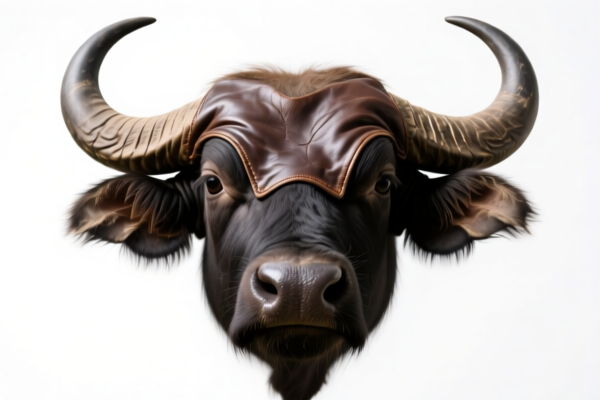
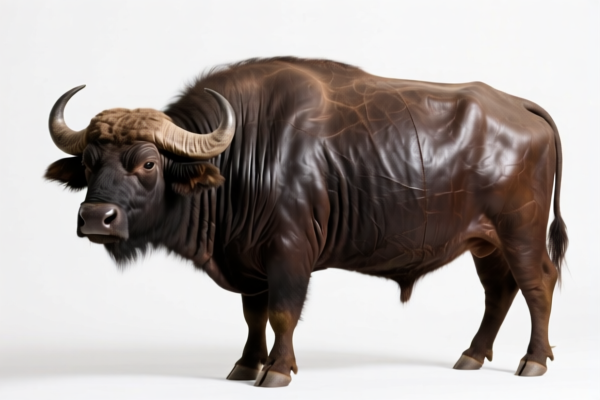
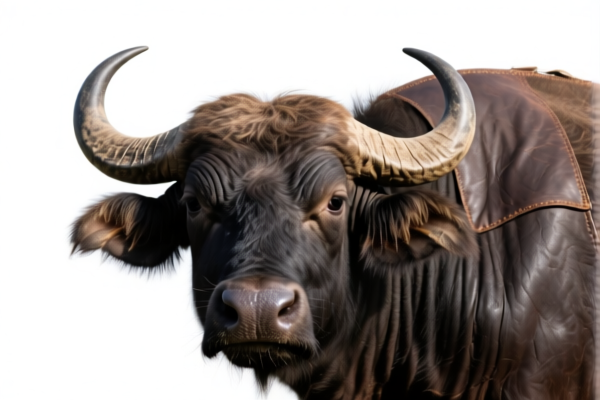
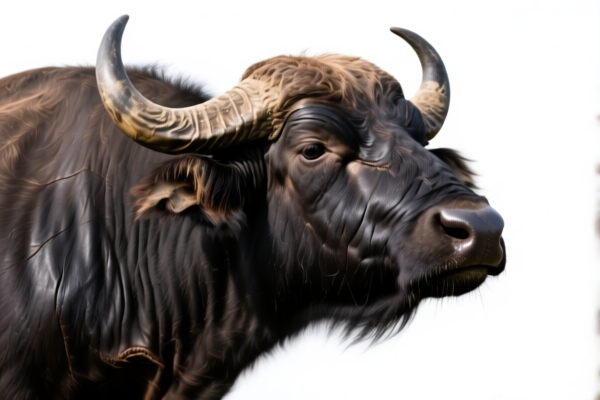
AI分析
🐃 Water Buffalo Leather for Car Interior
🚗 Premium Automotive Upholstery Material Classification & Clearance Guide
🌐 HS Code Reference & Customs Clearance Guide | 2026 Latest Tariff Analysis | Professional Compliance Strategy
📌 I. Product Definition & Classification: Understanding Automotive Tanned Hides
Water buffalo leather intended for automotive interiors falls under Chapter 41: Raw Hides and Skins; Leather. The classification hinges on two critical factors: 1. Processing State: Is it simply tanned (Chapter 4104) or further worked/prepared (Chapter 4107/4106)? 2. Animal Type: Specifically Water Buffalo or Horse skin.
⚠️ Key Distinction:
- Tanned but not further worked (e.g., basic curing, simple tanning) → Chapter 4104 or 4106.
- Further Worked (e.g., buffed, pigmented, coated, finished for upholstery) → Chapter 4107.
- Not Shoe Uppers: Must explicitly state "Not for shoe uppers" to avoid misclassification under 4104.11/4104.41.
📦 II. HS Code Classification Details (2026 Latest Tariff Authority Mapping)
Based on the provided data, here are the precise HS Codes for water buffalo/horse leather for car interiors:
| HS Code | Product Description | Processing State | Key Characteristics |
|---|---|---|---|
4104.11.30.60 |
Tanned water buffalo/horse leather, unsplit | Basic Tanning | Not for shoe uppers; suitable for automotive interior base |
4104.41.30.60 |
Tanned water buffalo/horse leather, split | Basic Tanning | Not for shoe uppers; split grain for upholstery |
4107.11.40.00 |
Further worked water buffalo/horse leather | Further Worked | Pigmented, coated, or finished for automotive use |
4107.12.40.00 |
Further worked water buffalo/horse leather | Further Worked | Specific processing state meeting automotive standards |
4106.91.00.00 |
Other tanned hides, not further worked | Crude Tanning | General other animal leather; basic tanning only |
🔍 Critical Note:
- Codes4104.11.30.60and4104.41.30.60are for tanned but not further worked leathers.
- Codes4107.11.40.00and4107.12.40.00are for further worked leathers (e.g., surface treatment for durability/color).
- Code4106.91.00.00is a residual category for other tanned hides not elsewhere specified, often carrying higher penalties.
💰 III. 2026 Latest Tariff Rate Breakdown (Including Surcharges)
✅ Applicable Country: United States (US)
✅ Origin: China (CN)
✅ Effective Date: Current tariffs apply (including Section 301 & 122)
🎯 1. Basic Tanned Leather (Chapters 4104)
Applicable HS Codes: 4104.11.30.60, 4104.41.30.60
| Item | Details |
|---|---|
| Base Tariff | 2.4% (Ad Valorem) |
| Section 301 Surcharge | 0.0% (Specific list exclusion or low-tier rate for this subheading) |
| Section 122 Tariff | +10% (Specific regulatory surcharge) |
| Total Effective Rate | 12.4% |
| Tax Calculation | CIF Value × 12.4% |
| De Minimis Exemption | ❌ Not Applicable (Commercial goods) |
📌 Explanation:
- The base tariff is low (2.4%), but the Section 122 surcharge of 10% significantly increases the cost.
- Note: These codes assume the leather is not further worked beyond basic tanning. If further worked, it moves to Chapter 4107.
🎯 2. Further Worked Leather (Chapter 4107)
Applicable HS Codes: 4107.11.40.00, 4107.12.40.00
| Item | Details |
|---|---|
| Base Tariff | 2.5% (Ad Valorem) |
| Section 301 Surcharge | 0.0% |
| Section 122 Tariff | +10% |
| Total Effective Rate | 12.5% |
| Tax Calculation | CIF Value × 12.5% |
| De Minimis Exemption | ❌ Not Applicable |
📌 Explanation:
- Slightly higher base tariff (2.5%) due to "further worked" status.
- The Section 122 surcharge remains 10%.
- Total: 12.5%. This is the typical rate for finished automotive leather (pigmented/coated).
🎯 3. Other Tanned Hides (Chapter 4106)
Applicable HS Code: 4106.91.00.00
| Item | Details |
|---|---|
| Base Tariff | 3.3% (Ad Valorem) |
| Section 301 Surcharge | +25.0% (High penalty tier) |
| Section 122 Tariff | +10% |
| Total Effective Rate | 38.3% |
| Tax Calculation | CIF Value × 38.3% |
| De Minimis Exemption | ❌ Not Applicable |
📌 Explanation:
- ⚠️ High Risk Category: This code applies if the leather is not further worked but does not fit the specific descriptions of 4104.11/4104.41 (e.g., if it’s not water buffalo/horse, or if it’s misclassified).
- The 25% Section 301 surcharge makes this code prohibitively expensive. Avoid this classification if possible.
🛠️ IV. Practical Customs Clearance Advice (Avoiding Pitfalls)
✅ 1. Required Documentation Checklist
| Document | Mandatory | Notes |
|---|---|---|
| ✅ Commercial Invoice | ✔️ | Must specify "Water Buffalo Leather for Automotive Interior" |
| ✅ Packing List | ✔️ | Detail number of hides/skins, weight, dimensions |
| ✅ Product Specification Sheet | ✔️ | Confirm tanning process (basic vs. further worked) |
| ✅ Certificate of Origin (CO) | ✔️ | Essential for tariff verification |
| ✅ Material Safety Data Sheet (MSDS) | ✔️ | If chemicals were used in tanning/finishing |
| ✅ Photographs | ✔️ | Show texture, finish, and labeling |
✅ 2. Declaration Best Practices
🔥 Golden Rule:
"Be precise on processing state. 'Further worked' means 12.5%, 'Basic tanning' means 12.4%, but 'Misclassified' means 38.3%!"
| Scenario | Correct HS Code | Reason |
|---|---|---|
| Basic Tanned, Unsplit | 4104.11.30.60 |
Not for shoe uppers; basic tanning |
| Basic Tanned, Split | 4104.41.30.60 |
Not for shoe uppers; split grain |
| Finished/Coated (Automotive) | 4107.11.40.00 or 4107.12.40.00 |
Further worked for interior use |
| Generic Tanned (Risk) | 4106.91.00.00 |
Only if it doesn’t fit 4104/4107; avoid! |
✅ 3. Special Cases & Tips
| Situation | Recommendation |
|---|---|
| OEM Custom Leather | Provide sample photos and finish specification to justify 4107 classification. |
| Leather with Padding/Lining | If combined with other materials (e.g., foam, fabric), consult HTS for Chapter 39 or 60. |
| Small Samples | Still subject to commercial tariffs; no de minimis exemption for leather. |
| Disputed Classification | File a Binding Ruling Request with CBP before shipment to lock in the 12.4%/12.5% rate. |
🌍 V. Global Market Comparison (2026)
| Country/Region | Recommended HS Code | Tariff Rate | Remarks |
|---|---|---|---|
| 🇺🇸 USA | 4107.11.40.00 |
12.5% | Includes Section 122 surcharge. High risk for 4106 (38.3%). |
| 🇨🇳 China | 4107.11.40.00 |
8.0% | Lower base tariff; no Section 301/122 for imports. |
| 🇪🇺 EU | 4107.11.40.00 |
6.5% | Standard MFN rate; no additional surcharges. |
| 🇬🇧 UK | 4107.11.40.00 |
6.5% | Post-Brexit tariff alignment with EU. |
📌 Conclusion:
- The USA has the highest complexity due to Section 122 and potential Section 301 surcharges.
- Proper classification is critical to avoid the 38.3% trap.
📌 VI. Common Mistakes & Pitfalls (Lessons Learned)
❌ Mistake 1: Classifying finished automotive leather as 4106.91.00.00
👉 Consequence: 38.3% tariff instead of 12.5% → Extra cost of ~25.8% on CIF value.
❌ Mistake 2: Not specifying "Not for Shoe Uppers" in 4104 codes
👉 Consequence: Customs may reject the classification or demand additional proof → Delay & Inspection.
❌ Mistake 3: Using generic "Leather" in description
👉 Consequence: Customs may assign the highest duty rate of the similar goods → Risk of Audit.
✅ Correct Description Example:
"Water Buffalo Tanned Leather, Further Worked, Pigmented Finish, Specifically for Automotive Interior Upholstery, Not for Shoe Uppers. HS Code: 4107.11.40.00"
🎯 VII. Conclusion: Professional Clearance for Cost Efficiency
🎯 Remember the Tariff Formula:
🔹 Basic Tanning: 2.4% + 10% (Sec 122) = 12.4%
🔹 Further Worked: 2.5% + 10% (Sec 122) = 12.5%
🔹 Misclassified: 3.3% + 25% (Sec 301) + 10% (Sec 122) = 38.3%📌 Actionable Tip:
- Always provide finish specifications (e.g., "pigmented," "aniline") to justify Chapter 4107.
- If unsure, apply for a Pre-Ruling from CBP to secure the 12.5% rate.
- Never use4106.91.00.00for standard automotive leather unless it genuinely doesn’t fit other categories.
📣 Immediate Action:
📞 Engage a Customs Broker to verify the "further worked" status.
🚀 Prepare Technical Data Sheets to support the 12.5% classification.
💼 Your Profit Margin Depends on Precision!
✨ Professional Clearance Starts with Accurate Classification!
💼 Every Percent Saved is Pure Profit!
用户评价
关于 HS 编码归类
协调制度(HS)是由世界海关组织(WCO)制定的国际贸易商品分类标准。全球 200 多个国家采用 HS 系统作为海关关税、贸易统计和进出口监管的基础。
每个 HS 编码遵循以下层级结构:
- 章(2 位)——商品大类(例如:第 84 章:机器和机械设备)
- 品目(4 位)——章内的更具体分类
- 子目(6 位)——国际通用细分,所有 WCO 成员国统一使用
- 本国细分(8-10 位)——各国自行扩展的细分编码,如美国 HTSUS 10 位编码
正确的 HS 编码归类对于顺利通关、准确缴纳关税和遵守贸易法规至关重要。错误归类可能导致海关延误、多缴关税或罚款。
从CN进口到US时,适用的关税税率可能包括:
- 最惠国(MFN)税率——适用于 WTO 成员国的标准关税税率
- 普通税率——适用于无贸易协定国家
- 贸易救济关税——附加关税,如 301 条款(反倾销)、232 条款(国家安全)或反补贴税
本页内容仅供参考。如需正式归类,请咨询当地海关或持牌报关代理。