western red cedar wood outdoor use
CN → US| HS编码 | 关税税率 | 原产国 | 目的国 | 文档 |
|---|---|---|---|---|
| 4407190068 | 35.0% | CN | US | 官方文档 |
| 4407190069 | 35.0% | CN | US | 官方文档 |
商品图片
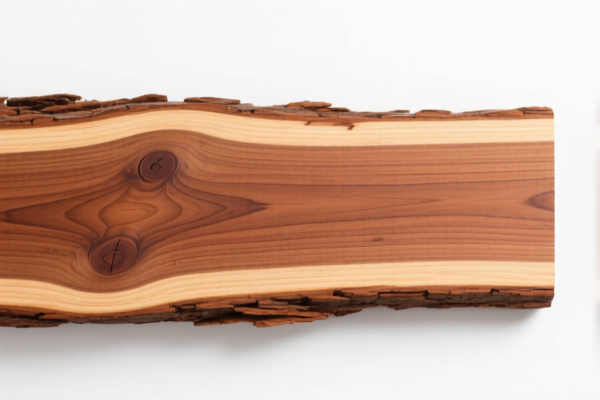
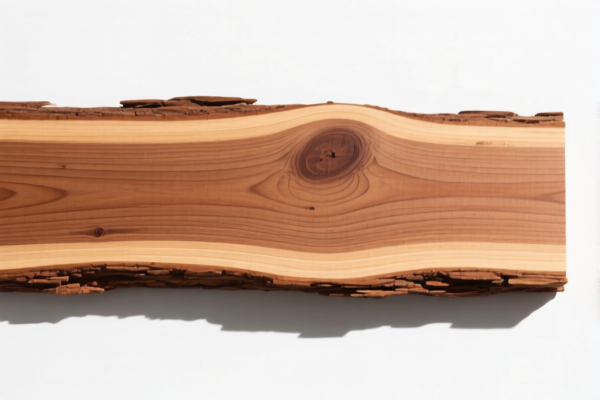
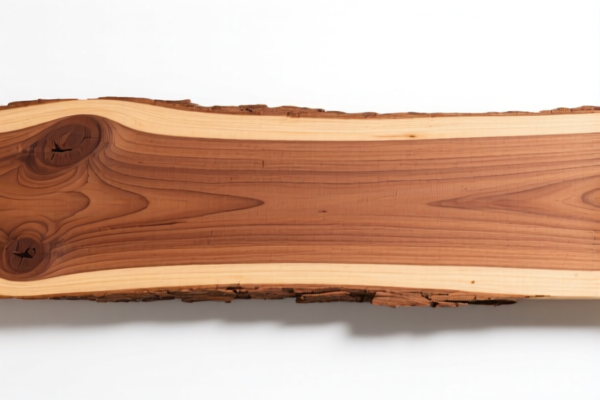
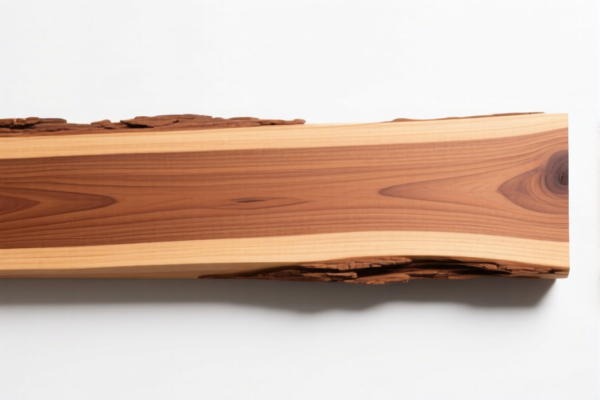
AI分析
🌲 Western Red Cedar for Outdoor Use (Wood Sawn Lengthwise)
🌐 HS Code Reference & Customs Clearance Guide | 2026 Latest Tariff Analysis | Professional-Level Clearance Strategy
📌 1. Product Definition & Classification: Do You Really Understand "Western Red Cedar"?
Western Red Cedar is a premier softwood known for its natural resistance to rot, decay, and insects, making it ideal for outdoor applications such as decking, siding, fencing, and garden structures. In international trade, specifically under Chapter 44, this product is classified based on its processing method and thickness.
For outdoor use, the wood is typically "Not treated" (untreated) because the natural oils provide sufficient protection, or it may be lightly finished. However, for customs classification purposes, the key distinction lies in whether it is "Rough" (unplaned, unsanded, or end-jointed) or "Other" (planed, sanded, or end-jointed).
⚠️ Key Distinction Point:
- If the wood is uneven, unplaned, and lacks smooth surface finish → It is considered "Rough" and falls under 4407.19.00.68.
- If the wood is smooth, planed, sanded, or precision-cut (even if still for outdoor use) → It is classified as "Other" and falls under 4407.19.00.69.
- Thickness Matters: Both codes apply only to wood with a thickness exceeding 6 mm. If it is ≤6 mm, it may fall under Chapter 4401 or 4408, which are not covered in this specific data set.
📦 2. HS Code Classification Details (2026 Latest Tariff Authority Comparison)
| HS Code | Product Description | Application Scenario | Surface Finish |
|---|---|---|---|
4407.19.00.68 |
Western Red Cedar: Rough | Outdoor beams, rustic decking, unprocessed logs, structural timber | ❌ No (Rough-sawn) |
4407.19.00.69 |
Western Red Cedar: Other | Outdoor decking, siding, fencing, cabinetry, finished boards | ✅ Yes (Planed/Sanded) |
🔍 Important Reminder:
- "Rough" implies the wood has been sawn or chipped lengthwise but has not been planed, sanded, or end-jointed.
- "Other" includes all finished or semi-finished cedar wood, even if intended for outdoor use. The treatment status (untreated) is consistent for both, but the physical finish dictates the code.
- Coniferous: Western Red Cedar is a coniferous tree, so it falls under the "Coniferous" subheading.
💰 3. 2026 Latest Tariff Rate Details (Including Surtax & Policy Surcharge)
✅ Applicable Country: United States (US)
✅ Origin: China (CN)
✅ Effective Date: 2025 November 10 (Includes subsequent imports)
🎯 1. 4407.19.00.68 —— Western Red Cedar: Rough
| Item | Content |
|---|---|
| Base Tariff Rate | 0.0% (ad valorem) |
| Additional Surcharge | 25.0% |
| Total Tariff Rate | 25.0% |
| Tax Calculation | CIF Value × 25% |
| De Minimis Exemption | ❌ Not Eligible (Apply de_minimis: false) |
| Legal Basis Path | 4407.19.00.68 → Base: 0% → Surcharge: 25% |
📌 Explanation:
- The base tariff of 0% reflects the standard Most Favored Nation (MFN) rate for certain timber products.
- The 25% surcharge is likely a retaliatory tariff or a specific section 301 tariff applicable to Chinese-origin wood products.
- Total 25% is a significant cost factor that must be factored into landed cost calculations.
🎯 2. 4407.19.00.69 —— Western Red Cedar: Other
| Item | Content |
|---|---|
| Base Tariff Rate | 0.0% (ad valorem) |
| Additional Surcharge | 25.0% |
| Total Tariff Rate | 25.0% |
| Tax Calculation | CIF Value × 25% |
| De Minimis Exemption | ❌ Not Eligible (Apply de_minimis: false) |
| Legal Basis Path | 4407.19.00.69 → Base: 0% → Surcharge: 25% |
📌 Note:
- Both "Rough" and "Other" categories for Western Red Cedar carry the same total tariff of 25%.
- This means the physical finish (planed vs. rough) does not affect the tariff rate in this specific scenario, but it does affect the HS Code, which is crucial for customs documentation accuracy.
- De Minimis Exemption is Denied: Small shipments (under $800) cannot bypass these tariffs. This is a critical risk for e-commerce or small-batch exporters.
🛠️ 4. Customs Clearance Practical Advice (Real-World Pitfall Avoidance)
✅ 1. Document Checklist (All Are Mandatory)
| Document | Must Provide | Notes |
|---|---|---|
| ✅ Product Specification Sheet | ✔️ | Must specify species (Western Red Cedar), thickness (>6mm), and treatment status (Untreated). |
| ✅ Product Photos | ✔️ | Clear images showing surface finish (Rough vs. Planed) to support HS Code selection. |
| ✅ Commercial Invoice | ✔️ | Must clearly state "Western Red Cedar Wood" and "For Outdoor Use" (though "For Outdoor Use" is not a customs term, it helps identify end-use). |
| ✅ Packing List | ✔️ | Details dimensions, weight, and number of pieces. |
| ✅ Phytosanitary Certificate | ✔️ | Required for all wood products to confirm freedom from pests and diseases. |
| ✅ Bill of Lading/Air Waybill | ✔️ | Standard shipping documents. |
✅ 2. Declaration Tips (Key Mantra)
🔥 "Rough or Smooth? Finish Determines Code. 25% Tax is Inevitable. De Minimis Does NOT Apply!"
| Scenario | Correct Declaration | Wrong Practice |
|---|---|---|
| Unplaned, uneven surface | 4407.19.00.68 (Rough) |
Misdeclaring as "Other" → Potential audit for misclassification. |
| Planed, sanded, smooth surface | 4407.19.00.69 (Other) |
Misdeclaring as "Rough" → Unnecessary documentation mismatch. |
| Wood ≤6 mm thick | NOT Covered in This Data | Forcing into 4407.19 → Rejection/Refund. Check Chapter 4401/4408. |
| Treated/Painted Cedar | NOT Covered in This Data | This data specifies "Not treated". Treated wood may have different HS codes or restrictions. |
✅ 3. Special Situation Handling
| Situation | Handling Advice |
|---|---|
| Mixed Shipments (Rough + Planed) | Split the Declaration! Declare rough wood under 68 and planed wood under 69. Do not mix them under one code unless the rate and documentation are identical and the customs broker agrees. |
| Small Batches (Under $800) | Warning: Since deny_de_minimis is false for these codes, small shipments WILL be taxed at 25%. Do not assume de minimis exemption. |
| Western Red Cedar vs. Other Cedars | Ensure the scientific name is Thuja plicata. Other "cedars" (like African Cedar) may have different HS codes. |
| End-Jointed Boards | If the wood is end-jointed, it is likely classified as "Other" (69), not "Rough". |
🌍 5. Global Major Market Clearance Comparison (2026 Latest)
| Country/Region | Recommended HS Code | Tariff | Certification Requirements | Notes |
|---|---|---|---|---|
| 🇺🇸 USA | 4407.19.00.68 / 69 |
25% | None (but Phytosanitary Cert required) | High tariff impact. No de minimis. |
| 🇨🇳 China | 4407.19.00.68 / 69 |
Varies | None | Check latest China Customs tariff schedule. |
| 🇪🇺 EU | 4407.10.90 (approx.) |
0% | FSC/PEFC Certification (Voluntary but recommended) | EU has strict timber regulations (EUTR). |
| 🇬🇧 UK | 4407.10.90 (approx.) |
0% | UK Timber Regulations | Post-Brexit rules apply. |
📌 Conclusion:
- The 25% tariff in the US is the primary cost driver for Western Red Cedar imported from China.
- Accurate classification between "Rough" and "Other" is essential for compliance, even though the tariff rate is the same.
- Phytosanitary certificates are non-negotiable for wood products entering any major market.
📌 6. Common Errors & Pitfall Guide (Lessons Learned)
❌ Error 1: Assuming "Outdoor Use" changes the HS Code
👉 Consequence: Customs focuses on processing level (rough vs. planed), not end-use. Misdeclaration can lead to delays.
❌ Error 2: Declaring all cedar as "Rough" to simplify
👉 Consequence: If the wood is planed, it will be flagged as "Other". This discrepancy can trigger audits.
❌ Error 3: Assuming de minimis exemption for small shipments
👉 Consequence: 25% tax will still be charged on shipments under $800. This is a major cost surprise for e-commerce sellers.
❌ Error 4: Confusing Western Red Cedar with other species
👉 Consequence: Incorrect HS code may apply if the species is misidentified. Always use the scientific name Thuja plicata.
✅ Correct Practice:
"Western Red Cedar Boards, Unfinished, Thickness >6mm, Sawn Lengthwise, Not Treated. [Specify: Rough OR Planed/Sanded]. Country of Origin: China."
🎯 7. Conclusion: Professional Declaration, Save Time & Money!
🎯 Remember the Mantra:
🔹 "Rough is 68, Other is 69. Both are 25%. De Minimis is Dead."
🔹 "Thickness >6mm is Key. Planing Determines the Code."
📌 Tips:
If your Western Red Cedar is treated (painted, stained, or pressure-treated), it may NOT fall under this "Not treated" classification. Check for alternative HS codes (e.g.,
4407.19.00.80or similar, depending on treatment type).
For US imports, consider Advance Rulings to confirm the exact classification and tariff liability before shipping.
📣 Immediate Action:
📞 Contact a professional customs broker + Provide product photos (showing surface finish) + Verify Phytosanitary Certificate availability
🚀 Ensure your Western Red Cedar clears customs smoothly, avoids 25% tax surprises, and meets all regulatory requirements.
✨ Professional Clearance, Starting with Precise Classification!
💼 Every dollar of cost deserves precise calculation!
用户评价
关于 HS 编码归类
协调制度(HS)是由世界海关组织(WCO)制定的国际贸易商品分类标准。全球 200 多个国家采用 HS 系统作为海关关税、贸易统计和进出口监管的基础。
每个 HS 编码遵循以下层级结构:
- 章(2 位)——商品大类(例如:第 84 章:机器和机械设备)
- 品目(4 位)——章内的更具体分类
- 子目(6 位)——国际通用细分,所有 WCO 成员国统一使用
- 本国细分(8-10 位)——各国自行扩展的细分编码,如美国 HTSUS 10 位编码
正确的 HS 编码归类对于顺利通关、准确缴纳关税和遵守贸易法规至关重要。错误归类可能导致海关延误、多缴关税或罚款。
从CN进口到US时,适用的关税税率可能包括:
- 最惠国(MFN)税率——适用于 WTO 成员国的标准关税税率
- 普通税率——适用于无贸易协定国家
- 贸易救济关税——附加关税,如 301 条款(反倾销)、232 条款(国家安全)或反补贴税
本页内容仅供参考。如需正式归类,请咨询当地海关或持牌报关代理。