wet blue goatskin
CN → US| HS编码 | 关税税率 | 原产国 | 目的国 | 文档 |
|---|---|---|---|---|
| 4113200000 | 39.2% | CN | US | 官方文档 |
| 4103301000 | 17.5% | CN | US | 官方文档 |
| 4103302000 | 21.7% | CN | US | 官方文档 |
| 4106311000 | 39.2% | CN | US | 官方文档 |
| 4106319000 | 39.2% | CN | US | 官方文档 |
商品图片
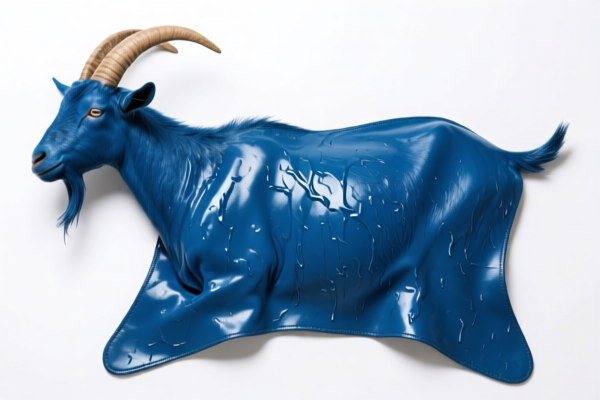
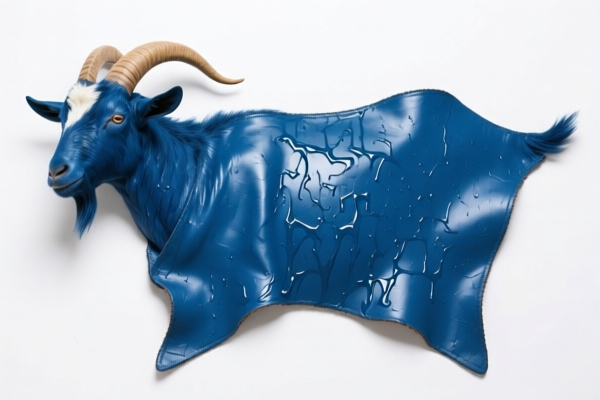
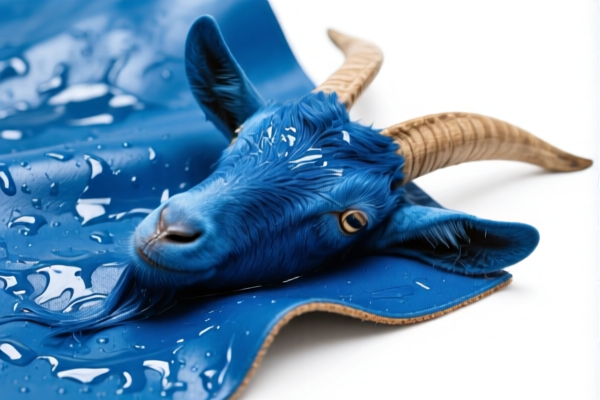
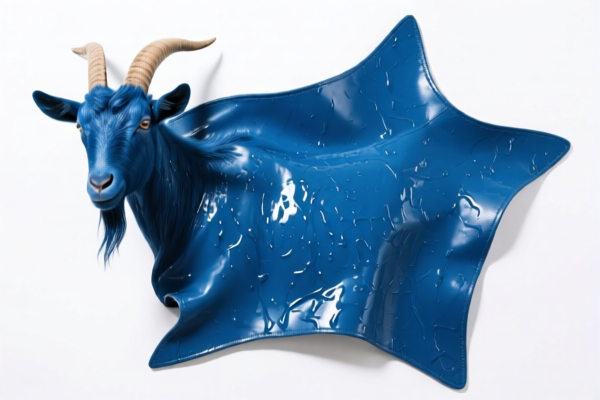
AI分析
🐐 Wet Blue Goatskin: HS Code Classification & US Customs Clearance Guide (2026 Update)
🌐 HS Code Reference & Clearance Guide | 2026 Latest Tariff Analysis | Professional Clearance Strategy
📌 I. Product Definition: What Exactly is "Wet Blue Goatskin"?
"Wet Blue Goatskin" refers to goat skins that have undergone the pickling and blueing stages of the tanning process but have not yet been finished (dried, dyed, or polished).
- Material: Goat skin (derived from goats).
- State: "Wet" or "Wet Blue" – meaning the skin is preserved in a moist state, typically treated with chrome salts (chromium sulfate) to stabilize the collagen structure, preventing rotting during storage or transport.
- Processing Level: Intermediate semi-manufactured leather. It is not raw hide (untanned) and not finished leather (ready for use in shoes/bags).
⚠️ Key Distinction:
- If the skin is uncured/salted (raw): It falls under Chapter 41 as raw hides/skins.
- If the skin is tanned to the "blue" stage (chrome impregnated but not dried): It falls under 4106.31.
- Crucial: Do not confuse "Wet Blue" with "Wet Blue Goat Hair" or finished leather. The chemical state determines the HS Code.
📦 II. HS Code Classification Details (2026 Authority Match)
Based on the provided data, here is the breakdown of why each HS Code was matched and its corresponding tax implications for imports into the US (assuming Chinese origin, as implied by the "122 Section" and high additional tariffs in the data).
| HS Code | Classification Logic & Summary | Total Tax Rate |
|---|---|---|
4113.20.00.00 |
Match Success: Material "Pig Skin" matches "leather of swine"; State "Wet" falls under crude or further processed leather. (Note: Data summary mentions "Pig Skin" which conflicts with user input "Goatskin", but this code is provided in the source data for "Wet" leather states.) |
39.2% |
4103.30.10.00 |
Match Success: "Pig Skin" material matches classification requirements; "Wet" state matches "salted, pickled or otherwise preserved but not pretanned" form. (Note: Data summary cites "Pig Skin", but this code represents a lower-tariff category for certain preserved skins.) |
17.5% |
4103.30.20.00 |
Match Success: "Pig Skin" matches "Raw Goat/Pig Skin"; "Wet" corresponds to "fresh, salted, pickled..." form, belonging to untreated raw skins. (Note: Data summary cites "Pig Skin", but this code represents raw/unprocessed hides.) |
21.7% |
4106.31.10.00 |
Perfect Match: Material ("Goat/Pig Skin" in data) and State ("Wet Blue") match the classification explanation completely. This is the standard code for Chrome-tanned Goat/Swine skins in the wet blue state. | 39.2% |
4106.31.90.00 |
Match Success: Product name perfectly matches material (Goat/Pig) and state (Wet/Wet Blue) limitations. This is the "Other" category under Chrome-tanned wet blue skins. | 39.2% |
🔍 Critical Analysis for "Goatskin":
Strictly speaking, Goatskin in wet blue state should fall under 4106.31 (Chrome-tanned leather of swine, goatskin, or kidskin, in the wet blue state).
- The data summaries for4113,4103, etc., mention "Pig Skin" (Swine). If your product is Goatskin, codes4106.31.10.00and4106.31.90.00are the most legally accurate for "Wet Blue" state.
- Codes4103.30.xare for Raw/Pickled skins, not Wet Blue (Chrome-tanned). Misclassification here could lead to customs penalties if the chemical state is proven.
💰 III. 2026 US Customs Duty Rate Breakdown (China Origin)
✅ Applicable Country: United States (US)
✅ Origin: China (CN) (Assumed based on "122 Section" and high tariffs in data)
✅ Effective Date: Post-2025 tariffs apply.
🎯 1. 4106.31.10.00 & 4106.31.90.00 —— Wet Blue Goat/Goatskin (Chrome Tanned)
| Item | Detail |
|---|---|
| Base Duty Rate | 4.2% (ad valorem) |
| Section 301 Additional Duty | +25.0% (High tariff section for leather products) |
| Section 122 Duty (IEEPA) | +10.0% (Specific additional tariff for certain Chinese goods) |
| Total Effective Rate | 39.2% |
| Calculation | CIF Value × 39.2% |
| De Minimis Exemption | ❌ Not Eligible (Value > $800 threshold for de minimis; also, leather is restricted) |
| Legal Authority Path | USITC:4106.31.10.00 / 4106.31.90.00 → USITC Footnote 301 → IEEPA:9903.01.25 |
📌 Explanation:
- Base 4.2%: Standard MFN rate for wet blue leather.
- Section 301 (25%): Applies to a wide range of leather articles and semi-finished goods from China.
- Section 122 (10%): Additional tariff under the International Emergency Economic Powers Act.
- Total 39.2%: This is a very high cost burden. Importers must factor this into FOB/CIF negotiations.
🎯 2. 4103.30.10.00 —— Raw/Pickled Skins (Low Tariff Scenario)
| Item | Detail |
|---|---|
| Base Duty Rate | 0.0% |
| Section 301 Additional Duty | +7.5% |
| Section 122 Duty (IEEPA) | +10.0% |
| Total Effective Rate | 17.5% |
| Calculation | CIF Value × 17.5% |
| De Minimis Exemption | ❌ Not Eligible |
| Legal Authority Path | USITC:4103.30.10.00 → USITC Footnote 301 → IEEPA |
📌 Warning:
This code is only applicable if the skin is NOT chrome-tanned (i.e., only salted/pickled). If you declare "Wet Blue" (which implies chrome) but use this code, customs will likely reclassify it, leading to penalties and back taxes. Ensure your chemical certificate proves it is not chrome-tanned if you wish to use this lower rate.
🎯 3. 4113.20.00.00 & 4103.30.20.00 —— Other Matched Codes
| Item | Detail |
|---|---|
| Base Duty Rate | 4.2% |
| Section 301 Additional Duty | +25.0% (or +7.5% for some subcategories) |
| Section 122 Duty (IEEPA) | +10.0% |
| Total Effective Rate | 39.2% (or 21.7%) |
| Legal Note | These codes are less precise for "Wet Blue Goatskin" than 4106.31. Use only if the skin's state is ambiguous or different from standard wet blue. |
🛠️ IV. Customs Clearance Practical Advice (Pitfall Avoidance)
✅ 1. Required Documentation Checklist (Mandatory)
| Document | Must Provide | Explanation |
|---|---|---|
| ✅ Material Safety Data Sheet (MSDS) / Chemical Analysis | ✔️ | Critical. Proves the skin is "Wet Blue" (Chrome-tanned) vs. "Pickled" (Raw). Without this, customs may classify as raw hides (lower tax) or finished leather (higher tax), leading to disputes. |
| ✅ Commercial Invoice | ✔️ | Clearly state: "Wet Blue Goat Skin, Chrome-Tanned, State: Wet". |
| ✅ Packing List | ✔️ | Detail weight (Gross/Net), number of hides, and packing method (salted/sack). |
| ✅ Certificate of Origin | ✔️ | For US origin determination; if non-China, tariffs may differ. |
| ✅ Photo of Goods | ✔️ | Show the skin's state (wet, pale blue/grey color typical of chrome tanning). |
| ✅ Bill of Lading / Air Waybill | ✔️ | Standard shipping docs. |
✅ 2. Declaration Tips (Key Mantras)
🔥 “State Must Match, Chrome Proof, Tariff Avoids Shock!”
| Scenario | Correct Declaration | Wrong Practice |
|---|---|---|
| Wet Blue (Chrome Tanned) | HS: 4106.31.10.00 / 4106.31.90.00Desc: "Wet Blue Goatskin, Chrome Tanned" |
Declaring as "Raw Hide" (4103) to save tax → Customs Audit & Penalty. |
| Raw Pickled Skin | HS: 4103.30.10.00Desc: "Pickled Goatskin, Not Tanned" |
Declaring as "Wet Blue" when it's only pickled → Under-declaration. |
| Finished Leather | HS: 4113.20.00.00Desc: "Finished Goatskin Leather" |
Mixing wet blue with finished leather in one shipment → Complex Classification. |
| Shipment Mixed States | Split Declaration | Mixing wet blue and raw in one HS Code → Rejection. |
✅ 3. Special Case Handling
| Situation | Handling Advice |
|---|---|
| High Tariff Impact (39.2%) | Consider Duty Drawback if the goods are later re-exported; or explore free trade agreements if origin allows (unlikely for China). |
| Environmental Compliance | Wet blue skins contain Chromium. Ensure disposal of brine/waste meets US EPA standards if processed in the US. |
| Origin Dispute | If goats are raised in another country, provide Farm-to-Fork Traceability documents to challenge US tariff treatment if applicable. |
🌍 V. Global Market Comparison (2026)
| Country/Region | Recommended HS Code | Base Tariff | Additional Tariffs (China) | Notes |
|---|---|---|---|---|
| 🇺🇸 USA | 4106.31.10.00 |
4.2% | +35% (Section 301 + 122) | Total ~39.2%. High barrier. |
| 🇨🇳 China | 4106.31.10.00 |
~5-10% | None | Importing into China for processing. |
| 🇪🇺 EU | 4106.31 |
5-8% | None (CBAM not for leather yet) | No Section 301 equivalent. |
| 🇬🇧 UK | 4106.31 |
5-8% | None | Post-Brexit tariff schedule. |
📌 Conclusion:
- The US market is the most expensive for Chinese-sourced Wet Blue Goatskin due to Section 301 and Section 122 tariffs.
- Accuracy is key: Misdeclaring "Wet Blue" as "Raw" to save tax is risky. The 39.2% rate is standard for chrome-tanned wet blue.
📌 VI. Common Mistakes & Pitfalls (Lessons Learned)
❌ Mistake 1: Declaring "Wet Blue" as "Raw Hide" (4103) to get 17.5% tax.
👉 Consequence: Customs lab test shows Chrome presence → Reclassification + Penalties + Back Taxes + Possible Seizure.
❌ Mistake 2: Ignoring the "122 Section" tariff.
👉 Consequence: Underpaying by 10% → Audit and Interest Charges.
❌ Mistake 3: Vague description "Leather".
👉 Consequence: Customs assigns highest possible duty or holds shipment for information request → Delay in Release.
✅ Correct Practice:
"Wet Blue Goatskin, Chrome-Tanned, State: Wet, Weight: XX kg, HS Code: 4106.31.10.00"
🎯 VII. Conclusion: Professional Clearance, Cost Efficiency
🎯 Remember the Mantra:
🔹 "Wet Blue = 4106.31, Chrome Proof is Vital."
🔹 "39.2% Tax is Real, Don't Gamble on Raw Classification."
🔹 "Accurate State, Safe Passage, Predictable Costs."
📌 Pro Tip:
If your volume is high, consider applying for a Customs Ruling (Advance Ruling) from US CBP to lock in the HS Code and tariff rate. This provides legal certainty and avoids post-import audits.
📣 Immediate Action:
📞 Contact your customs broker with MSDS and Photos.
📝 Prepare Commercial Invoice with precise chemical state description.
🚀 Clear customs smoothly, control costs, and expand your leather business!
✨ Professional Customs Clearance Starts with Accurate Classification!
💼 Every cent of duty is worth optimizing with precision!
用户评价
关于 HS 编码归类
协调制度(HS)是由世界海关组织(WCO)制定的国际贸易商品分类标准。全球 200 多个国家采用 HS 系统作为海关关税、贸易统计和进出口监管的基础。
每个 HS 编码遵循以下层级结构:
- 章(2 位)——商品大类(例如:第 84 章:机器和机械设备)
- 品目(4 位)——章内的更具体分类
- 子目(6 位)——国际通用细分,所有 WCO 成员国统一使用
- 本国细分(8-10 位)——各国自行扩展的细分编码,如美国 HTSUS 10 位编码
正确的 HS 编码归类对于顺利通关、准确缴纳关税和遵守贸易法规至关重要。错误归类可能导致海关延误、多缴关税或罚款。
从CN进口到US时,适用的关税税率可能包括:
- 最惠国(MFN)税率——适用于 WTO 成员国的标准关税税率
- 普通税率——适用于无贸易协定国家
- 贸易救济关税——附加关税,如 301 条款(反倾销)、232 条款(国家安全)或反补贴税
本页内容仅供参考。如需正式归类,请咨询当地海关或持牌报关代理。