wet blue grain cowhide
CN → US| HS编码 | 关税税率 | 原产国 | 目的国 | 文档 |
|---|---|---|---|---|
| 4104115030 | 13.3% | CN | US | 官方文档 |
| 4104115040 | 13.3% | CN | US | 官方文档 |
| 4107114000 | 12.5% | CN | US | 官方文档 |
| 4107914000 | 12.5% | CN | US | 官方文档 |
| 4205006000 | 39.9% | CN | US | 官方文档 |
商品图片
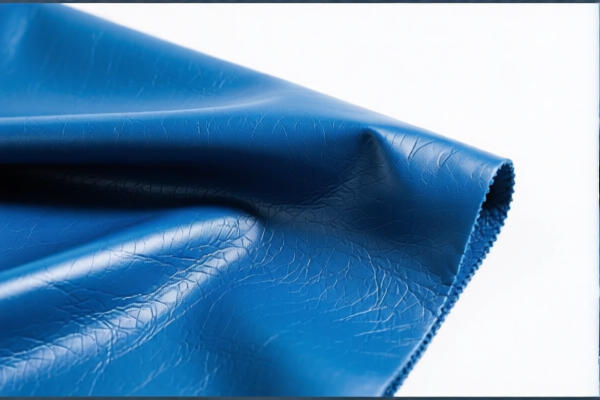
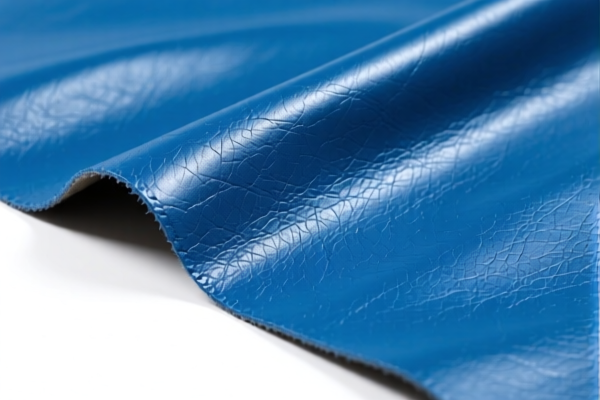
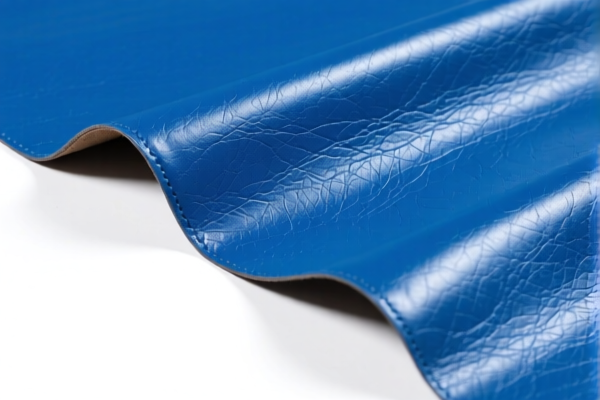
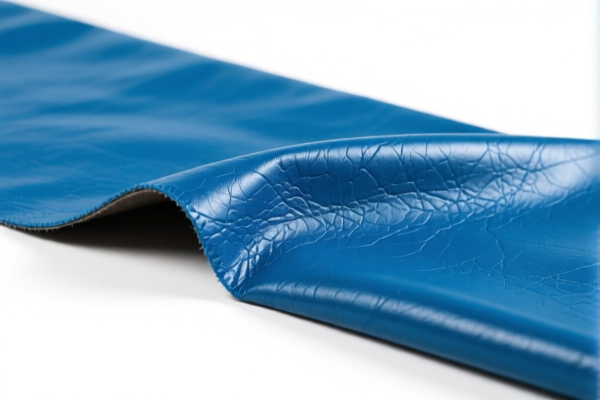
AI分析
🥩 Wet Blue Grain Cowhide: The Raw Material of Luxury Leather
🌐 HS Code Reference & Customs Clearance Guide | 2026 Latest Tariff Analysis | Professional-Level Entry Strategy
📌 I. Product Definition & Classification: What Exactly is "Wet Blue Grain Cowhide"?
Wet Blue Grain Cowhide refers to cattle hides that have undergone the tanning process (converting raw skins into durable leather) using chrome salts, resulting in a characteristic blue-ish hue ("Wet Blue"), but have not yet been dried, fatliquored, or finished for final sale. Crucially, they are classified as "Grain" (Full Grain/Nappa) rather than split skins.
In international trade, the classification hinges on two critical factors: 1. State: Are they unsplit (full thickness) or split? 2. Finish: Have they undergone further processing (e.g., dyeing, pigmenting) beyond basic wet blue tanning?
⚠️ Key Distinction:
- If the hide is unsplit and retains its natural grain surface →归入 4104.11 (Cowhide).
- If it is a split (second-layer) or further processed → It may fall under 4107 or 4205.
- Note: "Wet Blue" implies it is not fully finished leather (which would be Chapter 41 or 42 finished leather), but semi-processed.
📦 II. HS Code Classification Details (2026 Latest Tariff Authority Comparison)
Based on the provided data, here are the precise classifications for Wet Blue Grain Cowhide:
| HS Code | Product Description | Scenario | Grain Status | Further Processed? |
|---|---|---|---|---|
4104.11.50.30 |
Wet Blue Cowhide, Unsplit, classified as full grain/wet blue state | Raw material for high-end luxury goods, furniture, automotive leather | ✅ Full Thickness (Grain intact) | ❌ No (Basic wet blue only) |
4104.11.50.40 |
Wet Blue Cowhide, Split (Grain layer removed), classified as split grain/wet blue state | Material for suede, lower-tier leather goods, lining | ❌ Split (No natural grain surface on top) | ❌ No (Basic wet blue only) |
4107.11.40.00 |
Wet Blue Buffalo Half-Hide, classified as buffalo half-hide wet blue state | Specific to buffalo hides (not cow) | N/A (Buffalo) | ❌ No |
4107.91.40.00 |
Wet Blue Buffalo Half-Hide, Further Processed | Buffalo hides treated beyond basic wet blue (e.g., specific dyeing) | N/A (Buffalo) | ✅ Yes |
4205.00.60.00 |
Wet Blue Buffalo Leather for Bags/Boxes, classified as leather goods | Ready-to-use leather sheets for bag manufacturing | N/A (Buffalo) | ✅ Yes (Pre-cut/prepared for goods) |
🔍 Critical Reminder:
- Cowhide vs. Buffalo: HS Code4104applies to Cow/Cattle hides.4107and4205in this dataset apply to Buffalo hides. Misclassifying Buffalo as Cowhide can lead to severe penalties.
- "Grain" vs. "Split":4104.11.50.30is for Full Grain (highest value).4104.11.50.40is for Split (lower value). Ensure your supplier declares the correct physical state.
- "Further Processed": If the hide has been dyed, pigmented, or treated beyond standard "wet blue" tanning, it may move to4107or4205, significantly altering the tariff.
💰 III. 2026 Latest Tariff Rate Breakdown (Including Surtaxes & Policy Add-ons)
✅ Applicable Country: United States (US)
✅ Origin: China (CN)
✅ Effective Date: From November 10, 2025 (including subsequent imports)
🎯 1. 4104.11.50.30 & 4104.11.50.40 —— Wet Blue Cowhide (Unsplit & Split)
| Item | Details |
|---|---|
| Basic Tariff | 3.3% (MFN Rate) |
| Section 301 / Add-on Tariff | 0.0% |
| Section 122 Tariff | +10% (Specific punitive tariff for leather products from China) |
| Total Tax Rate | 13.3% |
| Tax Calculation | CIF Value × 13.3% |
| De Minimis Exemption | ❌ Not Available (Leather products are excluded from $800 de minimis) |
| Legal Basis Path | Section 122:9903.01.25 → USITC:4104.11.50.30/40 |
📌 Explanation:
- The 10% Section 122 tariff is a key punitive measure specifically targeting certain leather imports.
- The 3.3% basic tariff is the standard Most Favored Nation (MFN) rate.
- Total 13.3% applies to both full grain (50.30) and split (50.40) cowhide.
- Warning: This tariff is significant for bulk raw materials. High-volume importers must factor this into cost calculations.
🎯 2. 4107.11.40.00 & 4107.91.40.00 —— Wet Blue Buffalo Half-Hides (Unprocessed & Processed)
| Item | Details |
|---|---|
| Basic Tariff | 2.5% (MFN Rate) |
| Section 301 / Add-on Tariff | 0.0% |
| Section 122 Tariff | +10% |
| Total Tax Rate | 12.5% |
| Tax Calculation | CIF Value × 12.5% |
| De Minimis Exemption | ❌ Not Available |
| Legal Basis Path | Section 122:9903.01.25 → USITC:4107.11.40.00 |
📌 Note:
- Buffalo hides have a slightly lower basic tariff (2.5%) compared to cowhide (3.3%).
- However, the 10% Section 122 tariff still applies, bringing the total to 12.5%.
- Difference: 0.8% savings vs. cowhide. Not substantial, but relevant for large volumes.
🎯 3. 4205.00.60.00 —— Wet Blue Buffalo Leather for Bags/Boxes
| Item | Details |
|---|---|
| Basic Tariff | 4.9% (MFN Rate) |
| Section 301 / Add-on Tariff | +25% |
| Section 122 Tariff | +10% |
| Total Tax Rate | 39.9% |
| Tax Calculation | CIF Value × 39.9% |
| De Minimis Exemption | ❌ Not Available |
| Legal Basis Path | IEEPA:9903.01.25 → Section 301:9903.88.01 → Section 122:9903.01.24 → USITC:4205.00.60.00 |
📌 Critical Warning:
- This classification carries a sky-high tariff of 39.9%.
- It combines Section 301 (25%) AND Section 122 (10%) PLUS the basic rate.
- Misclassification Risk: If you import buffalo leather sheets meant for bag manufacturing, and they are classified as raw hides (4107) instead of prepared leather goods (4205), you might save ~27%. However, if CBP determines they are "prepared for use" (e.g., pre-cut, specific thickness, treated for bag use), they must be declared as4205.00.60.00.
- Do NOT attempt to downgrade4205to4107unless you have clear documentation that the hides are raw, unprepared, and generic.
🛠️ IV. Customs Clearance Practical Advice (Battle-Tested Pitfall Guide)
✅ 1. Documentation Checklist (Non-Negotiable)
| Document | Mandatory? | Explanation |
|---|---|---|
| ✅ Commercial Invoice | ✔️ | Must clearly state: "Wet Blue [Cow/Buffalo] Hide", "Unsplit/Split", "Chrome Tanned". |
| ✅ Packing List | ✔️ | Specify weight (net/gross) and number of hides. |
| ✅ Product Specification Sheet | ✔️ | Detail: Tanning process (Chrome), state (Wet Blue), thickness, grain status. |
| ✅ Proof of Origin (CO) | ✔️ | Essential to confirm CN origin for Section 122/301 assessment. |
| ✅ Photos of Hides | ✔️ | Show grain surface, thickness, and packaging. Critical for distinguishing Grain vs. Split. |
| ✅ Sample/Pre-Cut Status Declaration | ❓ | If pre-cut for bags, declare 4205. If raw, declare 4104/4107. |
✅ 2. Declaration Tips (Key Mantras)
🔥 "Grain vs. Split, Cow vs. Buffalo, Raw vs. Prepared – Declare Correctly or Pay the Penalty!"
| Scenario | Correct HS Code | Wrong Practice | Consequence |
|---|---|---|---|
| Full Grain Cowhide, Wet Blue | 4104.11.50.30 |
Declare as Split (50.40) |
Under-declaration penalty + 13.3% tax. |
| Split Cowhide, Wet Blue | 4104.11.50.40 |
Declare as Full Grain (50.30) |
Over-declaration (less common penalty). |
| Buffalo Hide, Raw, Wet Blue | 4107.11.40.00 |
Declare as Cowhide (4104) |
Misclassification → Delay + Audit. |
| Buffalo Leather, Pre-cut for Bags | 4205.00.60.00 |
Declare as Raw Hide (4107) |
Avoided 27.4% tax! But if CBP finds it's "prepared," you face 39.9% + Penalties. |
✅ 3. Special Case Handling
| Situation | Handling Advice |
|---|---|
| Mixed Containers (Cow + Buffalo) | Strictly Separate declarations. Do not mix HS Codes. CBP may inspect 100% if mixed improperly. |
| "Further Processed" Ambiguity | If hides are dyed black or pigmented, they are no longer "Wet Blue". They may fall under 4106 or 4203. Consult a customs broker. |
| Pre-Cut Hides | If hides are cut to specific dimensions for handbags, they are likely Chapter 42 (4205). Raw hides are irregular shapes. |
| Section 122 Exemptions | None currently listed for these codes. Plan for full 10% addition. |
🌍 V. Global Market Clearance Comparison (2026 Latest)
| Country/Region | Recommended HS Code | Tariff (China Origin) | Certification | Remarks |
|---|---|---|---|---|
| 🇺🇸 USA | 4104.11.50.30 |
13.3% (10% Sec 122 + 3.3% Basic) | None | High scrutiny on Grain/Split distinction. |
| 🇨🇳 China | 4104.11.50.30 |
8-10% (Import Duty) | None | Domestic use. |
| 🇪🇺 EU | 4104.11 |
4% | REACH (Chemical compliance) | No Section 122 equivalent. |
| 🇬🇧 UK | 4104.11 |
4% | UK REACH | Post-Brexit rules apply. |
| 🇻🇳 Vietnam | 4104.11 |
0-5% (if FTA) | None | Potential for lower tariffs via sourcing. |
📌 Conclusion:
- USA is the most expensive market due to Section 122 tariffs.
- EU/UK are more favorable with lower duties but stricter chemical regulations (REACH).
- Vietnam may offer tariff advantages if you can shift supply chain, but origin rules are strict.
📌 VI. Common Errors & Pitfall Guide (Blood & Tears Lessons)
❌ Error 1: Mislabeling Buffalo hides as Cow hides to save $0.10/lb in basic tariff.
👉 Result: CBP finds buffalo hair follicles or specific thickness. Penalty + 13.3% vs 12.5% difference is negligible vs. audit risk.
❌ Error 2: Declaring Pre-cut Bag Leather as Raw Hides (4107) to avoid Section 301.
👉 Result: CBP determines the leather is "prepared for use." You owe 39.9% instead of 12.5%, plus penalties and interest. Cost Increase: >20%!
❌ Error 3: Not specifying Grain vs. Split on the invoice.
👉 Result: CBP assumes the highest value (Full Grain 50.30) for all. You pay 13.3% on split hides unnecessarily.
❌ Error 4: Assuming "Wet Blue" is exempt from Section 122.
👉 Result: It is not. Section 122 applies to wet blue leather. 10% is mandatory.
✅ Correct Approach:
"Wet Blue Cowhide, Full Grain, Unsplit, Chrome Tanned, Origin: China, Model: ABC-123"
🎯 VII. Conclusion: Precision in Classification, Profit in Clearance!
🎯 Remember the Mantra:
🔹 "Cowhide = 4104, Buffalo = 4107/4205"
🔹 "Raw = 13.3%, Prepared = 39.9%"
🔹 "Section 122 = 10% Always for Leather from CN"
🔹 "Don't Split the Difference, Split the Hides Correctly!"
📌 Pro Tip:
If you are importing large volumes (>10 containers), consider Pre-Ruling (Advance Ruling) from CBP to confirm the HS Code for your specific product sample. This locks in the 13.3% rate and avoids surprises.
📣 Immediate Action:
📞 Contact a licensed customs broker + Provide product photos + Apply for HS Code Pre-Ruling
🚀 Ensure your Wet Blue Grain Cowhide clears customs smoothly, avoiding the 39.9% trap!
✨ Professional Clearance Starts with Accurate Classification!
💼 Your Cost Efficiency Depends on the Last 8 Digits of the HS Code!
用户评价
关于 HS 编码归类
协调制度(HS)是由世界海关组织(WCO)制定的国际贸易商品分类标准。全球 200 多个国家采用 HS 系统作为海关关税、贸易统计和进出口监管的基础。
每个 HS 编码遵循以下层级结构:
- 章(2 位)——商品大类(例如:第 84 章:机器和机械设备)
- 品目(4 位)——章内的更具体分类
- 子目(6 位)——国际通用细分,所有 WCO 成员国统一使用
- 本国细分(8-10 位)——各国自行扩展的细分编码,如美国 HTSUS 10 位编码
正确的 HS 编码归类对于顺利通关、准确缴纳关税和遵守贸易法规至关重要。错误归类可能导致海关延误、多缴关税或罚款。
从CN进口到US时,适用的关税税率可能包括:
- 最惠国(MFN)税率——适用于 WTO 成员国的标准关税税率
- 普通税率——适用于无贸易协定国家
- 贸易救济关税——附加关税,如 301 条款(反倾销)、232 条款(国家安全)或反补贴税
本页内容仅供参考。如需正式归类,请咨询当地海关或持牌报关代理。