women casual socks
CN → US| HS编码 | 关税税率 | 原产国 | 目的国 | 文档 |
|---|---|---|---|---|
| 6115959000 | 31.0% | CN | US | 官方文档 |
| 6217109510 | 32.1% | CN | US | 官方文档 |
| 6217109530 | 32.1% | CN | US | 官方文档 |
| 6217109550 | 32.1% | CN | US | 官方文档 |
| 6117809510 | 32.1% | CN | US | 官方文档 |
| 6117809570 | 32.1% | CN | US | 官方文档 |
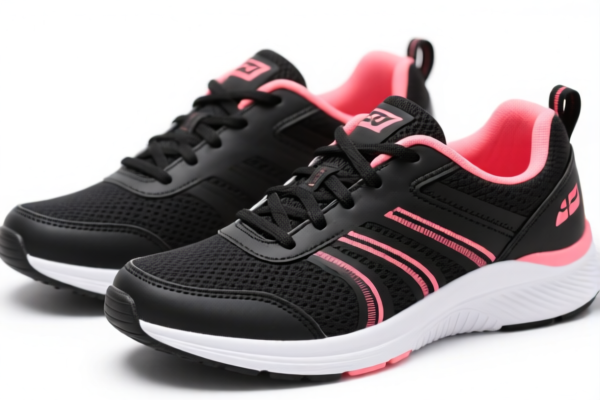
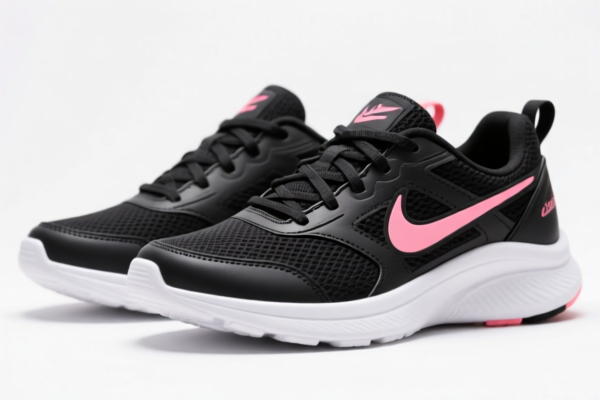
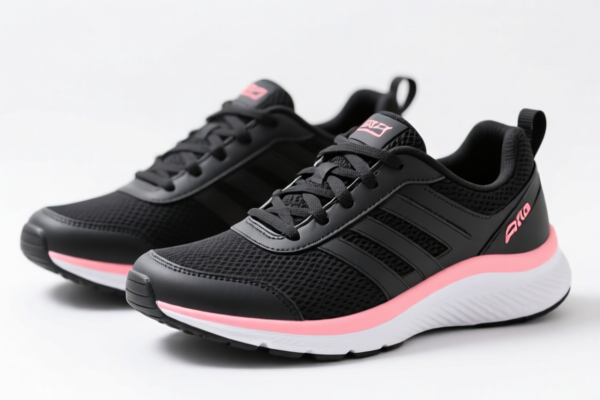
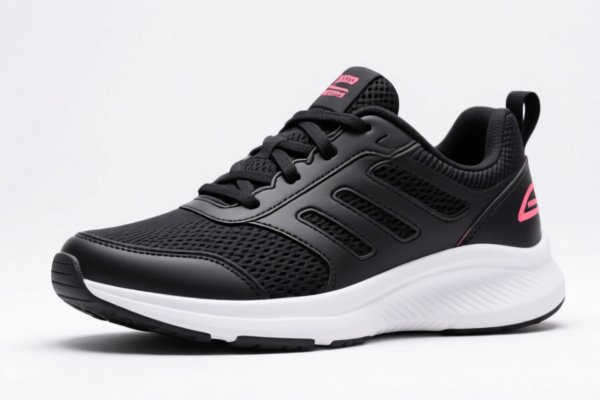
商品图片
AI分析
🧦 Women's Casual Socks
🌐 HS Code Reference & Customs Clearance Guide | 2026 Latest Tariff Analysis | Professional Level通关 Strategy
📌 I. Product Definition & Classification: Do You Really Understand "Casual Socks"?
Women’s casual socks are everyday wear items designed for comfort and style. In international trade, they are generally categorized based on their knitting method (knitted vs. woven) and material composition (cotton, synthetic fibers, wool, etc.). The provided data indicates a strong focus on knitted or crocheted articles, often classified under "Other made-up clothing accessories" when they don't fit standard sock definitions, or directly under sock categories if they meet specific criteria.
⚠️ Key Distinction:
- If the item is a standard knitted sock (footwear covering), it typically falls under Chapter 61 (Knitted or Crocheted Clothing).
- If the item is considered an accessory (e.g., decorative, specialized, or not fully enclosed foot coverage), it may fall under Chapter 62 (Non-Knitted) or Chapter 61.17 (Other Knitted Accessories).
- The provided HS Codes suggest a complex classification scenario where customs authorities or specific trade agreements (like Section 301/122 tariffs) are heavily influencing the final classification, often defaulting to broader "Accessory" categories for knitted items that aren't strictly "hosiery."
📦 II. HS Code Classification Details (2026 Latest Tariff Authority Comparison)
Based on the provided DATA, here are the 6 specific HS Codes, their summaries, and tax structures. All codes appear to be 8-digit US HTSUS codes given the tax details (Base + Section 301/122).
| HS Code | Product Description & Summary | Material Inference | Total Tax Rate |
|---|---|---|---|
6115.95.90.00 |
Other Hosiery (Socks): Matches the morphology of socks. Material inferred as cotton or blended fibers. No conflict with other chapters. | Cotton / Blended Fibers | 31.0% |
6217.10.95.10 |
Other Made-Up Clothing Accessories (Socks): Morphology matches clothing accessories/socks. Material inferred as cotton/fiber. No conflict with cotton category. | Cotton / Fibers | 32.1% |
6217.10.95.30 |
Other Made-Up Clothing Accessories (Socks): Belongs to clothing accessories (socks). Material inferred as man-made fiber or cotton/wool. No conflict with man-made fiber category. | Man-made Fiber / Cotton/Wool | 32.1% |
6217.10.95.50 |
Other Made-Up Clothing Accessories (Socks): Belongs to clothing accessories (socks). Material usually cotton, polyester, or wool. Consistent with regular material for accessories. | Cotton / Polyester / Wool | 32.1% |
6117.80.95.10 |
Other Made-Up Knitted/Crocheted Accessories (Socks): Morphology is knitted/crocheted accessory (socks). Material inferred as cotton, polyester, or man-made fiber. No conflict with cotton/other fibers. | Cotton / Polyester / Man-made Fiber | 32.1% |
6117.80.95.70 |
Other Made-Up Knitted/Crocheted Accessories: Morphology belongs to knitted/crocheted accessories. Material inferred as NOT cotton, wool, or fine animal hair. Fits the "other material" residual definition. | Non-cotton, Non-wool, Other Fibers | 32.1% |
🔍 Key Observation:
- Code6115.95.90.00is the only one classified under "Hosiery" (Chapter 61, Heading 6115) with a 31.0% total tax rate.
- All other codes (6217.10.95.x0and6117.80.95.x0) are classified under "Other Made-Up Accessories" with a higher 32.1% total tax rate.
- The difference in tax rate (1.1%) is small, but the classification logic is critical.6115is the standard "Sock" code, while the others are "Accessory" codes, likely due to specific product features (e.g., no heel, decorative only, or specific material blend) that push them into the residual categories.
💰 III. 2026 Latest Tariff Rate Breakdown (Including Surtaxes & Policy Surcharges)
✅ Applicable Country: United States (US)
✅ Country of Origin: China (CN) (Implied by "122 clauses" and typical Section 301 structure)
✅ Effective Time: Current (2025-2026)
🎯 1. 6115.95.90.00 —— Other Hosiery (Socks) – Lowest Tax Option
| Item | Content |
|---|---|
| Base Tariff | 13.5% |
| Section 301 Surtax | 7.5% |
| Section 122 Surtax | 10.0% |
| Total Tax Rate | 31.0% |
| Tax Calculation | CIF Value × 31.0% |
| De Minimis Exemption | ❌ Not Applicable (High tariff items usually excluded) |
| Legal Basis Path | USITC:6115.95.90.00 → Section 301 → Section 122 |
📌 Explanation:
- This is the most favorable code among the options provided.
- Base 13.5%: Standard MFN rate for other hosiery.
- Section 301 (7.5%): Additional duty on Chinese imports (List 4B/4C typically for textiles, but rates vary; 7.5% is a common reduced rate for certain textile categories post-2019).
- Section 122 (10%): Under Section 122 of the Trade Act of 1974, the President may increase tariffs to address balance of payments or national security issues. This 10% is a significant add-on.
🎯 2. 6217.10.95.x0 & 6117.80.95.x0 —— Other Made-Up Accessories – Higher Tax Option
| Item | Content |
|---|---|
| Base Tariff | 14.6% |
| Section 301 Surtax | 7.5% |
| Section 122 Surtax | 10.0% |
| Total Tax Rate | 32.1% |
| Tax Calculation | CIF Value × 32.1% |
| De Minimis Exemption | ❌ Not Applicable |
| Legal Basis Path | USITC:6217.10.95.x0 / 6117.80.95.x0 → Section 301 → Section 122 |
📌 Explanation:
- Base 14.6%: Slightly higher than the hosiery base rate (13.5%).
- Section 301 (7.5%): Same surtax as above.
- Section 122 (10%): Same surtax as above.
- Total 32.1%: 1.1% higher than the sock-specific code.
- Why Higher? These codes are for "Accessories." The US Customs and Border Protection (CBP) often applies higher base rates to "other made-up articles" if they don't fit the precise definition of hosiery (e.g., socks with no heel/toe, decorative socks, or mixed-material socks that complicate the primary material test).
🛠️ IV. Customs Clearance Practical Advice (Battle-Tested Pitfall Guide)
✅ 1. Document Checklist (Non-negotiable)
| Document | Mandatory | Description |
|---|---|---|
| ✅ Product Specification Sheet | ✔️ | Must detail: Knitting type, material composition (e.g., 80% Cotton, 20% Polyester), size, and whether it includes a heel/toe. |
| ✅ Material Composition Label | ✔️ | Clear photo of the label inside the sock. CBP checks this to determine the "Principal Material." |
| ✅ Product Photos (Realistic) | ✔️ | Show the sock from all angles. If it lacks a heel or has unique decorative elements, this is crucial for classification as "Accessory" vs. "Hosiery." |
| ✅ Commercial Invoice | ✔️ | Must state "Women's Casual Socks" or "Knitted Socks." Avoid vague terms like "Textile Items." |
| ✅ Packing List | ✔️ | List quantity, weight, and value per unit. |
| ✅ Origin Certificate | ✔️ | If not from China, may qualify for lower tariffs (e.g., USMCA, FTAs). |
✅ 2. Declaration Strategy (Key Mantra)
🔥 "Define Shape, Define Material, Declare Accurate, Avoid Penalties!"
| Scenario | Correct Declaration | Incorrect Practice |
|---|---|---|
| Standard Knitted Socks (With heel/toe, full coverage) | 6115.95.90.00 (Hosiery) |
Declaring as "Accessory" → Higher tax (32.1% vs 31.0%) + Potential misclassification audit. |
| Decorative/Dance Socks (No heel, sheer, or unique shape) | 6117.80.95.70 or 6217.10.95.x0 (Accessory) |
Declaring as "Hosiery" → Risk of rejection if it doesn't meet hosiery definition. |
| Mixed Material Socks | 6117.80.95.10 (if knitted accessory) |
Ignoring material ratio → CBP may reclassify based on principal material. |
| Non-Cotton, Non-Wool Socks | 6117.80.95.70 (Residual Accessory) |
Declaring as Cotton → Duty evasion risk. |
✅ 3. Special Case Handling
| Case | Handling Advice |
|---|---|
| OEM Custom Socks | Provide design sketches showing unique features (e.g., cut-out, no heel) to justify "Accessory" classification if it saves time, but aim for 6115 if possible for lower tax. |
| Socks with Plastic/Rubber Heels | May be classified as 6115.95.90.00 if the textile is the principal material. If rubber is dominant, it might move to Chapter 64 (Footwear), which has different tariffs. |
| Sample Shipments | Even samples are subject to customs duty. Do not declare as "No Value" if they have commercial worth. |
| Section 122 Impact | Be aware that Section 122 tariffs are subject to change. Monitor US trade policy updates. If Section 122 is lifted, taxes could drop significantly (e.g., from 31% to ~21%). |
🌍 V. Global Market Comparison (2026 Latest)
| Country/Region | Recommended HS Code | Tariff (China Origin) | Certification | Notes |
|---|---|---|---|---|
| 🇺🇸 USA | 6115.95.90.00 |
31.0% | None required for basic socks | Highest tariff due to Section 301 + 122. |
| 🇺🇸 USA (Accessory) | 6117.80.95.70 |
32.1% | None required | Slightly higher tax. |
| 🇪🇺 EU | 6115.95.00 |
12% | REACH, CPSR | No Section 301/122. Much lower tax. |
| 🇨🇳 China | 6115.95.90.00 |
15% | CCC (if applicable) | Domestic import/export duties. |
| 🇬🇧 UK | 6115.95.00 |
12% | UKCA | Post-Brexit tariffs. |
📌 Conclusion:
- USA is the most expensive market for Chinese-made socks due to Section 301 (7.5%) and Section 122 (10%) surcharges.
- EU and UK have significantly lower base tariffs (~12%) and no equivalent Section 122 surcharge.
- Strategy: If possible, consider third-country assembly (e.g., Vietnam, Bangladesh) to avoid China-origin tariffs. Verify Rules of Origin carefully.
📌 VI. Common Errors & Pitfall Guide (Lessons Learned)
❌ Error 1: Declaring "Socks" but the product is a stocking (sheer, no heel)
👉 Consequence: May be classified as 6115.95.90.00 anyway, but if it's very thin, CBP might question the "casual" definition. Ensure marketing aligns with "casual sock."
❌ Error 2: Misdeclaring Material
👉 Consequence: If label says "Cotton" but test shows 51% Polyester, CBP will reclassify to 6115.20.00 (Synthetic), potentially changing the tax base or triggering anti-dumping duties.
❌ Error 3: Ignoring Section 122
👉 Consequence: Assuming only Section 301 applies. Section 122 (10%) is a separate, significant cost. Your budget must include 31% (or 32.1%) total duty, not just 7.5%.
❌ Error 4: Using "Textile Accessory" for Standard Socks
👉 Consequence: You pay 32.1% instead of 31.0%. While the difference is small, it sets a bad precedent for future audits. Always aim for the most specific code (6115 for socks).
✅ Correct Practice:
"Women's Knitted Casual Cotton Socks, Size M, 80% Cotton/20% Polyester, with Heel and Toe, Packaged in Retail Box."
🎯 VII. Conclusion: Precision Classification Saves Money!
🎯 Remember the Mantra:
🔹 "Socks = 6115 (31%); Accessories = 6117/6217 (32.1%)."
🔹 "Section 122 is the Silent Killer: Always add 10%!"
🔹 "Material Test is King: Get a lab report if in doubt."
📌 Pro Tip:
If your socks are 100% Cotton, check if they qualify for any USDA/FDA exemptions (not applicable for socks, but good for related items).
For Section 122, monitor FedRegister announcements. If the President lifts Section 122, your tax drops to 21% (301 only) + Base 13.5% = 21%? No, 13.5 + 7.5 = 21%. Wait, 13.5+7.5=21%. The base is 13.5, 301 is 7.5. Total 21%. So lifting Section 122 saves 10% immediately.
📣 Immediate Action:
📞 Consult a Customs Broker: Provide product images and material composition.
🚀 Apply for Advance Ruling: If importing high volumes, get a CBP Advance Ruling for6115.95.90.00to lock in the 31% rate.
💼 Your Profit Margin Depends on This 1.1% Difference!
✨ Professional Customs Clearance Starts with Accurate Classification!
💼 Every Percentage Point Counts in Global Trade!
用户评价
关于 HS 编码归类
协调制度(HS)是由世界海关组织(WCO)制定的国际贸易商品分类标准。全球 200 多个国家采用 HS 系统作为海关关税、贸易统计和进出口监管的基础。
每个 HS 编码遵循以下层级结构:
- 章(2 位)——商品大类(例如:第 84 章:机器和机械设备)
- 品目(4 位)——章内的更具体分类
- 子目(6 位)——国际通用细分,所有 WCO 成员国统一使用
- 本国细分(8-10 位)——各国自行扩展的细分编码,如美国 HTSUS 10 位编码
正确的 HS 编码归类对于顺利通关、准确缴纳关税和遵守贸易法规至关重要。错误归类可能导致海关延误、多缴关税或罚款。
从CN进口到US时,适用的关税税率可能包括:
- 最惠国(MFN)税率——适用于 WTO 成员国的标准关税税率
- 普通税率——适用于无贸易协定国家
- 贸易救济关税——附加关税,如 301 条款(反倾销)、232 条款(国家安全)或反补贴税
本页内容仅供参考。如需正式归类,请咨询当地海关或持牌报关代理。