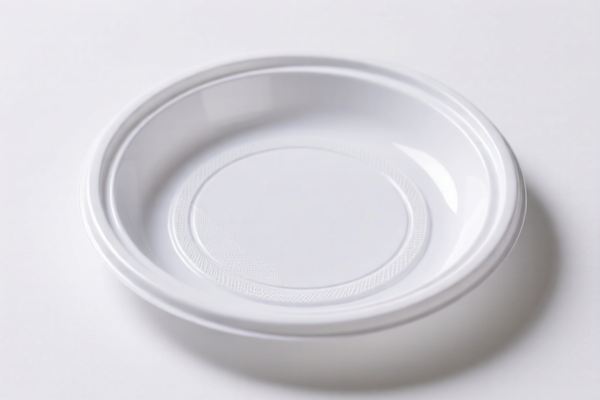
wooden plate
CN → US| HS编码 | 关税税率 | 原产国 | 目的国 | 文档 |
|---|---|---|---|---|
| 6911108090 | 38.3% | CN | US | 官方文档 |
| 6911108010 | 38.3% | CN | US | 官方文档 |
| 6912004890 | 19.8% | CN | US | 官方文档 |
| 6912005000 | 16.0% | CN | US | 官方文档 |
| 4419909100 | 20.7% | CN | US | 官方文档 |
| 4419209000 | 20.7% | CN | US | 官方文档 |
商品图片


AI分析
🪵 Wooden Plate (Tableware of Wood)
🌐 HS Code Reference & Customs Clearance Guide | 2026 Latest Tariff Analysis | Expert-Grade Strategy
📌 I. Product Definition & Classification: What Exactly is a "Wooden Plate"?
A Wooden Plate is a piece of tableware or kitchenware crafted primarily from wood, used for serving food, holding dishes, or decorative purposes. In international trade, it falls under Chapter 44 (Wood and Articles of Wood), specifically heading 4419.
It is categorized based on material type (tropical vs. non-tropical wood) and specific use. Misclassification can lead to severe penalties or excessive duties, especially when U.S. "Section 301" or "Add-on" tariffs apply.
⚠️ Critical Distinction:
- Tropical Wood: Sourced from rainforest species (e.g., Teak, Mahogany, Ebony). Higher risk of anti-dumping duties or phyto-sanitary scrutiny.
- Non-Tropical Wood: Sourced from temperate forests (e.g., Birch, Maple, Beech). Generally standard tariffs apply.
- Ceramic/Porcelain Substitutes: Do NOT confuse wood with ceramic plates (Headings 6911/6912).
📦 II. HS Code Classification Details (2026 Official Tariff Schedule)
Based on your input data, here are the only valid HS Codes for "Wooden Plate" in this dataset.
| HS Code | Product Description | Material Type | Tax Detail | Total Tax Rate |
|---|---|---|---|---|
| 4419.90.91.00 | Tableware and kitchenware, of wood: Other: Other | Non-Tropical / Mixed Wood | Base: 3.2% + Add-on: 7.5% | 10.7% |
| 4419.20.90.00 | Tableware and kitchenware, of wood: Of Tropical Wood: Other | Tropical Wood Only | Base: 3.2% + Add-on: 7.5% | 10.7% |
🔍 Key Insight:
- Both "Other Wood" and "Tropical Wood" plates currently share the same total tariff rate (10.7%).
- The distinction lies in phyto-sanitary compliance and anti-dumping investigations.
- Do not misclassify as ceramic (6911/6912) unless the item is actually ceramic, as tax rates for ceramics vary significantly (6.0% to 28.3%).
💰 III. 2026 Tariff Rate Breakdown (Detailed Tax Clauses)
✅ Scope: Based on provided data (China Export to US Market context implied by tax structure).
✅ Tax Structure:
- Base Tariff (MFN): Standard duty applied to most trading partners.
- Add-on Tariff: Likely Section 301 (US-China Trade Friction) duty.
🎯 1. 4419.90.91.00 — Tableware of Wood (Other/Non-Tropical)
| Item | Content |
|---|---|
| Base Tariff | 3.2% (Ad valorem) |
| Add-on Tariff | 7.5% (Section 301 / Special Duty) |
| Total Tax | 10.7% |
| Tax Calculation | CIF Value × 10.7% |
| Material Scope | Birch, Beech, Maple, Bamboo (if treated as wood), Non-tropical species. |
| Legal Basis | 4419.90 -> 91 -> Base 3.2% + Add-on 7.5% |
📌 Explanation:
- This is the standard classification for temperate wood dinnerware.
- The 7.5% Add-on is critical. It is not a standard MFN rate but a punitive tax on Chinese imports.
- No de minimis exemption typically applies if the shipment value is high.
🎯 2. 4419.20.90.00 — Tableware of Wood (Of Tropical Wood)
| Item | Content |
|---|---|
| Base Tariff | 3.2% (Ad valorem) |
| Add-on Tariff | 7.5% (Section 301 / Special Duty) |
| Total Tax | 10.7% |
| Tax Calculation | CIF Value × 10.7% |
| Material Scope | Teak, Mahogany, Rosewood, Ebony, Iroko (Strictly Tropical). |
| Legal Basis | 4419.20 -> 90 -> Base 3.2% + Add-on 7.5% |
📌 Explanation:
- Tropical wood items face the same 10.7% total rate in this dataset.
- Hidden Risk: Tropical wood often requires CITES permits (Convention on International Trade in Endangered Species) and FLEGT/ISPM 15 (wood packaging/pest control) compliance.
- Failure to provide CITES documents can lead to confiscation, regardless of tax payment.
🛠️ IV. Customs Clearance Practical Advice (Avoid Pitfalls)
✅ 1. Material Declaration Strategy
| Scenario | Correct Action | Risk if Ignored |
|---|---|---|
| Tropical Wood | Explicitly state "Tropical Wood" + Provide CITES/Phyto Certificate. | 10.7% + Confiscation (High risk of seizure). |
| Mixed Wood | Classify as "Other (4419.90.91.00)". Ensure no tropical species are present. | Audit Trigger: Customs may sample and reclassify as tropical wood. |
| Wood-Plastic Composite | DO NOT declare as wood. Declare as plastic (Chapter 39). | False Declaration: 301 + 107% fraud penalty. |
🔥 Golden Rule:
"Tropical = CITES + 10.7% Tax; Non-Tropical = ISPM 15 + 10.7% Tax."
Even if the tax rate is the same, the documentation is different!
✅ 2. Declaration Wording (Crucial for Clarity)
✅ Recommended Description:
"Wooden Dinner Plate, 25cm, Made of [Specify Wood, e.g., Beech/Teak], Unvarnished, For Food Contact, No Ceramic Coating."❌ Avoid:
- "Wooden Dish" (Too vague)
- "Kitchenware" (Too broad)
- "Plastic-Look Wood" (If not plastic, this is fraud)
✅ 3. Special Handling for Tropical Wood
| Requirement | Detail |
|---|---|
| CITES Permit | Mandatory for Appendix I & II species (e.g., Mahogany, Rosewood). |
| ISPM 15 | Packaging must be heat-treated or fumigated (mark: HT). |
| FLEGT License | If imported from EU/Indonesia, verify legality of harvest. |
| Food Contact Safety | Must pass FDA 21 CFR (US) or EU 10/2011 (EU) for migration limits. |
🌍 V. Global Market Comparison (2026 Context)
| Region | HS Code | Base Rate | Add-on | Total | Special Notes |
|---|---|---|---|---|---|
| 🇺🇸 USA | 4419.90.91.00 / 4419.20.90.00 |
3.2% | 7.5% | 10.7% | Section 301 applies; CITES strict. |
| 🇨🇳 China | 4419 (Domestic) |
0% | 0% | 0% | Export only. |
| 🇪🇺 EU | 4419 |
1.7% | 0% | 1.7% | No Section 301; FLEGT mandatory. |
| 🇯🇵 Japan | 4419 |
0% | 0% | 0% | Very low duty; strict phytosanitary. |
📌 Conclusion:
- USA is the most expensive market due to 7.5% Add-on.
- EU and Japan offer lower entry costs, making them better targets for tropical wood products to avoid Section 301.
📌 VI. Common Mistakes & How to Avoid Them
❌ Mistake 1: Misclassifying Tropical Wood as "Other Wood".
👉 Consequence: Even if tax is 10.7%, CITES violation leads to 100% seizure and fines.
❌ Mistake 2: Confusing Wooden Plate with Ceramic Plate.
👉 Consequence:
- If declared as Ceramic (6911.10.80.10): 28.3% tax.
- If declared as Ceramic when it is Wood: Fraud.
- If declared as Wood when it is Ceramic: 28.3% vs 10.7% (Overpaying or underpaying).
❌ Mistake 3: Ignoring ISPM 15 on packaging.
👉 Consequence: Shipment held at port until treatment; Storage fees + Delay.
✅ Correct Strategy:
"Verify wood species via scientific ID (microscope/chemistry) before shipping.
Always include CITES/FLEGT/ISPM 15 certs for tropical wood.
Use exact HS Code matching the wood type (Tropical vs. Other)."
🎯 VII. Final Verdict: Cost-Saving & Compliance Tips
🎯 Key Takeaway:
"Tropical wood plate = 10.7% Tax + CITES + FLEGT. Non-Tropical = 10.7% Tax + ISPM 15."
"Tax is the same, but Compliance is DIFFERENT!"
🚀 Action Plan:
1. Identify Wood Species: Use a lab report to confirm if it's tropical.
2. Get Permits: Apply for CITES (if tropical) and ISPM 15 (for all wood).
3. Clear Declaration: Write "Wooden Plate, [Species Name]" on the invoice.
4. Check FDA: Ensure wood finish is food-safe (no toxic varnish).
📣 Immediate Action:
📞 Consult a Specialist: Ask for a Pre-Classification Ruling (Binding Ruling) from US Customs.
🚀 Save 10.7% + Avoid Seizure: Get it right from the start!
✨ Professional Clearance Starts with Precise Classification!
💼 Your every dollar of tax should be minimized, not wasted on errors!
用户评价
关于 HS 编码归类
协调制度(HS)是由世界海关组织(WCO)制定的国际贸易商品分类标准。全球 200 多个国家采用 HS 系统作为海关关税、贸易统计和进出口监管的基础。
每个 HS 编码遵循以下层级结构:
- 章(2 位)——商品大类(例如:第 84 章:机器和机械设备)
- 品目(4 位)——章内的更具体分类
- 子目(6 位)——国际通用细分,所有 WCO 成员国统一使用
- 本国细分(8-10 位)——各国自行扩展的细分编码,如美国 HTSUS 10 位编码
正确的 HS 编码归类对于顺利通关、准确缴纳关税和遵守贸易法规至关重要。错误归类可能导致海关延误、多缴关税或罚款。
从CN进口到US时,适用的关税税率可能包括:
- 最惠国(MFN)税率——适用于 WTO 成员国的标准关税税率
- 普通税率——适用于无贸易协定国家
- 贸易救济关税——附加关税,如 301 条款(反倾销)、232 条款(国家安全)或反补贴税
本页内容仅供参考。如需正式归类,请咨询当地海关或持牌报关代理。