wool and sheepskin raw materials
CN → US| HS编码 | 关税税率 | 原产国 | 目的国 | 文档 |
|---|---|---|---|---|
| 5101114000 | 35.0% | CN | US | 官方文档 |
| 5105100000 | 0.0% | CN | US | 官方文档 |
| 5103300000 | 42.0% | CN | US | 官方文档 |
| 5103200000 | 0.0% | CN | US | 官方文档 |
| 5101112000 | 35.0% | CN | US | 官方文档 |
商品图片
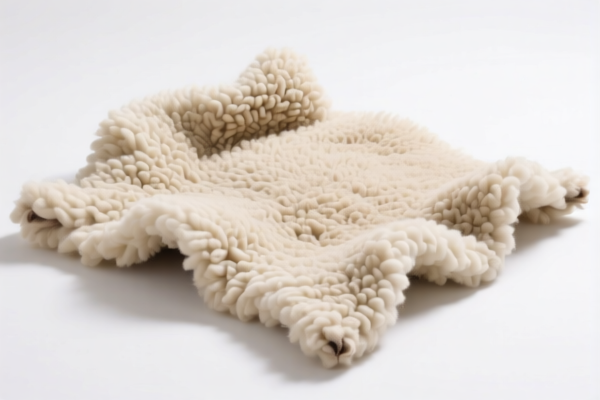
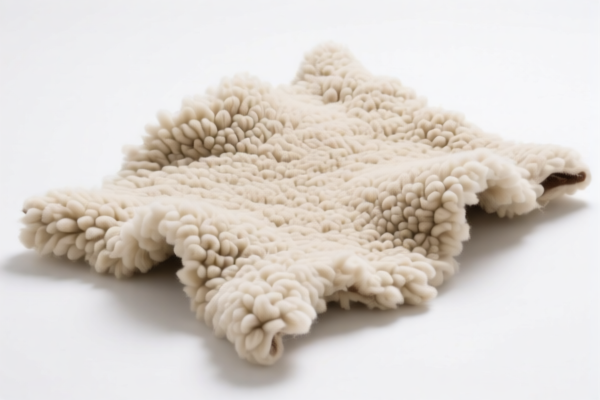
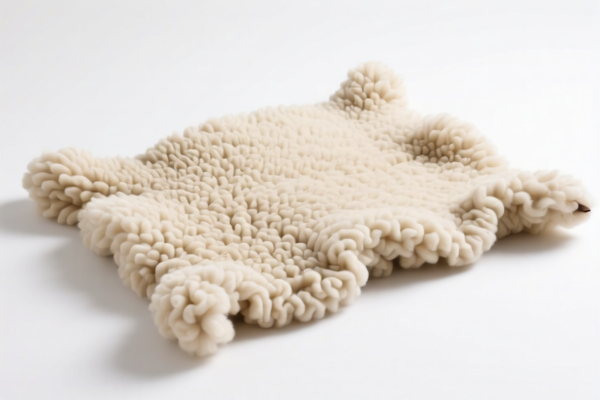
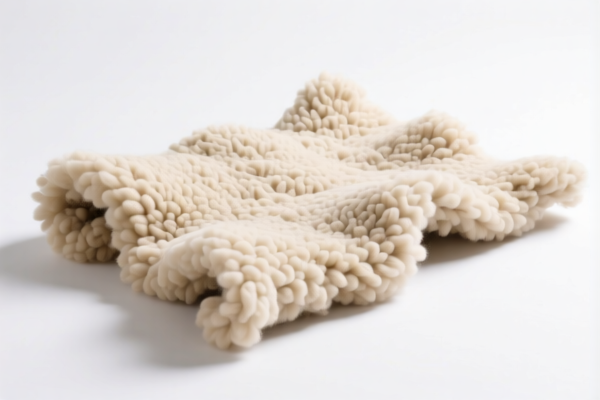
AI分析
🐑 Wool & Sheepskin Raw Materials: HS Code Classification & Customs Clearance Guide
🌐 HS Code Reference & Customs Clearance Guide | 2026 Latest Tariff Analysis | Professional Entry Strategy
📌 I. Product Definition & Classification: What Exactly Are "Raw Wool Materials"?
Wool and sheepskin raw materials are the foundational inputs for the textile and apparel industry. In international trade, their classification depends strictly on two factors: Material Composition (100% Wool vs. Other Animal Hair) and Processing State (Scoured, Carded, Combed, or Waste). Misclassification can lead to severe tariff penalties due to high "Section 301" and "Section 122" additional duties on Chinese-origin goods.
⚠️ Key Distinction Point:
- Unprocessed/Loose Wool: Sheep shearing or raw skirting → Often 5101.11
- Carded/Combed (Yarn-Ready): Cleaned and aligned fibers → 5105.10
- Waste/Droppings/Cleaning Residue: Scrap material → 5103.30 or 5103.20
📦 II. HS Code Classification Matrix (2026 Latest Tariff Data)
Based on the provided data, here is the authoritative breakdown for US Customs (HTSUS) for Chinese-origin wool products.
| HS Code | Product Description | Processing State | Physical Form |
|---|---|---|---|
5101.11.40.00 |
Wool, not carded or combed | Raw / Sheared | Loose, unprocessed wool strands |
5105.10.00.00 |
Wool, carded or combed | Primary Processed | Cleaned, aligned fibers ready for spinning |
5103.30.00.00 |
Waste of carded or combed wool | Waste/Scrap | Short fibers, droppings, cleaning residue |
5103.20.00.00 |
Waste of other wool (not carded/combed) | Waste/Scrap | Raw wool cleaning waste, uncombed waste |
5101.11.20.00 |
Wool, not carded or combed | Unrefined/Primary | Raw shearing wool (unwashed/unskirted) |
🔍 Critical Note:
- 5101 vs. 5105: The key difference is processing intensity.5101is for wool that has not been carded or combed.5105is for wool that has been carded or combed (even if washed/scoured).
- 5103 (Waste): Applies to by-products of spinning/weaving preparation. It is not usable yarn but is valuable for recycling or felt production.
💰 III. 2026 Latest Tariff Rate Breakdown (Including Surcharges)
✅ Applicable Country: United States (US)
✅ Origin: China (CN)
✅ Effective Date: Current rates apply including Section 301 and Section 122 provisions.
🎯 1. 5101.11.40.00 & 5101.11.20.00 —— Raw/Unprocessed Wool
These codes cover wool in its most basic form, either sheared directly from the sheep or lightly skirred but not carded or combed.
| Item | Detail |
|---|---|
| Base Duty | 0.0% (Ad Valorem) |
| Section 301 Surcharge | +25.0% |
| Section 122 Surcharge | +10.0% |
| Total Effective Rate | 35.0% |
| Calculation Basis | CIF Value × 35% |
| De Minimis Eligibility | ❌ No (Not eligible for $800 exemption) |
| Legal Path | HTS:5101.11.40.00 → Section 301: 9903.01.25 → Section 122: Executive Order |
📌 Explanation:
- Although the base duty is 0%, the 35% total tax burden is significant.
- This applies to both5101.11.20.00(Unrefined) and5101.11.40.00(Sheared Wool). The distinction lies in physical appearance (loose strands vs. raw fleece), but the tax rate is identical.
🎯 2. 5105.10.00.00 —— Carded or Combed Wool (Primary Processed)
This code is for wool that has been cleaned, carded, or combed. It is more processed than raw wool and closer to yarn production.
| Item | Detail |
|---|---|
| Base Duty | 6.5¢/kg + 5.3% (Ad Valorem) |
| Section 301 Surcharge | +25.0% |
| Section 122 Surcharge | +10.0% |
| Total Effective Rate | 6.5¢/kg + 5.3% + 35.0% (on ad valorem portion) |
| Calculation Basis | (Weight × 6.5¢) + (CIF Value × 5.3%) + Section 301/122 on CIF Value |
| De Minimis Eligibility | ❌ No |
| Legal Path | HTS:5105.10.00.00 → Section 301: 9903.01.25 → Section 122 |
📌 Explanation:
- This is a mixed duty structure: Specific (per kg) + Ad Valorem (%).
- The 35% surcharge applies to the ad valorem portion and potentially the whole value depending on specific Section 301 implementation rules (usually applied to the dutiable value).
- Higher processing = Higher complexity in valuation.
🎯 3. 5103.30.00.00 —— Waste of Carded/Combed Wool
This code covers waste generated from carding or combing processes.
| Item | Detail |
|---|---|
| Base Duty | 7.0% |
| Section 301 Surcharge | +25.0% |
| Section 122 Surcharge | +10.0% |
| Total Effective Rate | 42.0% |
| Calculation Basis | CIF Value × 42% |
| De Minimis Eligibility | ❌ No |
| Legal Path | HTS:5103.30.00.00 → Section 301: 9903.01.25 → Section 122 |
📌 Warning:
- 42% is the highest rate in this dataset.
- Many importers mistakenly classify raw waste as "raw wool" (35%) to save tax, but if customs inspects and finds it is carded waste, they will reassess at 42% + penalties.
🎯 4. 5103.20.00.00 —— Waste of Other Wool
This code covers waste from wool that was not carded or combed (e.g., raw cleaning waste).
| Item | Detail |
|---|---|
| Base Duty | 2.6¢/kg |
| Section 301 Surcharge | +25.0% |
| Section 122 Surcharge | +10.0% |
| Total Effective Rate | 2.6¢/kg + 35.0% |
| Calculation Basis | (Weight × 2.6¢) + (CIF Value × 35%) |
| De Minimis Eligibility | ❌ No |
| Legal Path | HTS:5103.20.00.00 → Section 301: 9903.01.25 → Section 122 |
📌 Note:
- Lower specific duty (2.6¢ vs 6.5¢), but still subject to full 35% surcharge.
- Suitable for lower-grade, uncombed wool waste.
🛠️ IV. Customs Clearance Practical Advice (Pitfall Avoidance)
✅ 1. Required Documentation Checklist
| Document | Mandatory? | Notes |
|---|---|---|
| ✅ Commercial Invoice | ✔️ | Must clearly state: "Wool, Carded/Combed" or "Raw Wool, Unprocessed" |
| ✅ Packing List | ✔️ | Include net weight (kg) and gross weight (kg) – Critical for specific duties |
| ✅ Origin Certificate | ✔️ | Proof of Chinese origin triggers 301/122 duties |
| ✅ Product Photos | ✔️ | Show texture, packaging, and labels to distinguish "raw" vs "carded" |
| ✅ Third-Party Inspection Report | ✔️ | Recommended to verify fiber content and processing state |
| ✅ Bill of Lading | ✔️ | Standard shipping document |
✅ 2. Declaration Tips (Key Rules)
🔥 "Describe State, Not Just Material!"
| Scenario | Correct HS Code | Wrong Practice | Risk |
|---|---|---|---|
| Raw fleece, not washed/carded | 5101.11.20.00 |
Declaring as "Carded Wool" | Overpayment (35% vs 42%? No, 35% vs 35%+specific) |
| Washed & Combed wool | 5105.10.00.00 |
Declaring as "Raw Wool" | Underpayment Penalty |
| Short fibers from spinning | 5103.30.00.00 |
Declaring as "Raw Wool" | 42% Tax vs 35% + Fines |
| Raw cleaning waste | 5103.20.00.00 |
Declaring as "Carded Waste" | 35% vs 42% difference |
📌 Key Insight:
- "Carded" and "Combed" are legal terms, not just physical descriptions.
- If wool has passed through a carding machine, it must be5105or5103.
- Raw wool from the shearing shed is5101.
✅ 3. Special Cases & Solutions
| Situation | Recommendation |
|---|---|
| Mixed Bales (Raw + Carded) | Do NOT mix. Separate shipments. Mixed declarations will lead to audits. |
| Sheepskin vs. Wool | Ensure you are declaring Wool (51xx), not Sheepskin (4303). Sheepskin has different duties. |
| Small Sample Shipments | Even under $800, wool from China is NOT de minimis exempt. Declare fully. |
| Duty Drawback Eligibility | If wool is re-exported after processing, investigate Duty Drawback claims (Section 301 duties may be recoverable under certain conditions). |
🌍 V. Global Market Comparison (2026)
| Country/Region | Recommended HS Code | Total Duty (China Origin) | Key Certification |
|---|---|---|---|
| 🇺🇸 USA | 5101.11.40.00 |
35.0% | None specific, but accurate classification is key |
| 🇨🇳 China | 5101.11.40.00 |
~5-10% (Import Duty) | N/A |
| 🇪🇺 EU | 5101.11.00 |
~3-7% (Base) | Traceability/Animal Welfare Standards |
| 🇬🇧 UK | 5101.11.00 |
~3-7% | Post-Brexit Rules of Origin |
| 🇨🇦 Canada | 5101.11.00 |
~5% | No Section 301 equivalent |
📌 Conclusion:
- USA is the most expensive market for Chinese wool due to Section 301 (25%) and Section 122 (10%).
- EU and UK have lower base duties but may have stricter traceability requirements for animal products.
📌 VI. Common Errors & Pitfalls (Lessons Learned)
❌ Error 1: Declaring "Carded Wool" as "Raw Wool" to save 7% (42% vs 35% for waste)
👉 Consequence: Customs inspection reveals fiber alignment → Reclassification + 42% Tax + Penalties
❌ Error 2: Ignoring Specific Duties for 5105.10 or 5103.20
👉 Consequence: Underpayment due to missing 6.5¢/kg or 2.6¢/kg calculations → Audit Trigger
❌ Error 3: Assuming De Minimis ($800) Applies
👉 Consequence: Wool from China is explicitly excluded from de minimis. Small shipments will be held at customs.
✅ Correct Approach:
"Wool, Carded, Grade A, 100% Virgin, 23 Micron, Bagged in Jute Sacks, Net Weight 500kg, Origin China"
🎯 VII. Conclusion: Precision Pays Off
🎯 Remember the Rules:
🔹 "Raw = 5101 (35%) | Carded = 5105 (6.5¢+5.3%+35%) | Waste = 5103 (42% or 2.6¢+35%)"
🔹 "Section 301 & 122 are non-negotiable for China-origin wool."
🔹 "Never mix raw and processed wool in one declaration."
📌 Pro Tip:
If you are importing large volumes, consider:
1. Pre-Ruling (ACE Portal): Request an official HS code determination from US CBP before shipment.
2. Supply Chain Diversification: Source wool from New Zealand or Australia to avoid Section 301/122 duties (though base duties may apply).
3. Duty Drawback: If you use this wool to manufacture goods in the US and re-export, you may reclaim the 35% tariff.
📣 Take Action Now:
📞 Consult a licensed customs broker.
📄 Provide detailed photos of the wool state (raw vs. carded).
🚀 Ensure accurate classification to avoid seizure, fines, or delays.
✨ Professional Customs Clearance Starts with Accurate HS Codes!
💼 Your profit margin depends on precise tax calculation!
用户评价
关于 HS 编码归类
协调制度(HS)是由世界海关组织(WCO)制定的国际贸易商品分类标准。全球 200 多个国家采用 HS 系统作为海关关税、贸易统计和进出口监管的基础。
每个 HS 编码遵循以下层级结构:
- 章(2 位)——商品大类(例如:第 84 章:机器和机械设备)
- 品目(4 位)——章内的更具体分类
- 子目(6 位)——国际通用细分,所有 WCO 成员国统一使用
- 本国细分(8-10 位)——各国自行扩展的细分编码,如美国 HTSUS 10 位编码
正确的 HS 编码归类对于顺利通关、准确缴纳关税和遵守贸易法规至关重要。错误归类可能导致海关延误、多缴关税或罚款。
从CN进口到US时,适用的关税税率可能包括:
- 最惠国(MFN)税率——适用于 WTO 成员国的标准关税税率
- 普通税率——适用于无贸易协定国家
- 贸易救济关税——附加关税,如 301 条款(反倾销)、232 条款(国家安全)或反补贴税
本页内容仅供参考。如需正式归类,请咨询当地海关或持牌报关代理。