wool blend combed decorative fabric
CN → US| HS编码 | 关税税率 | 原产国 | 目的国 | 文档 |
|---|---|---|---|---|
| 5106100090 | 41.0% | CN | US | 官方文档 |
| 5106100010 | 41.0% | CN | US | 官方文档 |
| 5107103000 | 41.0% | CN | US | 官方文档 |
| 5107106000 | 41.0% | CN | US | 官方文档 |
| 5108208000 | 39.0% | CN | US | 官方文档 |
商品图片
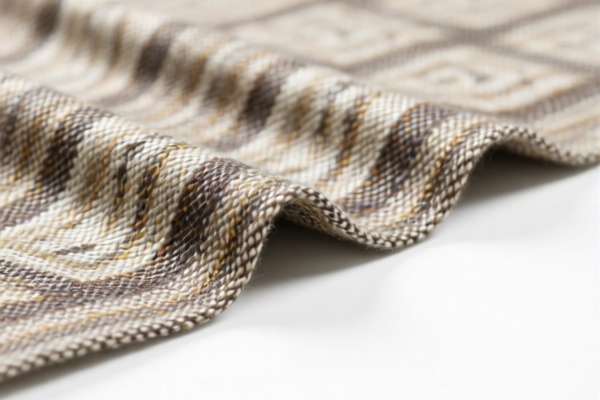
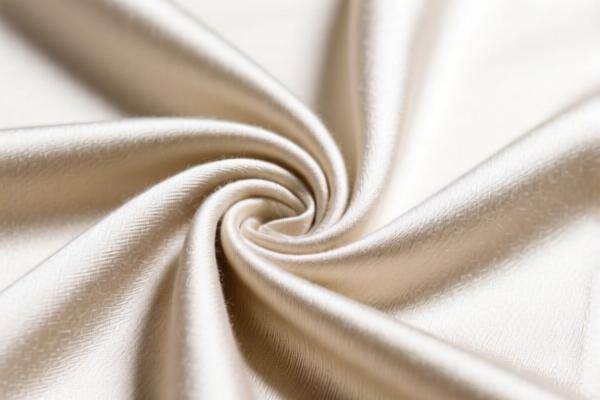
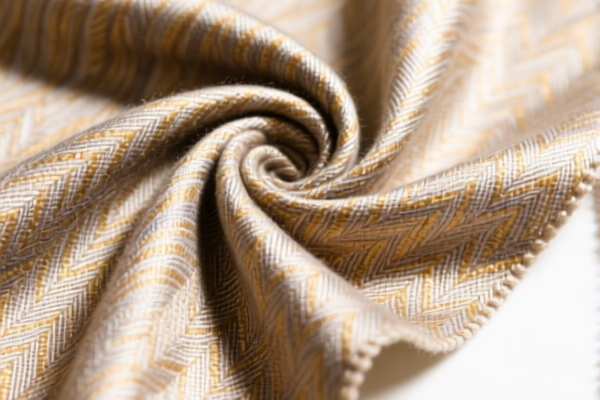
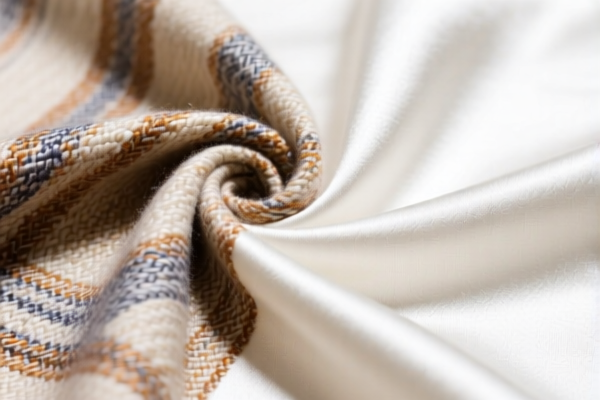
AI分析
🐑 Wool Blend Combed Decorative Fabric
🌐 HS Code Classification & Tariff Guide | 2026 Updated Customs Rules | Expert Compliance Strategy
📌 One-Stop Solution for Accurate Tariff Determination & Smooth Clearance
📌 1. Product Definition & Classification: What Exactly Is "Wool Blend Combed Decorative Fabric"?
Wool Blend Combed Decorative Fabric refers to textile fabrics made from a blend of combed wool and other fibers (e.g., synthetic or cotton), specifically intended for decorative purposes such as upholstery, wall hangings, drapery, or fashion accessories.
⚠️ Critical Distinction:
- If the fabric is not used for clothing or technical textiles, but for decorative, artistic, or interior design applications, it falls under decorative textile classification. - The key elements are:
✅ Combed wool (not carded)
✅ Blended fibers (e.g., wool + polyester)
✅ Non-apparel use (decorative, not for garments)
✅ Textile form: woven or knitted fabric🔍 Why This Matters:
Misclassifying decorative fabric as apparel or general textile can lead to incorrect tariff application, customs delays, penalties, or even seizure.
📦 2. HS Code Classification Breakdown (2026 Updated Tariff Schedule)
Based on the provided data, the following HS Codes are applicable to wool blend combed decorative fabrics, depending on material composition, form, and processing stage.
| HS Code | Product Description | Form | Material | Tax Rate | Tax Breakdown |
|---|---|---|---|---|---|
5106.10.00.90 |
Combed wool for knitting, blended with other fibers, in the form of yarn | Yarn | Wool blend | 41.0% | Base: 6.0% + Add-on: 25.0% + Section 122: 10.0% |
5106.10.00.10 |
Combed wool for knitting, pure combed wool, in the form of yarn | Yarn | Pure combed wool | 41.0% | Base: 6.0% + Add-on: 25.0% + Section 122: 10.0% |
5107.10.30.00 |
Combed wool for knitting, pure combed wool, in the form of yarn | Yarn | Pure combed wool | 41.0% | Base: 6.0% + Add-on: 25.0% + Section 122: 10.0% |
5107.10.60.00 |
Combed wool for knitting, pure combed wool, in the form of semi-finished product (e.g., partially processed yarn or fabric) | Semi-finished | Pure combed wool | 41.0% | Base: 6.0% + Add-on: 25.0% + Section 122: 10.0% |
5108.20.80.00 |
Fine animal hair (including combed wool), not for knitting, in the form of yarn | Yarn | Fine animal hair (e.g., cashmere, mohair) | 39.0% | Base: 4.0% + Add-on: 25.0% + Section 122: 10.0% |
📌 Key Insight:
- All these HS Codes are for yarn or semi-finished products, not finished fabric.
- If your final product is a decorative fabric (woven/knitted), it may not be covered by these codes — you may need to look at HS Code 5112.20.00.00 or 5112.90.00.00 (for finished wool fabrics), but those are not in the provided data.❗ Important Note:
The provided data only includes yarn and semi-finished goods — not finished decorative fabrics.
Therefore, if your product is a finished fabric, these HS Codes may not apply. You must verify with the full tariff schedule.
💰 3. Tariff Breakdown: Understanding the 41.0% & 39.0% Rates
🎯 HS Code: 5106.10.00.90, 5106.10.00.10, 5107.10.30.00, 5107.10.60.00 — 41.0% Total Tax
| Tax Component | Rate | Legal Basis | Explanation |
|---|---|---|---|
| Base Tariff | 6.0% | General Tariff Schedule | Standard duty for combed wool yarn |
| Additional Tariff (Section 301) | 25.0% | USITC Section 301 (China Tariff Actions) | Imposed on Chinese-origin goods under Section 301 of the Trade Act of 1974 |
| Section 122 Tariff | 10.0% | IEEPA (International Emergency Economic Powers Act) | Applies to goods from China/Hong Kong under national emergency powers |
| Total Effective Duty | 41.0% | — | Applies to all listed HS Codes |
🔍 Legal Pathway:
Base: 6.0%→Section 301: +25.0%→IEEPA: +10.0%→ Total: 41.0%
🎯 HS Code: 5108.20.80.00 — 39.0% Total Tax
| Tax Component | Rate | Legal Basis | Explanation |
|---|---|---|---|
| Base Tariff | 4.0% | General Tariff Schedule | Lower base rate for fine animal hair yarn |
| Additional Tariff (Section 301) | 25.0% | USITC Section 301 | Applies to Chinese-origin goods |
| Section 122 Tariff | 10.0% | IEEPA | Applies to goods from China/Hong Kong |
| Total Effective Duty | 39.0% | — | Slightly lower due to lower base rate |
🔍 Legal Pathway:
Base: 4.0%→Section 301: +25.0%→IEEPA: +10.0%→ Total: 39.0%📌 Note: This code applies to fine animal hair yarn, which may include cashmere, mohair, or high-grade combed wool — but only if not classified as pure wool under other codes.
🛠️ 4. Customs Clearance Best Practices (Proven Strategies)
✅ 1. Required Documentation (Must-Have Checklist)
| Document | Why It’s Critical |
|---|---|
| ✅ Commercial Invoice | Must clearly state: "Combed Wool Yarn, Blended, for Decorative Fabric Use" |
| ✅ Packing List | Detail weight, quantity, and packaging type |
| ✅ Product Specification Sheet | Include: fiber composition (% wool, % synthetic), count, twist, color, width |
| ✅ Certificate of Origin (CO) | Essential for claiming preferential rates (if applicable) |
| ✅ Material Test Report | Confirm fiber content (e.g., via FTIR or microscopy) |
| ✅ Photos of Product | Show yarn texture, labeling, packaging |
| ✅ HS Code Pre-Ruling (Optional but Recommended) | Apply for Advance Ruling to avoid disputes |
✅ 2.申报技巧(申报口诀)
🔥 “Yarn not fabric, wool not cotton, blend not pure, origin matters!”
| Scenario | Correct HS Code | Common Mistake |
|---|---|---|
| Combed wool yarn (blended), used for decorative fabric | 5106.10.00.90 or 5106.10.00.10 |
Misreport as 5107.10.30.00 (only if pure wool) |
| Semi-finished combed wool yarn | 5107.10.60.00 |
Report as finished yarn → wrong tariff |
| Fine animal hair yarn (e.g., cashmere) | 5108.20.80.00 |
Mistake as standard wool yarn → higher base rate |
| Finished decorative fabric (not yarn) | ❌ Not in data → Use 5112.20.00.00 or 5112.90.00.00 |
Using yarn codes → incorrect & costly |
✅ 3. Special Cases & Risk Mitigation
| Situation | Recommended Action |
|---|---|
| Yarn is blended with polyester or nylon | Clearly state blend ratio (e.g., 70% wool / 30% polyester) |
| Origin is China | Prepare for 41.0% or 39.0% — no exemption |
| Origin is Vietnam, India, or Turkey | Check for preferential trade agreements (e.g., UFLPA, USMCA) — may reduce or eliminate tariffs |
| Yarn is partially processed (semi-finished) | Use 5107.10.60.00 — not 5106.10.00.10 |
| Product is used in fashion accessories (e.g., scarves) | Still classified as yarn if not fully knitted — use same codes |
🌍 5. Global Market Comparison (2026)
| Country | Recommended HS Code | Base Duty | Additional Taxes | Notes |
|---|---|---|---|---|
| 🇺🇸 USA | 5106.10.00.90 / 5108.20.80.00 |
6.0% / 4.0% | +25% (301) +10% (IEEPA) | Total: 41.0% or 39.0% |
| 🇨🇳 China | 5106.10.00.90 |
5.0% | None | No 301/IEEPA — much lower |
| 🇪🇺 EU | 5106.10.00.90 |
0% (if GSP) | None | No 301/IEEPA — 0–5% |
| 🇦🇺 Australia | 5106.10.00.90 |
5.0% | None | No 301/IEEPA |
| 🇯🇵 Japan | 5106.10.00.90 |
0% | None | No additional tariffs |
📌 Insight:
- The USA has the highest effective duty due to Section 301 and IEEPA. - China, EU, Australia, Japan do not apply these extra tariffs — ideal for export destinations.
🚨 6. Common Mistakes & How to Avoid Them
❌ Mistake 1: Reporting finished decorative fabric as yarn
👉 Result: Incorrect HS Code → 41% tax on fabric → huge overpayment
❌ Mistake 2: Not specifying fiber blend ratio
👉 Result: Customs may assume 100% wool → higher tariff
❌ Mistake 3: Using 5107.10.30.00 for blended yarn
👉 Result: Misclassification → penalties, delays
❌ Mistake 4: Failing to provide test report
👉 Result: Customs may reject the origin claim → higher duty
✅ Correct申报 Name Example:
"Combed Wool & Polyester Yarn, 70/30 Blend, 20 Ne, for Decorative Fabric, 5106.10.00.90, China Origin, Test Report Attached"
🎯 7. Final Verdict: How to Win at Customs
✅ If your product is YARN (not finished fabric) → Use one of the 5 HS Codes above
✅ If your product is FINISHED FABRIC → These codes do NOT apply — you must use 5112.20.00.00 or 5112.90.00.00
✅ Always confirm origin — if from China, expect 41.0% or 39.0%
✅ Apply for pre-ruling if unsure — avoid risk
📌 8. Pro Tips for Exporters
🔹 "Yarn is yarn, fabric is fabric — never mix them!"
🔹 "Blend ratio matters — write it clearly!"
🔹 "China origin? Prepare for 41.0%!"
🔹 "Use test reports — they’re your shield!"
📣 Act Now!
📞 Contact a customs broker with your product specs
📄 Request an HS Code pre-ruling
🚀 Ensure smooth, fast, and cost-effective clearance
✨ Your Success Starts with Accurate Classification!
💼 One wrong code can cost thousands — get it right the first time!
用户评价
关于 HS 编码归类
协调制度(HS)是由世界海关组织(WCO)制定的国际贸易商品分类标准。全球 200 多个国家采用 HS 系统作为海关关税、贸易统计和进出口监管的基础。
每个 HS 编码遵循以下层级结构:
- 章(2 位)——商品大类(例如:第 84 章:机器和机械设备)
- 品目(4 位)——章内的更具体分类
- 子目(6 位)——国际通用细分,所有 WCO 成员国统一使用
- 本国细分(8-10 位)——各国自行扩展的细分编码,如美国 HTSUS 10 位编码
正确的 HS 编码归类对于顺利通关、准确缴纳关税和遵守贸易法规至关重要。错误归类可能导致海关延误、多缴关税或罚款。
从CN进口到US时,适用的关税税率可能包括:
- 最惠国(MFN)税率——适用于 WTO 成员国的标准关税税率
- 普通税率——适用于无贸易协定国家
- 贸易救济关税——附加关税,如 301 条款(反倾销)、232 条款(国家安全)或反补贴税
本页内容仅供参考。如需正式归类,请咨询当地海关或持牌报关代理。