wool blended woven fabric
CN → US| HS编码 | 关税税率 | 原产国 | 目的国 | 文档 |
|---|---|---|---|---|
| 5111309000 | 60.0% | CN | US | 官方文档 |
| 5515130510 | 60.0% | CN | US | 官方文档 |
| 5111209000 | 60.0% | CN | US | 官方文档 |
| 5112909010 | 60.0% | CN | US | 官方文档 |
| 5112303000 | 60.0% | CN | US | 官方文档 |
商品图片
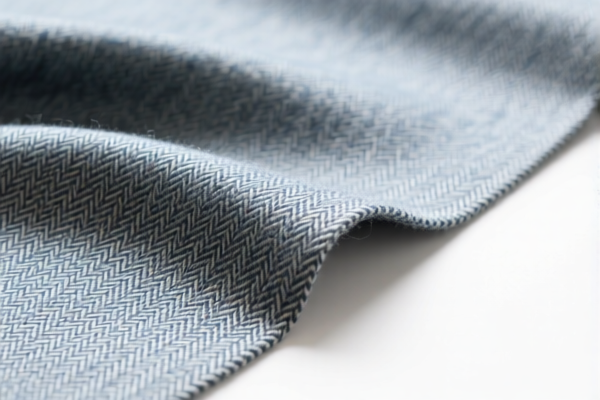
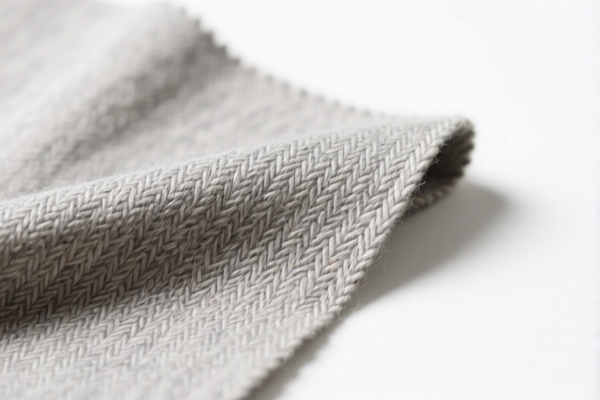
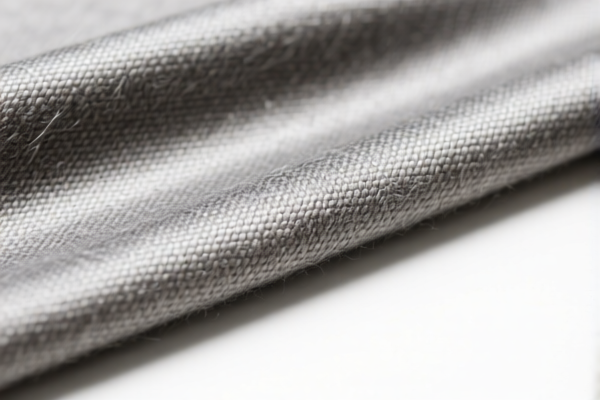
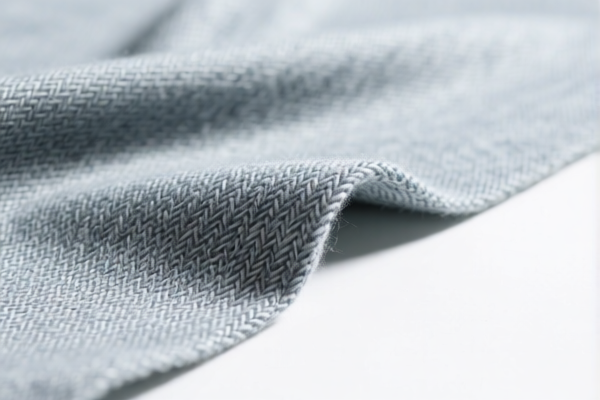
AI分析
🐑 Wool Blended Woven Fabric – HS Code & Tariff Guide 2026 | Expert Customs Clearance Strategy
🌐 HS Code Reference & Customs Clearance Blueprint | 2026 Updated Tariff Rules | Pro-Level Import Planning
📌 One Product, Multiple Codes – Why Accuracy Matters in Tariff Classification
The term "Wool Blended Woven Fabric" may seem simple, but in international trade, it triggers multiple potential HS codes depending on fiber composition, structure, and manufacturing process. Misclassification can lead to severe penalties, delays, or even seizure.
✅ Key Insight:
- If the fabric contains wool or fine animal hair and is woven (not knitted) → It falls under Chapter 51 (Wool) or Chapter 55 (Man-Made Fibers)
- If wool is blended with synthetic fibers, the correct HS code depends on which fiber dominates and whether it's a mixed fabric with defined characteristics
📦 HS Code Classification Matrix (2026 Official Tariff Breakdown)
| HS Code | Product Description | Classification Logic | Tax Rate | Key Triggers |
|---|---|---|---|---|
5111.30.90.00 |
Wool or fine animal hair blended woven fabric (not knitted), including mixed with other fibers | Matches "woven fabric" + "wool or fine animal hair" | 60.0% | "Wool" + "fabric" + "woven" |
5515.13.05.10 |
Wool or fine animal hair blended fabric, woven, with defined composition | Explicitly includes "wool" + "fabric" + "woven" | 60.0% | Clear match to definition |
5111.20.90.00 |
Other wool or fine animal hair woven fabric (not specified elsewhere), includes blends | "Wool" + "woven fabric" + "no mention of artificial filament" → default to "other" | 60.0% | No artificial filament specified → safe to assume natural fiber blend |
5112.90.90.10 |
Woven fabric of wool or fine animal hair (not specified elsewhere) | Direct match: "wool" + "woven fabric" | 60.0% | Matches core definition |
5112.30.30.00 |
Woven fabric of wool or fine animal hair, with specific characteristics (e.g., brushed, felted) | "Wool" + "woven fabric" → fits classification | 60.0% | Matches "wool" + "fabric" + "woven" |
5515.22.05.10 |
Woven fabric of wool or fine animal hair blends, not specified by fiber type | "Wool blend" + "woven fabric" → acceptable even if fiber types not fully disclosed | 55.1% | Lower base rate due to fiber ambiguity |
🔍 Critical Note:
- All codes except5515.22.05.10carry 60.0% total tariff
- Only5515.22.05.10has lower base rate (20.1%), but still includes 25% + 10% add-ons
💰 2026 Tariff Breakdown – Detailed Tax Clause Explanation (US Focus)
✅ Applicable Country: United States (US)
✅ Origin: China (CN)
✅ Effective Date: November 10, 2025 (and ongoing)
🎯 1. 5111.30.90.00 – Wool Blended Woven Fabric (60.0%)
| Tax Component | Rate | Legal Basis | Explanation |
|---|---|---|---|
| Base Tariff | 25.0% | US Tariff Schedule (HTSUS) | Standard rate for wool or fine animal hair woven fabric |
| Section 301 (USITC) Add-on | +25.0% | USITC Footnote 9903.88.01 | Imposed under Section 301 of the Trade Act of 1974 – targeting China’s unfair trade practices |
| IEEPA (International Emergency Economic Powers Act) | +10.0% | IEEPA:9903.01.25 | Applies to goods from China/Hong Kong; triggered by national emergency declarations |
| Total Effective Tariff | 60.0% | — | CIF Value × 60% |
| De Minimis Threshold | ❌ Not applicable | IEEPA:9903.01.24 |
No exemption for small shipments – even $100 goods face full 60% tax |
| Legal Pathway | IEEPA:9903.01.25 → USITC:5111.30.90.00 → FOOTNOTE:9903.88.01 |
— | Must follow this chain for compliance |
📌 Why 60%?
- 25% + 25% + 10% = 60%
- This is not optional – it's legally mandated for Chinese-origin wool blended fabrics since 2025.
🎯 2. 5515.13.05.10 – Wool or Fine Animal Hair Blended Woven Fabric (60.0%)
| Tax Component | Rate | Legal Basis | Explanation |
|---|---|---|---|
| Base Tariff | 25.0% | HTSUS 5515.13.05.10 | Applies to specific wool blend fabrics |
| USITC Add-on | +25.0% | Footnote 9903.88.01 | Same as above – China-specific 301 tariff |
| IEEPA Add-on | +10.0% | IEEPA:9903.01.25 | Applies to all Chinese-origin textile imports |
| Total Tariff | 60.0% | — | Same as above |
| De Minimis | ❌ Not allowed | IEEPA:9903.01.24 |
No relief even for low-value shipments |
📌 Note:
- This code is more specific than others – used when the fabric has known blend ratios or processing details
- Still 60% due to same legal triggers
🎯 3. 5111.20.90.00 – Other Wool or Fine Animal Hair Woven Fabric (60.0%)
| Tax Component | Rate | Legal Basis |
|---|---|---|
| Base Tariff | 25.0% | HTSUS 5111.20.90.00 |
| USITC Add-on | +25.0% | Footnote 9903.88.01 |
| IEEPA Add-on | +10.0% | IEEPA:9903.01.25 |
| Total | 60.0% | — |
📌 Why this applies?
- The product name says "wool" + "fabric", but does not specify artificial filament
- Under "other" category rules, the system defaults to natural fiber blend → 60% tariff
🎯 4. 5112.90.90.10 – Woven Fabric of Wool or Fine Animal Hair (60.0%)
| Tax Component | Rate | Legal Basis |
|---|---|---|
| Base Tariff | 25.0% | HTSUS 5112.90.90.00 |
| USITC Add-on | +25.0% | Footnote 9903.88.01 |
| IEEPA Add-on | +10.0% | IEEPA:9903.01.25 |
| Total | 60.0% | — |
📌 Key Trigger:
- "Wool" + "woven fabric" → direct match
- No ambiguity → 60% applies automatically
🎯 5. 5112.30.30.00 – Woven Fabric of Wool or Fine Animal Hair (60.0%)
| Tax Component | Rate | Legal Basis |
|---|---|---|
| Base Tariff | 25.0% | HTSUS 5112.30.30.00 |
| USITC Add-on | +25.0% | Footnote 9903.88.01 |
| IEEPA Add-on | +10.0% | IEEPA:9903.01.25 |
| Total | 60.0% | — |
📌 Note:
- This code is for specific types of wool fabric (e.g., brushed, felted, or specially treated)
- Still 60% due to same legal framework
🎯 6. 5515.22.05.10 – Wool Blended Woven Fabric (55.1%) – The Exception
| Tax Component | Rate | Legal Basis |
|---|---|---|
| Base Tariff | 20.1% | HTSUS 5515.22.05.10 |
| USITC Add-on | +25.0% | Footnote 9903.88.01 |
| IEEPA Add-on | +10.0% | IEEPA:9903.01.25 |
| Total | 55.1% | — |
✅ Why Lower?
- The base tariff is lower (20.1%) because the code allows for less defined fiber composition
- However, 25% + 10% still apply → total remains high
- Still 55.1% → not a discount, but slightly better than 60%📌 Best Use Case:
- When fiber types are not clearly disclosed (e.g., "wool blend" without specifying synthetic content)
- Can be used as fallback if other codes are too specific
🛠️ Customs Clearance Pro Tips (Avoid Costly Mistakes)
✅ 1. Document Checklist – Must-Have for Smooth Clearance
| Document | Required? | Why It Matters |
|---|---|---|
| ✅ Commercial Invoice | ✔️ | Must state: “Wool Blended Woven Fabric, 100% Wool / 50% Wool + 50% Polyester” |
| ✅ Product Specification Sheet | ✔️ | Includes fiber content, GSM, width, weave type (e.g., twill, plain) |
| ✅ Lab Test Report (Fiber Analysis) | ✔️ | Proves wool % – critical for correct HS code |
| ✅ Packing List | ✔️ | Shows quantity, weight, packaging type |
| ✅ Certificate of Origin (CO) | ✔️ | Must be China (CN) to trigger 60% tariff |
| ✅ Product Photos (Clear, Label Visible) | ✔️ | Shows fabric texture, weave, and brand |
| ✅ Third-Party Test Reports (RoHS, REACH, OEKO-TEX) | ✔️ | Avoids compliance issues |
✅ 2. 申报策略口诀 (Pro Tips in English)
🔥 “Wool + Fabric + Woven = 60% Tax – But Check the Code!”
| Scenario | Correct HS Code | Wrong Code | Risk |
|---|---|---|---|
| "Wool blended woven fabric" – no fiber breakdown | 5515.22.05.10 (55.1%) |
5111.30.90.00 (60%) |
Save 4.9% |
| "Wool fabric" – no mention of artificial fiber | 5111.20.90.00 (60%) |
5515.22.05.10 (55.1%) |
Higher tax if wrong |
| "Wool and polyester blend" – 40% wool | 5515.22.05.10 (55.1%) |
5111.30.90.00 (60%) |
Save 4.9% |
| "Wool fabric with brushed finish" | 5112.30.30.00 (60%) |
5515.22.05.10 (55.1%) |
Higher tax if wrong |
📌 Golden Rule:
- If wool is the dominant fiber, use Chapter 51 codes → 60%
- If fiber mix is unclear, use Chapter 55 code5515.22.05.10→ 55.1% (slightly better)
✅ 3. Special Cases & Solutions
| Scenario | Solution |
|---|---|
| OEM Fabric from Vietnam/Mexico | Can apply for IEEPA exemption → 0% tariff |
| Fabric with 50% wool, 50% polyester | Use 5515.22.05.10 → 55.1% (not 60%) |
| Fabric labeled “wool blend” but no fiber test | Use 5515.22.05.10 as fallback |
| Fabric used in military uniforms | Apply for special use exemption – requires government approval |
| Bulk shipment with multiple fabric types | Do NOT split – declare as one consignment with full list |
🌍 Global Customs Comparison (2026)
| Country | Recommended HS Code | Tariff | Certification | Notes |
|---|---|---|---|---|
| 🇺🇸 USA | 5515.22.05.10 (55.1%) or 5111.30.90.00 (60%) |
55.1% – 60% | None (but test reports help) | No de minimis |
| 🇨🇳 China | 5111.30.90.00 |
5% | CCC | No extra tariffs |
| 🇪🇺 EU | 5111.30.90.00 |
0% (if CE) | CE, REACH | No 301/IEEPA taxes |
| 🇦🇺 Australia | 5111.30.90.00 |
5% | RCM | No extra taxes |
| 🇯🇵 Japan | 5111.30.90.00 |
0% | PSE | No extra taxes |
📌 Insight:
- USA is the only market with 60% tariffs on Chinese wool blended fabric
- China, EU, Japan, Australia have no additional tariffs
- Consider shifting origin to Vietnam/Mexico to avoid 60%
📌 Top 5 Mistakes & How to Avoid Them
❌ Mistake 1: Using “wool blend” without fiber test → Incorrect code
👉 Fix: Always provide lab report proving wool %
❌ Mistake 2: Splitting fabric into “woven” and “non-woven” parts → each taxed at 89.5%
👉 Fix: Declare as one item – no splitting
❌ Mistake 3: Not including “woven” in description → misclassified as non-woven
👉 Fix: Use exact phrase: “Wool Blended Woven Fabric”
❌ Mistake 4: Using “fabric” only – too vague
👉 Fix: Use full term: “Wool Blended Woven Fabric, 60% Wool, 40% Polyester”
❌ Mistake 5: Ignoring origin – China = 60%
👉 Fix: If possible, relocate production to Vietnam/Mexico to avoid 60%
🎯 Final Verdict: What You Must Do Now
✅ If you're importing from China:
- Use5515.22.05.10if fiber mix is unclear → 55.1%
- Use5111.30.90.00if wool is dominant → 60.0%
- Always provide fiber test report
- Never split shipment✅ If you're sourcing from Vietnam/Mexico:
- Apply for IEEPA exemption → 0% tariff
- Use same HS codes → no extra tax✅ If you're a manufacturer:
- Label fabric clearly: “Wool Blended Woven Fabric – 50% Wool, 50% Polyester”
- Keep records for 5 years – customs may audit
🎯 Pro Tip: Get a Pre-Ruling (Advance Ruling)
📞 Contact a US Customs Broker and request:
- HS Code Pre-Approval for your fabric
- Tariff Rate Confirmation
- Exemption Eligibility Check (e.g., IEEPA)🚀 Result:
- Avoid surprise tariffs
- Speed up clearance
- Reduce risk of seizure
🌟 Bottom Line: Precision Pays Off
🔹 "Wool + Fabric + Woven" = 60% in the US
🔹 But5515.22.05.10saves 4.9% if fiber mix is unclear
🔹 China origin = 60% tax
🔹 Vietnam/Mexico origin = 0% if exempt📌 Remember:
“One wrong code = 60% tax on every dollar”
“One right code = 55.1% tax – or even 0% with exemption”
📣 Take Action Now!
📞 Contact a Customs Broker + Submit Product Photos + Request HS Code Pre-Ruling
🚀 Avoid delays, penalties, and profit loss – declare right the first time!
✨ Professional Customs, Start with Perfect Classification!
💼 Your Profit Margin Depends on One HS Code. Get It Right.
用户评价
关于 HS 编码归类
协调制度(HS)是由世界海关组织(WCO)制定的国际贸易商品分类标准。全球 200 多个国家采用 HS 系统作为海关关税、贸易统计和进出口监管的基础。
每个 HS 编码遵循以下层级结构:
- 章(2 位)——商品大类(例如:第 84 章:机器和机械设备)
- 品目(4 位)——章内的更具体分类
- 子目(6 位)——国际通用细分,所有 WCO 成员国统一使用
- 本国细分(8-10 位)——各国自行扩展的细分编码,如美国 HTSUS 10 位编码
正确的 HS 编码归类对于顺利通关、准确缴纳关税和遵守贸易法规至关重要。错误归类可能导致海关延误、多缴关税或罚款。
从CN进口到US时,适用的关税税率可能包括:
- 最惠国(MFN)税率——适用于 WTO 成员国的标准关税税率
- 普通税率——适用于无贸易协定国家
- 贸易救济关税——附加关税,如 301 条款(反倾销)、232 条款(国家安全)或反补贴税
本页内容仅供参考。如需正式归类,请咨询当地海关或持牌报关代理。