workwear fabric
CN → US| HS编码 | 关税税率 | 原产国 | 目的国 | 文档 |
|---|---|---|---|---|
| 5903902500 | 42.5% | CN | US | 官方文档 |
| 5901904000 | 39.1% | CN | US | 官方文档 |
| 5906992500 | 35.0% | CN | US | 官方文档 |
| 5906993000 | 38.3% | CN | US | 官方文档 |
| 5903102500 | 42.5% | CN | US | 官方文档 |
商品图片
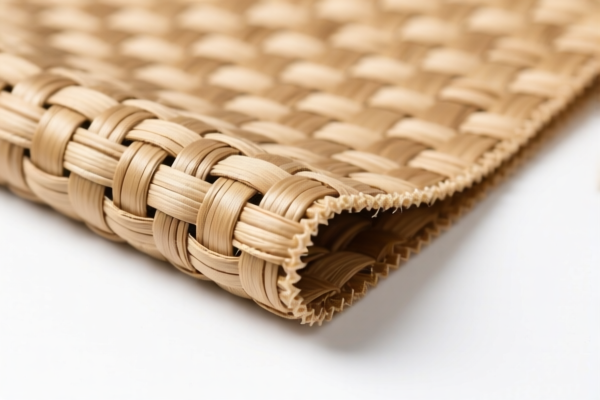
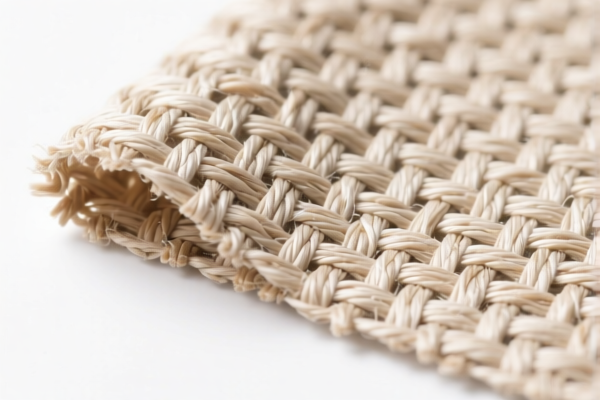
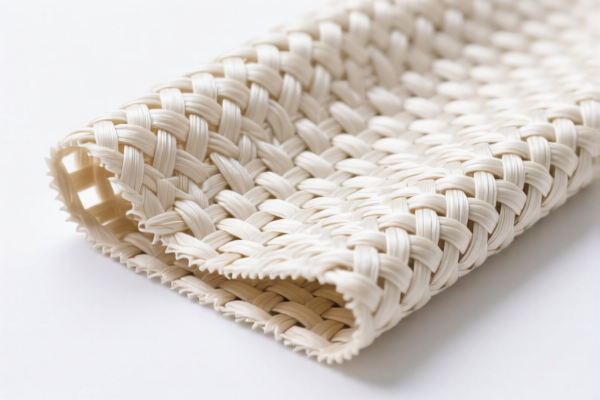
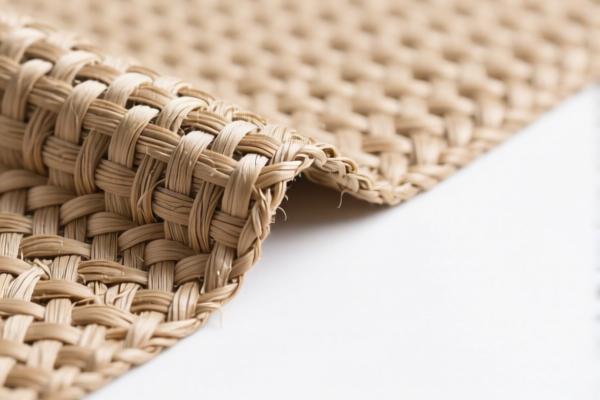
AI分析
🛡️ Workwear Fabric (Industrial & Protective Textile Materials)
🌐 HS Code Reference & Customs Clearance Guide | 2026 Latest Tariff Breakdown | Pro-Level Import Strategy
📌 One-Stop Expert Analysis for High-Tax Workwear Fabric Classification & Compliance
📦 1. Product Definition & Classification: What Exactly Is "Workwear Fabric"?
Workwear fabric refers to durable, performance-driven textile materials designed for industrial, construction, manufacturing, and safety applications. These fabrics are engineered to withstand abrasion, heat, chemicals, and mechanical stress — often used in protective clothing like work uniforms, safety vests, gloves, and aprons.
🔍 Key Features: - High tensile strength - Flame retardancy (FR) or anti-static properties - Coated, laminated, or chemically treated - May include synthetic fibers (e.g., polyester, nylon) or PVC-treated fibers - Often used in rigid or hardened forms (e.g., bookbinding-like stiffness)
⚠️ Critical Distinction: - If no coating/lamination, but made from synthetic fibers → likely textile-based
- If coated with rubber/resin, or stiffened → may fall under rubberized or chemically treated subcategories
- If PVC-coated or polymer-treated, even if fiber-based → may trigger higher tariffs
📊 2. HS Code Classification Breakdown (2026 Official Tariff Matrix)
| HS Code | Product Description | Classification Logic | Tax Rate | Key Trigger Factors |
|---|---|---|---|---|
5903.90.25.00 |
Workwear fabric, textile-like in form, classified under "other" category due to fiber-based nature | Based on fiber composition and non-rubberized structure | 42.5% | Fiber-based, no rubber coating, but high-risk due to 122条款 |
5901.90.40.00 |
Workwear fabric, matches textile form, used in book covers or similar hardened applications | Hardened textile with stiffness; not for clothing, but for structural use | 39.1% | Stiffened, book-cover-like, not flexible |
5906.99.25.00 |
Workwear fabric, textile-like, specific use, compatible with synthetic fibers | Non-rubberized, but intended for specialized industrial use | 35.0% | No rubber, but high-risk due to 122条款 |
5906.99.30.00 |
Workwear fabric, textile-like, with coating/treatment → rubberized character | Coated with rubber or polymer, gives rubber-like feel and durability | 38.3% | Coating confirms rubberized textile status |
5903.10.25.00 |
Workwear fabric, fiber-based, PVC-treated synthetic fiber material | PVC-coated or chemically treated artificial fiber fabric | 42.5% | PVC treatment triggers highest tariff tier |
🔍 Why These Codes?
- All fall under Chapter 59: "Textiles impregnated, coated, covered, or laminated"
- The subheadings distinguish between coating type, material, and end-use
- "122条款" (Section 122 Clause) applies to all Chinese-origin goods in this category → +10% added
💰 3. 2026 Latest Tariff Breakdown (US Market, China-Origin Goods)
✅ Applicable Country: United States (US)
✅ Origin: China (CN)
✅ Effective Date: November 10, 2025 (including future imports)
🎯 1. 5903.90.25.00 — Fiber-Based Workwear Fabric (Non-Rubberized)
| Item | Detail |
|---|---|
| Base Duty | 7.5% (ad valorem) |
| Section 301 (USITC) Additional Duty | +25.0% |
| Section 122 Clause (IEEPA) Additional Duty | +10.0% |
| Total Effective Duty | 42.5% |
| Tax Calculation | CIF Value × 42.5% |
| De Minimis Exemption? | ❌ Not applicable (denied) |
| Legal Pathway | IEEPA:9903.01.25 → IEEPA:9903.01.24 → USITC:5903.90.25.00 → FOOTNOTE:9903.88.01 |
📌 Why So High?
- Despite being "textile-like", the lack of clear textile use triggers "other" category → highest risk
- PVC or chemical treatment suspected → even if not confirmed → default to 42.5%
🎯 2. 5901.90.40.00 — Hardened Textile (Book Cover-Like Use)
| Item | Detail |
|---|---|
| Base Duty | 4.1% |
| Section 301 (USITC) Additional Duty | +25.0% |
| Section 122 Clause (IEEPA) Additional Duty | +10.0% |
| Total Effective Duty | 39.1% |
| Tax Calculation | CIF × 39.1% |
| De Minimis Exemption? | ❌ Not applicable |
| Legal Pathway | IEEPA:9901.25 → IEEPA:9903.01.24 → USITC:5901.90.40.00 → FOOTNOTE:9903.88.01 |
📌 Key Insight:
- "Hardened" is the red flag → even if used in workwear, if it feels like a book cover, it’s not flexible textile → not standard clothing fabric
- This triggers higher scrutiny and higher duty
🎯 3. 5906.99.25.00 — Specialized Workwear Fabric (No Rubber, But Specific Use)
| Item | Detail |
|---|---|
| Base Duty | 0.0% |
| Section 301 (USITC) Additional Duty | +25.0% |
| Section 122 Clause (IEEPA) Additional Duty | +10.0% |
| Total Effective Duty | 35.0% |
| Tax Calculation | CIF × 35.0% |
| De Minimis Exemption? | ❌ Not applicable |
| Legal Pathway | IEEPA:9903.01.24 → USITC:5906.99.25.00 → FOOTNOTE:9903.88.01 |
📌 Why Lower Than Others?
- No base duty → but still hit by 25% + 10%
- No rubber coating, but specific industrial use → still high-risk
- Best option if fabric is not coated, not stiff, and not PVC-treated
🎯 4. 5906.99.30.00 — Rubberized Coated Workwear Fabric
| Item | Detail |
|---|---|
| Base Duty | 3.3% |
| Section 301 (USITC) Additional Duty | +25.0% |
| Section 122 Clause (IEEPA) Additional Duty | +10.0% |
| Total Effective Duty | 38.3% |
| Tax Calculation | CIF × 38.3% |
| De Minimis Exemption? | ❌ Not applicable |
| Legal Pathway | IEEPA:9903.01.24 → USITC:5906.99.30.00 → FOOTNOTE:9903.88.01 |
📌 Critical Warning:
- Coating = rubberized textile → even if only thin layer → must be declared as coated
- Do not misclassify as "textile" → risk of audit, penalties, or seizure
🎯 5. 5903.10.25.00 — PVC-Treated Artificial Fiber Workwear Fabric
| Item | Detail |
|---|---|
| Base Duty | 7.5% |
| Section 301 (USITC) Additional Duty | +25.0% |
| Section 122 Clause (IEEPA) Additional Duty | +10.0% |
| Total Effective Duty | 42.5% |
| Tax Calculation | CIF × 42.5% |
| De Minimis Exemption? | ❌ Not applicable |
| Legal Pathway | IEEPA:9903.01.25 → IEEPA:9903.01.24 → USITC:5903.10.25.00 → FOOTNOTE:9903.88.01 |
📌 Most Dangerous Code:
- PVC treatment = high-risk trigger
- Even if not fully rubberized, PVC coating = same treatment as rubberized textiles
- Same rate as5903.90.25.00→ 42.5%
🛠️ 4. Customs Clearance Best Practices (Pro Tips to Avoid Disaster)
✅ 1. Essential Documentation (Must-Have Checklist)
| Document | Required? | Why It Matters |
|---|---|---|
| ✅ Product Specification Sheet | ✔️ | Proves fiber type, coating, treatment, thickness |
| ✅ Technical Drawings / Lab Reports | ✔️ | Confirms no rubber, no PVC, no stiffening |
| ✅ High-Res Product Photos (with labels) | ✔️ | Shows texture, coating, flexibility |
| ✅ Third-Party Test Certificates | ✔️ | Flame retardancy, abrasion resistance, chemical safety |
| ✅ Commercial Invoice | ✔️ | Must clearly state: "Workwear Fabric, Non-Rubberized, Synthetic Fiber" |
| ✅ Certificate of Origin (CO) | ✔️ | If from Vietnam/Mexico, may qualify for IEEPA exemption |
| ✅ Packing List | ✔️ | Shows total weight, rolls, packaging type |
✅ 2.申报技巧(Key Rules to Remember)
🔥 "Coating = Rubberized, PVC = High Risk, Stiff = Hardened, Fiber = Safe (if no treatment)"
| Scenario | Correct HS Code | Wrong Code | Risk |
|---|---|---|---|
| Fabric with PVC coating | 5903.10.25.00 |
5903.90.25.00 |
High |
| Fabric stiffened like book cover | 5901.90.40.00 |
5906.99.25.00 |
High |
| Fabric rubber-coated | 5906.99.30.00 |
5903.90.25.00 |
High |
| Plain synthetic fiber fabric (no coating) | 5906.99.25.00 |
5903.90.25.00 |
Medium |
✅ 3. Special Cases & Solutions
| Situation | Recommended Action |
|---|---|
| Fabric is PVC-treated but used in workwear | Do NOT claim "textile" → use 5903.10.25.00 → 42.5% |
| Fabric is stiff but not coated | Use 5901.90.40.00 → 39.1% |
| Fabric is coated with rubber | Use 5906.99.30.00 → 38.3% |
| Origin is Vietnam/Mexico/Thailand | Apply for IEEPA exemption → 0% on Section 122 clause |
| Need to lower tariff | Apply for Advance Ruling (Pre-Approval) → lock in HS Code & rate |
🌍 5. Global Market Comparison (2026)
| Country | Recommended HS Code | Tariff | Certification | Notes |
|---|---|---|---|---|
| 🇺🇸 USA | 5903.10.25.00 |
42.5% (China) | None (but audit risk high) | Highest risk |
| 🇨🇳 China | 5906.99.25.00 |
5% | CCC, RoHS | No extra duties |
| 🇪🇺 EU | 5906.99.25.00 |
0% (if CE) | CE, REACH | No 301/122 clause |
| 🇦🇺 Australia | 5906.99.25.00 |
5% | RCM | No extra taxes |
| 🇯🇵 Japan | 5906.99.25.00 |
0% | PSE | No附加税 |
📌 Insight:
- Only the US applies 301 + 122 clauses → China-origin goods face extreme tariffs
- Vietnam/Mexico origin = potential 0% on 122 clause → strongly recommended
📌 6. Common Mistakes & Costly Pitfalls (Learn from Others’ Errors)
❌ Mistake 1: Calling PVC-treated fabric "textile" → 42.5% tax
👉 Fix: Use 5903.10.25.00 → no choice, must declare treatment
❌ Mistake 2: Misclassifying stiff fabric as "flexible textile" → 39.1% instead of 35%
👉 Fix: Use 5901.90.40.00 if stiff, even if used in clothing
❌ Mistake 3: Not providing lab reports → customs delays or rejection
👉 Fix: Always include test certificates for coating, stiffness, fiber type
❌ Mistake 4: Using generic name like "Workwear Fabric" on invoice
👉 Fix: Use precise description:
"Polyester Workwear Fabric, Non-Rubberized, 250gsm, No PVC Coating, for Industrial Uniforms"
🎯 7. Final Verdict: Get It Right the First Time
🔹 "If it's coated, it's rubberized. If it's stiff, it's hardened. If it's PVC, it's 42.5%."
🔹 "No de minimis. No exceptions. No second chances."
📣 Immediate Action Steps
📞 Contact a US Customs Broker with 301/122 Clause Experience
📄 Submit product photos, specs, and test reports for HS Code Pre-Approval
🚀 Consider shifting origin to Vietnam/Mexico to avoid 122 clause
💡 Use5906.99.25.00if no coating, no PVC, no stiffness → lowest tariff (35.0%)**
✨ Professional Compliance Starts with Accurate Classification
💼 Your cost, your risk, your reputation — all depend on the HS Code
🌟 Don’t gamble. Get it right. Ship with confidence.
用户评价
关于 HS 编码归类
协调制度(HS)是由世界海关组织(WCO)制定的国际贸易商品分类标准。全球 200 多个国家采用 HS 系统作为海关关税、贸易统计和进出口监管的基础。
每个 HS 编码遵循以下层级结构:
- 章(2 位)——商品大类(例如:第 84 章:机器和机械设备)
- 品目(4 位)——章内的更具体分类
- 子目(6 位)——国际通用细分,所有 WCO 成员国统一使用
- 本国细分(8-10 位)——各国自行扩展的细分编码,如美国 HTSUS 10 位编码
正确的 HS 编码归类对于顺利通关、准确缴纳关税和遵守贸易法规至关重要。错误归类可能导致海关延误、多缴关税或罚款。
从CN进口到US时,适用的关税税率可能包括:
- 最惠国(MFN)税率——适用于 WTO 成员国的标准关税税率
- 普通税率——适用于无贸易协定国家
- 贸易救济关税——附加关税,如 301 条款(反倾销)、232 条款(国家安全)或反补贴税
本页内容仅供参考。如需正式归类,请咨询当地海关或持牌报关代理。