woven bag
CN → US| HS编码 | 关税税率 | 原产国 | 目的国 | 文档 |
|---|---|---|---|---|
| 4602112100 | 41.2% | CN | US | 官方文档 |
| 4202224020 | 42.4% | CN | US | 官方文档 |
| 4202228980 | 52.6% | CN | US | 官方文档 |
| 4602192920 | 40.3% | CN | US | 官方文档 |
| 3926903300 | 16.5% | CN | US | 官方文档 |
商品图片
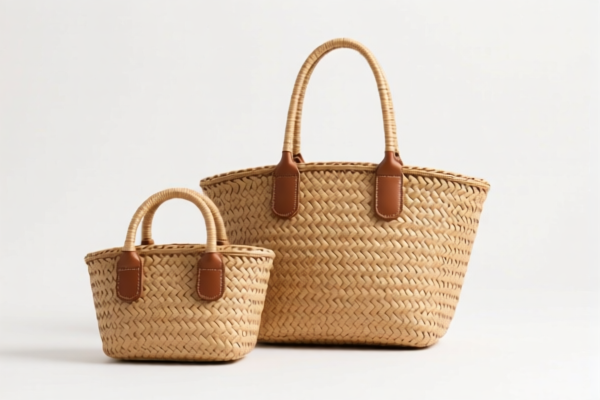
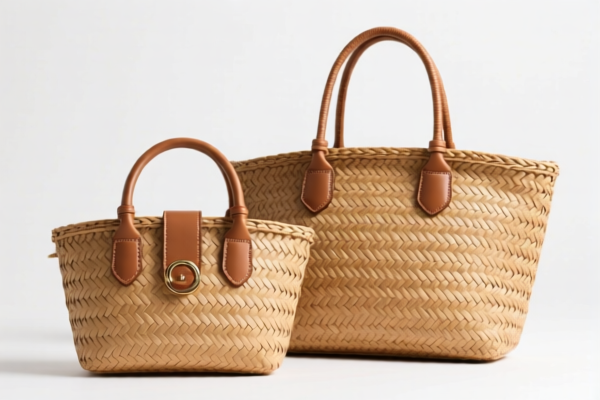
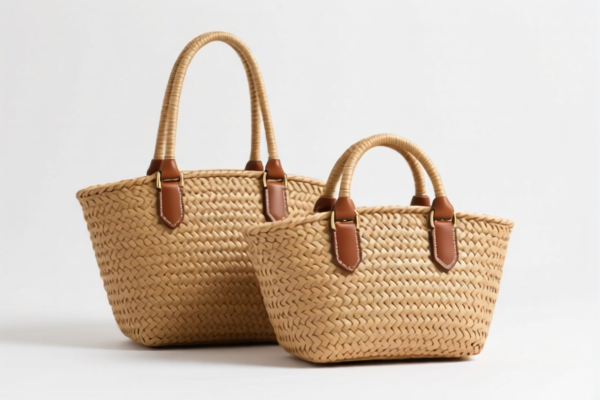
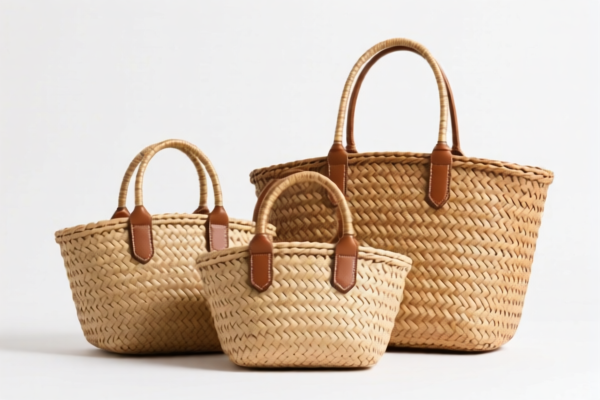
AI分析
🎒 Woven Bags & Accessories (Basketware, Handbags & Plastic Parts)
🌐 HS Code Reference & Customs Clearance Guide | 2026 Latest Tariff Analysis | Professional Entry Strategies
📌 I. Product Definition & Classification: Do You Really Understand "Woven Bags"?
"Woven Bags" are not a single category in international trade. They are strictly classified by material composition. A bag made of bamboo is treated completely differently from one made of synthetic fibers or plastic accessories. Misclassification leads to severe tariff penalties (up to 52.6% vs 16.5%).
Key Distinction Logic: 1. Natural Plant Materials (Bamboo/Rattan): Classified under Chapter 46. Low base duty, but subject to additional levies. 2. Textile/Woven Materials (Fabric/Straw-like): Classified under Chapter 42. Higher base duty, subject to additional levies. 3. Plastic Accessories: Classified under Chapter 39. Independent items, not the bag itself.
⚠️ Critical Warning:
- "Woven" does not mean "Textile" in HS Code terms. Plant-based weaving goes to Ch.46; Synthetic/Fabric weaving often goes to Ch.42.
- Accessories (like plastic clasps/handles) are declared separately from the main bag.
📦 II. HS Code Classification Details (2026 Latest Tariff Authority Match)
Based on the provided data, here are the exact HS Codes for "Woven Bags" and their components:
| HS Code | Product Description (Summary) | Material Basis | Chapter |
|---|---|---|---|
4602.11.21.00 |
Woven Handbags, Material: Bamboo, Rattan, etc. | Natural Plant Materials | 46 (Basketware) |
4202.22.40.20 |
Woven Handbags, Material: Woven Materials | Synthetic/Textile Woven | 42 (Articles of Apparel) |
4202.22.89.80 |
Woven Handbags, Material: Other Textile Materials | Other Textiles | 42 (Articles of Apparel) |
4602.19.29.20 |
Woven Handbags, Material: Plant Material Woven Products | Other Plant Fibers | 46 (Basketware) |
3926.90.33.00 |
Woven Bag Accessories, Material: Plastic Products | Plastic Parts | 39 (Plastics) |
🔍 Classification Logic:
- If it’s Bamboo/Rattan → Go to4602.11.21.00or4602.19.29.20.
- If it’s Fabric/Synthetic Woven → Go to4202.22.40.20or4202.22.89.80.
- If it’s a Plastic Buckle/Handle → Go to3926.90.33.00.
💰 III. 2026 Latest Tariff Rate Breakdown (Including Surcharges & Policies)
✅ Applicable Country: United States (US)
✅ Origin: China (CN)
✅ Effective Time: Current (Post-2024 Trade Actions)
🎯 1. 4602.11.21.00 & 4602.19.29.20 —— Plant-Based Woven Bags (Bamboo/Rattan)
| Item | Content |
|---|---|
| Base Duty Rate | 5.3% - 6.2% (Ad Valorem) |
| Section 301 Surtax | +25.0% (China-specific punitive tariff) |
| Section 122 Tariff | +10.0% (Specific China-related surcharge) |
| Total Effective Rate | 40.3% - 41.2% |
| Tax Calculation | CIF Value × Total Rate |
| De Minimis Exemption? | ❌ NO (Section 321 threshold does not apply to these surcharges) |
| Legal Basis Path | HTSUS:4602 → USITC Footnote: Section 301 → IEEPA: Section 122 |
📌 Explanation:
- Base Duty (5.3%-6.2%): Standard MFN rate for basketware.
- +25% (Section 301): High-level punitive tariff on Chinese goods.
- +10% (Section 122): Additional surcharge targeting specific Chinese imports.
- Total ~41%: This is a high-cost category. Profit margins must account for this.
🎯 2. 4202.22.40.20 —— Woven Handbags (Woven Materials)
| Item | Content |
|---|---|
| Base Duty Rate | 7.4% (Ad Valorem) |
| Section 301 Surtax | +25.0% |
| Section 122 Tariff | +10.0% |
| Total Effective Rate | 42.4% |
| Tax Calculation | CIF Value × 42.4% |
| De Minimis Exemption? | ❌ NO |
| Legal Basis Path | HTSUS:4202 → USITC Footnote: Section 301 → IEEPA: Section 122 |
📌 Note:
- Slightly higher base duty than bamboo bags due to textile manufacturing complexity.
- Total 42.4% is among the higher tiers for general consumer goods from China.
🎯 3. 4202.22.89.80 —— Woven Handbags (Other Textile Materials)
| Item | Content |
|---|---|
| Base Duty Rate | 17.6% (Ad Valorem) |
| Section 301 Surtax | +25.0% |
| Section 122 Tariff | +10.0% |
| Total Effective Rate | 52.6% |
| Tax Calculation | CIF Value × 52.6% |
| De Minimis Exemption? | ❌ NO |
| Legal Basis Path | HTSUS:4202 → USITC Footnote: Section 301 → IEEPA: Section 122 |
📌 Warning:
- This is the most expensive category for woven bags.
- "Other textile materials" often include complex synthetic weaves or mixed fabrics, attracting the highest base duty.
- Over 50% total tax makes this product line highly sensitive to price changes.
🎯 4. 3926.90.33.00 —— Plastic Accessories for Woven Bags
| Item | Content |
|---|---|
| Base Duty Rate | 6.5% (Ad Valorem) |
| Section 301 Surtax | +0.0% |
| Section 122 Tariff | +10.0% |
| Total Effective Rate | 16.5% |
| Tax Calculation | CIF Value × 16.5% |
| De Minimis Exemption? | ❌ NO (Still subject to Section 122) |
| Legal Basis Path | HTSUS:3926 → USITC Footnote: No Section 301 → IEEPA: Section 122 |
📌 Strategic Insight:
- Section 301 (25%) does NOT apply to many plastic accessories (depending on specific subheading rulings).
- Only +10% (Section 122) applies.
- Total 16.5% is significantly lower than the bags themselves.
- Optimization Tip: If possible, separate accessories (handles, buckles) from the main bag for declaration to leverage this lower rate, provided they are distinct products.
🛠️ IV. Customs Clearance Practical Advice (Battle-Tested Pitfall Avoidance)
✅ 1. Preparation Checklist (Non-Negotiable)
| Document | Required? | Explanation |
|---|---|---|
| ✅ Product Photos | ✔️ | Must clearly show material texture (bamboo vs. fabric vs. plastic). |
| ✅ Material Composition Statement | ✔️ | Explicitly state: "100% Bamboo Rattan" or "Polyester Woven". |
| ✅ Commercial Invoice | ✔️ | Must list HS Code explicitly. Do not just write "Bag". |
| ✅ Packing List | ✔️ | Separate bags from plastic accessories if declaring separately. |
| ✅ Supply Chain Proof | ✔️ | Proof of Chinese origin to anticipate Section 301/122 duties. |
✅ 2. Declaration Strategy (Key Mantra)
🔥 "Material First, Section 301 Check, Separate Accessories, Save 25%!"
| Scenario | Correct Declaration | Wrong Practice |
|---|---|---|
| Bamboo Rattan Bag | 4602.11.21.00 (Base 6.2%) |
Misdeclare as Fabric Bag → 42.4% |
| Fabric Woven Bag | 4202.22.40.20 (Base 7.4%) |
Misdeclare as Plant Fiber → Audit Risk |
| Mixed Bag (Bag + Plastic Handle) | Declare Bag + Declare Handle Separately | Combine into one line item → Risk of misclassification |
| Plastic Buckle Only | 3926.90.33.00 (Total 16.5%) |
Declare as part of Bag → Lose savings |
✅ 3. Special Handling Cases
| Situation | Advice |
|---|---|
| Mixed Materials (e.g., Bamboo frame + Fabric lining) | Classify based on principal material or essential character. If fabric dominates, use Ch.42 codes (Higher tax!). |
| Section 122 (10%) | This tariff is new/variable. Verify current enforcement status. It applies to all listed items. |
| De Minimis (800 USD) | ❌ DO NOT Rely on Section 321. Section 301 and Section 122 duties bypass the de minimis exemption for Chinese goods. |
| OEM/ODM Brands | Provide design specs to prove material composition. Customs may inspect for "substantial transformation" if sourcing from third countries. |
🌍 V. Global Market Comparison (2026)
| Country/Region | Recommended HS Code | Est. Total Duty (CN Origin) | Key Certifications | Notes |
|---|---|---|---|---|
| 🇺🇸 USA | 4602.11.21.00 / 4202.22.40.20 |
40.3% - 52.6% | None specific, but proof of origin needed | High barriers due to 301+122 tariffs. |
| 🇨🇳 China | 4602.11.21.00 / 4202.22.40.20 |
5% - 7% | None | Domestic consumption, low duty. |
| 🇪🇺 EU | 4602.19 / 4202.22 |
4% - 6% | CE (if electronic), EPR (packaging) | No Section 301/122. Much cheaper than US. |
| 🇬🇧 UK | 4602.19 / 4202.22 |
6% | UKCA (if applicable) | Post-Brexit rules apply, but no punitive tariffs. |
📌 Strategic Conclusion:
- USA Market: High risk, high cost. Optimization is critical. Consider separating plastic accessories (3926.90.33.00) to save 25% on those parts.
- EU/UK Market: Significantly more favorable for woven bags from China.
- Recommendation: If targeting the US, ensure precise material declaration to avoid being reclassified into the highest bracket (4202.22.89.80at 52.6%).
📌 VI. Common Mistakes & Pitfalls (Lessons Learned)
❌ Mistake 1: Declaring a Fabric Bag as Bamboo to avoid higher base duty.
👉 Consequence: Customs inspection reveals fabric fibers → Reclassification + Penalties + Back Taxes.
❌ Mistake 2: Ignoring Section 122 (10%).
👉 Consequence: Underpayment of 10% on all items → Interest and fines.
❌ Mistake 3: Combining Plastic Accessories into the bag declaration.
👉 Consequence: You pay Section 301 (25%) on the plastic parts, which could have been taxed at 0% Section 301 (only 10% Section 122). Loss of 15% on accessories.
✅ Correct Approach:
"Woven Bamboo Handbag, Model XYZ, 100% Natural Rattan, With Plastic Clasp (Declared Separately as Plastic Accessory)."
🎯 VII. Conclusion: Precision Saves Profits!
🎯 Remember the Mantra:
🔹 "Plant Fiber = Ch.46, Fabric = Ch.42, Plastic = Ch.39."
🔹 "Section 301 (+25%) is the killer, Section 122 (+10%) is the tax."
🔹 "Separate plastic parts to save 25%!"
📌 Pro Tip:
If your woven bags contain more than 10% synthetic lining, customs may reclassify them under Ch.42 (Textiles), jumping your tax from 41.2% to 42.4% or 52.6%. Keep material purity high or declare accurately to avoid surprise reclassification.
📣 Immediate Action:
📞 Review your BOM (Bill of Materials).
🚀 Separate Plastic Accessories (3926.90.33.00) from Bags in your Commercial Invoice.
💰 Calculate the 16.5% vs 40%+ differential. This simple change can save ~25% tax on accessory costs.
✨ Professional Customs Clearance Starts with Accurate Classification!
💼 Every percentage point of tariff is money in your pocket—if managed correctly!
用户评价
关于 HS 编码归类
协调制度(HS)是由世界海关组织(WCO)制定的国际贸易商品分类标准。全球 200 多个国家采用 HS 系统作为海关关税、贸易统计和进出口监管的基础。
每个 HS 编码遵循以下层级结构:
- 章(2 位)——商品大类(例如:第 84 章:机器和机械设备)
- 品目(4 位)——章内的更具体分类
- 子目(6 位)——国际通用细分,所有 WCO 成员国统一使用
- 本国细分(8-10 位)——各国自行扩展的细分编码,如美国 HTSUS 10 位编码
正确的 HS 编码归类对于顺利通关、准确缴纳关税和遵守贸易法规至关重要。错误归类可能导致海关延误、多缴关税或罚款。
从CN进口到US时,适用的关税税率可能包括:
- 最惠国(MFN)税率——适用于 WTO 成员国的标准关税税率
- 普通税率——适用于无贸易协定国家
- 贸易救济关税——附加关税,如 301 条款(反倾销)、232 条款(国家安全)或反补贴税
本页内容仅供参考。如需正式归类,请咨询当地海关或持牌报关代理。