woven cotton fabric
CN → US| HS编码 | 关税税率 | 原产国 | 目的国 | 文档 |
|---|---|---|---|---|
| 5208114020 | 44.0% | CN | US | 官方文档 |
| 5209110050 | 41.5% | CN | US | 官方文档 |
| 5208112020 | 42.0% | CN | US | 官方文档 |
| 5209210050 | 42.7% | CN | US | 官方文档 |
| 5210114040 | 25.9% | CN | US | 官方文档 |
商品图片
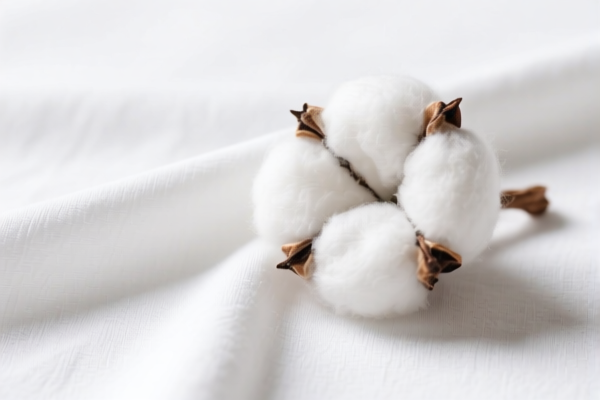
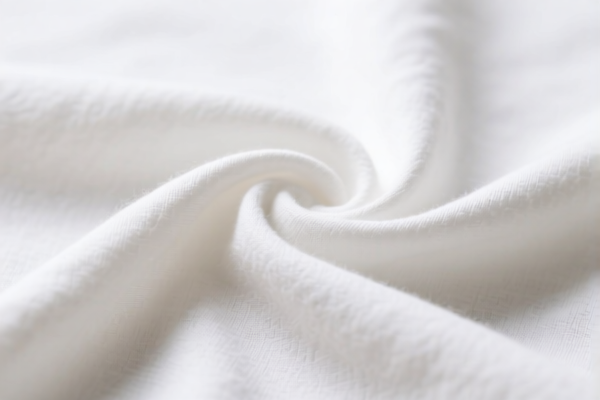
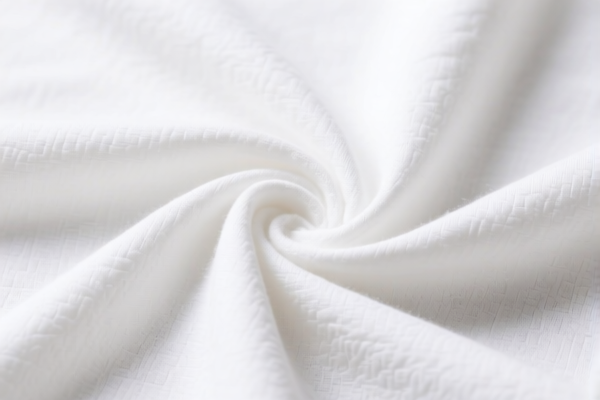
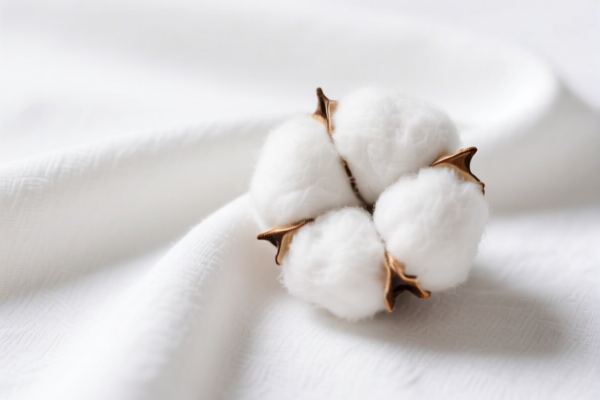
AI分析
🧵 Woven Cotton Fabric (棉制机织物)
🌐 HS Code Reference & Clearance Guide | 2026 Latest Tariff Analysis | Specialized US Entry Strategy
📌 1. Product Definition & Classification: Do You Really Understand "Woven Cotton"?
Woven cotton fabric is one of the most fundamental textile materials in global trade, used extensively in apparel, home textiles, and industrial applications. In international trade, it is primarily classified under Chapter 52 (Cotton). However, the specific HS Code and resulting tariff burden depend heavily on: * Weave Type & Weight: Plain weave, twill, satin, etc. * Yarn Composition: 100% cotton vs. blends (though your data specifies 100% cotton). * Color/Processing: Bleached, dyed, or printed (indicated by the 8-digit suffixes in the HS codes below).
⚠️ Key Distinction Point:
- If the fabric is not yet converted into garments → It is classified under Chapter 52.
- If it is part of a garment (e.g., a t-shirt) → It is classified under Chapter 61 (Knitted/Crocheted) or 62 (Non-knitted).
- Critical for Customs: Ensure the description clearly states "Woven" (not knitted) and "100% Cotton" to avoid misclassification penalties.
📦 2. HS Code Classification Details (2026 Latest Tariff Alignment)
Based on the provided data, all items are 100% Cotton Woven Fabrics. The slight variations in HS codes reflect different weave structures, weights, or finishing processes (bleached vs. dyed).
| HS Code | Product Description | Typical Application/Characteristics |
|---|---|---|
5208.11.40.20 |
Woven Cotton Fabric, Bleached | Plain weave, bleached cotton cloth (often used for shirting, sheets). |
5209.11.00.50 |
Woven Cotton Fabric, Bleached | Twill weave, bleached cotton cloth (often used for denim, workwear). |
5208.11.20.20 |
Woven Cotton Fabric, Bleached | Plain weave, bleached (specific weight/finish variant). |
5209.21.00.50 |
Woven Cotton Fabric, Dyed/Printed | Dyed or printed cotton fabric (colorfastness critical). |
5210.11.40.40 |
Woven Cotton Fabric, Bleached (Finer Yarn) | Cotton fabric with finer yarn count, bleached (often used for high-end apparel). |
🔍 Important Note:
- All these codes fall under Chapter 52 (Cotton).
- The first 4 digits (5208,5209,5210) determine the broad category:
-5208: Cotton fabric, weighing ≤ 200 g/m², plain weave.
-5209: Cotton fabric, weighing > 200 g/m², plain/twill/satin weave.
-5210: Cotton fabric, weighing ≤ 200 g/m², with yarn count < 12.5 tex (finer yarns).
- The last digits (40,20,50, etc.) indicate specific finishing (bleached vs. dyed) and weave details.
💰 3. 2026 Latest Tariff Rate Breakdown (Including Additional Taxes & Policy Surcharges)
✅ Applicable Country: United States (US)
✅ Country of Origin: China (CN)
✅ Effective Time: Current rates as per 2026 tariff schedule
🎯 1. 5208.11.40.20 & 5208.11.20.20 —— Bleached Plain Weave Cotton (<200g/m²)
| Item | Content |
|---|---|
| Base Tariff Rate | 9.0% (for 5208.11.40.20) / 7.0% (for 5208.11.20.20) |
| Section 301 Additional Tariff | +25.0% (USITC Footnote 9903.71.03) |
| IEEPA Section 122 Tariff | +10.0% (Targeted Chinese products) |
| Total Tariff Rate | 44.0% (for .40.20) / 42.0% (for .20.20) |
| Tax Calculation | CIF Value × Total Rate |
| De Minimis Exemption Eligible? | ❌ NO (High-duty textile products are generally excluded from Section 321 de minimis relief if subject to Section 301) |
| Legal Basis Path | USITC:5208.11.40.20 → FOOTNOTE:9903.71.03 → IEEPA:9903.01.25 |
📌 Explanation:
- Base Tariff: Standard MFN rate for cotton fabrics.
- Section 301 (25%): Applies to most Chinese textiles due to trade war policies.
- Section 122 (10%): Specific surcharge on Chinese goods under recent executive orders.
- Total: 42-44%, which is extremely high for raw fabric. Importers must factor this into cost models.
🎯 2. 5209.11.00.50 —— Bleached Heavy Weave Cotton (>200g/m²)
| Item | Content |
|---|---|
| Base Tariff Rate | 6.5% |
| Section 301 Additional Tariff | +25.0% |
| IEEPA Section 122 Tariff | +10.0% |
| Total Tariff Rate | 41.5% |
| Tax Calculation | CIF Value × 41.5% |
| De Minimis Exemption Eligible? | ❌ NO |
| Legal Basis Path | USITC:5209.11.00.50 → FOOTNOTE:9903.71.03 → IEEPA:9903.01.25 |
📌 Note:
- Slightly lower base tariff (6.5%) due to different weave/weight classification, but still subject to the same punitive tariffs.
- Commonly used for denim, canvas, and workwear fabrics.
🎯 3. 5209.21.00.50 —— Dyed/Printed Cotton Fabric (>200g/m²)
| Item | Content |
|---|---|
| Base Tariff Rate | 7.7% |
| Section 301 Additional Tariff | +25.0% |
| IEEPA Section 122 Tariff | +10.0% |
| Total Tariff Rate | 42.7% |
| Tax Calculation | CIF Value × 42.7% |
| De Minimis Exemption Eligible? | ❌ NO |
| Legal Basis Path | USITC:5209.21.00.50 → FOOTNOTE:9903.71.03 → IEEPA:9903.01.25 |
📌 Note:
- Dyed or printed fabrics often have slightly higher base tariffs due to added processing value.
- Colorfastness testing reports may be requested by CBP to verify "dyed" status.
🎯 4. 5210.11.40.40 —— Fine Yarn Bleached Cotton (≤200g/m²)
| Item | Content |
|---|---|
| Base Tariff Rate | 8.4% |
| Section 301 Additional Tariff | +7.5% |
| IEEPA Section 122 Tariff | +10.0% |
| Total Tariff Rate | 25.9% |
| Tax Calculation | CIF Value × 25.9% |
| De Minimis Exemption Eligible? | ❌ NO |
| Legal Basis Path | USITC:5210.11.40.40 → FOOTNOTE:9903.71.03 → IEEPA:9903.01.25 |
📌 Crucial Difference:
- Section 301 Rate is only 7.5% (not 25%) for this specific subheading. This is a significant cost saver!
- This applies to finer yarn counts (higher thread count fabrics).
- Total Rate: 25.9% is nearly half of the other categories.
- Verification Required: Must provide detailed yarn count specifications (e.g., 60s, 80s, 100s) to justify this lower rate.
🛠️ 4. Customs Clearance Practical Advice (Real-World Pitfall Guide)
✅ 1. Documentation Checklist (Non-Negotiable)
| Document | Mandatory? | Description |
|---|---|---|
| ✅ Commercial Invoice | ✔️ | Must clearly state "Woven Cotton Fabric," weight (g/m²), yarn count, and HS Code. |
| ✅ Packing List | ✔️ | Detail roll length, weight, and package type. |
| ✅ Certificate of Origin | ✔️ | Proves Chinese origin (triggers tariffs). |
| ✅ Test Reports | ✔️ | Yarn count verification (critical for 5210), colorfastness (for dyed goods), and composition analysis. |
| ✅ Bill of Lading/AWB | ✔️ | Standard shipping document. |
✅ 2. Declaration Strategy (Key Mnemonics)
🔥 "Verify Yarn Count, Check Weave Weight, Declare Exactly!"
| Scenario | Correct Declaration | Incorrect Practice |
|---|---|---|
| Fine Yarn (<200g/m²) | Use 5210.11.40.40 |
Misdeclare as 5208 → Overpay by ~18%! |
| Heavy Weave (>200g/m²) | Use 5209.11.00.50 |
Misdeclare as 5208 → Underpay → Penalty! |
| Dyed vs. Bleached | Specify "Bleached" or "Dyed" in description | Vague description → CBP Ruling Delay |
| Cotton Blend | If >85% cotton, still Chapter 52 | Declare as synthetic → Major Fraud Risk |
✅ 3. Special Circumstances Handling
| Situation | Handling Advice |
|---|---|
| OEM Fabric for US Brands | Provide manufacturer letter confirming fabric specs. Ensure HS code matches sample. |
| Sample Shipments | Even samples are subject to duties if >$800 (though de minimis may apply for low-value, high-duty items are risky). |
| Disputed Yarn Count | CBP may request lab tests. Have independent lab results ready to prove fine yarn count for 5210 classification. |
| Transshipment | Do NOT re-export via third countries to hide Chinese origin. CBP tracks supply chains closely. |
🌍 5. Global Market Clearance Comparison (2026 Latest)
| Country/Region | Recommended HS Code | Tariff (China Origin) | Certification Requirements | Notes |
|---|---|---|---|---|
| 🇺🇸 USA | 5210.11.40.40 |
25.9% | FDA (if food contact), CPSIA (if children's) | Highest duty risk. 5208/5209 at 41-44%. |
| 🇨🇳 China | 5208/5209/5210 |
5-8% | GB Standards | Low duty. Export rebates may apply. |
| 🇪🇺 EU | 5208/5209/5210 |
6.5-9.5% | REACH, Oeko-Tex | No Section 301 equivalent. Lower burden. |
| 🇬🇧 UK | 5208/5209/5210 |
6.5-9.5% | UKCA, REACH | Post-Brexit alignment with EU. |
| 🇨🇦 Canada | 5208/5209/5210 |
0-12% | CSA (if applicable) | CUSMA benefits if non-Chinese origin. |
📌 Conclusion:
- USA is the most expensive market for Chinese woven cotton fabrics due to Section 301 and IEEPA tariffs.
- Strategy: If possible, source from Vietnam, Bangladesh, or India for US entry to avoid high duties.
- For5210: Highlight fine yarn count to benefit from the lower 7.5% Section 301 rate.
📌 6. Common Errors & Pitfall Guide (Lessons Learned)
❌ Error 1: Declaring "Cotton Fabric" without specifying weave or weight.
👉 Consequence: CBP assigns worst-case HS code (e.g., 5208 instead of 5210) → Overpayment by 18%.
❌ Error 2: Not providing yarn count verification for 5210.
👉 Consequence: CBP reclassifies to 5208 → Retroactive duties + penalties.
❌ Error 3: Mixing bleached and dyed fabrics in one shipment without clear breakdown.
👉 Consequence: CBP may apply the higher tariff rate (42.7%) to the entire shipment.
❌ Error 4: Ignoring IEEPA Section 122 surcharge.
👉 Consequence: Underpayment of 10% → Audits and seizures.
✅ Correct Practice:
"Woven Cotton Fabric, 100% Cotton, Bleached, Plain Weave, 120g/m², Yarn Count 60s/40s, HS Code 5210.11.40.40, Made in China"
🎯 7. Conclusion: Precision in Classification Saves Money!
🎯 Remember the Mantra:
🔹 "Yarn Count is King:
5210saves 18%!
🔹 "Weight Matters:5208vs5209changes base rate!
🔹 "Section 301 + IEEPA = High Cost. Plan Ahead!"
📌 Pro Tip:
If you are importing large volumes, consider Section 321 De Minimis strategies only for low-value items (<$800), but be aware that high-duty textiles are often scrutinized. For bulk shipments, Advance Rulings from CBP are highly recommended to lock in the correct HS code and tariff rate.
📣 Immediate Action:
📞 Contact a licensed customs broker + Provide detailed fabric specs (weave, weight, yarn count) + Request HS Code Pre-ruling.
🚀 Ensure smooth clearance, minimize duties, and maximize profit!
✨ Professional clearance starts with accurate classification!
💼 Every percentage point of tariff difference impacts your bottom line!
用户评价
关于 HS 编码归类
协调制度(HS)是由世界海关组织(WCO)制定的国际贸易商品分类标准。全球 200 多个国家采用 HS 系统作为海关关税、贸易统计和进出口监管的基础。
每个 HS 编码遵循以下层级结构:
- 章(2 位)——商品大类(例如:第 84 章:机器和机械设备)
- 品目(4 位)——章内的更具体分类
- 子目(6 位)——国际通用细分,所有 WCO 成员国统一使用
- 本国细分(8-10 位)——各国自行扩展的细分编码,如美国 HTSUS 10 位编码
正确的 HS 编码归类对于顺利通关、准确缴纳关税和遵守贸易法规至关重要。错误归类可能导致海关延误、多缴关税或罚款。
从CN进口到US时,适用的关税税率可能包括:
- 最惠国(MFN)税率——适用于 WTO 成员国的标准关税税率
- 普通税率——适用于无贸易协定国家
- 贸易救济关税——附加关税,如 301 条款(反倾销)、232 条款(国家安全)或反补贴税
本页内容仅供参考。如需正式归类,请咨询当地海关或持牌报关代理。