woven curtains
CN → US| HS编码 | 关税税率 | 原产国 | 目的国 | 文档 |
|---|---|---|---|---|
| 6303922050 | 28.8% | CN | US | 官方文档 |
| 6303910010 | 27.8% | CN | US | 官方文档 |
| 6303192110 | 23.9% | CN | US | 官方文档 |
| 6303922010 | 28.8% | CN | US | 官方文档 |
| 6303192110 | 23.9% | CN | US | 官方文档 |
商品图片
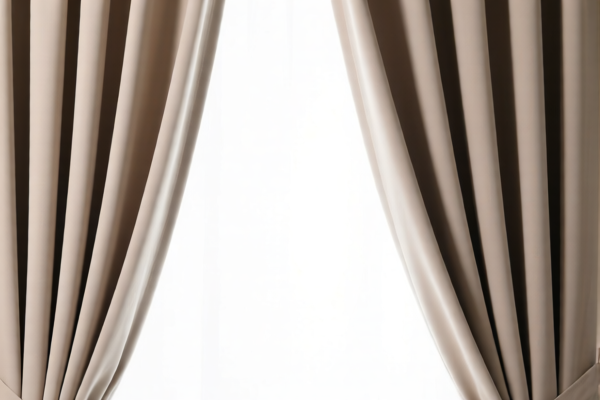
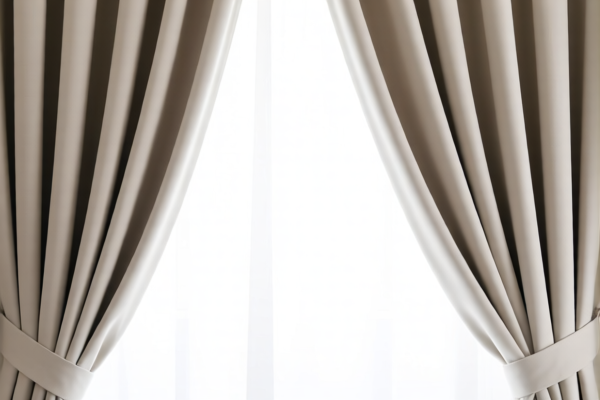
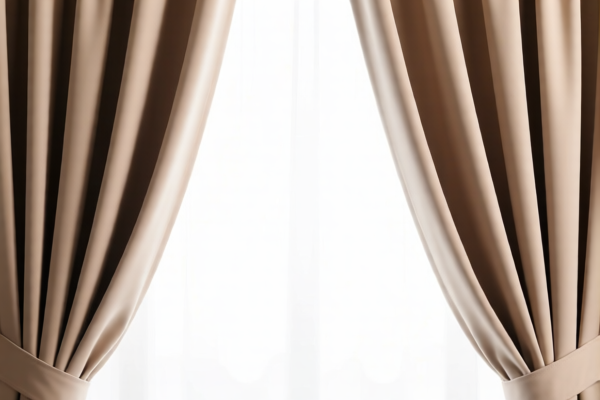
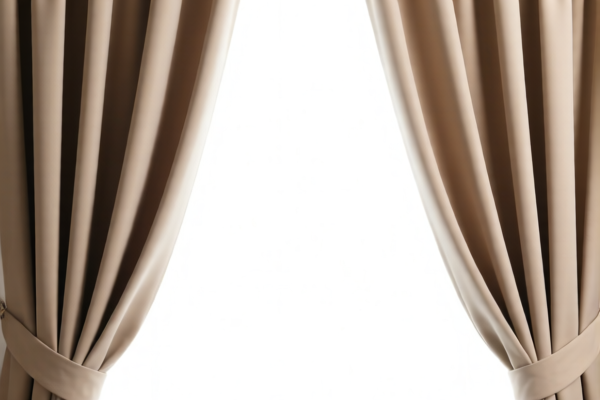
AI分析
🏠 Woven Curtains (Textile Home Decor)
🌐 HS Code Reference & Customs Clearance Guide | 2026 Latest Tariff Analysis | Professional-Level Strategy
📌 I. Product Definition & Classification: Do You Really Understand "Woven Curtains"?
Woven curtains are essential textile products used for window dressing, light control, and interior decoration. In international trade, classification hinges primarily on material composition and manufacturing process (Knitted/Crocheted vs. Woven).
- Woven Curtains: Made by interlacing warp and weft yarns. Classified under Chapter 63.
- Knitted/Crocheted Curtains: Made by looping yarns. Classified under Chapter 60/63 depending on specific subtype.
⚠️ Critical Distinction:
- If the curtain is knitted or crocheted → Falls under 6303.19.
- If the curtain is woven (fabric type) → Falls under 6303.92 or 6303.91 based on material (Synthetic vs. Cotton/Linen).
- Misclassification Risk: Declaring a woven synthetic curtain as "knitted" (6303.19) to lower the base tariff can lead to significant penalties and delays if customs verifies the weave structure.
📦 II. HS Code Classification Details (2026 Latest Tariff Authority Match)
| HS Code | Product Description | Material Inference | Total Tax Rate | Tax Breakdown |
|---|---|---|---|---|
6303.92.20.50 |
Woven curtains; material inferred as synthetic fibers or other fibers; fits "other" category fallback | Synthetic/Other Fibers | 28.8% | Base: 11.3% + Section 301: 7.5% + Section 122: 10% |
6303.91.00.10 |
Woven curtains; material inferred as cotton, linen, or synthetic fibers; fits "other cotton" category | Cotton/Linen/Synthetic Blend | 27.8% | Base: 10.3% + Section 301: 7.5% + Section 122: 10% |
6303.19.21.10 |
Curtains; form fits knitted or crocheted category; material inferred as man-made fibers | Man-made Fibers (Knitted/Crocheted) | 23.9% | Base: 6.4% + Section 301: 7.5% + Section 122: 10% |
6303.92.20.10 |
Curtains; material inferred as synthetic fibers or common textile fibers; fits specific code | Synthetic Fibers | 28.8% | Base: 11.3% + Section 301: 7.5% + Section 122: 10% |
6303.19.21.10 |
Textile curtains; material inferred as fibers or man-made fibers; meets classification requirements | Fiber/Man-made (Knitted/Crocheted) | 23.9% | Base: 6.4% + Section 301: 7.5% + Section 122: 10% |
🔍 Key Reminder:
- Woven vs. Knitted: The physical texture determines the major heading. Woven = Chapter 63 Part II (mostly); Knitted = Chapter 63 Part I or 60.
- Material Matters: Synthetic fibers (6303.92) generally have a higher base tariff (11.3%) than Cotton/Linen (6303.91, 10.3%).
- Uniform Surcharge: All listed codes include a 7.5% Section 301 tariff and a 10% Section 122 tariff for Chinese-origin goods, making the total burden significantly higher than the base rate.
💰 III. 2026 Latest Tariff Rate Details (Including Surcharges & Policy Add-ons)
✅ Applicable Country: United States (US)
✅ Country of Origin: China (CN)
✅ Effective Time: 2025/2026 (Current Trade War Policies)
🎯 1. 6303.92.20.50 & 6303.92.20.10 —— Woven Curtains (Synthetic Fibers)
| Item | Content |
|---|---|
| Base Tariff | 11.3% (ad valorem) |
| Section 301 Surcharge | +7.5% (Trade Remedy) |
| Section 122 Surcharge | +10% (Specific Clause 122) |
| Total Rate | 28.8% |
| Tax Calculation | CIF Value × 28.8% |
| De Minimis Eligibility | ❌ No (High-value textile imports often excluded from 800USD exemption depending on specific rules, but generally risky for bulk) |
| Legal Path | HTS:6303.92 → Footnote:122 → Footnote:301 |
📌 Explanation:
- "Base 11.3%": The standard MFN rate for woven curtains made of synthetic fibers.
- "Section 301 +7.5%": Part of the ongoing US-China trade tensions, applying to textiles not otherwise excluded.
- "Section 122 +10%": A specific additional levy applicable to certain Chinese textile imports under current executive orders.
- Total 28.8%: This is a high-cost category. Profit margins must account for nearly 30% in duties alone.
🎯 2. 6303.91.00.10 —— Woven Curtains (Cotton/Linen Mix)
| Item | Content |
|---|---|
| Base Tariff | 10.3% |
| Section 301 Surcharge | +7.5% |
| Section 122 Surcharge | +10% |
| Total Rate | 27.8% |
| Tax Calculation | CIF Value × 27.8% |
| De Minimis Eligibility | ❌ No |
| Legal Path | HTS:6303.91 → Footnote:122 → Footnote:301 |
📌 Note:
- Slightly cheaper than synthetic woven curtains due to a 1.0% lower base tariff.
- If your product contains significant cotton/linen content, this code may apply, but customs will scrutinize the fiber composition ratio.
- "Other cotton" category implies it's not 100% cotton or doesn't fit specific cotton sub-codes, acting as a general fallback.
🎯 3. 6303.19.21.10 —— Knitted/Crocheted Curtains (Man-made Fibers)
| Item | Content |
|---|---|
| Base Tariff | 6.4% |
| Section 301 Surcharge | +7.5% |
| Section 122 Surcharge | +10% |
| Total Rate | 23.9% |
| Tax Calculation | CIF Value × 23.9% |
| De Minimis Eligibility | ❌ No |
| Legal Path | HTS:6303.19 → Footnote:122 → Footnote:301 |
📌 Crucial Warning:
- This code offers the lowest total tax rate (23.9%) among the options.
- HOWEVER, it strictly requires the product to be Knitted or Crocheted.
- DO NOT use this code for woven curtains to save 4.9%. Customs labs can easily detect weaving patterns. Misdeclaration leads to fraud allegations, fines, and seizure.
- Only use if the product is genuinely a knit curtain (e.g., jersey fabric, lace knit).
🛠️ IV. Customs Clearance Practical Advice (Real-World Pitfall Avoidance)
✅ 1. Document Checklist (Non-negotiable)
| Document | Required | Explanation |
|---|---|---|
| ✅ Product Specification Sheet | ✔️ | Must detail: Material % (e.g., 100% Polyester), Weave Type (Woven/Knit), GSM (Grams per Square Meter). |
| ✅ Fabric Swatch/Photo | ✔️ | High-res photo showing weave structure (Cross-hatch for woven, looped for knitted). |
| ✅ Commercial Invoice | ✔️ | Must state "Woven Curtains" or "Knitted Curtains" accurately. Avoid vague terms like "Home Decor." |
| ✅ Packing List | ✔️ | Detail dimensions, quantity, and weight. |
| ✅ Labeling | ✔️ | Permanent label on product: Fiber Content, Country of Origin (Made in China). |
| ✅ Certificate of Origin | ✔️ | Proof of Chinese origin triggers the 17.5% surcharges (7.5% + 10%). |
✅ 2. Declaration Tactics (Key Mnemonics)
🔥 “Weave Check, Fiber True, Code Precise, Duties Clear!”
| Scenario | Correct Declaration | Wrong Approach | Consequence |
|---|---|---|---|
| 100% Polyester Woven Curtain | 6303.92.20.50 (Synthetic Woven) |
Misdeclare as Knitted (6303.19) |
28.8% vs 23.9% penalty + Audit |
| Cotton Blend Woven Curtain | 6303.91.00.10 (Cotton/Linen Other) |
Misdeclare as Synthetic | Base rate error (10.3% vs 11.3%) |
| Knitted Lace Curtain | 6303.19.21.10 (Knitted Man-made) |
Misdeclare as Woven | Unnecessary tax increase (23.9% vs 28.8%) |
| Blended Fabric (e.g., 50% Poly/50% Cotton) | Determine primary fiber or "Other" category | Vague description "Textile Curtain" | Customs reclassification + Delay |
✅ 3. Special Circumstances Handling
| Situation | Handling Advice |
|---|---|
| Sample vs. Bulk | Samples under $800 may qualify for de minimis, but large sample kits are often seized. Declare properly. |
| Accessories Included | If curtains come with rods/rings, declare main product (Curtains). Rods are separate HS (3915/8302). Do not bundle unless specified. |
| Custom Embroidery | Embroidered woven curtains still fall under 6303.92 unless embroidery is the essential character (rare for curtains). |
| Origin Marking | Ensure every curtain or packaging clearly says "Made in China". Failure leads to Section 301 liability even if declared correctly. |
🌍 V. Global Market Comparison (2026 Latest)
| Country/Region | Recommended HS Code | Base Tariff | Surcharges (China) | Total Est. Rate | Remarks |
|---|---|---|---|---|---|
| 🇺🇸 USA | 6303.92.20.50 (Synthetic Woven) |
11.3% | 17.5% (301+122) | 28.8% | High barrier. Price-sensitive market. |
| 🇪🇺 EU | 6303.92 |
6.0-12.0% | None | ~6-12% | No Section 301. Competitive advantage vs US. |
| 🇨🇳 China | 6303.92 |
8.0-10.0% | None | ~10% | Import duty. No retaliatory tariffs. |
| 🇬🇧 UK | 6303.92 |
8.0-12.0% | None | ~12% | Post-Brexit tariffs apply. No US surcharges. |
📌 Conclusion:
- USA is the most expensive market due to Section 301 (7.5%) and Section 122 (10%).
- European and Asian markets offer significantly lower entry costs for Chinese textiles.
- Consider near-shoring (e.g., Vietnam, Turkey) if targeting the US heavily, as goods from those countries may avoid Section 301/122 surcharges.
📌 VI. Common Errors & Pitfalls (Blood Lessons)
❌ Error 1: Declaring Woven curtains as Knitted to get the lower 23.9% rate.
👉 Consequence: Customs lab test reveals weave pattern → Retrospective duty assessment + 50% penalty.
❌ Error 2: Ignoring Section 122.
👉 Consequence: Underpayment by 10%. CBP issues Claim for Duty Refund + Interest.
❌ Error 3: Vague description "Curtains" without material.
👉 Consequence: Customs assigns highest possible rate or rejects entry → Storage fees + Detention.
❌ Error 4: Forgetting to mark "Made in China".
👉 Consequence: Goods held until labeling corrected → Demurrage charges.
✅ Correct Practice:
"100% Polyester Woven Curtains, Blackout Lining, Made in China, HS 6303.92.20.50"
🎯 VII. Conclusion: Professional Declaration Saves Money!
🎯 Remember the Mantra:
🔹 "Weave or Knit? Check First!
🔹 "Synthetic or Cotton? Know the Base!
🔹 "Surcharges Add 17.5%, Don't Miss the Case!"
📌 Pro Tip:
If your supply chain allows, consider diversifying origin to Vietnam or Bangladesh to bypass the 17.5% US surcharges. Even with higher labor costs, the tax savings on 28.8% total duty can make US market entry more viable.
📣 Immediate Action:
📞 Consult a Customs Broker + Provide Fabric Swatch + Verify HS Code Pre-Ruling
🚀 Ensure Smooth Clearance, Maximize Profit, Avoid US Tariff Traps!
✨ Professional Customs Clearance Starts with Accurate Classification!
💼 Every Percent of Duty Saved is Pure Profit!
用户评价
关于 HS 编码归类
协调制度(HS)是由世界海关组织(WCO)制定的国际贸易商品分类标准。全球 200 多个国家采用 HS 系统作为海关关税、贸易统计和进出口监管的基础。
每个 HS 编码遵循以下层级结构:
- 章(2 位)——商品大类(例如:第 84 章:机器和机械设备)
- 品目(4 位)——章内的更具体分类
- 子目(6 位)——国际通用细分,所有 WCO 成员国统一使用
- 本国细分(8-10 位)——各国自行扩展的细分编码,如美国 HTSUS 10 位编码
正确的 HS 编码归类对于顺利通关、准确缴纳关税和遵守贸易法规至关重要。错误归类可能导致海关延误、多缴关税或罚款。
从CN进口到US时,适用的关税税率可能包括:
- 最惠国(MFN)税率——适用于 WTO 成员国的标准关税税率
- 普通税率——适用于无贸易协定国家
- 贸易救济关税——附加关税,如 301 条款(反倾销)、232 条款(国家安全)或反补贴税
本页内容仅供参考。如需正式归类,请咨询当地海关或持牌报关代理。