woven fabric bed sheet
CN → US| HS编码 | 关税税率 | 原产国 | 目的国 | 文档 |
|---|---|---|---|---|
| 6302213020 | 29.4% | CN | US | 官方文档 |
| 6302215020 | 38.4% | CN | US | 官方文档 |
商品图片
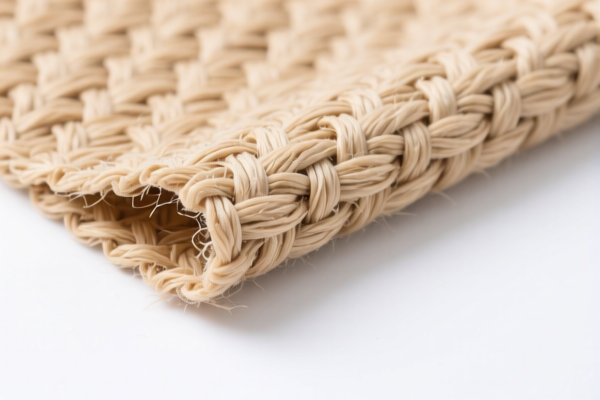
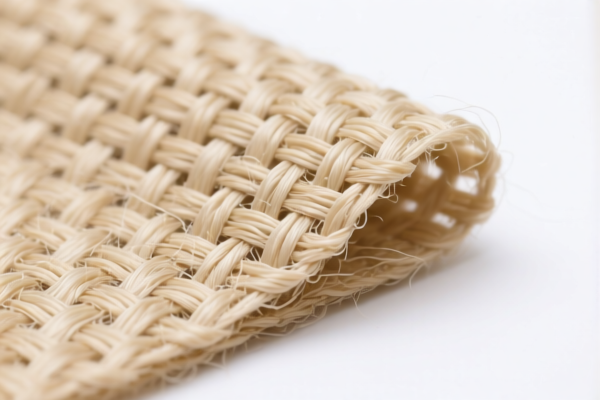
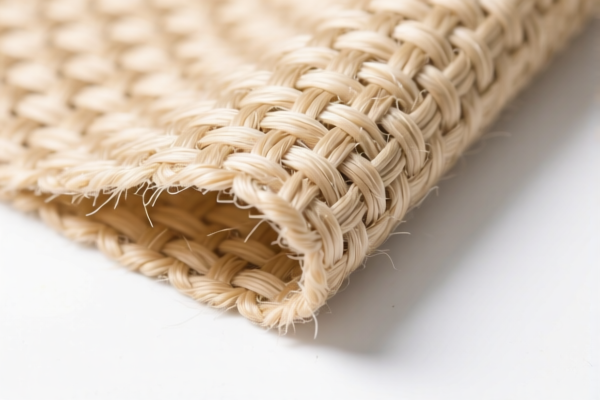
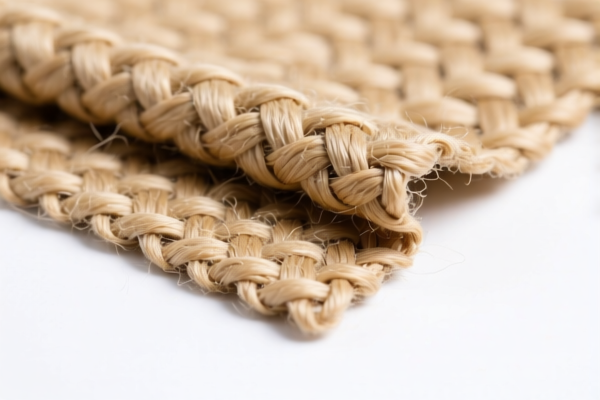
AI分析
🛏️ Woven Fabric Bed Sheet (Cotton, Printed, with Embroidery/Lace)
🌐 HS Code Reference & Customs Clearance Guide | 2026 Latest Tariff Analysis | Professional Clearance Strategy
📌 I. Product Definition & Classification: Do You Really Know Your "Bed Sheet"?
In the textile industry, "Bed Sheets" are not a monolithic category. They are strictly defined by Material, Manufacturing Process, and Decorative Details. For customs purposes, a simple "Woven Fabric Bed Sheet" is insufficient. The critical differentiators are: 1. Material: Pure Cotton vs. Blends vs. Synthetics. 2. Printing: Plain vs. Printed (Patterned). 3. Embellishment: Plain vs. Embroidered/Lace/Braid/Applique. 4. Surface Treatment: Napped (Brushed/Fleece feel) vs. Not Napped (Smooth/Sateen).
⚠️ Key Distinction:
- If the sheet is Cotton, Printed, and contains any embroidery, lace, braid, edging, trimming, piping, or applique, it falls under a specific subheading.
- The surface finish (Napped vs. Not Napped) further splits this category into two distinct HS Codes with identical tax rates but different regulatory descriptions.
📦 II. HS Code Classification Details (2026 Latest Tariff Authority Reference)
Based on the provided data, the product is classified under HS Chapter 63 (Other made-up textile articles). Specifically, it falls under 6302.21 (Bed linen, printed, of cotton).
| HS Code | Product Description | Key Characteristics | Surface Treatment |
|---|---|---|---|
6302.21.30.20 |
Other bed linen, printed: Of cotton: Containing any embroidery, lace, braid, edging, trimming, piping or applique work: Napped Sheets | Cotton, Printed, Decorative (Lace/Embroidery), Brushed/Soft Touch | ✅ Napped (Brushed) |
6302.21.50.20 |
Other bed linen, printed: Of cotton: Containing any embroidery, lace, braid, edging, trimming, piping or applique work: Not Napped Sheets | Cotton, Printed, Decorative (Lace/Embroidery), Smooth/Satin Finish | ❌ Not Napped (Smooth) |
🔍 Critical Reminder:
- "Napped" refers to fabric that has been mechanically brushed to create a soft, fuzzy surface (often called "flannel-like" or "brushed cotton").
- "Not Napped" refers to smooth finishes like sateen, percale, or plain printed cotton without brushing.
- Both codes share the exact same tax rate, but misclassification can lead to delays in documentation review. Always specify the surface texture in your commercial invoice.
💰 III. 2026 Latest Tariff Rate Details (Including Additional Duties & Policy Add-ons)
✅ Applicable Country: United States (US)
✅ Country of Origin: China (CN)
✅ Effective Time: 2025年11月10日起 (Starting Nov 10, 2025, including subsequent imports)
🎯 1. 6302.21.30.20 —— Napped Sheets (Cotton, Printed, Decorated)
| Item | Content |
|---|---|
| Base Tariff Rate | 0.0% (Ad Valorem) |
| Additional Duty (Section 301/IEEPA) | 0.0% |
| Total Tax Rate | 0.0% |
| Tax Calculation | CIF Value × 0.0% = $0.00 |
| De Minimis Exemption Eligibility | ✅ Yes (If value ≤ $800) |
| Legal Basis Path | USITC:6302.21.30.20 → Base Rate: 0% → Add-on: 0% |
📌 Explanation:
- Currently, cotton bed linen (whether napped or not) does not attract the additional 25% Section 301 tariffs or IEEPA surcharges that often apply to other textile or industrial categories.
- This is a zero-duty item for US imports from China, making it highly competitive in terms of tariff costs.
🎯 2. 6302.21.50.20 —— Not Napped Sheets (Cotton, Printed, Decorated)
| Item | Content |
|---|---|
| Base Tariff Rate | 0.0% (Ad Valorem) |
| Additional Duty (Section 301/IEEPA) | 0.0% |
| Total Tax Rate | 0.0% |
| Tax Calculation | CIF Value × 0.0% = $0.00 |
| De Minimis Exemption Eligibility | ✅ Yes (If value ≤ $800) |
| Legal Basis Path | USITC:6302.21.50.20 → Base Rate: 0% → Add-on: 0% |
📌 Note:
- Same tax treatment as Napped Sheets.
- Common applications: Sateen weaves, high-thread-count printed sheets with lace edging, or embroidered decorative borders.
🛠️ IV. Customs Clearance Practical Advice (Real-World Pitfall Avoidance)
✅ 1. Preparation Checklist (All Documents Required)
| Document | Must Provide | Description |
|---|---|---|
| ✅ Commercial Invoice | ✔️ | Must explicitly state: "Cotton Bed Linen, Printed, With Embroidery/Lace." |
| ✅ Packing List | ✔️ | Detail quantities, weights, and dimensions per package. |
| ✅ Product Photos | ✔️ | Clear images showing the print pattern, embroidery/lace details, and fabric texture (brushed vs. smooth). |
| ✅ Fabric Composition Label | ✔️ | Must specify "100% Cotton" or blend percentage. |
| ✅ Description of Embellishment | ✔️ | Specify if it includes "piping," "braid," "applique," etc., to justify the HS subheading. |
| ✅ Origin Certificate (if applicable) | ✔️ | To prove CN origin and confirm eligibility for current duty rates. |
✅ 2. Declaration Tips (Key Mnemonics)
🔥 "Cotton + Printed + Decorated = 6302.21! Texture decides the last digits."
| Scenario | Correct HS Code | Common Mistake | Consequence |
|---|---|---|---|
| Printed Cotton Sheet with Lace Edging | 6302.21.30.20 or 6302.21.50.20 |
Declaring as "Textile Fabric" (5208/5407) | Wrong chapter → Delay + Penalties |
| Plain Cotton Sheet (No Print/Decor) | 6302.21.10.00 or similar |
Declaring as Decorated | Over-declaring complexity → Audit Risk |
| Polyester Blend Sheet | 6302.21.10.10 or 6302.21.10.90 |
Declaring as Cotton | 0% vs. Higher Rate → Mismatch |
| Napped (Brushed) vs. Smooth | 30.20 vs. 50.20 |
Interchanging them | Minor clerical error → Possible hold for verification |
📌 Why it matters:
- The phrase "Containing any embroidery, lace, braid, edging, trimming, piping or applique work" is mandatory for this subheading. If you declare "Bed Sheet" without mentioning these details, customs may classify it under plain bed linen, which could have different regulatory scrutiny.
- Texture is key: If you ship "brushed" sheets but declare them as "not napped," customs may request a physical sample or expert opinion, delaying clearance.
✅ 3. Special Situation Handling
| Situation | Handling Advice |
|---|---|
| OEM Custom Sheets | Provide design drawings showing the print pattern and embroidery location. |
| Mixed Orders (Cotton + Polyester) | Split shipment or separate lines on the invoice. Do not mix materials on one HS Code line. |
| De Minimis (Section 321) | If shipment value ≤ $800 per person per day, it may enter duty-free and with minimal paperwork under 134.252. Ensure the consignee is the ultimate consumer. |
| Labeling Requirements | Ensure care labels and fiber content labels comply with FTC Care Labeling Rule and Textile Fiber Products Identification Act. |
🌍 V. Global Main Market Clearance Comparison (2026 Latest)
| Country/Region | Recommended HS Code | Tariff (China Origin) | Certification | Remarks |
|---|---|---|---|---|
| 🇺🇸 USA | 6302.21.30.20 / 50.20 |
0.0% | FTC Labeling + CPSIA (if for children) | Zero duty advantage |
| 🇨🇳 China | 6302.21.30.20 / 50.20 |
~9-13% | CCC (if applicable) | Standard import |
| 🇪🇺 EU | 6302.21.30.20 / 50.20 |
12% | REACH + OEKO-TEX (recommended) | High environmental standards |
| 🇦🇺 Australia | 6302.21.30.20 / 50.20 |
5% | ACCC Labeling | Moderate duty |
| 🇯🇵 Japan | 6302.21.30.20 / 50.20 |
15.6% | FSC (if treated with chemicals) | High duty |
📌 Conclusion:
- The USA offers the best tariff advantage (0%) for cotton printed bed linens with decorative elements.
- The EU and Japan impose higher duties (~12-15.6%), so cost planning must include these factors.
- FTC Labeling is critical for the US market: Non-compliance can lead to seizure or fines.
📌 VI. Common Errors & Pitfall Guide (Lessons Learned)
❌ Error 1: Declaring as "Cotton Fabric" (HS 5208/5407) instead of "Bed Linen" (HS 6302)
👉 Consequence: Wrong chapter → Goods held at customs, back taxes, and penalties. Bed linen is a "made-up" article, not raw fabric.
❌ Error 2: Ignoring the "Embroidery/Lace" component
👉 Consequence: Customs may reclassify to "Plain Bed Linen" if the decorative element is not declared, leading to misdeclaration penalties.
❌ Error 3: Confusing "Napped" and "Not Napped"
👉 Consequence: While tax is the same, inconsistent description causes audits. Always match the invoice description to the physical product.
❌ Error 4: Mixing cotton and polyester in one container without proper segregation
👉 Consequence: If not declared separately, customs may apply the highest duty rate or reject the entire shipment.
✅ Correct Practice:
"100% Cotton Bed Sheets, Printed, with Embroidered Border and Lace Edging.
- Batch A: Napped (Brushed) Finish → HS 6302.21.30.20
- Batch B: Smooth (Sateen) Finish → HS 6302.21.50.20"
🎯 VII. Conclusion: Precision Classification Saves Money & Time!
🎯 Remember the Mantra:
🔹 "Cotton + Printed + Decor = 6302.21"
🔹 "Napped vs. Smooth = .30.20 vs. .50.20"
🔹 "Zero Duty in USA, But Labeling is Key!"
📌 Pro Tip:
- If your total shipment value is under $800, consider using De Minimis (Section 321) to enter the US duty-free with minimal documentation.
- Always include clear photos of the embroidery/lace in your digital declaration to avoid manual inspection.
📣 Immediate Action:
📞 Consult a licensed customs broker for Advance Ruling if you are unsure about the "napped" status or decorative details.
🚀 Accurate Classification = Fast Clearance + Zero Duty = Maximized Profit!
✨ Professional Clearance Starts with Precise Classification!
💼 Every cent saved on tariffs counts!
用户评价
关于 HS 编码归类
协调制度(HS)是由世界海关组织(WCO)制定的国际贸易商品分类标准。全球 200 多个国家采用 HS 系统作为海关关税、贸易统计和进出口监管的基础。
每个 HS 编码遵循以下层级结构:
- 章(2 位)——商品大类(例如:第 84 章:机器和机械设备)
- 品目(4 位)——章内的更具体分类
- 子目(6 位)——国际通用细分,所有 WCO 成员国统一使用
- 本国细分(8-10 位)——各国自行扩展的细分编码,如美国 HTSUS 10 位编码
正确的 HS 编码归类对于顺利通关、准确缴纳关税和遵守贸易法规至关重要。错误归类可能导致海关延误、多缴关税或罚款。
从CN进口到US时,适用的关税税率可能包括:
- 最惠国(MFN)税率——适用于 WTO 成员国的标准关税税率
- 普通税率——适用于无贸易协定国家
- 贸易救济关税——附加关税,如 301 条款(反倾销)、232 条款(国家安全)或反补贴税
本页内容仅供参考。如需正式归类,请咨询当地海关或持牌报关代理。