woven packaging material
CN → US| HS编码 | 关税税率 | 原产国 | 目的国 | 文档 |
|---|---|---|---|---|
| 3923109000 | 38.0% | CN | US | 官方文档 |
| 4819504040 | 35.0% | CN | US | 官方文档 |
| 3923900080 | 38.0% | CN | US | 官方文档 |
| 6305390000 | 25.9% | CN | US | 官方文档 |
| 6305330080 | 25.9% | CN | US | 官方文档 |
商品图片
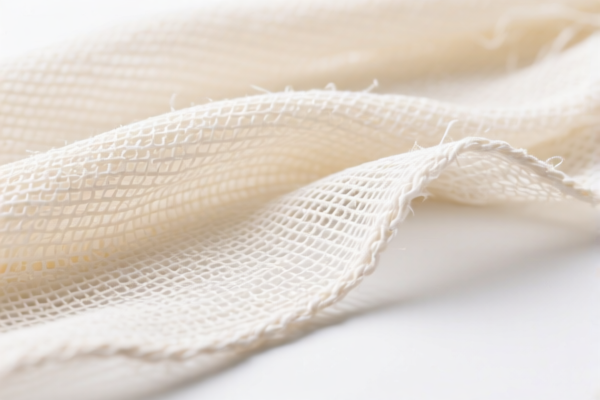
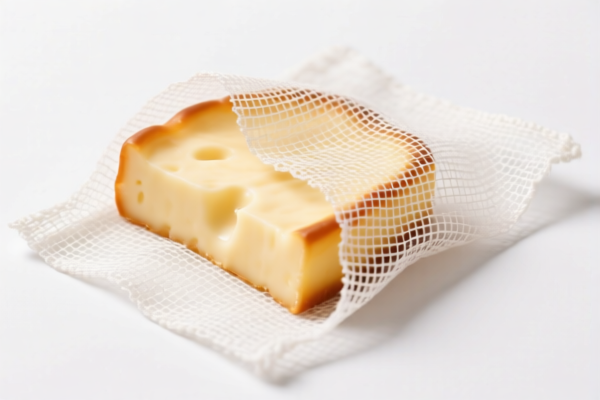
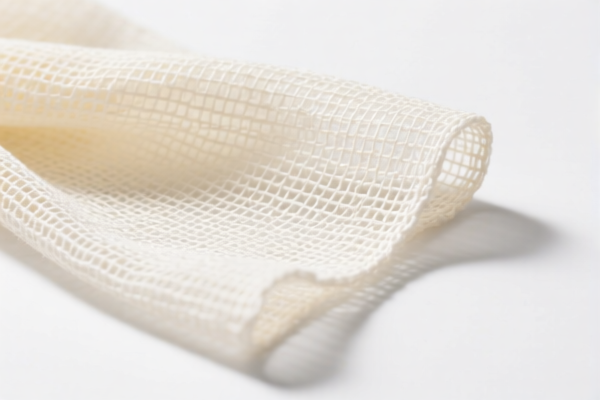
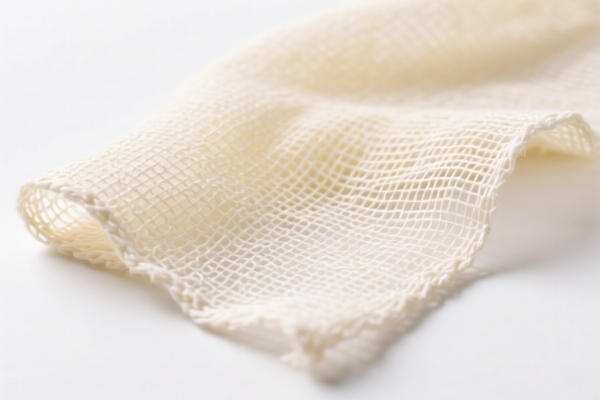
AI分析
📦 Woven Packaging Material (Woven Bags/Fabric)
🌐 HS Code Reference & Customs Clearance Guide | 2026 Latest Tariff Analysis | Professional Entry Strategy
📌 I. Product Definition & Classification: What Exactly is "Woven Packaging Material"?
"Woven Packaging Material" typically refers to flexible containers or sheets made from synthetic fibers (like Polyethylene [PE] or Polypropylene [PP]) or natural fibers, woven together and often laminated or coated. In international trade, the classification depends heavily on the raw material and the specific end-use.
It is generally categorized into two main groups: 1. Plastic-Based Woven Bags (e.g., PP/PE woven sacks for cement, fertilizer, rice): Governed under Chapter 39 (Plastics). 2. Textile-Based Woven Bags (e.g., Jute, Cotton, or Synthetic Fiber woven bags): Governed under Chapter 63 (Other made-up textile articles).
⚠️ Key Distinction Point:
- If the bag is made of Plastic (PE/PP) and woven → It falls under Chapter 39 (e.g., 3923.10 or 3923.90).
- If the bag is made of Synthetic Textile Fibers (Non-plastic woven fabric) or general Textile Fabric → It may fall under Chapter 63 (e.g., 6305.33 or 6305.39).
- Material Composition is Critical: Misidentifying a PP woven bag as a textile bag (or vice versa) can lead to significant tariff differences and compliance risks.
📦 II. HS Code Classification Details (2026 Latest Tariff Authority Comparison)
Based on the provided data, here are the five most likely HS Codes for "Woven Packaging Material," along with their specific reasoning and tax implications.
| HS Code | Product Description | Material Basis | Summary/Reasoning | Total Tax Rate |
|---|---|---|---|---|
| 3923.10.90.00 | Plastics — Articles for the conveyance or packing of goods | Plastic | Based on plastic attributes; fits "Plastic packaging articles." | 38.0% |
| 4819.50.40.40 | Paper & Paperboard — Containers, pouches, wallets & folding cartons | Paper/Fiber | Based on paper or fibrous woven materials; fits "Packaging containers." | 35.0% |
| 3923.90.00.80 | Plastics — Other articles for the conveyance or packing of goods | Plastic/Synthetic | Fallback category for plastic packaging if not specifically listed in 3923.10. | 38.0% |
| 6305.39.00.00 | Sacks & bags (incl. cones), of man-made textile materials | Textile/Fiber | Based on fiber or man-made textile material; fits "Sacks & bags" category. | 25.9% |
| 6305.33.00.80 | Sacks & bags, of polyethylene or polypropylene strip | PE/PP Strip | Specifically based on PE or PP woven strips; fits "Woven bags for packaging." | 25.9% |
🔍 Critical Note:
- HS 6305.33.00.80 is often the most accurate for standard PP/PE Woven Bags (commonly used for cement, fertilizer, agricultural products) because it specifically targets polyethylene/polypropylene strips woven into sacks.
- HS 3923.10.90.00 is used for Plastic Packaging in general, which may include woven bags if classified strictly under "plastic articles" rather than textile-like sacks.
- HS 6305.39.00.00 applies to other man-made textile bags, which might include non-PE/PP synthetic woven bags or coated fabrics.
💰 III. 2026 Latest Tariff Rate Breakdown (Including Surtaxes & Policy Add-ons)
✅ Applicable Country: United States (US)
✅ Country of Origin: China (CN)
✅ Effective Date: November 10, 2025 (and subsequent imports)
🎯 1. 3923.10.90.00 & 3923.90.00.80 — Plastic Packaging Articles
| Item | Content |
|---|---|
| Base Tariff | 3.0% (ad valorem) |
| Section 301 Surtax | +25% (China-specific tariffs) |
| Section 122 Tariff | +10% (China-specific additional duty) |
| Total Tariff | 38.0% |
| Tax Calculation | CIF Value × 38.0% |
| De Minimis Exemption | ❌ Not Applicable (deny_de_minimis) |
| Legal Basis Path | Base Tariff → Section 301: 25% → Section 122: 10% |
📌 Explanation:
- These codes fall under Chapter 39 (Plastics).
- They are subject to the standard 3.0% MFN base rate.
- Crucially, they incur the 25% Section 301 tariff AND the 10% Section 122 tariff, totaling 38% additional duties.
- High Cost Alert: This is a significantly higher duty rate compared to textile-based bags.
🎯 2. 4819.50.40.40 — Paper/Fiber Packaging Containers
| Item | Content |
|---|---|
| Base Tariff | 0.0% (ad valorem) |
| Section 301 Surtax | +25% (China-specific tariffs) |
| Section 122 Tariff | +10% (China-specific additional duty) |
| Total Tariff | 35.0% |
| Tax Calculation | CIF Value × 35.0% |
| De Minimis Exemption | ❌ Not Applicable (deny_de_minimis) |
| Legal Basis Path | Base Tariff → Section 301: 25% → Section 122: 10% |
📌 Note:
- Although the base rate is 0%, the surcharges bring the total to 35%.
- This code is less common for standard PP/PE woven bags but may apply to paper-based woven sacks or mixed fiber packaging.
🎯 3. 6305.39.00.00 & 6305.33.00.80 — Woven Sacks & Bags (Textile/PP Strip)
| Item | Content |
|---|---|
| Base Tariff | 8.4% (ad valorem) |
| Section 301 Surtax | +7.5% (Reduced China-specific surtax for certain textile bags) |
| Section 122 Tariff | +10% (China-specific additional duty) |
| Total Tariff | 25.9% |
| Tax Calculation | CIF Value × 25.9% |
| De Minimis Exemption | ❌ Not Applicable (deny_de_minimis) |
| Legal Basis Path | Base Tariff → Section 301: 7.5% → Section 122: 10% |
📌 Explanation:
- HS 6305.33.00.80 specifically covers polyethylene or polypropylene strip woven bags. This is often the most cost-effective classification for standard PP/PE woven bags because the Section 301 surtax is only 7.5% (instead of 25%).
- HS 6305.39.00.00 covers other man-made textile sacks with the same 7.5% + 10% surcharge structure.
- Cost Advantage: Compared to Chapter 39 (38%), Chapter 63 bags save 12.1% in total duties.
🛠️ IV. Customs Clearance Practical Advice (Real-World Pitfall Avoidance Guide)
✅ 1. Required Documentation Checklist (None Can Be Missing)
| Document | Mandatory | Explanation |
|---|---|---|
| ✅ Product Specification Sheet | ✔️ | Must specify material (PE, PP, Jute, etc.), weave density, GSM (grams per square meter), and dimensions. |
| ✅ Material Composition Certificate | ✔️ | Critical to prove if it’s "Plastic" (Ch 39) or "Textile Strip" (Ch 63). |
| ✅ Product Photos (Clear) | ✔️ | Show the woven texture, any lamination/coating, and finished form (bag, sack, roll). |
| ✅ Commercial Invoice | ✔️ | Clearly describe as "Woven PP Sacks" or "Man-made Textile Bags," NOT generic "Packaging." |
| ✅ Packing List | ✔️ | Detail net/gross weight per bag and total bags per pallet/container. |
| ✅ Third-Party Test Report | ✔️ | If claiming specific material properties (e.g., food-grade, UV-resistant). |
✅ 2. Declaration Strategy (Key Mnemonics)
🔥 “Material First, Weave Second, Code Right, Tax Light!”
| Scenario | Correct Declaration | Wrong Practice |
|---|---|---|
| Standard PP/PE Woven Sacks (Cement, Rice, Fertilizer) | 6305.33.00.80 | Declaring as 3923.10 → +12.1% extra tax |
| Jute or Cotton Woven Bags | 6305.39.00.00 | Declaring as 3923.90 → Higher base tax + higher surtax |
| Paper-Based Woven Bags | 4819.50.40.40 | Declaring as textile → Classification mismatch |
| Plastic Film Sacks (Non-woven) | 3923.10.90.00 | Declaring as woven → Physical mismatch with description |
✅ 3. Special Handling Cases
| Case | Handling Advice |
|---|---|
| Laminated Woven Bags (PE film + PP weave) | Still typically classified under 6305.33.00.80 if the woven structure is dominant. Provide cross-section photos. |
| Food-Grade Woven Bags | Must provide FDA Compliance Letter. Does not change HS code but may require additional scrutiny. |
| Recycled Material Bags | Declare "Made from Recycled PP." No HS change, but ensure no hazardous contaminants are present. |
| Empty Bags vs. Filled Bags | Always declare as "Empty Woven Sacks." Do not declare as "Goods in Packaging." |
🌍 V. Global Market Comparison (2026 Latest)
| Country/Region | Recommended HS Code | Tariff Rate | Certification Requirement | Notes |
|---|---|---|---|---|
| 🇺🇸 USA | 6305.33.00.80 |
25.9% | None specific | Best rate for PP/PE woven bags. Avoid 3923 (38%). |
| 🇨🇳 China | 6305.33.00.80 |
8.4% | None | Base rate only. No surcharges. |
| 🇪🇺 EU | 6305.33.00.80 |
5.4% | REACH (if plastic additives) | Lower base rate than US. |
| 🇦🇺 Australia | 6305.33.00.80 |
5.0% | None | Competitive rate. |
| 🇯🇵 Japan | 6305.33.00.80 |
6.0% | JIS Standards (if applicable) | Stable rate. |
📌 Conclusion:
- The USA has the highest tariffs for packaging materials, but Chapter 63 (6305.33) offers a significant advantage over Chapter 39.
- Always argue for 6305.33.00.80 for PP/PE woven bags to save 12.1% in duties.
📌 VI. Common Errors & Pitfalls (Lessons Learned)
❌ Error 1: Classifying PP Woven Bags under 3923.10.90.00
👉 Consequence: Paying 38% instead of 25.9%.
👉 Fix: Use 6305.33.00.80 as it specifically covers "polyethylene or polypropylene strip" woven bags.
❌ Error 2: Declaring "Plastic Bags" for Woven Sacks
👉 Consequence: Customs may reject the declaration for lacking specific material description.
👉 Fix: Use precise terms: "Polypropylene Woven Sacks" or "PP Woven Bags."
❌ Error 3: Ignoring the Section 122 Tariff
👉 Consequence: Unexpected 10% additional duty at customs.
👉 Fix: Budget for 10% in all cost calculations for China-origin goods.
❌ Error 4: Using "Generic Packaging" in Invoice
👉 Consequence: Customs detention for incomplete description.
👉 Fix: Always include Material, Dimensions, and Quantity in the invoice description.
✅ Correct Declaration Example:
"Empty Polypropylene Woven Sacks, 50cm x 70cm, 100 GSM, Made from PP Strip, For Use in Packaging Fertilizer"
🎯 VII. Conclusion: Professional Declaration Saves Money!
🎯 Remember This Mnemonic:
🔹 "PP Woven? Go 6305.33! 25.9% is the target. 38% is the trap!"
🔹 "Chapter 63 wins for PP/PE Woven Bags. Chapter 39 is for films and containers, not woven sacks."
📌 Pro Tip:
If your woven bags are made from Recycled PP, you can still use 6305.33.00.80. Ensure your supplier provides a Material Safety Data Sheet (MSDS) and Recycled Content Statement to facilitate smooth customs clearance.
📣 Immediate Action:
📞 Contact your customs broker with product photos and material specs.
🚀 Request a Pre-Ruling (Advance Ruling) if the shipment value is high, to confirm 6305.33.00.80 applicability.
💼 Save 12.1% on every shipment by getting the HS Code right!
✨ Professional Clearance Starts with Accurate Classification!
💼 Your Every Penny Counts – Don’t Overpay for Woven Bags!
用户评价
关于 HS 编码归类
协调制度(HS)是由世界海关组织(WCO)制定的国际贸易商品分类标准。全球 200 多个国家采用 HS 系统作为海关关税、贸易统计和进出口监管的基础。
每个 HS 编码遵循以下层级结构:
- 章(2 位)——商品大类(例如:第 84 章:机器和机械设备)
- 品目(4 位)——章内的更具体分类
- 子目(6 位)——国际通用细分,所有 WCO 成员国统一使用
- 本国细分(8-10 位)——各国自行扩展的细分编码,如美国 HTSUS 10 位编码
正确的 HS 编码归类对于顺利通关、准确缴纳关税和遵守贸易法规至关重要。错误归类可能导致海关延误、多缴关税或罚款。
从CN进口到US时,适用的关税税率可能包括:
- 最惠国(MFN)税率——适用于 WTO 成员国的标准关税税率
- 普通税率——适用于无贸易协定国家
- 贸易救济关税——附加关税,如 301 条款(反倾销)、232 条款(国家安全)或反补贴税
本页内容仅供参考。如需正式归类,请咨询当地海关或持牌报关代理。