woven vintage handbag
CN → US| HS编码 | 关税税率 | 原产国 | 目的国 | 文档 |
|---|---|---|---|---|
| 4202224020 | 42.4% | CN | US | 官方文档 |
| 4602192920 | 40.3% | CN | US | 官方文档 |
| 4602112100 | 41.2% | CN | US | 官方文档 |
| 4202228980 | 52.6% | CN | US | 官方文档 |
商品图片
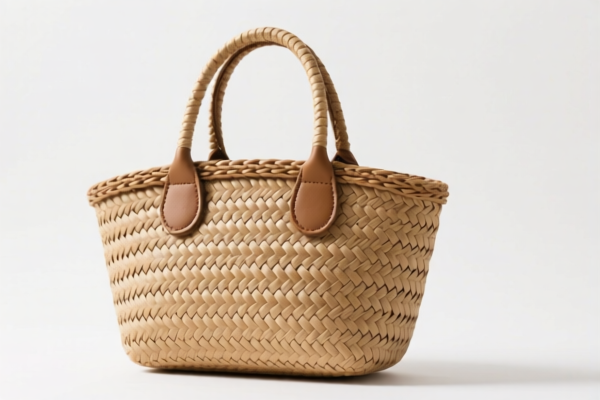
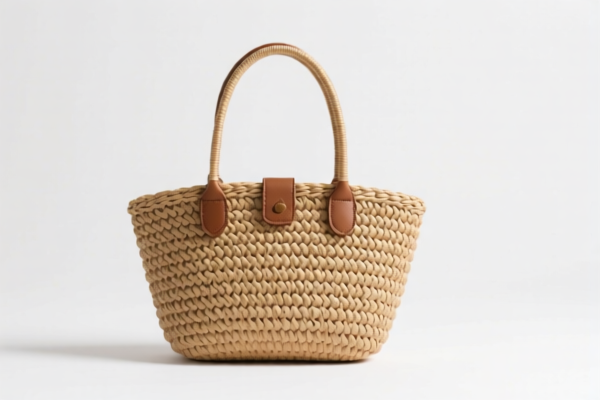
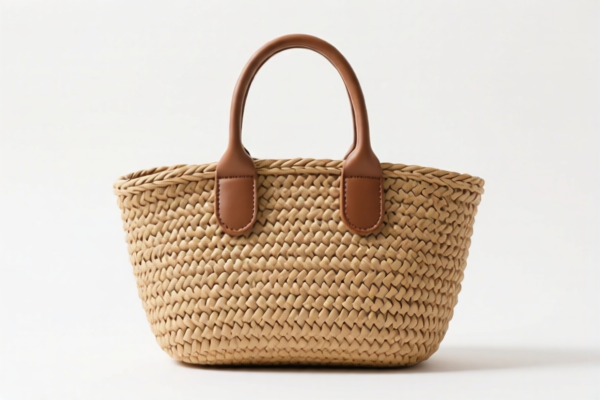
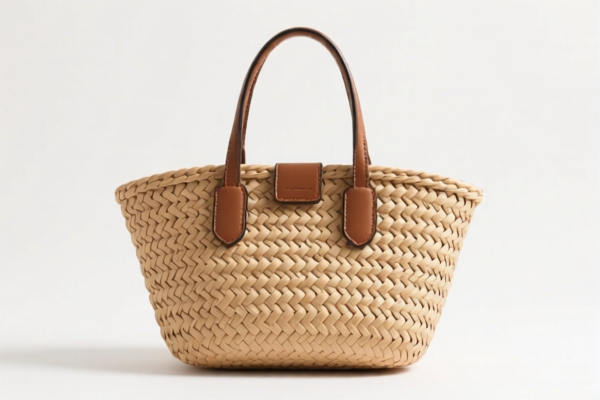
AI分析
👜 Woven Vintage Handbag (The Ultimate Style Statement)
🌐 HS Code Reference & Customs Clearance Guide | 2026 Latest Tariff Analysis | Professional Strategy for Woven Bags
📌 I. Product Definition & Classification: What Exactly is a "Woven Vintage Handbag"?
A Woven Vintage Handbag is not merely an accessory; it is a fusion of artisanal craftsmanship and retro aesthetics. In international trade, the classification depends strictly on two factors: Material Composition and Physical Form.
The term "Vintage" is a stylistic descriptor, not a customs classification category. Customs authorities look at: 1. Material: Is it made of bamboo, rattan, straw, or synthetic fibers? 2. Structure: Is it a rigid basket-like structure or a flexible fabric-based bag?
⚠️ Key Distinction:
- Plant Materials (Chapter 46): If the bag is made from woven vegetable materials like bamboo, rattan, reed, or straw → Chapter 46.
- Textile Materials (Chapter 42): If the bag is made from woven synthetic fibers, cotton, or other textile materials (even if it looks "natural" or "vintage") → Chapter 42.
- "Handbag" Definition: Must be carried by hand or shoulder. If it has rigid handles and no soft body, it might be classified differently.
📦 II. HS Code Classification Details (2026 Latest Tariff Authority Comparison)
Based on the input data for "Woven Vintage Handbag", here are the precise HS Code mappings, tax rates, and logical deductions.
| HS Code | Product Description & Logic | Material Inference | Form Factor |
|---|---|---|---|
| 4202.22.40.20 | Woven Handbag made of woven materials (General Textile/Synthetic Woven). | Inferred as woven textile/synthetic material due to "woven handbag" general categorization. | Handbag (Soft/Flexible) |
| 4602.19.29.20 | Handbag made of vegetable materials (Plant-based weaving). | Explicitly Plant Material (e.g., straw, reed, raffia). | Handbag |
| 4602.11.21.00 | Handbag inferred from Bamboo, Rattan, or similar plant materials. | Specific inference: Bamboo/Rattan. | Handbag |
| 4202.22.89.80 | Handbag inferred as Other Textile Materials (Non-woven or mixed). | Inferred as Other Textile (if not pure plant). | Handbag |
🔍 Critical Note:
- "Vintage" does not lower taxes. It does not qualify for "Used Goods" exemptions in most standard consumer imports.
- Material is King: You must provide material samples or detailed specs to distinguish between Chapter 42 (Textiles) and Chapter 46 (Vegetable Plaiting Materials).
💰 III. 2026 Latest Tariff Rate Breakdown (USA Market Focus)
✅ Applicable Country: United States (US)
✅ Origin: China (CN) (Implied by "122 Clause" and high add-on tariffs)
✅ Effective Date: 2026 (Current Tariff Regime)
🎯 1. 4202.22.40.20 – Woven Handbag (Textile/Woven Material)
| Item | Detail |
|---|---|
| Base Tariff | 7.4% |
| Section 301 Add-on | +25.0% |
| Section 122 Add-on | +10.0% |
| Total Tax Rate | 42.4% |
| Calculation | CIF Value × 42.4% |
| De Minimis Exemption? | ❌ No (Deny de minimis for Section 301/122 goods) |
| Legal Basis | Section 301 → Section 122 → HS 4202.22.40.20 |
📌 Explanation:
- Section 301 (25%): Retaliatory tariff on Chinese manufactured goods.
- Section 122 (10%): Additional tariff for certain textile/apparel accessories under specific trade acts.
- Total 42.4%: High impact on cost. Essential to confirm if material qualifies for lower base rates.
🎯 2. 4602.19.29.20 – Handbag, Vegetable Material (General Plant)
| Item | Detail |
|---|---|
| Base Tariff | 5.3% |
| Section 301 Add-on | +25.0% |
| Section 122 Add-on | +10.0% |
| Total Tax Rate | 40.3% |
| Calculation | CIF Value × 40.3% |
| De Minimis Exemption? | ❌ No |
| Legal Basis | Section 301 → Section 122 → HS 4602.19.29.20 |
📌 Explanation:
- Savings: $2.1% lower than4202.22.40.20due to lower base tariff (5.3% vs 7.4%).
- Requirement: Must prove material is natural vegetable fiber (e.g., straw, sisal). Synthetic "straw" bags will be rejected here.
🎯 3. 4602.11.21.00 – Handbag, Bamboo/Rattan
| Item | Detail |
|---|---|
| Base Tariff | 6.2% |
| Section 301 Add-on | +25.0% |
| > Section 122 Add-on | +10.0% |
| Total Tax Rate | 41.2% |
| Calculation | CIF Value × 41.2% |
| De Minimis Exemption? | ❌ No |
| Legal Basis | Section 301 → Section 122 → HS 4602.11.21.00 |
📌 Explanation:
- Specificity: If the bag is clearly bamboo or rattan, this code is more accurate than general plant materials.
- Base Rate: 6.2% is slightly higher than general plant (5.3%), making the total slightly higher than4602.19.29.20.
🎯 4. 4202.22.89.80 – Handbag, Other Textile Materials
| Item | Detail |
|---|---|
| Base Tariff | 17.6% |
| Section 301 Add-on | +25.0% |
| Section 122 Add-on | +10.0% |
| Total Tax Rate | 52.6% |
| Calculation | CIF Value × 52.6% |
| De Minimis Exemption? | ❌ No |
| Legal Basis | Section 301 → Section 122 → HS 4202.22.89.80 |
📌 Explanation:
- Highest Risk: If the material is ambiguous or mixed, customs may default to this "Other" category.
- Penalty: Base tariff of 17.6% is nearly 3x higher than natural plant materials.
- Advice: Avoid this code unless absolutely necessary. Always try to classify under Chapter 46 if natural fibers are used.
🛠️ IV. Customs Clearance Practical Advice (Real-World Pitfall Guide)
✅ 1. Documentation Checklist (Non-Negotiable)
| Document | Required? | Purpose |
|---|---|---|
| ✅ Material Composition Label | ✔️ | Must state: "100% Natural Bamboo," "Woven Raffia," or "Synthetic Fiber." |
| ✅ Product Photos | ✔️ | Clear shots of weave texture. Distinguish natural fiber vs. plastic imitation. |
| ✅ Commercial Invoice | ✔️ | Describe as "Woven Plant Fiber Handbag" or "Woven Textile Handbag," not just "Vintage Bag." |
| ✅ Origin Certificate | ✔️ | To prove Chinese origin (for tariff calculation). |
| ✅ Structure Diagram | ✔️ | If bag has metal/leather handles, clarify if they are integral or attached. |
✅ 2. Declaration Strategy (Key Mantra)
🔥 "Material First, Form Second. Natural Beats Synthetic!"
| Scenario | Correct Declaration | Wrong Declaration | Consequence |
|---|---|---|---|
| Bamboo/Rattan Bag | 4602.11.21.00 (41.2%) |
4202.22.89.80 (52.6%) |
Overpay 11.4% |
| Straw/Raffia Bag | 4602.19.29.20 (40.3%) |
4202.22.40.20 (42.4%) |
Overpay 2.1% |
| Synthetic "Wicker" | 4202.22.40.20 (42.4%) |
4602.19.29.20 (40.3%) |
Audit Risk + Underpayment Penalty |
| Mixed Material (Leather + Woven) | Check Leather Chapter (4202) | 4602.19.29.20 |
Classification Error |
📌 Critical Tip:
- If the bag contains metal frames, leather straps, or fabric lining, the classification may shift to Chapter 42 (Leather/Textile Accessories), not Chapter 46.
- Chapter 46 is strictly for plaiting materials (bamboo, rattan, straw, etc.) with minimal non-plaiting components.
✅ 3. Special Case Handling
| Situation | Recommendation |
|---|---|
| "Vintage" Labeling | Do not declare as "Used Goods." Declare as "New Woven Handbag." Used goods have different, often prohibitive, regulations. |
| Bamboo vs. Plastic | If it’s plastic woven to look like bamboo, it MUST be 4202... (Textile/Synthetic). Misdeclaring as 4602... is fraud. |
| Handles Made of Leather | If handles are >50% of surface area or integral, it may be classified as Leather Bag (4202.21...), not Woven Plant Bag. |
🌍 V. Global Market Comparison (2026 Update)
| Country | Recommended HS Code | Est. Total Tariff (China Origin) | Notes |
|---|---|---|---|
| 🇺🇸 USA | 4602.19.29.20 or 4202.22.40.20 |
40.3% - 42.4% | High due to Section 301 + 122. |
| 🇪🇺 EU | 4602.11.00 or 4202.22 |
~12% - 17% | No Section 301/122. Lower base rates. |
| 🇨🇳 China | 4602.11.00 or 4202.22 |
~10% - 15% | Import tariff only. No anti-dumping. |
| 🇬🇧 UK | 4602.11.00 or 4202.22 |
~12% - 17% | Post-Brexit tariffs apply. |
📌 Conclusion:
- The US market is the most expensive for woven handbags due to additive tariffs.
- Cost Optimization: Ensure material is correctly identified as natural plant fiber (4602...) to save 2.1% - 11.4% compared to synthetic/textile codes.
📌 VI. Common Errors & Pitfalls (Lessons Learned)
❌ Error 1: Calling a plastic woven bag "Natural Bamboo"
👉 Result: Customs seizure, fines, and forced reclassification to 4202.22.89.80 (52.6%).
❌ Error 2: Using "Vintage" as the primary descriptor
👉 Result: Confusion in valuation. Customs may reject the "vintage" claim and assess duty on new goods anyway, but delays clearance.
❌ Error 3: Ignoring Handles/Lining Material
👉 Result: If the bag is 40% leather, it may be classified as a Leather Bag, changing the tariff entirely.
❌ Error 4: Not distinguishing between 4602.11 (Bamboo) and 4602.19 (Other Plant)
👉 Result: Incorrect base rate. Bamboo (6.2%) vs. Other Plant (5.3%). Small difference, but accuracy matters for audits.
✅ Correct Practice:
"Handbag, Woven, 100% Natural Raffia, with Leather Handles, New Condition" →
4602.19.29.20
"Handbag, Woven, Synthetic Rattan, Poly-lined, New Condition" →4202.22.40.20
🎯 VII. Conclusion: Precision Saves Money!
🎯 Remember the Mantra:
🔹 "Plant = 4602 (Lower Tax). Textile = 4202 (Higher Tax). Verify Material First!"
🔹 "Vintage is Style, Not Status. Customs sees 'New Goods'."
🔹 "Total Tariff = Base + 25% (301) + 10% (122). Budget for ~42%."
📌 Pro Tip:
If your woven handbag uses recycled plastic but mimics natural fibers, it cannot use Chapter 46 codes. You must use Chapter 42.
For the USA, consider applying for a Section 301 Exclusion if your specific HS Code qualifies, though recent years have tightened exclusions for consumer goods.
📣 Immediate Action:
📞 Contact a Customs Broker: Provide material swatches.
📋 Pre-Classification: Request an Binding Ruling from US CBP if shipping large volumes.
🚀 Optimize Supply Chain: Source from regions with Free Trade Agreements (e.g., Vietnam, Mexico) to bypass Section 301 tariffs where possible.
✨ Accurate Classification is the First Step to Profitable Clearance!
💼 Every Percentage Point Counts in Global Trade!
用户评价
关于 HS 编码归类
协调制度(HS)是由世界海关组织(WCO)制定的国际贸易商品分类标准。全球 200 多个国家采用 HS 系统作为海关关税、贸易统计和进出口监管的基础。
每个 HS 编码遵循以下层级结构:
- 章(2 位)——商品大类(例如:第 84 章:机器和机械设备)
- 品目(4 位)——章内的更具体分类
- 子目(6 位)——国际通用细分,所有 WCO 成员国统一使用
- 本国细分(8-10 位)——各国自行扩展的细分编码,如美国 HTSUS 10 位编码
正确的 HS 编码归类对于顺利通关、准确缴纳关税和遵守贸易法规至关重要。错误归类可能导致海关延误、多缴关税或罚款。
从CN进口到US时,适用的关税税率可能包括:
- 最惠国(MFN)税率——适用于 WTO 成员国的标准关税税率
- 普通税率——适用于无贸易协定国家
- 贸易救济关税——附加关税,如 301 条款(反倾销)、232 条款(国家安全)或反补贴税
本页内容仅供参考。如需正式归类,请咨询当地海关或持牌报关代理。