zinc containing herbicide
CN → US| HS编码 | 关税税率 | 原产国 | 目的国 | 文档 |
|---|---|---|---|---|
| 2833294500 | 36.6% | CN | US | 官方文档 |
| 2930201000 | 41.5% | CN | US | 官方文档 |
| 2930209010 | 38.7% | CN | US | 官方文档 |
| 2833295190 | 38.7% | CN | US | 官方文档 |
| 3808932000 | 40.0% | CN | US | 官方文档 |
商品图片
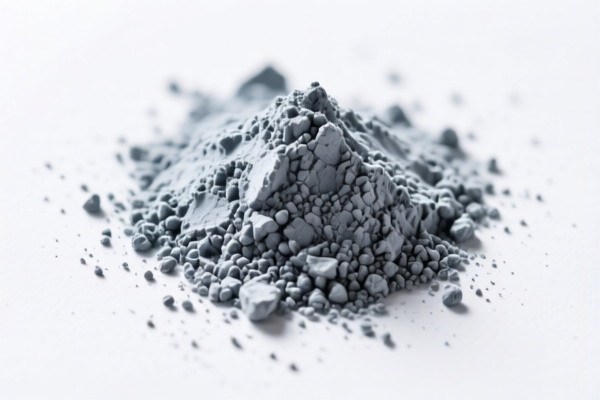
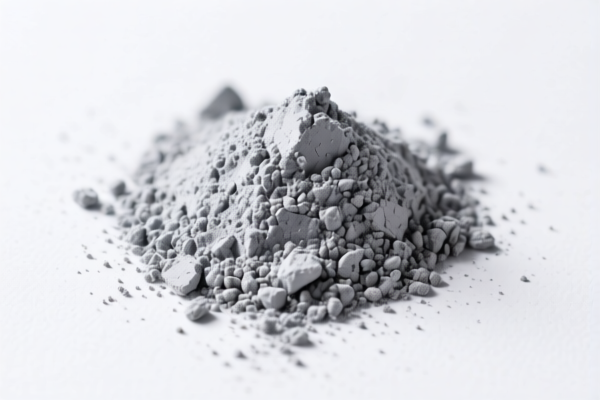
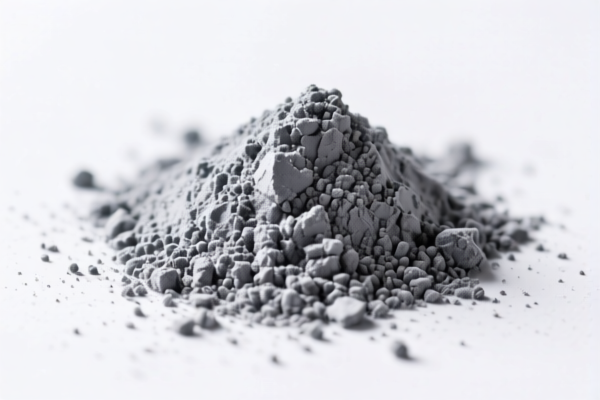
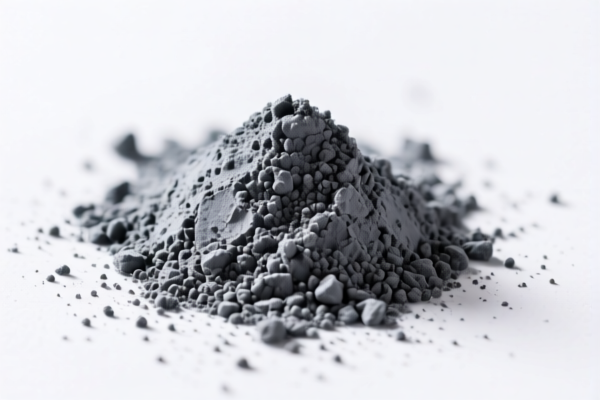
AI分析
🌿 Zinc-Containing Herbicides: HS Code Classification & 2026 Tariff Strategy
🌐 HS Code Reference & Customs Clearance Guide | 2026 Latest Tariff Analysis | Professional Entry Strategy
📌 1. Product Definition & Classification: What Exactly Is "Zinc-Containing Herbicide"?
In international trade, "Zinc-Containing Herbicides" are specialized agricultural chemical formulations. They are not pure zinc compounds but pesticide formulations where zinc (either as an inorganic salt like Zinc Sulfate or an organic complex) acts as a micronutrient enhancer or an active ingredient carrier within a herbicidal mixture.
The classification hinges on two critical factors: 1. Primary Function: Is it primarily a pesticide/herbicide (Chapter 38) or a chemical compound/salt (Chapter 28/29)? 2. Chemical Nature: Is it an organic compound (Chapter 29) or an inorganic compound/salt (Chapter 28)?
⚠️ Key Distinction:
- If it is a preparation/formulation intended specifically for herbicidal use, it typically falls under Chapter 38 (Miscellaneous Chemical Products).
- If it is a pure chemical substance (e.g., pure Zinc Sulfate) used in agriculture but not classified as a pesticide formulation, it may fall under Chapter 28 (Inorganic Chemicals) or Chapter 29 (Organic Chemicals).
📦 2. HS Code Classification Details (2026 Latest Tariff Alignment)
Based on the provided data for "Zinc-Containing Herbicide," here are the five potential classifications, their logic, and corresponding tax rates.
| HS Code | Product Description & Logic | Applicability Scenario | Chemical Nature |
|---|---|---|---|
2833.29.45.00 |
Inorganic Salts: Zinc Sulfate Category Matches "Sulfates/Zinc Sulfate" classification. Fits the material requirement for zinc-based inorganic salts. |
Pure Zinc Sulfate or simple zinc inorganic preparations, NOT primarily formulated as a pesticide. | ✅ Inorganic Sulfate |
2930.20.10.00 |
Organic/Inorganic Compounds: Pesticide Use Matches "Pesticide Use." Zinc is treated as a component of an organic/inorganic compound structure. |
Formulated herbicide where zinc is part of a complex organic/inorganic molecule intended for agrochemical use. | ⚠️ Mixed/Complex |
2930.20.90.10 |
Organic Sulfur Compounds: Pesticide Use Inferred as "Organic Sulfur Compound" based on common sense/logic for pesticide formulations. |
Herbicide formulations where zinc is associated with organic sulfur structures (less common, but possible in specific chelates). | ✅ Organic Sulfur |
2833.29.51.90 |
Other Sulfates: Metal Salts Matches "Other Sulfates" category under metal salts. |
Other zinc sulfate variants not specifically listed under 2833.29.45.00. |
✅ Inorganic Metal Salt |
3808.93.20.00 |
Pesticides: Inorganic Substances (Zinc) Matches "Herbicidal Use" & "Zinc Inorganic Material." Most likely for commercial formulations. |
Standard Commercial Herbicide Formulation: A mixture/formulation where zinc is an ingredient in a pesticide product. | ✅ Formulated Pesticide |
🔍 Critical Insight:
-3808.93.20.00is the most common code for finished herbicide products containing zinc.
-2833and2930codes are generally for raw chemical materials (like Zinc Sulfate powder) sold for further processing, not necessarily as ready-to-use herbicides.
- Misclassification between Chapter 28/29 (Chemicals) and Chapter 38 (Pesticides) can lead to significant tax discrepancies and customs delays.
💰 3. 2026 Latest Tariff Rate Breakdown (US Market, China Origin)
✅ Applicable Country: United States (US)
✅ Origin: China (CN)
✅ Effective Date: Post-2025 (Including 122 Clause & Section 301/IEEPA tariffs)
All listed HS Codes below are subject to the same tariff structure for Chinese origin goods entering the US under current trade policies.
🎯 General Tariff Structure for All Listed HS Codes
| Component | Rate | Description |
|---|---|---|
| Base Tariff | Varies (1.6% – 6.5%) | Standard MFN (Most Favored Nation) rate depending on the specific HS subheading. |
| Section 301 Tariff | +25.0% | Additional duty on Chinese goods under the US Trade Act Section 301. |
| Clause 122 Tariff | +10.0% | Additional duty under specific trade enforcement clauses (often related to national security or emergency powers). |
| Total Effective Rate | 36.6% – 41.5% | Sum of Base + 25% + 10% |
🎯 1. 2833.29.45.00 — Zinc Sulfates (Inorganic)
| Item | Detail |
|---|---|
| Base Tariff | 1.6% |
| Section 301 | +25.0% |
| Clause 122 | +10.0% |
| Total Tax | 36.6% |
| Calculation | CIF Value × 36.6% |
| De Minimis Exemption | ❌ Not Applicable (Goods subject to 301/122 tariffs generally do not qualify for de minimis duty-free entry under current enforcement). |
📌 Explanation:
- Lowest total rate among options due to low base tariff (1.6%).
- Suitable if importing raw Zinc Sulfate for further formulation.
🎯 2. 2930.20.10.00 — Organic/Inorganic Compounds (Pesticide Use)
| Item | Detail |
|---|---|
| Base Tariff | 6.5% |
| Section 301 | +25.0% |
| Clause 122 | +10.0% |
| Total Tax | 41.5% |
| Calculation | CIF Value × 41.5% |
| De Minimis Exemption | ❌ Not Applicable |
📌 Explanation:
- Highest total tax rate.
- Use only if the product is strictly defined as a complex organic/inorganic compound under Chapter 29.
🎯 3. 2930.20.90.10 — Organic Sulfur Compounds (Pesticide Use)
| Item | Detail |
|---|---|
| Base Tariff | 3.7% |
| Section 301 | +25.0% |
| Clause 122 | +10.0% |
| Total Tax | 38.7% |
| Calculation | CIF Value × 38.7% |
| De Minimis Exemption | ❌ Not Applicable |
📌 Explanation:
- Mid-range tax.
- Specific to formulations classified under organic sulfur compounds.
🎯 4. 2833.29.51.90 — Other Sulfates (Metal Salts)
| Item | Detail |
|---|---|
| Base Tariff | 3.7% |
| Section 301 | +25.0% |
| Clause 122 | +10.0% |
| Total Tax | 38.7% |
| Calculation | CIF Value × 38.7% |
| De Minimis Exemption | ❌ Not Applicable |
📌 Explanation:
- Same rate as2930.20.90.10.
- For other zinc sulfate variants not in2833.29.45.00.
🎯 5. 3808.93.20.00 — Pesticides (Inorganic, Zinc)
| Item | Detail |
|---|---|
| Base Tariff | 5.0% |
| Section 301 | +25.0% |
| Clause 122 | +10.0% |
| Total Tax | 40.0% |
| Calculation | CIF Value × 40.0% |
| De Minimis Exemption | ❌ Not Applicable |
📌 Explanation:
- Most likely code for commercial herbicides.
- Although the base tariff (5.0%) is higher than2833.29.45.00, it correctly reflects the pesticidal nature of the product, avoiding misdeclaration risks.
🛠️ 4. Customs Clearance Practical Advice (Real-World Pitfall Guide)
✅ 1. Essential Documentation Checklist
| Document | Required? | Notes |
|---|---|---|
| Product Specification Sheet | ✔️ | Must detail: Active ingredients, concentration, zinc content, formulation type (liquid/powder). |
| Labeling & Safety Data Sheet (SDS) | ✔️ | Must comply with US EPA/OSHA standards. Clear indication of "Herbicide" and "Zinc" content. |
| EPA Registration Number | ✔️ | Critical. All pesticides sold in the US must be registered with the Environmental Protection Agency. Provide the EPA Reg. No. |
| Commercial Invoice | ✔️ | Clearly state "Zinc-Containing Herbicide" and correct HS Code. |
| Certificate of Origin (CO) | ✔️ | Proof of Chinese origin to confirm applicability of 301/122 tariffs. |
| Bill of Lading (B/L) | ✔️ | Consistent with invoice and packing list. |
✅ 2. Declaration Strategy (Key Rules)
🔥 “Correct HS, Correct EPA, Clear Description!”
| Scenario | Correct Declaration | Wrong Declaration |
|---|---|---|
| Finished Herbicide Formulation | 3808.93.20.00 + EPA Reg. No. |
2833.29.45.00 (Misclassified as raw chemical) → Risk of Penalty/Seizure |
| Raw Zinc Sulfate (No Pesticidal Function) | 2833.29.45.00 |
3808.93.20.00 (Over-declared as pesticide) → Unnecessary Compliance Burden |
| Zinc-Chelated Herbicide | 2930.20.10.00 or 3808.93.20.00 |
Incorrect generic "Chemical" → Customs Inquiry/Delay |
📌 Note:
- Do NOT split the shipment into "Zinc" and "Herbicide" to lower tariffs. This is considered transshipment fraud or misdeclaration.
- Ensure the EPA Registration Number is visible on the product label and invoice. US Customs and Border Protection (CBP) often queries shipments under Chapter 38 without EPA numbers.
✅ 3. Special Considerations
| Situation | Recommendation |
|---|---|
| New Product Launch | Apply for Advance Ruling from CBP to confirm the correct HS Code before shipment. |
| High-Value Shipments | Consider Bonded Warehousing to defer tariff payment until sale. |
| Supply Chain Risk | Monitor for changes in Section 301 exclusions. Some chemical categories may be exempted temporarily. |
| Environmental Compliance | Ensure the formulation meets EPA toxicity standards. Non-compliant products will be refused entry regardless of HS Code. |
🌍 5. Global Market Comparison (2026 Outlook)
| Country/Region | Recommended HS Code | Base Tariff | Additional Duties (China) | Total Est. Rate |
|---|---|---|---|---|
| 🇺🇸 United States | 3808.93.20.00 |
5.0% | +25% (301) +10% (122) | 40.0% |
| 🇨🇳 China (Import) | 3808.93.20.00 |
~10-15% | None | ~10-15% |
| 🇪🇺 European Union | 3808.93.00 |
0-6.5% | None (WTO) | ~0-6.5% |
| 🇬🇧 United Kingdom | 3808.93.00 |
0-6.5% | None (WTO) | ~0-6.5% |
📌 Conclusion:
- USA has the highest landed cost due to additional tariffs.
- EU/UK/China are more cost-effective for imports, but face different regulatory barriers (e.g., REACH in EU).
📌 6. Common Mistakes & Pitfalls (Lessons Learned)
❌ Mistake 1: Declaring "Zinc Sulfate" (2833.29.45.00) for a ready-to-use herbicide.
👉 Consequence: Customs detects EPA-regulated pesticide without proper declaration → Seizure & Fines.
❌ Mistake 2: Ignoring the "Clause 122" 10% tariff.
👉 Consequence: Underpayment → Back Taxes & Penalties.
❌ Mistake 3: Incomplete SDS (Safety Data Sheet).
👉 Consequence: CBP cannot verify safety → Delay in Release.
❌ Mistake 4: Using generic terms like "Chemical Fertilizer" instead of "Herbicide."
👉 Consequence: Misclassification → Wrong HS Code → Wrong Duty Rate.
✅ Correct Approach:
"Herbicide Formulation, Zinc-Containing, EPA Reg. No. XXXXX-XXX, Net Weight 10kg, HS Code 3808.93.20.00"
🎯 7. Conclusion: Professional Classification, Cost Optimization, Risk Mitigation
🎯 Key Takeaway:
🔹 "Pesticide = Chapter 38": For most zinc-containing herbicides,
3808.93.20.00is the safest and most accurate code.
🔹 "Total Tax = Base + 25% + 10%": Always calculate the full 36.6%-41.5% landed cost.
🔹 "EPA is Mandatory": No EPA registration = No entry into the US.
📌 Pro Tip:
If your zinc-containing herbicide is originating from Vietnam, Mexico, or Thailand, you may be eligible for IEEPA exemptions or FTA (Free Trade Agreement) benefits, significantly reducing the 25% Section 301 tariff.
👉 Action: Verify origin rules and apply for Preference Claims if applicable.
📣 Immediate Action:
📞 Contact a licensed customs broker + Provide EPA Registration Number + Request CBP Advance Ruling
🚀 Ensure Smooth Customs Clearance, Minimize Costs, and Avoid Legal Risks!
✨ Professional Clearance Starts with Accurate Classification!
💼 Every Percentage Point in Duty Matters to Your Bottom Line!
用户评价
关于 HS 编码归类
协调制度(HS)是由世界海关组织(WCO)制定的国际贸易商品分类标准。全球 200 多个国家采用 HS 系统作为海关关税、贸易统计和进出口监管的基础。
每个 HS 编码遵循以下层级结构:
- 章(2 位)——商品大类(例如:第 84 章:机器和机械设备)
- 品目(4 位)——章内的更具体分类
- 子目(6 位)——国际通用细分,所有 WCO 成员国统一使用
- 本国细分(8-10 位)——各国自行扩展的细分编码,如美国 HTSUS 10 位编码
正确的 HS 编码归类对于顺利通关、准确缴纳关税和遵守贸易法规至关重要。错误归类可能导致海关延误、多缴关税或罚款。
从CN进口到US时,适用的关税税率可能包括:
- 最惠国(MFN)税率——适用于 WTO 成员国的标准关税税率
- 普通税率——适用于无贸易协定国家
- 贸易救济关税——附加关税,如 301 条款(反倾销)、232 条款(国家安全)或反补贴税
本页内容仅供参考。如需正式归类,请咨询当地海关或持牌报关代理。