聚丙烯复合胶片
CN → US| HS编码 | 关税税率 | 原产国 | 目的国 | 文档 |
|---|---|---|---|---|
| 3920200020 | 39.2% | CN | US | 官方文档 |
| 3921190010 | 41.5% | CN | US | 官方文档 |
| 3920200055 | 39.2% | CN | US | 官方文档 |
| 3921190090 | 41.5% | CN | US | 官方文档 |
| 3919905060 | 40.8% | CN | US | 官方文档 |
商品图片
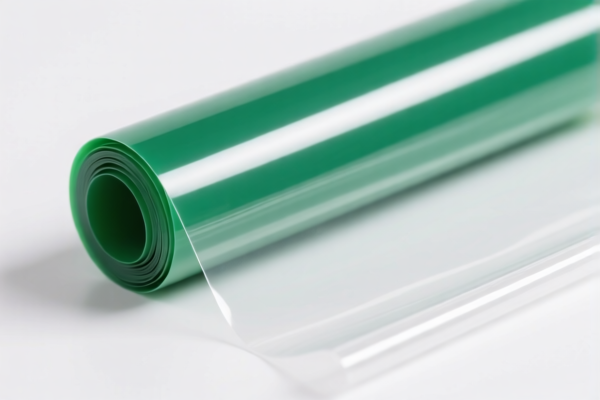
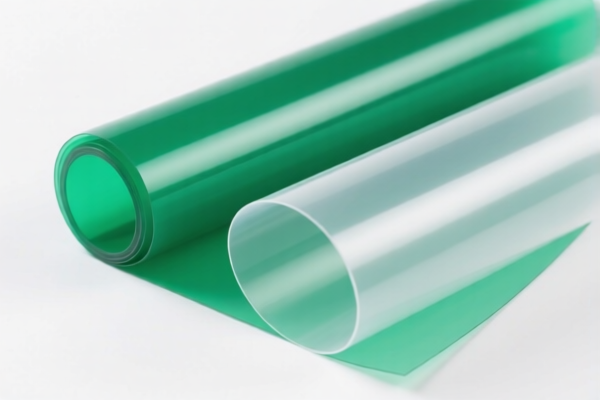
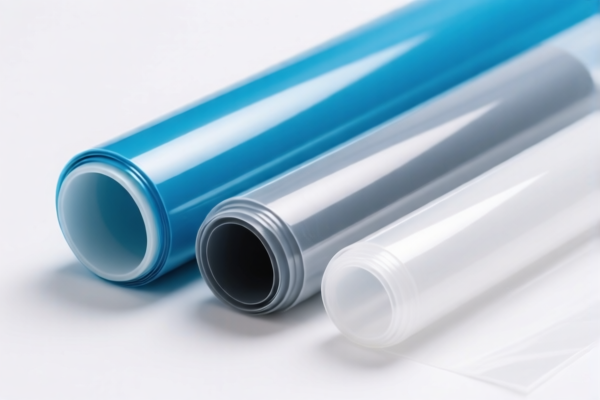
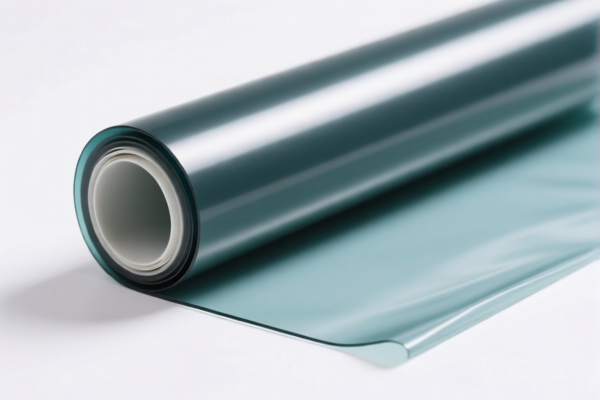
AI分析
🧪 Polypropylene Composite Film: The Ultimate HS Code & Customs Clearance Guide (2026 Edition)
🌐 HS Code Reference & Customs Clearance Strategy | 2026 Updated Tariff Analysis | Professional Logistics Protocol
📌 Product Overview: What Exactly is "Polypropylene Composite Film"?
Polypropylene (PP) Composite Film is a versatile industrial material widely used in packaging, agriculture, construction, and electrical insulation. It is a flexible plastic product formed by extrusion or lamination, characterized by its durability, chemical resistance, and transparency.
In international trade, the classification of PP film hinges on three critical factors: 1. Physical Form: Is it a sheet, a roll, or a strip? 2. Structure: Is it a simple layer, laminated, or coated? 3. Surface Treatment: Does it have adhesive (self-adhesive)?
⚠️ The "Classification Trap" - Simple Sheets/Films (No adhesive) → Usually fall under 3920 or 3921. - Adhesive Sheets (Sticky side present) → Falls under 3919. - Thickness & Width: Can alter the specific subheading (e.g., "Other" vs. "Specific").
📦 II. Detailed HS Code Classification (2026 Tariff Database)
Based on the provided data, here is the precise classification for Polypropylene Composite Film across four distinct scenarios:
| HS Code | Product Summary | Physical/Chemical Definition | Total Tax Rate |
|---|---|---|---|
| 3920.20.00.20 | PP Material, Sheet/Film Form (Plate, Sheet, Foil Category) |
Fits the definition of Polyethylene/Polypropylene plates, sheets, film, and strip, non-adhesive. | 39.2% |
| 3921.19.00.10 | PP Material, Sheet/Film Form (Fits "Sheet" Definition) |
Classified under Other plates, sheets, film, strip, and foil of plastics. Distinct from 3920 due to specific formulation or lamination. | 41.5% |
| 3920.20.00.55 | PP Material, Sheet/Film Form (Other Plates/Sheets/Films) |
Fits the "Other" sub-category within Polypropylene plates, sheets, film, and foil. | 39.2% |
| 3921.19.00.90 | PP Material, Sheet/Film Form (Plastic Plates/Sheets/Foil Category) |
Fits the broader "Plastic plates, sheets, film, strip and foil" classification. | 41.5% |
| 3919.90.50.60 | PP Material, Flat Shape (Self-Adhesive or Flat) |
CRITICAL: If the product has an adhesive backing or is specifically a self-adhesive flat product. | 40.8% |
🔍 Key Insight: - 3920 vs. 3921: The choice depends on whether the film is "unreinforced/non-laminated" (3920) or "reinforced/laminated/special" (3921). - 3919: Do not ignore this! If your "Composite Film" has a glue layer (e.g., adhesive tape or sticky packaging film), it MUST go to 3919, not 3920/3921. Misclassification here leads to massive compliance risks.
💰 III. 2026 Tariff Rate Breakdown (Detailed Analysis)
✅ Origin: China (CN)
✅ Destination: United States (US)
✅ Applicable Period: Current & Post-2026 Regulations
The total tax rate is a compound structure of Base Duty + Section 301 (USITC) + Section 122 (Biden Era Tariffs).
🎯 Scenario A: 3920.20.00.20 / 3920.20.00.55
(Standard PP Film, Non-Adhesive)
| Component | Rate | Description |
|---|---|---|
| Base Tariff | 4.2% | Standard MFN rate for Polypropylene sheets. |
| Section 301 (USITC) | +25.0% | Additional duties on Chinese imports to offset unfair trade practices. |
| Section 122 (Biden) | +10.0% | New "Section 122" duties targeting specific Chinese industrial materials. |
| TOTAL RATE | 39.2% | 4.2 + 25.0 + 10.0 |
| Calculation | CIF Value × 39.2% |
📌 Explanation: This is the standard rate for non-adhesive PP films. The 25% and 10% add-ons make this product highly sensitive to price fluctuations.
🎯 Scenario B: 3921.19.00.10 / 3921.19.00.90
(Reinforced/Laminated PP Sheet/Film)
| Component | Rate | Description |
|---|---|---|
| Base Tariff | 6.5% | Slightly higher base rate for "Other" plastic sheets. |
| Section 301 (USITC) | +25.0% | Same additional duty as above. |
| Section 122 (Biden) | +10.0% | Same additional duty as above. |
| TOTAL RATE | 41.5% | 6.5 + 25.0 + 10.0 |
| Calculation | CIF Value × 41.5% |
📌 Explanation: This category is for more complex PP composites. The base duty is higher, leading to a 2.3% increase over the standard PP film.
🎯 Scenario C: 3919.90.50.60
(Self-Adhesive PP Film)
| Component | Rate | Description |
|---|---|---|
| Base Tariff | 5.8% | Base rate for self-adhesive plastic products. |
| Section 301 (USITC) | +25.0% | Mandatory addition. |
| Section 122 (Biden) | +10.0% | Mandatory addition. |
| TOTAL RATE | 40.8% | 5.8 + 25.0 + 10.0 |
| Calculation | CIF Value × 40.8% |
📌 Critical Warning: Do not classify adhesive films under 3920/3921! Customs will flag this as misclassification. If you import adhesive PP film under 3920 (39.2%), but it is legally 3919 (40.8%), you risk penalties, delayed clearance, and back-taxes.
🛠️ IV. Customs Clearance Practical Advice (Avoid Pitfalls)
✅ 1. Documentation Checklist (Must Have)
| Document | Requirement | Why It Matters |
|---|---|---|
| Technical Data Sheet (TDS) | Must specify: Adhesive vs. Non-Adhesive, Layer Count, Thickness. | Determines if it's 3919 (Adhesive) or 3920/3921 (Non-Adhesive). |
| Composition Certificate | Must state "100% Polypropylene" or "Laminated PP layers". | Verifies HS Code 3920 vs. 3921. |
| Commercial Invoice | Explicitly state "Polypropylene Film" or "Adhesive Polypropylene Tape". | Avoid vague terms like "Plastic Wrap" which trigger audits. |
| Product Photos | Close-up of edge/cross-section showing layers. | Visual proof of "Composite" structure. |
| Declaration of Non-Adhesive | If applicable, a letter stating "No Adhesive Backing". | Prevents accidental 3919 classification. |
✅ 2. Strategic Classification Tips (The "Golden Rules")
🔥 Rule 1: The "Sticky" Test - If it sticks to your hand: Declare as 3919.90.50.60 (40.8%). - If it does NOT stick: Declare as 3920 or 3921 (39.2% or 41.5%). - Mistake: Putting sticky tape in 3920 = Customs Rejection.
🔥 Rule 2: The "Composite" Test - Is it PP + PE (Laminated)? → Likely 3921.19.00.10/90 (41.5%). - Is it Pure PP Sheet? → Likely 3920.20.00.20/55 (39.2%).
🔥 Rule 3: Section 122 & 301 Synergy - ALL categories listed above include +35% in extra duties (25% + 10%). - There are NO de minimis exemptions for these industrial plastics. - Total Cost Impact: Expect to pay nearly 40% on top of the product value.
🌍 V. Global Market Comparison (2026 Snapshot)
| Market | Recommended HS Code | Estimated Total Duty | Notes |
|---|---|---|---|
| 🇺🇸 USA | 3920.20.00.20 / 3921.19.00.10 / 3919.90.50.60 | 39.2% ~ 41.5% | High Section 301 + Section 122. |
| 🇪🇺 EU | 3920/3921 | ~4% + VAT | No Section 301/122, but anti-dumping checks apply. |
| 🇨🇳 China | 3920/3921 | 0% (Duty Free) | Importing back to China is tariff-free, but export tax may apply. |
| 🇯🇵 Japan | 3920/3921 | 6% - 8% | No major retaliatory tariffs on plastics. |
📌 Conclusion: The USA is the only market with this complex tax burden (Base + 25% + 10%). Exporters must factor this into their FOB pricing immediately.
📌 VI. Common Errors & Risk Mitigation
❌ Error 1: Calling it "Plastic Bag" instead of "Film"
👉 Risk: Bags (3923) have different duties. If you ship rolls of film but label them "Bags", Customs may reject or re-classify.
❌ Error 2: Ignoring the Adhesive Layer
👉 Risk: Using 3920 for adhesive film saves 1.6% but triggers a fraud audit. Penalties can exceed 100% of the duty.
❌ Error 3: Vague "PP Sheet" Description
👉 Risk: Fails to distinguish between 3920 (4.2% base) and 3921 (6.5% base). Customs may default to the highest duty for safety.
✅ Correct Action:
"Polypropylene Composite Film (Non-Adhesive), 0.5mm Thickness, White, Matte Finish, HS Code 3920.20.00.20"
OR
"Self-Adhesive Polypropylene Tape, 100m Roll, HS Code 3919.90.50.60"
🎯 VII. Final Strategy: How to Save Money & Time
- Pre-Classification: Get an Binding Tariff Information (BTI) or Advance Ruling from US Customs before shipping. This locks in the 39.2% or 41.5% rate and prevents disputes.
- Supply Chain Shift: If the tariff burden is too high, consider assembling the final product in a third country (e.g., Vietnam) to avoid Section 301/122 duties (subject to strict rules of origin).
- Value Optimization: Ensure your CIF value includes only the product cost and freight. Do not include "marketing fees" or "royalties" in the declared value, as duty is calculated on the total.
🚀 Pro Tip: For 3921 goods (higher base duty), ask your supplier if the material can be re-formulated to 3920 standards (e.g., removing the reinforcing layer) to save 2.3% in base duty (plus the 35% on that 2.3%).
✨ Professional Customs Clearance Starts with Precision Classification! 💼 Every percentage point saved is pure profit. 📞 Contact your logistics partner today to verify your HS Code!
用户评价
关于 HS 编码归类
协调制度(HS)是由世界海关组织(WCO)制定的国际贸易商品分类标准。全球 200 多个国家采用 HS 系统作为海关关税、贸易统计和进出口监管的基础。
每个 HS 编码遵循以下层级结构:
- 章(2 位)——商品大类(例如:第 84 章:机器和机械设备)
- 品目(4 位)——章内的更具体分类
- 子目(6 位)——国际通用细分,所有 WCO 成员国统一使用
- 本国细分(8-10 位)——各国自行扩展的细分编码,如美国 HTSUS 10 位编码
正确的 HS 编码归类对于顺利通关、准确缴纳关税和遵守贸易法规至关重要。错误归类可能导致海关延误、多缴关税或罚款。
从CN进口到US时,适用的关税税率可能包括:
- 最惠国(MFN)税率——适用于 WTO 成员国的标准关税税率
- 普通税率——适用于无贸易协定国家
- 贸易救济关税——附加关税,如 301 条款(反倾销)、232 条款(国家安全)或反补贴税
本页内容仅供参考。如需正式归类,请咨询当地海关或持牌报关代理。