聚乙烯服装包装袋
CN → US| HS编码 | 关税税率 | 原产国 | 目的国 | 文档 |
|---|---|---|---|---|
| 3923290000 | 38.0% | CN | US | 官方文档 |
| 3923210095 | 38.0% | CN | US | 官方文档 |
| 6305330080 | 25.9% | CN | US | 官方文档 |
| 6305330010 | 25.9% | CN | US | 官方文档 |
| 3923290000 | 38.0% | CN | US | 官方文档 |
商品图片
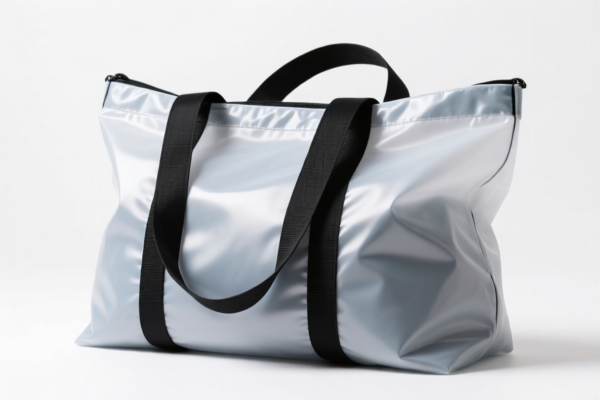
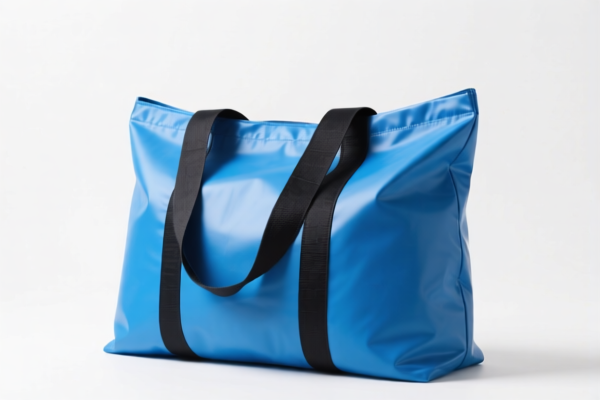
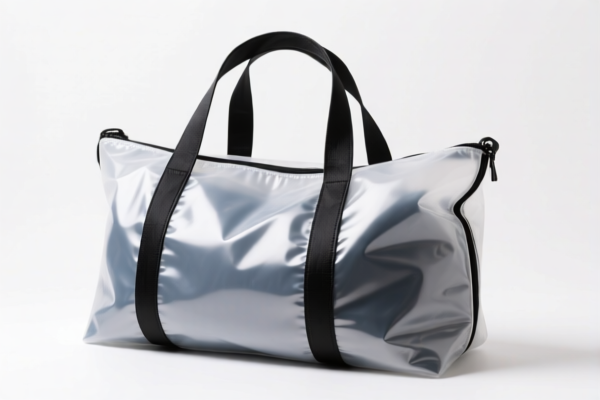
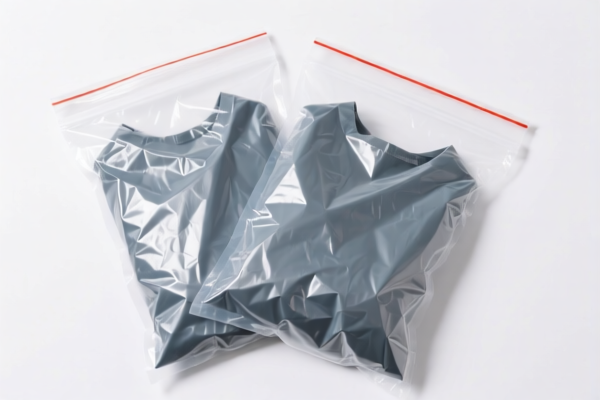
AI分析
🛍️ Polyethylene Garment Packaging Bags (塑料制囊袋)
🌐 HS Code Reference & Customs Clearance Guide | 2026 Tariff Deep Dive | Professional Entry Strategy
📌 I. Product Definition & Classification: What Exactly Are "Polyethylene Garment Bags"?
Polyethylene garment bags are flexible plastic containers primarily used for storing, protecting, and transporting clothing during retail logistics, shipping, or storage. They are distinct from rigid containers and general-purpose sacks.
In international trade, classification hinges on Material (Polyethylene vs. Polypropylene) and Intended Use (Garment Packaging vs. General Cargo).
⚠️ Key Classification Triggers:
- Material: If it is Polyethylene (PE), it generally falls under Chapter 39 (Plastics).
- Shape/Form: If it is a "bag" or "pouch" (not a box), it falls under Heading 3923 or 6305.
- Medical Use: Even if made of PE, if specifically certified as "Medical Grade," it may be scrutinized but often retains the "Plastic Bag" classification unless specific medical device exemptions apply.
📦 II. Detailed HS Code Classification (Based on Provided Data)
According to the provided dataset, there are 5 specific entries relevant to Polyethylene Garment Bags and similar packaging. Note that some entries in the data refer to Polypropylene (PP) bags used for similar purposes; these are included for comparative classification analysis as per your data set.
| HS Code | Product Description | Material | Tax Rate (Total) | Key Classification Logic |
|---|---|---|---|---|
| 3923.29.00.00 | Polyethylene Garment Bags (Primary) | Polyethylene (PE) | 38.0% | "Other" plastic bags for general packaging (excluding PVC/PE specific sub-items). |
| 3923.21.00.95 | Polyethylene Garment Bags (Specific) | Polyethylene (PE) | 38.0% | Specifically classified under "Bags, Pouches & Containers of Polyethylene." |
| 3923.29.00.00 | Medical Grade PE Bags | Polyethylene (PE) | 38.0% | Same code as general bags; "Medical Grade" is a material quality spec, not a HS change here. |
| 6305.33.00.80 | Polypropylene (PP) Cargo Bags | Polypropylene (PP) | 25.9% | Comparative: PP material, used for packaging. Lower tax due to different chapter (Textiles vs. Plastics). |
| 6305.33.00.10 | Polypropylene (PP) General Packaging | Polypropylene (PP) | 25.9% | Comparative: PP material, similar use to garment bags but different material. |
🔍 Critical Observation:
- Polyethylene (PE) bags are strictly classified under Chapter 39 with a 38.0% total tax.
- Polypropylene (PP) bags (if the material is misidentified or if a specific "textile bag" category applies) fall under Chapter 63 with a 25.9% total tax.
- Do not mix materials: Accurate material testing is crucial. Misdeclaring PP as PE could lead to audits, but declaring PE as PP (to get lower tax) is fraud if the material is actually PE.
💰 III. 2026 Tariff Breakdown & Policy Details
✅ Applicable Region: USA (Implied by "Section 122" and "Add-on Tariff" structure)
✅ Origin: China (CN) (Implied by the tax structure)
✅ Structure: Base Duty + Section 301 Add-on + Section 122 Add-on
🎯 1. The "Polyethylene" Path (HS 3923.29.00.00 / 3923.21.00.95)
Total Tax Rate: 38.0%
| Component | Rate | Legal Basis | Explanation |
|---|---|---|---|
| Base Tariff | 3.0% | General Most-Favored-Nation (MFN) | Standard duty for plastic bags under Chapter 39. |
| Section 301 Add-on | 25.0% | US Trade Act 301 | "Additional Tariffs" on specific Chinese imports. |
| Section 122 Add-on | 10.0% | IEEPA/Section 122 | Specific tariff for "Section 122" products (often relates to strategic materials). |
| Total | 38.0% | 3.0% + 25.0% + 10.0% |
📌 Tax Detail Explanation:
- Base (3.0%): The standard import duty.
- Add-on (25.0%): This is the "Section 301" penalty tariff applied to many Chinese manufactured goods.
- 122 Clause (10.0%): A specific "Section 122" tariff, likely related to the International Emergency Economic Powers Act (IEEPA) or specific trade remedies targeting Chinese plastic goods.
- Result: You pay nearly 4 times the base value in duties alone.
🎯 2. The "Polypropylene" Path (HS 6305.33.00.80 / 10)
Total Tax Rate: 25.9% (Only applicable if the bag is actually Polypropylene)
| Component | Rate | Legal Basis | Explanation |
|---|---|---|---|
| Base Tariff | 8.4% | MFN for Textile/Plastic Packaging | Higher base rate for Chapter 63 items. |
| Section 301 Add-on | 7.5% | US Trade Act 301 | Lower add-on percentage compared to PE plastics. |
| 122 Clause | 10.0% | Section 122 Regulations | Same 10% penalty applies if under Section 122 scope. |
| Total | 25.9% | 8.4% + 7.5% + 10.0% |
📌 Strategy Alert:
If your product is Polypropylene (PP), the total tax drops to 25.9%, saving 12.1% compared to Polyethylene.
⚠️ Warning: You cannot simply declare PE bags as PP to save money. Customs will test the material. If found non-compliant, you face 100% penalty + seizure.
🛠️ IV. Customs Clearance实操 Recommendations (Practical Guide)
✅ 1. Material Verification (The "Must-Have")
Since the tax difference between PE (38.0%) and PP (25.9%) is significant, accurate material identification is the first step. * Action: Provide a Material Safety Data Sheet (MSDS) or Third-Party Lab Test Report (e.g., ISO 11469 standard) confirming "100% Polyethylene" or "100% Polypropylene." * Why: Customs officers often perform "spot checks." If your invoice says "Plastic Bag" but the material is PE, they will apply 38.0%. If it's PP, 25.9%.
✅ 2. Correct HS Code Declaration
- For PE Garment Bags: Use
3923.21.00.95(Specific to Polyethylene) or3923.29.00.00(Other plastics).- Tip:
3923.21.00.95is more precise for "Polyethylene" bags, reducing the risk of "Classification Error" audits.
- Tip:
- For PP Bags: Use
6305.33.00.80or6305.33.00.10.- Tip: Ensure the description explicitly mentions "Polypropylene" in the commercial invoice.
✅ 3. Invoice & Description Best Practices
| Field | Recommended Wording | Reason |
|---|---|---|
| Product Name | "Polyethylene Garment Packaging Bags" or "PP Cargo Packing Bags" | Avoid vague terms like "Plastic Sacks." |
| Material | "100% Virgin Polyethylene" or "100% Recycled Polypropylene" | Critical for tax rate calculation. |
| Usage | "For storage and transport of clothing in retail/logistics" | Confirms "Packaging" use, not "Textile" use (which might be different). |
| Medical Note | If medical grade, add "Medical Grade PE" but do not change HS Code unless advised. | Prevents confusion with medical device chapters. |
✅ 4. Special "Section 122" Awareness
- Rule: The 10% "Section 122" tariff is applied regardless of the base rate (PE or PP).
- Strategy: There is no exemption for de minimis (small shipments) for these specific codes in this data set. You must pay the full tax.
- Mitigation: Check if your supplier can ship from a third country (e.g., Vietnam, Mexico) where Section 301 or 122 penalties might be waived (requires full supply chain traceability).
🌍 V. Global Market Comparison (Quick View)
| Market | Recommended HS Code | Total Tax (China Origin) | Key Risk |
|---|---|---|---|
| 🇺🇸 USA | 3923.21.00.95 (PE) / 6305.33.00 (PP) | 38.0% (PE) / 25.9% (PP) | High scrutiny on material composition. |
| 🇪🇺 EU | 3923.21 / 6305 | Low (0-5%) + VAT | Generally lower base duty, but high VAT and environmental taxes. |
| 🇨🇦 Canada | 3923.21 | Medium | Similar to US but different add-on rules. |
📌 Conclusion: The USA is the most expensive market for these goods due to the 38.0% total tax on Polyethylene. * PE Bags: 38.0% (High Cost) * PP Bags: 25.9% (Lower Cost, if material allows)
🎯 VI. Conclusion: Strategic Advice for Shippers
- Verify Material First: Is your bag truly Polyethylene (PE) or Polypropylene (PP)? The 12.1% tax difference is huge. Do not guess; test!
- Precise Classification: Use
3923.21.00.95for PE bags to be specific. Avoid3923.29.00.00unless you are unsure, as3923.21is the "Polyethylene" specific code. - Prepare for 38%: If shipping PE bags from China to the US, your landed cost will jump significantly due to the 3.0% Base + 25.0% Section 301 + 10.0% Section 122.
- Avoid "Medical" Traps: Even if "Medical Grade," if it's just a bag, it likely stays in Chapter 39. Don't try to shift it to Chapter 3000 (Drugs/Devices) without a specific license.
💡 Pro Tip: "If the bag is for General Clothing, use 3923.21.00.95. If it's Polypropylene, use 6305.33.00. The tax difference is real, but the material test is the gatekeeper!"
✨ Customs Clearance, Simplified!
💼 Accurate Classification = Lower Risk = Higher Profit!
用户评价
关于 HS 编码归类
协调制度(HS)是由世界海关组织(WCO)制定的国际贸易商品分类标准。全球 200 多个国家采用 HS 系统作为海关关税、贸易统计和进出口监管的基础。
每个 HS 编码遵循以下层级结构:
- 章(2 位)——商品大类(例如:第 84 章:机器和机械设备)
- 品目(4 位)——章内的更具体分类
- 子目(6 位)——国际通用细分,所有 WCO 成员国统一使用
- 本国细分(8-10 位)——各国自行扩展的细分编码,如美国 HTSUS 10 位编码
正确的 HS 编码归类对于顺利通关、准确缴纳关税和遵守贸易法规至关重要。错误归类可能导致海关延误、多缴关税或罚款。
从CN进口到US时,适用的关税税率可能包括:
- 最惠国(MFN)税率——适用于 WTO 成员国的标准关税税率
- 普通税率——适用于无贸易协定国家
- 贸易救济关税——附加关税,如 301 条款(反倾销)、232 条款(国家安全)或反补贴税
本页内容仅供参考。如需正式归类,请咨询当地海关或持牌报关代理。