金属摆件
CN → US| HS编码 | 关税税率 | 原产国 | 目的国 | 文档 |
|---|---|---|---|---|
| 8306290000 | 10.0% | CN | US | 官方文档 |
| 6913105000 | 17.5% | CN | US | 官方文档 |
| 6913905000 | 23.5% | CN | US | 官方文档 |
| 9208100000 | 13.2% | CN | US | 官方文档 |
| 9208900080 | 22.8% | CN | US | 官方文档 |
商品图片
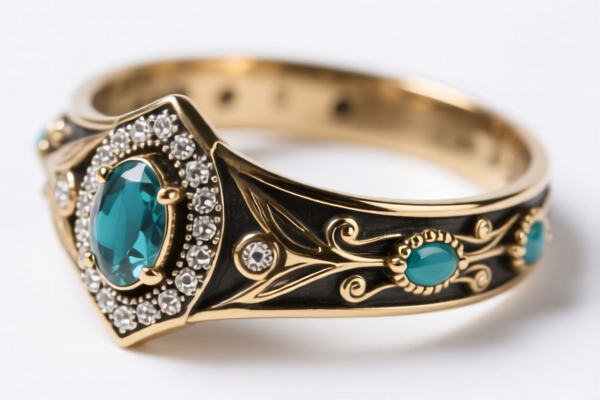
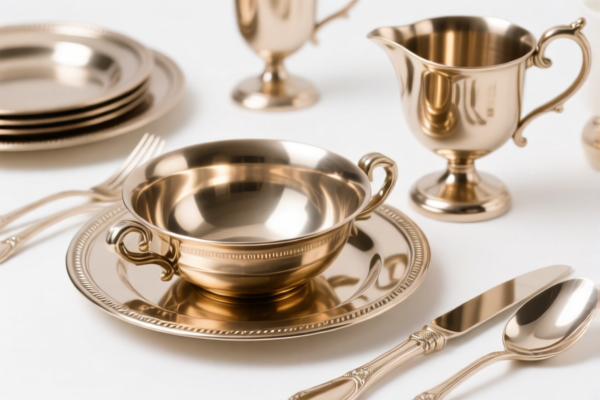
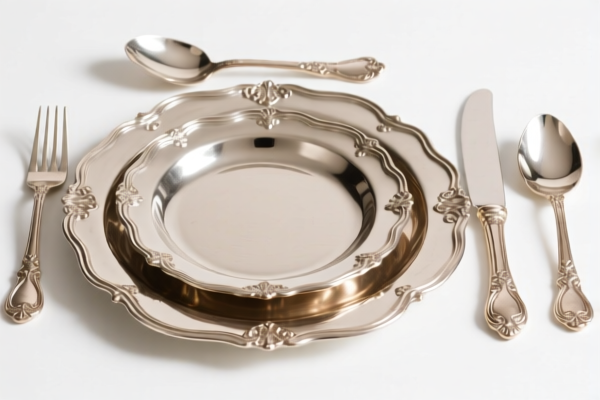
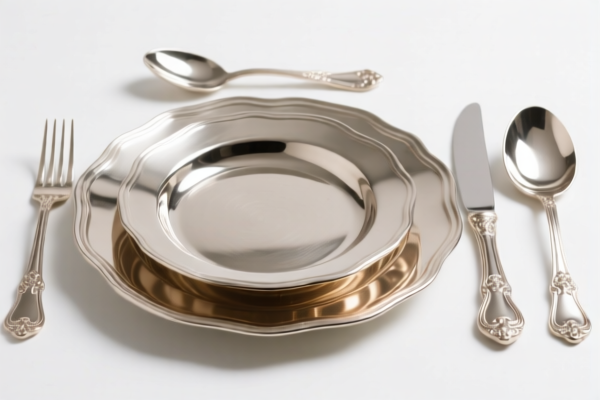
AI分析
🎨 Metal Ornaments & Figurines: The Ultimate HS Code & Customs Guide (2026 Edition)
🌐 Global Trade Intelligence | Decoding "Metal Ornaments" | 2026 Tax & Clearance Strategy
📌 I. Product Definition: What Exactly are "Metal Ornaments"?
Metal Ornaments (Metal Figurines) are decorative objects made of base metals (non-ferrous or ferrous alloys) intended for adorning homes, offices, or religious spaces. They are distinct from structural metal items or raw materials.
In international trade, they are primarily classified based on Material and Functionality: * Decorative Figurines: Statues, busts, and abstract shapes made of copper, zinc, aluminum, iron, etc. (HS Code 8306.29.00.00). * Ceramic Substitutes: Sometimes confused with ceramic items, but strictly metal → 8306.29.00.00. * Music-Box Functionality: If the ornament plays music mechanically, it shifts classification (HS Code 9208). * Material Nuances: Even if a product looks "ceramic-like" but is metal, it must be declared as metal. If it is actually ceramic, it falls under 6913.
⚠️ Critical Distinction:
- Metal = 8306 Series (Highly susceptible to 122 Clauses & USITC duties).
- Ceramic = 6913 Series (Different tax structure).
- Musical Function = 9208 Series (Instrument category).
- Misclassification Risk: Declaring a musical metal box as a simple "statue" can lead to severe penalties and cargo seizure.
📦 II. HS Code Classification Matrix (2026 Tax Regime)
| HS Code | Product Description | Functional Status | Material Basis |
|---|---|---|---|
8306.29.00.00 |
Metal Statues, Figurines, Decorative Ornaments | Passive Decor Only (No sound) | Copper, Zinc, Iron, Alloy |
6913.10.50.00 |
Ceramic Decorative Ornaments (High-end) | Decor Only | Ceramic (Porcelain/Porcelain-like) |
6913.90.50.00 |
Other Ceramic Decorative Articles | Decor Only | Other Ceramics |
9208.10.00.00 |
Musical Boxes (Standard) | Active Sound (Spring/Metal Cylinders) | Wood/Metal Case + Mechanism |
9208.90.00.80 |
Mechanical Sound Devices | Active Sound (Complex Mechanism) | Mixed Materials |
🔍 Strategic Insight:
- 8306.29.00.00 is the primary code for standard metal figurines.
- 9208 codes apply ONLY if the product contains a mechanism to produce music. A silent metal bell or statue is NOT 9208.
- 6913 codes apply if the product is ceramic, even if the design mimics metal.
💰 III. 2026 Tariff Breakdown (Detailed Tax Analysis)
✅ Target Market: USA / Global Import Context (China Origin)
✅ Key Policy: "Section 122 Clauses" & USITC Section 301
✅ Effective Date: 2025-11-10 onwards
🎯 1. 8306.29.00.00 —— The Standard Metal Ornament
(The most common code for metal statues, plaques, and figures)
| Tax Component | Rate | Legal Source |
|---|---|---|
| Base Duty | 0.0% | Standard MFN Rate |
| Additional Duty (USITC) | 0.0% | No specific Section 301 penalty for this subheading |
| Section 122 Tax | +10.0% | Crucial: "122 Clause" specific tariff |
| Total Effective Rate | 10.0% | High Impact |
📌 Explanation:
- Base Duty (0%): Without trade war policies, metal ornaments are duty-free.
- Section 122 Tax (10%): This is a specific punitive tariff applied to certain Chinese-origin goods under recent trade escalation clauses.
- Total: The importer pays 10% on the CIF value. This is non-negotiable for standard metal statues from China.
🎯 2. 6913.10.50.00 —— Ceramic Ornament (High-End)
(If the product is actually ceramic but looks like a "figurine")
| Tax Component | Rate | Legal Source |
|---|---|---|
| Base Duty | 0.0% | Standard MFN Rate |
| Additional Duty (USITC) | +7.5% | Section 301 / USITC specific penalty |
| Section 122 Tax | +10.0% | Applicable to ceramic goods |
| Total Effective Rate | 17.5% | Very High |
📌 Explanation:
- Ceramic goods face a higher base tax burden due to the 7.5% USITC surcharge.
- Combined with the 10% Section 122 tax, the total hits 17.5%.
- Strategy: If your product is a "metal" finish but ceramic core, this tax applies. If it is truly metal, 8306 is cheaper (10%).
🎯 3. 6913.90.50.00 —— Other Ceramic Decor
(Generic ceramic items not falling into high-end porcelain)
| Tax Component | Rate | Legal Source |
|---|---|---|
| Base Duty | 6.0% | Higher base rate for non-precision ceramics |
| Additional Duty (USITC) | +7.5% | Section 301 |
| Section 122 Tax | +10.0% | Applicable |
| Total Effective Rate | 23.5% | Maximum Risk |
📌 Explanation:
- This is the highest tax bracket in the list.
- Warning: Do not declare a ceramic item as "Metal" to avoid this. If it is ceramic, you face 23.5%.
- Comparison: If you have a choice between a metal version (10%) and ceramic (23.5%), Metal is the cost-saving choice.
🎯 4. 9208.10.00.00 —— Musical Boxes (Standard)
(Metal ornaments that play music via standard mechanism)
| Tax Component | Rate | Legal Source |
|---|---|---|
| Base Duty | 3.2% | Standard MFN Rate for Musical Instruments |
| Additional Duty (USITC) | 0.0% | No Section 301 penalty for this specific subheading |
| Section 122 Tax | +10.0% | Still applies |
| Total Effective Rate | 13.2% | Moderate |
📌 Explanation:
- Base Duty (3.2%) is already present for musical instruments.
- No USITC surcharge applies here, unlike the ceramic codes.
- Total: 13.2% is slightly higher than the silent metal statue (10%) but lower than ceramic options.
🎯 5. 9208.90.00.80 —— Mechanical Sound Devices (Complex)
(Ornaments with complex, non-standard music mechanisms)
| Tax Component | Rate | Legal Source |
|---|---|---|
| Base Duty | 5.3% | Higher base for "other" devices |
| Additional Duty (USITC) | +7.5% | Section 301 penalty applies |
| Section 122 Tax | +10.0% | Applicable |
| Total Effective Rate | 22.8% | High |
📌 Explanation:
- Complex mechanisms trigger the 7.5% USITC surcharge.
- Combined with 10% Section 122 and 5.3% base, this hits 22.8%.
- Avoid this classification if possible by ensuring the mechanism is standard (9208.10).
🛠️ IV. Customs Clearance Strategy & Pitfalls
✅ 1. Material Verification (The #1 Rule)
The "Metal vs. Ceramic" Trap - Scenario: A "Statue" looks like porcelain but has a metallic glaze. - Risk: If customs tests and finds it is ceramic, they reclassify to 6913 (17.5% or 23.5%) and issue penalties. - Solution: Provide Material Composition Reports (e.g., XRF analysis) proving it is Base Metal (Zinc, Copper, Iron) to stay under 8306.29.00.00 (10%).
✅ 2. Functionality Declaration
The "Silent vs. Music" Trap - Scenario: A metal figure that plays a tune when pressed. - Risk: Declaring as "Statue" (8306) when it is "Musical Box" (9208). - Consequence: If detected as "Musical Box," tax jumps from 10% → 13.2% or 22.8%. If the mechanism is missing, you might be fined for misrepresentation. - Solution: - No Music? Declare strictly as "Metal Figurine, No Sound Function." - Has Music? Declare as "Musical Ornament / Musical Box" under 9208.
✅ 3. Required Documentation Checklist
| Document | Purpose |
|---|---|
| Product Photos (360°) | Show surface finish (Metal vs. Ceramic) |
| Material Certificate | Confirm "Base Metal" (Zn/Cu/Fe) to avoid 6913 |
| Function Test Video | Proof of "No Sound" OR "Sound Mechanism" |
| Commercial Invoice | Clear description: "Metal Figurine, Decorative Only" |
| Bill of Lading | Ensure HS Code matches Invoice |
🌍 V. Market Comparison & Cost Optimization
| Scenario | Recommended HS Code | Total Tax (China Origin) | Strategy |
|---|---|---|---|
| Simple Metal Statue | 8306.29.00.00 |
10.0% ✅ BEST | Use Metal Base. Avoid ceramics. |
| Ceramic Statue | 6913.10.50.00 |
17.5% | Higher tax. Use only if material is strictly ceramic. |
| Musical Metal Statue | 9208.10.00.00 |
13.2% | Slightly higher than silent, but standard mechanism. |
| Complex Music Device | 9208.90.00.80 |
22.8% | Avoid if possible. Simplify mechanism. |
💡 Pro Tip:
If you can manufacture the ornament in Base Metal (8306) instead of Ceramic (6913), you save 7.5% to 13.5% in total duties. If the ornament plays music, stick to standard musical box mechanisms (9208.10) to avoid the 7.5% USITC surcharge.
📌 VI. Conclusion: Mastering the "Metal Ornament" Clearance
- Material is King: Ensure your product is Base Metal to target the 10% rate (
8306.29.00.00). - Function Matters: If it makes sound, declare it as 9208 (13.2%). If you hide the sound, expect audits.
- Avoid Ceramics: If you can, avoid ceramic (
6913) due to the 17.5% - 23.5% tax burden. - Section 122 is Mandatory: Remember the 10% Section 122 Tax applies to ALL these categories from China. It is non-waivable.
🚀 Action Plan: Verify Material → Check Function → Select HS Code → Prepare Docs → Ship!
✨ Smart Shipping, Lower Taxes!
💼 Your Profit Margin Depends on This 10% Difference!
用户评价
关于 HS 编码归类
协调制度(HS)是由世界海关组织(WCO)制定的国际贸易商品分类标准。全球 200 多个国家采用 HS 系统作为海关关税、贸易统计和进出口监管的基础。
每个 HS 编码遵循以下层级结构:
- 章(2 位)——商品大类(例如:第 84 章:机器和机械设备)
- 品目(4 位)——章内的更具体分类
- 子目(6 位)——国际通用细分,所有 WCO 成员国统一使用
- 本国细分(8-10 位)——各国自行扩展的细分编码,如美国 HTSUS 10 位编码
正确的 HS 编码归类对于顺利通关、准确缴纳关税和遵守贸易法规至关重要。错误归类可能导致海关延误、多缴关税或罚款。
从CN进口到US时,适用的关税税率可能包括:
- 最惠国(MFN)税率——适用于 WTO 成员国的标准关税税率
- 普通税率——适用于无贸易协定国家
- 贸易救济关税——附加关税,如 301 条款(反倾销)、232 条款(国家安全)或反补贴税
本页内容仅供参考。如需正式归类,请咨询当地海关或持牌报关代理。