鲜皮 水产用
CN → US| HS编码 | 关税税率 | 原产国 | 目的国 | 文档 |
|---|---|---|---|---|
| 4103201000 | 17.5% | CN | US | 官方文档 |
| 4103203000 | 17.5% | CN | US | 官方文档 |
| 4102101000 | 17.5% | CN | US | 官方文档 |
| 4103901190 | 17.5% | CN | US | 官方文档 |
| 4102291010 | 17.5% | CN | US | 官方文档 |
商品图片
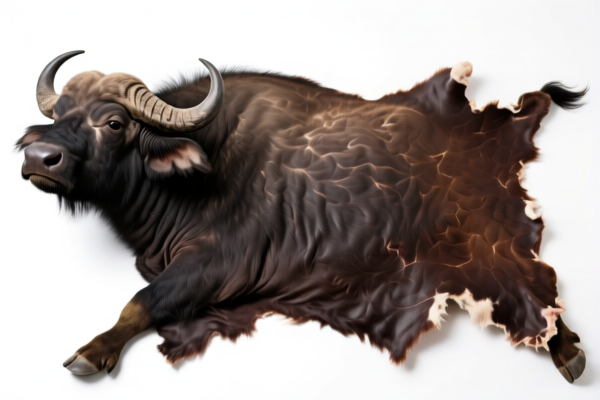
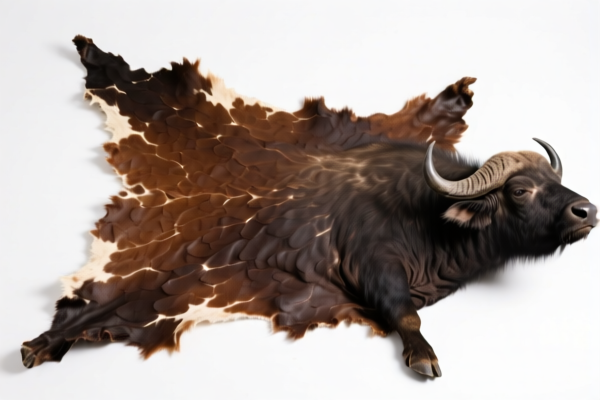
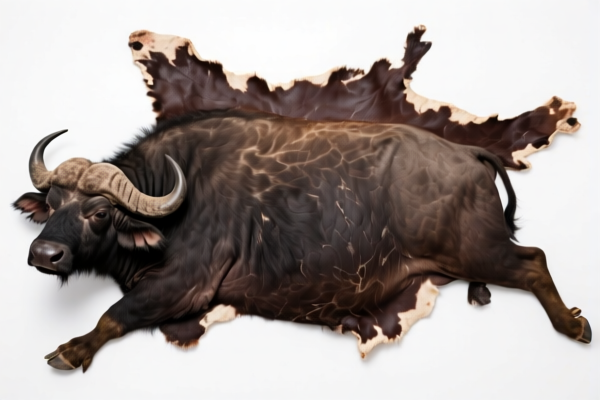
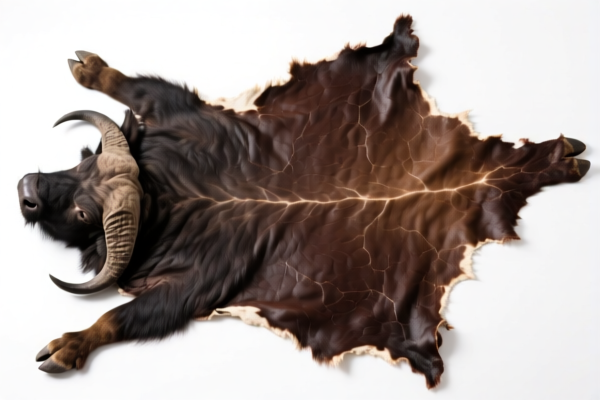
AI分析
🐍🐟 Fresh Skins (For Aquatic Use) – HS Code & Tariff Guide | 2026 Updated Customs Clearance Strategy
🌐 HS Code Reference & Customs Clearance Blueprint | 2026 Latest Tariff Rules | Pro-Level Import Planning
📌 One: Product Definition & Classification – What Exactly Is “Fresh Skin (For Aquatic Use)”?
Fresh skins for aquatic use refer to raw animal hides or skins that are: - Preserved in fresh, salted, or chilled condition (not dried or tanned), - Derived from aquatic animals such as fish or reptiles (e.g., crocodiles, alligators, sturgeons), - Unprocessed and unpre-tanned, meaning they have not undergone any chemical or mechanical treatment to stabilize the collagen structure.
⚠️ Key Classification Criteria: - "Fresh" = Not dried, salted, or chemically treated → must be in natural, biologically intact state. - "For aquatic use" = Indicates origin from fish or reptiles, not terrestrial animals (e.g., cattle, sheep). - "Unpre-tanned" = No preliminary processing (e.g., liming, pickling) → falls under raw hides/skins category.
✅ Critical Insight:
These are not finished leather. They are raw materials destined for further processing (e.g., tanning, manufacturing into leather goods).
❌ Do NOT classify as "leather" or "finished goods" – this leads to severe tariff overpayment and customs penalties.
📦 Two: HS Code Breakdown (2026 Official Tariff Table – U.S. & Global Reference)
| HS Code | Product Description | Applicable Use Case | Tax Status |
|---|---|---|---|
4103.20.10.00 |
Fresh skins (aquatic use), in fresh condition, from reptiles or fish, unpre-tanned, raw hide | Fresh fish skins, crocodile skins (not salted), raw aquatic hides | ✅ 17.5% Total Tax |
4103.20.30.00 |
Fresh skins (aquatic use), preserved by salting or chilling, unpre-tanned, raw hide | Salted fish skins, chilled reptile skins, brined aquatic hides | ✅ 17.5% Total Tax |
4102.10.10.00 |
Fresh skins, in "raw hide" form, fresh state, unpre-tanned | General fresh skins from aquatic species, no processing | ✅ 17.5% Total Tax |
4103.90.11.90 |
Other fresh skins (aquatic), unpre-tanned, not specified, in fresh form | Miscellaneous aquatic skins (e.g., sturgeon, shark), no specific sub-type | ✅ 17.5% Total Tax |
4102.29.10.10 |
Fresh skins, “fresh... raw hide” form, unpre-tanned, aquatic origin | General raw aquatic skins, no further processing | ✅ 17.5% Total Tax |
🔍 Why These Codes?
All five codes fall under Chapter 41 – Skins and Leather, specifically sub-chapter 4102 & 4103: - 4102 = Skins of reptiles (e.g., crocodile, alligator) - 4103 = Skins of fish and other aquatic animals
→ "Fresh" + "unpre-tanned" + "aquatic origin" = Match all five codes.📌 Note:
- No distinction between fish vs. reptile skins in these codes — both are covered under 4103.20 and 4102.10. - No duty exemption applies — all are subject to 17.5% total tariff.
💰 Three: 2026 Tariff Breakdown – Detailed Tax Clause Explanation (U.S. Focus)
✅ Applicable Country: United States (US)
✅ Origin: China (CN), Vietnam (VN), Thailand (TH), etc.
✅ Effective Date: 2025–2026 (ongoing trade policies)
🎯 **1. 4103.20.10.00 – Fresh Skins (Aquatic), Fresh, Unpre-tanned
| Tax Component | Rate | Legal Basis | Notes |
|---|---|---|---|
| Base Duty | 0.0% | U.S. HTSUS §4103.20.10 | Standard tariff rate |
| Additional Duty (Section 301) | +7.5% | USTR Section 301 (China) | Applies to imports from China (CN) |
| Section 122 Tariff | +10.0% | U.S. Trade Act of 1974, Section 122 | Applies to non-market economy (NME) countries (e.g., China, Vietnam) |
| Total Effective Duty | 17.5% | — | No de minimis exemption |
🔍 Legal Pathway:
HTSUS:4103.20.10.00→USTR 301: 7.5%→Section 122: 10%→ Total: 17.5%📌 Explanation: - Section 301 (7.5%): Imposed under U.S. Trade Representative (USTR) authority for unfair trade practices (China). - Section 122 (10%): Applies to non-market economy countries; designed to counter undervalued imports. - Combined = 17.5% — high tariff due to geopolitical trade policy.
🎯 **2. 4103.20.30.00 – Fresh Skins (Aquatic), Salted/Chilled, Unpre-tanned
| Tax Component | Rate | Legal Basis | Notes |
|---|---|---|---|
| Base Duty | 0.0% | HTSUS §4103.20.30 | Standard rate |
| Additional Duty (Section 301) | +7.5% | USTR 301 (China) | Applies to Chinese-origin goods |
| Section 122 Tariff | +10.0% | U.S. Trade Act §122 | Applies to NME countries |
| Total Effective Duty | 17.5% | — | No de minimis |
📌 Key Point:
Even if preserved via salting or chilling, the unpre-tanned status and aquatic origin still trigger the same 17.5% tariff.
🎯 **3. 4102.10.10.00 – Fresh Skins (Reptile Origin), Fresh, Unpre-tanned
| Tax Component | Rate | Legal Basis | Notes |
|---|---|---|---|
| Base Duty | 0.0% | HTSUS §4102.10.10 | Standard |
| Section 301 (China) | +7.5% | USTR 301 | Applies to CN origin |
| Section 122 (NME) | +10.0% | U.S. Trade Act §122 | Applies to China, Vietnam, etc. |
| Total | 17.5% | — | No de minimis |
📌 Note:
Reptile skins (e.g., crocodile, alligator) are not exempt — still subject to 17.5% due to trade policy, not product type.
🎯 **4. 4103.90.11.90 – Other Fresh Skins (Aquatic), Unspecified, Fresh
| Tax Component | Rate | Legal Basis | Notes |
|---|---|---|---|
| Base Duty | 0.0% | HTSUS §4103.90.11.90 | Standard |
| Section 301 (China) | +7.5% | USTR 301 | Applies to CN origin |
| Section 122 (NME) | +10.0% | U.S. Trade Act §122 | Applies to NME countries |
| Total | 17.5% | — | No de minimis |
📌 Use Case:
For unspecified aquatic skins (e.g., shark, ray, catfish) — still 17.5%.
🎯 **5. 4102.29.10.10 – Fresh Skins (Aquatic), "Fresh... Raw Hide", Unpre-tanned
| Tax Component | Rate | Legal Basis | Notes |
|---|---|---|---|
| Base Duty | 0.0% | HTSUS §4102.29.10.10 | Standard |
| Section 301 (China) | +7.5% | USTR 301 | Applies to CN origin |
| Section 122 (NME) | +10.0% | U.S. Trade Act §122 | Applies to NME countries |
| Total | 17.5% | — | No de minimis |
📌 Key:
Even if the description is generic ("fresh... raw hide"), if it's aquatic and unpre-tanned, it still triggers 17.5%.
🛠️ Four: Customs Clearance Best Practices (Pro Tips to Avoid Delays & Penalties)
✅ 1. Required Documentation (Must-Have)
| Document | Required? | Why It Matters |
|---|---|---|
| ✅ Commercial Invoice | ✔️ | Must clearly state: "Fresh Skins, Aquatic Use, Unpre-tanned, [Species]" |
| ✅ Packing List | ✔️ | Include species, weight, quantity, preservation method (fresh/salted) |
| ✅ Certificate of Origin (CO) | ✔️ | Critical for Section 301 & 122 — determines if 7.5% + 10% apply |
| ✅ Product Photos (with labels) | ✔️ | Show fresh state, no tanning, no processing |
| ✅ Material Safety Data Sheet (MSDS) | ✔️ | For reptile skins (biohazard risk) |
| ✅ Pre-shipment Inspection Report (if applicable) | ✔️ | Proves "fresh" and "unpre-tanned" status |
| ✅ HS Code Pre-Ruling (Optional but Recommended) | ✔️ | Avoids post-entry disputes |
✅ 2.申报技巧 (Declaration Tips)
🔥 "Fresh ≠ Tanned, Unpre-tanned = 17.5%, Origin Matters!"
| Scenario | Correct HS Code | Wrong Practice |
|---|---|---|
| Fresh fish skin, no salt, no processing | 4103.20.10.00 |
Misreport as "leather" → 20%+ |
| Salted crocodile skin, raw | 4103.20.30.00 |
Report as "finished leather" → 30%+ |
| Unspecified aquatic skin, fresh | 4103.90.11.90 |
Use generic "skin" → risk of audit |
| Reptile skin, fresh | 4102.10.10.00 |
Use 4103.20.10.00 → incorrect |
| Crocodile skin, salted | 4103.20.30.00 |
Report as "fashion accessory" → penalties |
📌 Pro Tip:
Always include species name in the invoice:
✅ "Fresh Crocodile Skin, Unpre-tanned, Salted, 10 kg, Origin: Vietnam"
✅ 3. Special Cases & Risk Mitigation
| Situation | Solution |
|---|---|
| Skins from Vietnam, Thailand, Cambodia | Still subject to 17.5% due to Section 122 (NME status) |
| Skins from EU or Canada | May qualify for lower or zero tariff — apply for preferential origin |
| Skins used for luxury goods (e.g., handbags) | Must still be declared as raw material — not finished goods |
| Skins with trace tanning | Not eligible for these codes — may be classified as leather → higher tariff |
🌍 Five: Global Customs Comparison (2026 Update)
| Country | Recommended HS Code | Tariff | Certification | Notes |
|---|---|---|---|---|
| 🇺🇸 USA | 4103.20.10.00 etc. |
17.5% | None (but origin proof required) | High risk due to 301 + 122 |
| 🇨🇳 China | 4103.20.10.00 |
5% | CCC | No 301/122 |
| 🇪🇺 EU | 4103.20.10.00 |
0% (if CE) | CE | No 301/122 |
| 🇦🇺 Australia | 4103.20.10.00 |
5% | RCM | No 301/122 |
| 🇯🇵 Japan | 4103.20.10.00 |
0% | PSE | No 301/122 |
📌 Insight:
Only the U.S. imposes 17.5% due to Section 301 + 122.
All other markets are significantly lower — consider shifting supply chain.
📌 Six: Common Mistakes & How to Avoid Them (Real-World Risks)
❌ Mistake 1: Reporting fresh skins as “leather” or “fashion material”
👉 Result: Misclassification → higher tariff, penalties, seizure
❌ Mistake 2: Not disclosing preservation method (fresh vs. salted)
👉 Result: Customs may suspect tanning → reclassification, delay
❌ Mistake 3: Using “skin” without specifying species or origin
👉 Result: Audit risk → additional duties, fines
❌ Mistake 4: Assuming “non-China origin” avoids 17.5%
👉 Result: Vietnam, Thailand, Cambodia still subject to Section 122 → 17.5%
✅ Correct Approach:
"Fresh Fish Skin, Unpre-tanned, Salted, 5 kg, Species: Sturgeon, Origin: Vietnam, HS: 4103.20.30.00, Total Duty: 17.5%"
🎯 Seven: Final Verdict – Smart Strategy for Success
🎯 Remember the Golden Rule:
🔹 "Fresh + Unpre-tanned + Aquatic = 17.5% in the U.S."
🔹 "No de minimis, no exemptions — pay it or restructure."✅ Action Plan: 1. Verify origin (China, Vietnam, Thailand → 17.5%) 2. Use correct HS Code (4103.20.10.00, 4103.20.30.00, etc.) 3. Provide full documentation (invoice, photos, CO) 4. Apply for pre-ruling if volume is high 5. Consider sourcing from EU/Canada/Australia to avoid 17.5%
📣 Immediate Action Required:
📞 Contact a U.S.-licensed customs broker + submit HS Code pre-ruling request
🚀 Avoid delays, penalties, and surprise tariffs — secure your supply chain now!
✨ Professional Customs Starts with Precision
💼 Your next shipment could save thousands — or cost millions — based on one code.
✅ Get it right from Day 1.
用户评价
关于 HS 编码归类
协调制度(HS)是由世界海关组织(WCO)制定的国际贸易商品分类标准。全球 200 多个国家采用 HS 系统作为海关关税、贸易统计和进出口监管的基础。
每个 HS 编码遵循以下层级结构:
- 章(2 位)——商品大类(例如:第 84 章:机器和机械设备)
- 品目(4 位)——章内的更具体分类
- 子目(6 位)——国际通用细分,所有 WCO 成员国统一使用
- 本国细分(8-10 位)——各国自行扩展的细分编码,如美国 HTSUS 10 位编码
正确的 HS 编码归类对于顺利通关、准确缴纳关税和遵守贸易法规至关重要。错误归类可能导致海关延误、多缴关税或罚款。
从CN进口到US时,适用的关税税率可能包括:
- 最惠国(MFN)税率——适用于 WTO 成员国的标准关税税率
- 普通税率——适用于无贸易协定国家
- 贸易救济关税——附加关税,如 301 条款(反倾销)、232 条款(国家安全)或反补贴税
本页内容仅供参考。如需正式归类,请咨询当地海关或持牌报关代理。