

When importing everyday items like cups into the United States, many sellers and supply chain professionals overlook a crucial detail: the correct HS (Harmonized System) code. This code not only determines how customs classifies your product but also directly impacts the import tariffs you’ll pay and how smooth the clearance process will be. (fiowind.com)
In this guide, we’ll break down the most appropriate HS code for cups, how material affects classification, and how to check updated tariff rates using Fiowind’s duty lookup tool.
🧾 What Is an HS Code & Why It Matters
The HS code is a globally standardized system used by customs authorities to classify goods in international trade. Each number corresponds to a specific product category. Using the wrong code can lead to higher duties, customs delays, or penalties when your shipment arrives at U.S. ports. (fiowind.com)
For cups, classification depends largely on the material the cup is made from — whether plastic, glass, or ceramic — because different materials fall under different chapters and tariff rates. (fiowind.com)
📌 Most Suitable HS Code for Many Cups: 3924.10.4000
HS Code: 3924.10.4000
Product Category: Plastic tableware and kitchen utensils
Approx. Total Tariff (2025): 33.4% (includes Section 301 additional duties)
- Base duty: ~3.4%
- Additional Section 301 tariff: ~30% after April 11, 2025
This code applies to many plastic cups, reusable tumblers, and similar tableware. (fiowind.com)
🧩 Other Materials & Their HS Codes
Depending on the material, cups can fall under different HS classifications:
🥛 Plastic Cups (Alternative Subcategory)
- HS 3924.10.2000 – More specific plastic tableware tariff line
- Total Duty: ~44% (higher after additional US tariffs)
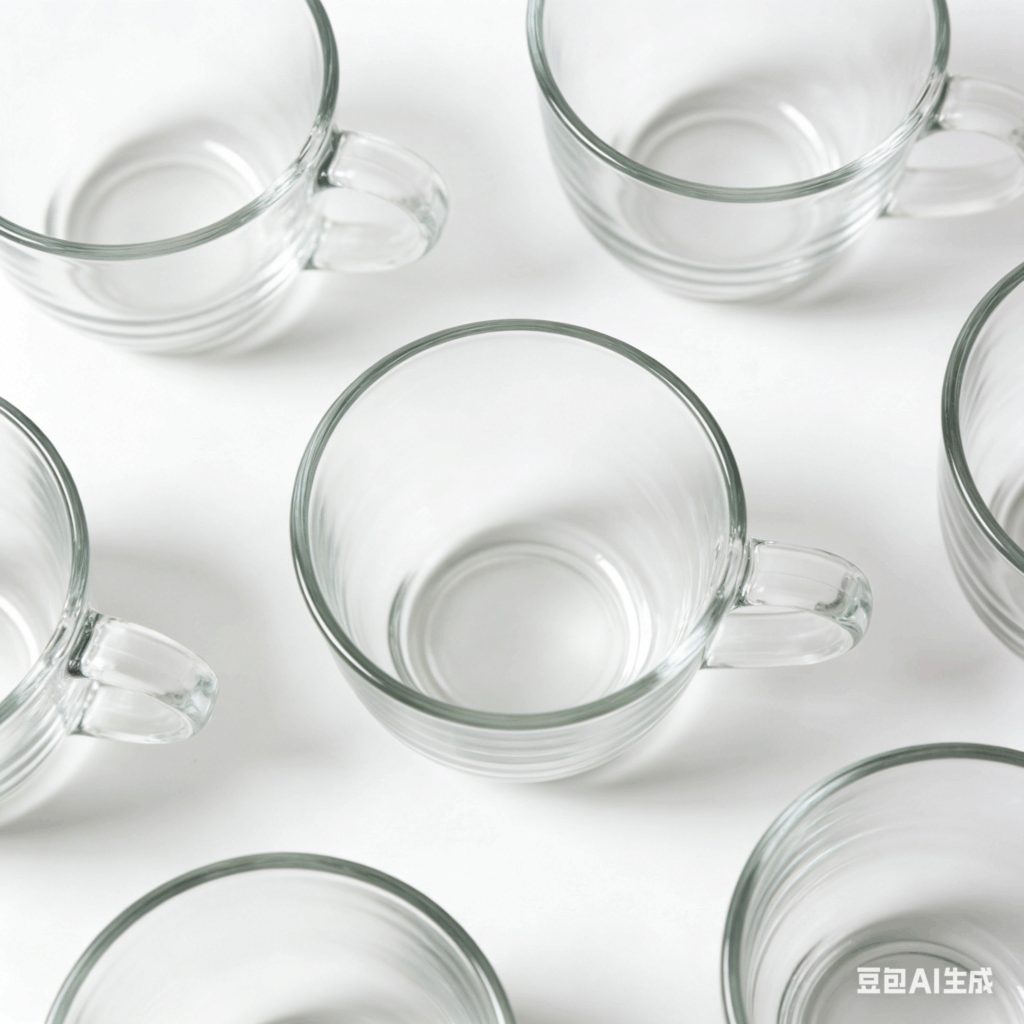
🍷 Glass Cups
- HS 7020.00.6000 – Glassware including cups and drinking glasses
- Total Duty: ~60% — significantly higher due to extra tariff layers
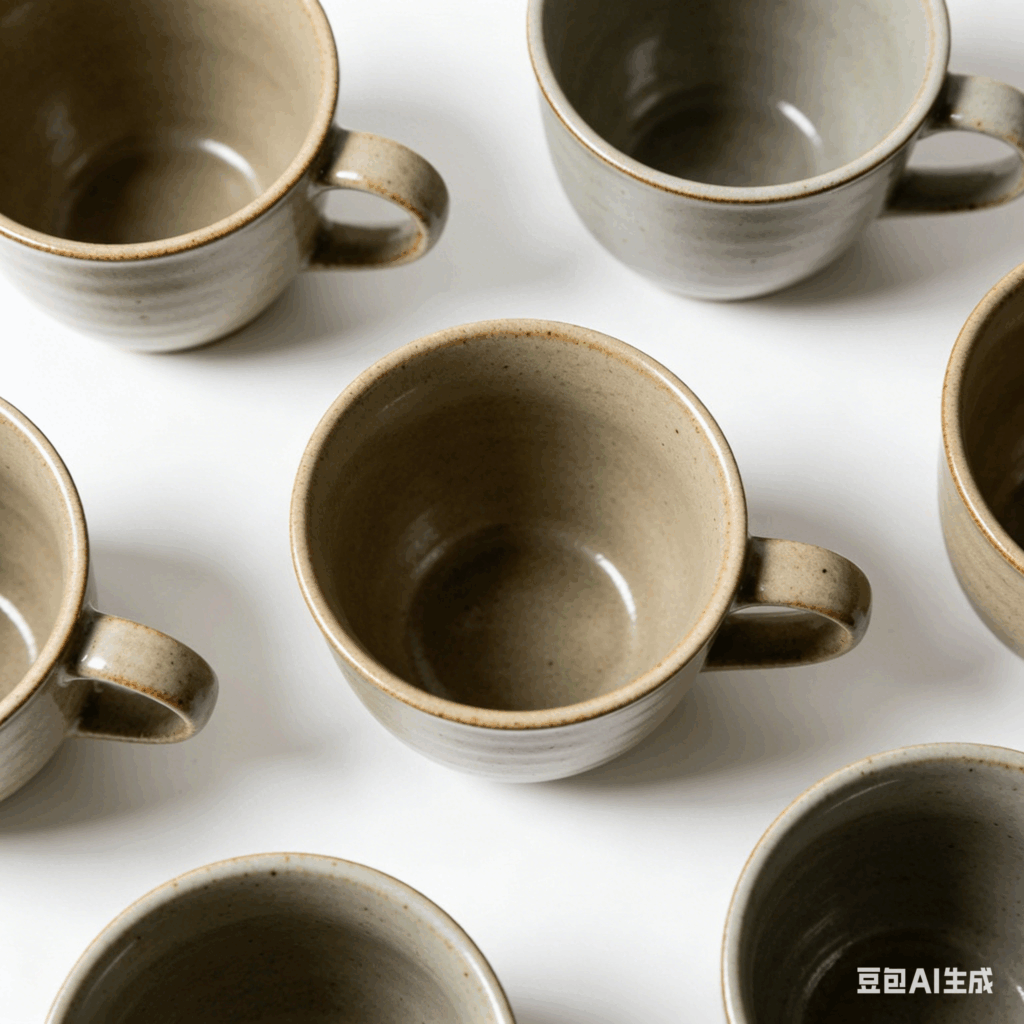
☕ Ceramic Cups
- HS 6912.00.4890 – Ceramic tableware
- Total Duty: ~39.8% after additional duties
These differences highlight how material affects tariff outcomes during entry into the U.S. (fiowind.com)
📊 How to Check Current Duty Rates (Real Time)
To verify updated duty rates, other applicable tariffs, exemptions, and trade remedies, use the Fiowind Customs Duty Rates search tool:
👉 https://www.fiowind.com/customs-duty-rates — Enter your HS code, origin country, and destination country to get precise duty numbers and compliance notes.
This tool centralizes duty information so you can see:
- Base customs duty
- Additional trade tariffs (e.g., Section 301 duties)
- Country-specific exemptions
- Preferential trade agreement impacts
📦 How This Affects Your Import Strategy
🧠 1. Start with Material Classification
Verify the exact material of your cups (plastic, glass, etc.). Even minor composition differences can change the HS classification — and the duty rate you owe. (fiowind.com)
🔍 2. Use Duty Lookup Tools
Always double-check your classification with an HS code search and duty calculator before shipment. This helps avoid costly mistakes at customs. (See the customs duty rates tool above.)
📄 3. Document Accurately
Ensure product invoices, specs, and customs declarations match the HS code you use. Splitting mixed materials into separate lines can reduce errors and overpayment.
📝 Final Thoughts
Even a common product like a cup has multiple possible classifications depending on its material, and each classification leads to different tariff outcomes at U.S. customs. Recognizing the primary HS code 3924.10.4000 for many plastic cups — and verifying duty rates with the Fiowind customs duty rates tool — gives importers confidence in compliance and cost planning.
Whether you’re importing reusable cups for retail or disposable ones for promotional events, knowing your HS code and how to check live duty rates is essential in international trade compliance.