
What Is the HS Code for CUT Tools?

CUT tools do not have a single universal HS code.
Their customs classification depends on material composition, product form, and what is actually being imported—whether it is a finished cutting tool, a processed product, or waste generated by cutting operations.
In U.S. customs practice, CUT-related products may fall under tools, plastic or rubber articles, textiles, metal products, or scrap classifications, each carrying very different duty rates. Choosing the wrong HS code can result in overpaid tariffs, shipment delays, or post-entry penalties, especially with additional duties effective after October 30, 2025.
This guide explains how CUT-related products may be classified under different HS codes, what tariffs apply, and how importers can avoid costly compliance mistakes.
What Is CUT?
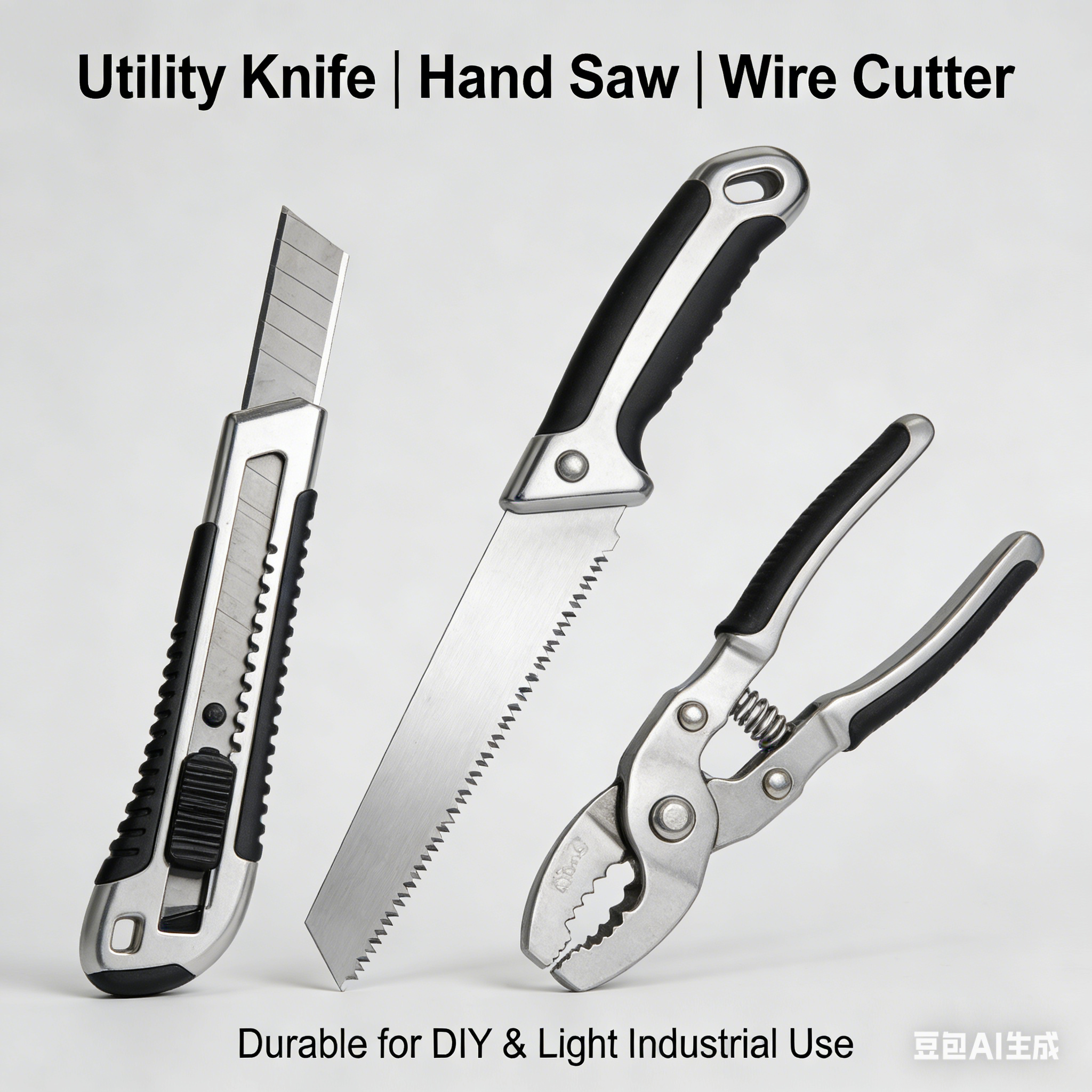
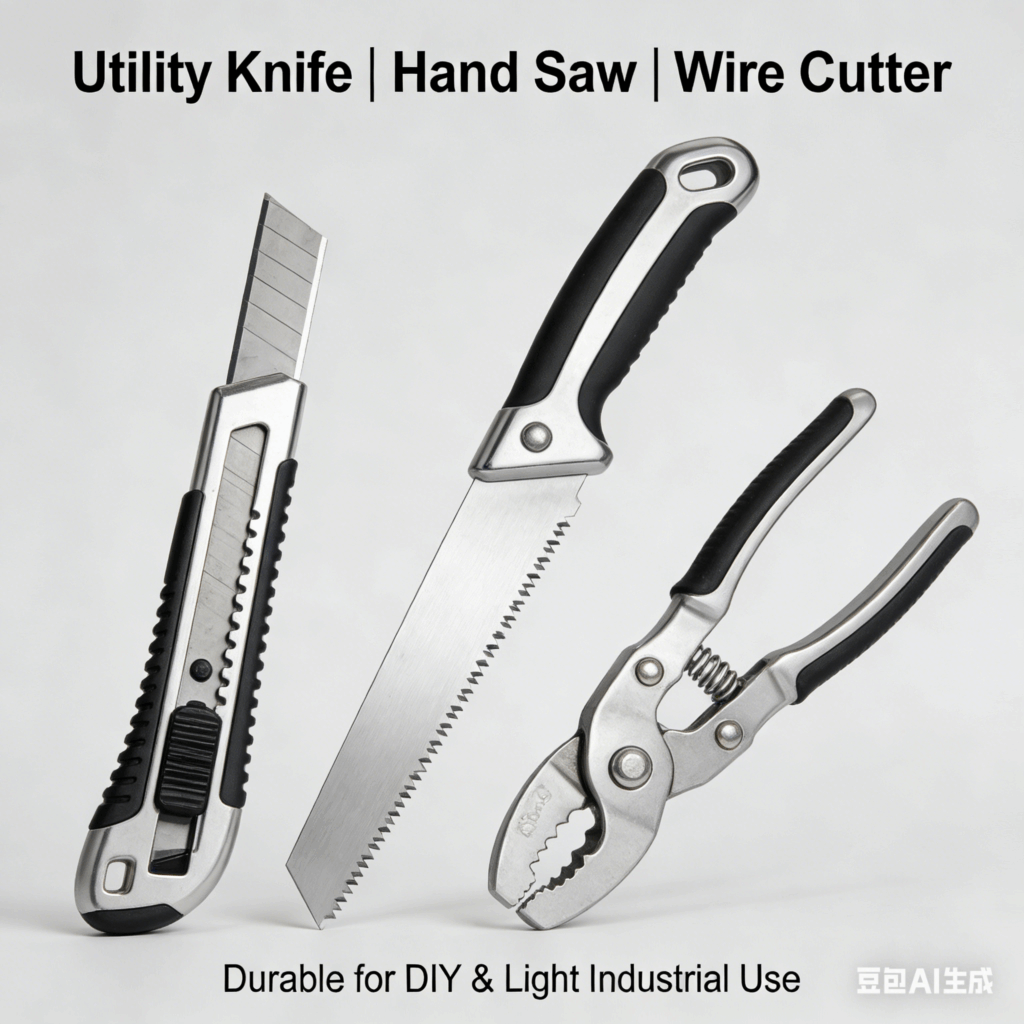
CUT refers to a versatile cutting and trimming tool designed for precision work across multiple materials, including:
- Paper and cardboard
- Fabric and textiles
- Thin plastic sheets
- Light wood materials
Typical features include:
- A sharp, durable blade for clean and accurate cuts
- An ergonomic handle for comfort and control
- Adjustable cutting depth to handle different material thicknesses
CUT tools are widely used by hobbyists, crafters, educators, and professionals in workshops, classrooms, and home DIY projects.
Why HS Code Classification Is Critical for CUT Products
Unlike products with a fixed identity, CUT-related items often create classification ambiguity. Customs authorities do not classify products by marketing name, but by:
- Physical form
- Material composition
- Intended use
- Whether the item is a tool, finished good, or waste/scrap
This makes CUT products especially sensitive to misclassification—often pushing shipments into higher-duty categories by default.
A Real-World Story: When a Simple CUT Tool Became a Costly Lesson
An importer once shipped a batch of handheld CUT tools—plastic handles with replaceable steel blades—described on the invoice simply as:
“CUT – multipurpose cutting tool”
During customs review, authorities questioned whether the shipment should be treated as:
- a cutting tool,
- a plastic article, or
- a material-processing item.
Because the description lacked material and functional detail, the shipment was temporarily classified under a plastic-related HS code, triggering Section 301 duties and additional tariffs. Clearance was delayed for more than two weeks, and the final landed cost increased by over 30%, eliminating the importer’s profit on that order.
Afterward, the importer revised their process:
- clearly separating tools, processed materials, and scrap,
- specifying blade material, handle material, and use case, and
- reviewing multiple HS code options before shipping.
The result was faster clearance, predictable duty costs, and no further disputes.
Common HS Codes Associated With CUT-Related Trade
CUT tools themselves are often part of a broader supply chain. Below are HS codes that frequently appear in CUT-related import scenarios.
Plastic Waste From Cutting Operations
HS Code: 3915.90.0010 / 3915.90.0090
- Base Duty: 0%
- Additional Tariff: 25%
- Special Tariff after 2025.10.30: 20%
- Total Duty: 45%
Rubber Waste or Reclaimed Rubber
HS Code: 4004.00.0000 / 4003.00.0000
- Base Duty: 0%
- Additional Tariff: 25%
- Special Tariff after 2025.10.30: 20%
- Total Duty: 45%
Needlecraft & Craft Kits (Often Used With CUT Tools)
HS Code: 6308.00.0010 / 6308.00.0020
- Base Duty: 11.4%
- Additional Tariff: 7.5%
- Special Tariff after 2025.10.30: 20%
- Total Duty: 38.9%
Textile Products Cut During Manufacturing
Examples:
- Cotton towels – 6307.90.9882
- Furniture movers’ pads – 6307.90.9885
- Base Duty: 7%
- Special Tariff after 2025.10.30: 20%
- Total Duty: 27%
Metal Products Cut to Shape
Examples:
- Barbed wire – 7313.00.0000
- Fencing wire – 7314.49.6000
- Stucco netting – 7314.41.0040
- Base Duty: 0%
- Section 232 / 301 Tariffs: 25%
- Special Tariff after 2025.10.30: 20%
- Anti-dumping duties: up to 50%
- Total Duty: up to 95%
⚠️ Metal products cut to shape are among the highest-risk categories in U.S. customs.
Wrong HS Code vs Correct HS Code: A Cost Comparison
| Item | Wrong Classification | Correct Classification |
|---|---|---|
| Product Description | “CUT – plastic item” | “Handheld cutting tool with steel blade and plastic handle” |
| HS Code Used | Plastic articles / waste HS code | Tool- or product-specific HS code |
| Additional Tariffs | Section 301 + special tariffs | Reduced or avoided |
| Clearance Time | Delayed inspection | Normal |
| Final Landed Cost | 30–45% higher | Predictable & controlled |
Key takeaway:
A vague description can easily push CUT-related products into high-duty categories. Accurate classification protects both compliance and margins.
Key Compliance Tips for Importers
- Always classify what is imported, not how it is marketed
- Clearly state material composition and function
- Separate tools, finished goods, and scrap on documents
- Monitor tariff changes effective after October 30, 2025
- Review multiple possible HS codes before shipping
How Fiowind Helps You Classify CUT Products Correctly
CUT-related products often match multiple HS chapters, making guesswork expensive. Fiowind helps importers:
- Compare all realistic HS code options for a single product
- Identify high-risk codes affected by Section 301, 232, or anti-dumping duties
- Preview future tariff impacts before shipping
- Reduce customs disputes caused by unclear descriptions
Instead of relying on a single guessed HS code, Fiowind gives you clarity, compliance, and cost control—before your shipment reaches customs.
👉 Check your CUT product HS code and duty rates with Fiowind before you ship.