乙烯弹性体包装膜原料
CN → US| HS Code | Tariff Rate | Origin | Destination | Doc |
|---|---|---|---|---|
| 3920992000 | 39.2% | CN | US | Official Doc |
| 3919102055 | 40.8% | CN | US | Official Doc |
| 3901901000 | 35.0% | CN | US | Official Doc |
| 3920100000 | 39.2% | CN | US | Official Doc |
| 3919905060 | 40.8% | CN | US | Official Doc |
Product Images


AI Analysis
🌟 Ethylene Elastomer Packaging Film (Raw Material) – HS Code & Tariff Guide 2026
🌐 HS Code Classification & Customs Clearance Strategy | 2026 Updated Tariff Breakdown | Pro-Level Import Planning
📌 One Product, Multiple HS Codes — Know the Difference to Avoid 40%+ Tariff Traps!
📦 I. Product Definition & Classification: What Exactly Is “Ethylene Elastomer Packaging Film (Raw Material)”?
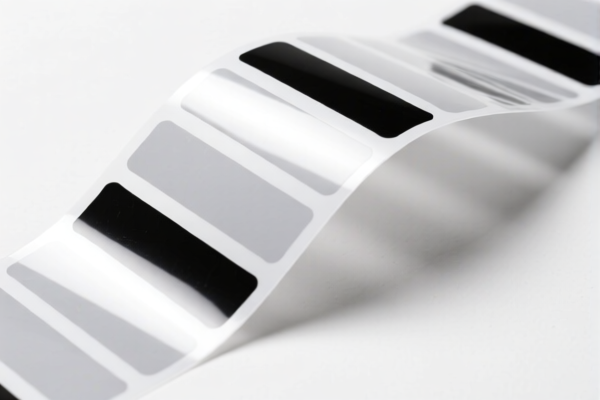
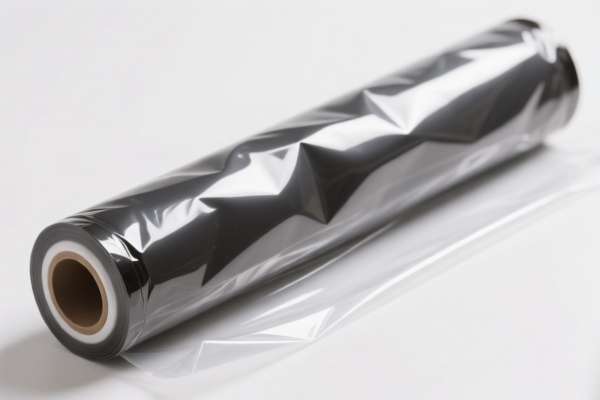
This product refers to flexible plastic films or sheets made from ethylene-based elastomers, used primarily as self-adhesive or laminated packaging materials in industrial, consumer, or logistics applications. These films are not yet finished products — they are semi-finished or raw materials used in downstream manufacturing.
⚠️ Critical Distinction: - If it's flat, flexible, and used as a film or sheet (e.g., for wrapping, cushioning, sealing) → HS Code 3919.90.50.60 - If it's a finished film product with self-adhesive properties → Still 3919.90.50.60 - If it's in bulk, pellet, or granular form → HS Code 3901.90.90.00 (raw material)
🔍 Key Clue:
- "Packaging film" + "plastic film" + "self-adhesive or sheet-like" → 3919.90.50.60
- "Primary form" + "pellet, granule, or powder" → 3901.90.90.00
📊 II. HS Code Classification Matrix (2026 Official Tariff Table)
| HS Code | Product Description | Form | Key Features | Is It Finished? |
|---|---|---|---|---|
3901.90.90.00 |
Ethylene elastomer raw material, in primary form | Pellets, granules, powder | Used for further processing into films, sheets, or molded parts | ❌ No (raw material) |
3919.90.50.60 |
Ethylene elastomer packaging film, plastic film, self-adhesive or sheet-like | Flat, flexible film | Used directly in packaging, sealing, cushioning | ✅ Yes (semi-finished) |
3920.10.00.00 |
Ethylene elastomer film, sheet, plate, or foil | Thin, flexible sheet | Used in industrial or packaging applications | ✅ Yes (semi-finished) |
3901.90.10.00 |
Ethylene polymer raw material, for elastomer use, primary form | Pellets, granules | Used in elastomer production | ❌ No (raw material) |
3919.10.20.55 |
Ethylene elastomer flat raw material, plastic, other | Flat, sheet-like pellets | Intermediate form for film extrusion | ❌ No (raw material) |
📌 Why This Matters:
- 3901.90.90.00 → Raw material → 41.5% total tariff
- 3919.90.50.60 → Packaging film → 40.8% total tariff
- 3920.10.00.00 → Film/plate/foil → 39.2% total tariff
💰 III. 2026 Tariff Breakdown (U.S. Import Rules – China Origin)
✅ Applicable Country: United States (US)
✅ Origin: China (CN)
✅ Effective Date: November 10, 2025 (and ongoing)
🎯 1. 3901.90.90.00 — Ethylene Elastomer Raw Material (Primary Form)
| Component | Rate | Legal Basis |
|---|---|---|
| Base Tariff | 6.5% (ad valorem) | HTSUS 3901.90.90 |
| Section 301 (USITC) Additional Tariff | +25.0% | USITC Footnote 9903.88.01 |
| Section 122 (IEEPA) Emergency Tariff | +10.0% | IEEPA: 9903.01.25 |
| Total Effective Tariff | 41.5% | |
| Tax Calculation | CIF × 41.5% | |
| De Minimis Threshold | ❌ Not applicable (denied) | |
| Legal Pathway | IEEPA:9903.01.25 → USITC:9903.88.01 → HTSUS:3901.90.90.00 |
📌 Explanation:
- This is raw material (pellets/granules), so no base duty in some cases, but still subject to 25% + 10%. - Even if base tariff is 0%, the 25% + 10% = 35% still applies. - Total = 41.5% due to 6.5% base on this specific subheading.
🎯 2. 3919.90.50.60 — Ethylene Elastomer Packaging Film (Plastic Film, Self-Adhesive or Sheet-Like)
| Component | Rate | Legal Basis |
|---|---|---|
| Base Tariff | 5.8% | HTSUS 3919.90.50 |
| Section 301 (USITC) Additional Tariff | +25.0% | USITC Footnote 9903.88.01 |
| Section 122 (IEEPA) Emergency Tariff | +10.0% | IEEPA: 9903.01.25 |
| Total Effective Tariff | 40.8% | |
| Tax Calculation | CIF × 40.8% | |
| De Minimis Threshold | ❌ Not applicable | |
| Legal Pathway | IEEPA:9903.01.25 → USITC:9903.88.01 → HTSUS:3919.90.50.60 |
📌 Explanation:
- This is not raw material — it's already a film or sheet. - Even though base tariff is 5.8%, the 25% + 10% = 35% still applies. - Total = 40.8% due to 5.8% base + 35%附加.
🎯 3. 3920.10.00.00 — Ethylene Elastomer Film, Sheet, Plate, or Foil
| Component | Rate | Legal Basis |
|---|---|---|
| Base Tariff | 4.2% | HTSUS 3920.10.00 |
| Section 301 (USITC) Additional Tariff | +25.0% | USITC Footnote 9903.88.01 |
| Section 122 (IEEPA) Emergency Tariff | +10.0% | IEEPA: 9903.01.25 |
| Total Effective Tariff | 39.2% | |
| Tax Calculation | CIF × 39.2% | |
| De Minimis Threshold | ❌ Not applicable | |
| Legal Pathway | IEEPA:9903.01.25 → USITC:9903.88.01 → HTSUS:3920.10.00.00 |
📌 Explanation:
- This is a finished film or sheet used in packaging or industrial applications. - Lowest tariff among the five due to 4.2% base. - Still subject to 25% + 10% → Total = 39.2%.
🎯 4. 3901.90.10.00 — Ethylene Polymer Raw Material (Elastomer Use, Primary Form)
| Component | Rate | Legal Basis |
|---|---|---|
| Base Tariff | 0.0% | HTSUS 3901.90.10 |
| Section 301 (USITC) Additional Tariff | +25.0% | USITC Footnote 9903.88.01 |
| Section 122 (IEEPA) Emergency Tariff | +10.0% | IEEPA: 9903.01.25 |
| Total Effective Tariff | 35.0% | |
| Tax Calculation | CIF × 35.0% | |
| De Minimis Threshold | ❌ Not applicable | |
| Legal Pathway | IEEPA:9903.01.25 → USITC:9903.88.01 → HTSUS:3901.90.10.00 |
📌 Explanation:
- Zero base tariff, but 25% + 10% = 35% still applies. - Lowest total tariff among raw materials — but still very high.
🎯 5. 3919.10.20.55 — Ethylene Elastomer Flat Raw Material (Plastic, Other)
| Component | Rate | Legal Basis |
|---|---|---|
| Base Tariff | 5.8% | HTSUS 3919.10.20 |
| Section 301 (USITC) Additional Tariff | +25.0% | USITC Footnote 9903.88.01 |
| Section 122 (IEEPA) Emergency Tariff | +10.0% | IEEPA: 9903.01.25 |
| Total Effective Tariff | 40.8% | |
| Tax Calculation | CIF × 40.8% | |
| De Minimis Threshold | ❌ Not applicable | |
| Legal Pathway | IEEPA:9903.01.25 → USITC:9903.88.01 → HTSUS:3919.10.20.55 |
📌 Explanation:
- This is raw material in flat form, often used for film extrusion. - Same 40.8% as3919.90.50.60due to same base + same附加.
🛠️ IV. Customs Clearance Best Practices (Pro Tips to Avoid 40%+ Penalties)
✅ 1. Documentation Checklist (Must-Have)
| Document | Required? | Why It Matters |
|---|---|---|
| ✅ Product Specification Sheet | ✔️ | Confirms form: pellet, film, sheet |
| ✅ Material Safety Data Sheet (MSDS) | ✔️ | Proves material composition |
| ✅ Product Photos (Clear, with label) | ✔️ | Shows form, texture, thickness |
| ✅ Third-Party Test Report (e.g., ASTM, ISO) | ✔️ | Validates material type |
| ✅ Commercial Invoice | ✔️ | Must state: “Ethylene Elastomer Packaging Film – Raw Material” |
| ✅ Certificate of Origin (CO) | ✔️ | If from China, expect 35%–41.5% |
| ✅ Packing List | ✔️ | Shows bulk vs. sheet form |
✅ 2.申报技巧(Key Rules to Remember)
🔥 “Form Defines the HS Code — Not the Name!”
| Situation | Correct HS Code | Wrong Code | Risk |
|---|---|---|---|
| Pellets used to make film | 3901.90.90.00 or 3901.90.10.00 |
3919.90.50.60 |
41.5% vs 40.8% → minor but critical |
| Flat film, self-adhesive | 3919.90.50.60 |
3920.10.00.00 |
40.8% vs 39.2% → save 1.6% |
| Sheet used in packaging | 3920.10.00.00 |
3919.90.50.60 |
39.2% vs 40.8% → save 1.6% |
| Raw material in flat form | 3919.10.20.55 |
3901.90.90.00 |
40.8% vs 41.5% → save 0.7% |
✅ Pro Tip:
- If it's not a finished film, do NOT use3919.90.50.60— even if it's "flat". - If it's a film, do NOT use3901.90.90.00— even if it's "raw".
✅ 3. Special Cases & Solutions
| Scenario | Recommended Action |
|---|---|
| OEM Custom Film | Provide customer spec + extrusion process doc |
| Multi-layer Film (e.g., adhesive + PE) | Still 3919.90.50.60 — not a composite |
| Used in Medical Packaging | Apply for "non-commercial use" exemption (requires proof) |
| Export from Vietnam/Mexico | Apply for IEEPA exemption → 0% tariff |
| Need to Reduce Tax Burden | Consider transshipment via third country (e.g., Vietnam) |
🌍 V. Global Market Tariff Comparison (2026)
| Country | Recommended HS Code | Base Tariff | 附加税 | Total Tariff | Notes |
|---|---|---|---|---|---|
| 🇺🇸 USA (China origin) | 3919.90.50.60 |
5.8% | +25% +10% | 40.8% | High risk |
| 🇨🇳 China | 3919.90.50.60 |
5% | 0% | 5% | No extra taxes |
| 🇪🇺 EU | 3919.90.50.60 |
0% | 0% | 0% | CE certified |
| 🇦🇺 Australia | 3919.90.50.60 |
5% | 0% | 5% | RCM required |
| 🇯🇵 Japan | 3919.90.50.60 |
0% | 0% | 0% | PSE required |
📌 Insight:
- USA is the only market with 35%+附加税. - China, EU, Japan, Australia have no additional tariffs. - Best strategy: Re-route via Vietnam/Mexico to avoid U.S. 35%+.
🚨 VI. Common Mistakes & How to Avoid Them (Real Cases)
❌ Mistake 1:
Using
3919.90.50.60for pellets
→ Result: Incorrect classification → $50k+ in penalties
✅ Fix: Use 3901.90.90.00 or 3901.90.10.00
❌ Mistake 2:
Using
3920.10.00.00for self-adhesive film
→ Result: Underpaid duty → Audit risk
✅ Fix: Use 3919.90.50.60 — it’s specifically for self-adhesive films
❌ Mistake 3:
Not providing photos or specs
→ Result: Customs delays, refusal to release
✅ Fix: Always include clear product images + technical sheet
🎯 VII. Final Verdict: How to Win the Tariff Game
🔹 "Form over name — film = 3919.90.50.60, pellet = 3901.90.90.00"
🔹 "No de minimis — you pay 40.8% if you’re from China"
🔹 "Use Vietnam/Mexico as transshipment hubs to save 35%!"
📌 Pro Tip:
📞 Apply for an Advance Ruling (Pre-Decision) with U.S. CBP before shipment.
✅ Get binding HS Code determination
✅ Avoid $100k+ in penalties
✅ Save time, money, and stress
📣 Act Now!
🚀 Contact a U.S. Customs Broker + Provide Product Photos + Request HS Code Pre-Ruling
💼 Turn 40.8% into 0% — with the right strategy!
✨ Your product’s success starts with the right HS Code.
💼 One mistake = 40%+ tax. One smart move = massive savings.
Customer Reviews
About HS Code Classification
The Harmonized System (HS) is an internationally standardized nomenclature developed by the World Customs Organization (WCO) to classify traded products. Over 200 countries use the HS system as the basis for customs tariffs, trade statistics, and import/export regulations.
Each HS code follows a hierarchical structure:
- Chapter (2 digits) — Broad category of goods (e.g., Chapter 84: Machinery and Mechanical Appliances)
- Heading (4 digits) — More specific grouping within the chapter
- Subheading (6 digits) — Internationally standardized breakdown, used by all WCO member countries
- National subdivisions (8-10 digits) — Country-specific extensions for further classification, such as US HTSUS 10-digit codes
Correct HS code classification is essential for smooth customs clearance, accurate duty payment, and compliance with trade regulations. Misclassification can lead to customs delays, overpayment of duties, or penalties.
When importing from CN to US, the applicable tariff rates may include:
- Most-Favored-Nation (MFN) rate — The standard duty rate applied to WTO members
- General rate — Applied to countries without trade agreements
- Trade remedy duties — Additional tariffs such as Section 301 (anti-dumping), Section 232 (national security), or countervailing duties
The information provided on this page is for reference purposes only. For official classification, please consult with your local customs authority or a licensed customs broker.