吸水涂布纸张
CN → US| HS Code | Tariff Rate | Origin | Destination | Doc |
|---|---|---|---|---|
| 4823907000 | 35.0% | CN | US | Official Doc |
| 4818900080 | 17.5% | CN | US | Official Doc |
| 4818100000 | 35.0% | CN | US | Official Doc |
| 4823901000 | 35.0% | CN | US | Official Doc |
| 4823907000 | 35.0% | CN | US | Official Doc |
Product Images
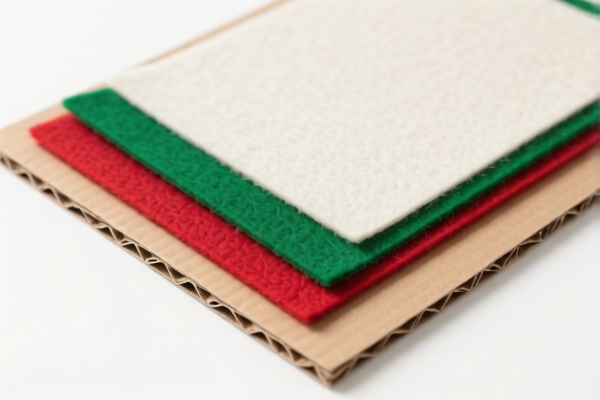
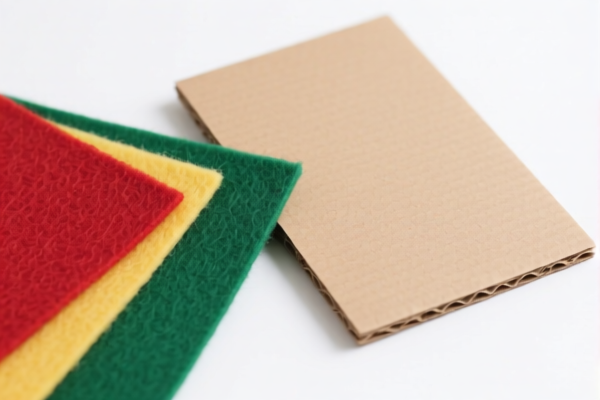
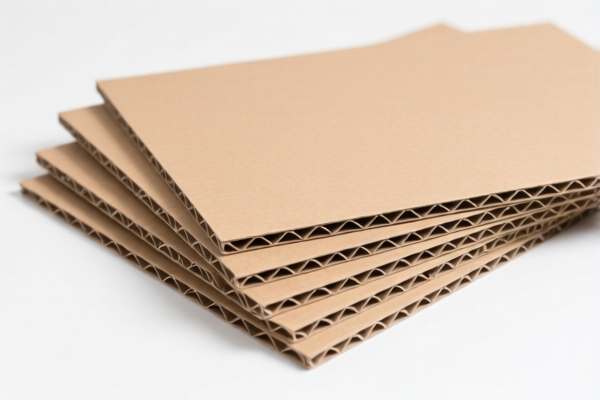
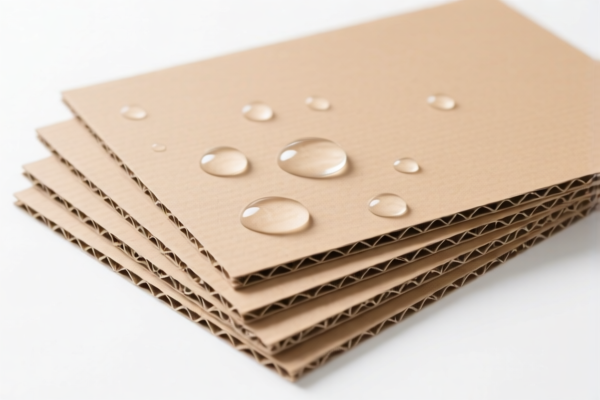
AI Analysis
🧼 Absorbent Coated Paper Pads
🌐 HS Code Reference & Customs Clearance Guide | 2026 Updated Tariff Breakdown | Professional Import Strategy
📌 One, Product Definition & Classification: What Exactly Is "Absorbent Coated Paper"?
Absorbent coated paper pads are paper-based materials engineered for liquid absorption, commonly used in hygiene, cleaning, industrial, and household applications. These are not plain paper — they are treated or coated to enhance their ability to soak up water, oils, or other liquids.
⚠️ Key Distinction:
- If the product is a paper pad with an absorbent coating (e.g., for cleaning spills, personal hygiene, or industrial wiping) → HS Code 4818.90.00.80
- If the product is a paper pad used for hygiene, household, or similar purposes → HS Code 4818.10.00.00
- If the product is made from pulp and shaped into a pad, regardless of coating → HS Code 4823.90.70.00 or 4823.90.10.00📌 Note:
- “Coated” does not mean it’s automatically classified under a higher tariff — function and use are the deciding factors. - The form (pad, sheet, cut shape) and material origin (paper vs. pulp) are critical.
📦 Two, HS Code Classification Details (2026 Official Tariff Table)
| HS Code | Product Description | Use Case | Material Type | Shape/Format |
|---|---|---|---|---|
4818.90.00.80 |
Absorbent paper pad, made of paper, for hygiene or cleaning purposes | Bathroom wipes, kitchen towels, industrial cleaning pads | Paper | Pad form |
4818.10.00.00 |
Absorbent paper pad, made of paper, for hygiene, household, or similar uses | Toilet paper pads, baby wipes, household cleaning pads | Paper | Pad form |
4823.90.70.00 |
Absorbent paper pad or pulp absorbent pad, made of paper or pulp, in pad form | Industrial absorbents, spill kits, packaging padding | Paper or Pulp | Pad form |
4823.90.10.00 |
Absorbent paper pad or pulp absorbent pad, made of pulp, cut into size/shape | Pre-cut absorbent pads, medical or lab use | Pulp | Cut/Pre-shaped |
4823.90.70.00 |
Pulp absorbent pad, made of pulp, as an extension of pulp products | Industrial, packaging, or hygiene applications | Pulp | Pad form |
🔍 Critical Insight:
- 4818.10.00.00 and 4818.90.00.80 are both for paper-based pads, but 4818.10 is broader (includes household use), while 4818.90.80 is more specific (hygiene/cleaning). - 4823.90.70.00 and 4823.90.10.00 are for pulp-based pads — even if they look like paper, if the primary material is pulp, they fall under 4823. - Cutting or shaping the material (e.g., pre-cut into squares) triggers 4823.90.10.00.
💰 Three, 2026 Updated Tariff Breakdown (With附加 Taxes & Legal Basis)
✅ Applicable Country: United States (US)
✅ Origin: China (CN)
✅ Effective Date: November 10, 2025 (and onward)
🎯 1. 4818.90.00.80 — Absorbent Paper Pad (Hygiene/Cleaning Use)
| Item | Detail |
|---|---|
| Base Duty | 0% (ad valorem) |
| Section 301 (USITC) Additional Duty | +7.5% |
| Section 122 (IEEPA) Additional Duty | +10% |
| Total Effective Duty | 17.5% |
| Tax Calculation | CIF Value × 17.5% |
| De Minimis Exemption? | ❌ No (denied) |
| Legal Basis Path | IEEPA:9903.01.25 → IEEPA:9903.01.24 → USITC:4818.90.00.80 → FOOTNOTE:9903.88.01 |
📌 Explanation:
- This code applies to paper pads used in cleaning or hygiene, but not for personal hygiene like toilet paper. - The 7.5% USITC duty is from the Section 301 trade action against China. - The 10% IEEPA duty is from the International Emergency Economic Powers Act, targeting Chinese-origin goods. - Total: 17.5% — relatively low compared to others, but still significant.
🎯 2. 4818.10.00.00 — Absorbent Paper Pad (Hygiene/Household Use)
| Item | Detail |
|---|---|
| Base Duty | 0% |
| Section 301 (USITC) Additional Duty | +25.0% |
| Section 122 (IEEPA) Additional Duty | +10% |
| Total Effective Duty | 35.0% |
| Tax Calculation | CIF × 35% |
| De Minimis Exemption? | ❌ No |
| Legal Basis Path | IEEPA:9901.25 → IEEPA:9903.01.24 → USITC:4818.10.00.00 → FOOTNOTE:9903.88.01 |
📌 Explanation:
- This code covers paper pads used in hygiene or household applications, such as baby wipes, toilet pads, or cleaning pads for home use. - The 25% USITC duty is the highest among all listed codes — reflects U.S. policy to restrict imports of consumer hygiene products from China. - The 10% IEEPA duty applies universally to Chinese-origin goods under emergency powers. - Total: 35% — extremely high. This is the most punitive tariff in the list.
🎯 3. 4823.90.70.00 — Absorbent Pad Made of Paper or Pulp (Pad Form)
| Item | Detail |
|---|---|
| Base Duty | 0% |
| Section 301 (USITC) Additional Duty | +25.0% |
| Section 122 (IEEPA) Additional Duty | +10% |
| Total Effective Duty | 35.0% |
| Tax Calculation | CIF × 35% |
| De Minimis Exemption? | ❌ No |
| Legal Basis Path | IEEPA:9901.25 → IEEPA:9903.01.24 → USITC:4823.90.70.00 → FOOTNOTE:9903.88.01 |
📌 Explanation:
- Applies to pulp or paper-based absorbent pads, regardless of whether they are coated or not. - Even if the pad is not used for hygiene, but for industrial absorption (e.g., oil spill pads), it still falls under this code. - 25% USITC + 10% IEEPA = 35% — same as 4818.10.00.00. - Key factor: The material is pulp or paper, and the form is a pad.
🎯 4. 4823.90.10.00 — Pulp-Based Absorbent Pad, Cut into Size/Shape
| Item | Detail |
|---|---|
| Base Duty | 0% |
| Section 301 (USITC) Additional Duty | +25.0% |
| Section 122 (IEEPA) Additional Duty | +10% |
| Total Effective Duty | 35.0% |
| Tax Calculation | CIF × 35% |
| De Minimis Exemption? | ❌ No |
| Legal Basis Path | IEEPA:9901.25 → IEEPA:9903.01.24 → USITC:4823.90.10.00 → FOOTNOTE:9903.88.01 |
📌 Explanation:
- This code applies only if the pad is cut into a specific size or shape (e.g., square, rectangle, circular). - Even if the material is 100% pulp, if it’s pre-cut, this code applies. - No distinction between hygiene or industrial use — function is secondary to form. - 35% total duty — same as above.
🛠️ Four, Customs Clearance Best Practices (Real-World Tips)
✅ 1. Required Documentation (Must-Have)
| Document | Required? | Notes |
|---|---|---|
| ✅ Product Specifications | ✔️ | Include material (paper/pulp), thickness, absorbency rate, dimensions |
| ✅ Cut/Shape Diagram | ✔️ | If pre-cut, show layout and dimensions |
| ✅ Material Certificate | ✔️ | Prove if it's paper or pulp |
| ✅ Commercial Invoice | ✔️ | Clearly state: “Absorbent Pulp Pad, Cut to Size, for Industrial Use” |
| ✅ Packing List | ✔️ | Show number of pads per box, total weight |
| ✅ Origin Certificate (CO) | ✔️ | If from non-China origin, may qualify for lower duty |
| ✅ Test Report (Optional) | ✔️ | Absorbency test, flammability, biodegradability |
✅ 2.申报技巧 (申报口诀)
🔥 “Material First, Form Second, Use Last — 35% is the Killer!”
| Scenario | Correct HS Code | Wrong Code | Risk |
|---|---|---|---|
| Paper pad, used for cleaning, not cut | 4818.90.00.80 |
4818.10.00.00 |
17.5% vs 35% → $17.5k loss per $100k shipment |
| Pulp pad, pre-cut into squares | 4823.90.10.00 |
4818.10.00.00 |
35% vs 35% → same, but wrong classification = audit risk |
| Pulp pad, not cut, bulk | 4823.90.70.00 |
4823.90.10.00 |
35% vs 35% → same, but form matters |
| Paper pad, used for baby wipes | 4818.10.00.00 |
4818.90.00.80 |
35% vs 17.5% → double the tax! |
✅ 3. Special Cases & Solutions
| Situation | Recommendation |
|---|---|
| Pulp pad made in Vietnam | Apply for IEEPA exemption → 0% duty |
| Pre-cut pads with branding | Declare as “Custom Cut Pulp Absorbent Pads” → avoid “hygiene” label |
| Mixed paper & pulp pads | Split shipment by material → apply correct HS code per batch |
| Re-exporting to Canada | Use USMCA rules → 0% duty if origin meets criteria |
🌍 Five, Global Market Comparison (2026)
| Country | Recommended HS Code | Duty | Certification | Notes |
|---|---|---|---|---|
| 🇺🇸 USA | 4818.10.00.00 or 4823.90.10.00 |
35% (China) | None (but documentation required) | High risk, high cost |
| 🇨🇳 China | 4818.10.00.00 |
5% | CCC, RoHS | No additional duties |
| 🇪🇺 EU | 4823.90.70.00 |
0% (if CE) | CE, REACH | No IEEPA/301 |
| 🇦🇺 Australia | 4823.90.70.00 |
5% | RCM | No extra taxes |
| 🇯🇵 Japan | 4823.90.70.00 |
0% | PSE | No additional duties |
📌 Conclusion:
- The U.S. is the only market with 35% tariffs on pulp/paper absorbent pads from China. - Vietnam/Mexico/Thailand production can avoid 35% via IEEPA exemption.
📌 Six, Common Mistakes & How to Avoid Them
❌ Mistake 1: Calling a pulp pad “paper” to avoid 4823 code
👉 Result: Misclassification → penalties, seizure, delays
❌ Mistake 2: Using “baby wipes” as a description → triggers 4818.10.00.00 → 35%
👉 Fix: Use “industrial absorbent pad” or “spill control pad” → avoid hygiene label
❌ Mistake 3: Not proving material (paper vs pulp)
👉 Fix: Provide lab report or material data sheet (MDS)
❌ Mistake 4: Not disclosing pre-cut shape
👉 Fix: Include cut diagram in invoice
✅ Correct Description Example:
“Pulp Absorbent Pad, Cut into 10x10 cm Squares, for Industrial Spill Control, Not for Hygiene Use, 100% Recycled Pulp, No Coating”
🎯 Seven, Final Verdict: Precision Pays Off
🎯 Remember the Golden Rule:
🔹 “Material → Form → Use → Duty” — Always follow the hierarchy!
🔹 35% is not a typo — it’s a trap.
🔹 One wrong code = $10k+ in extra taxes.
📌 Pro Tip:
📞 Apply for an Advance Ruling (Pre-Clearance) from U.S. Customs before shipment.
🚀 Get a binding HS Code determination — avoid surprises.
📣 Act Now:
📞 Contact a licensed customs broker + submit product photos + request HS Code pre-ruling
🚀 Save 35% on your next shipment — and sleep soundly at night!
✨ Smart Importing Starts with Smart Classification!
💼 Your profit margin depends on one line: the HS Code.
Customer Reviews
About HS Code Classification
The Harmonized System (HS) is an internationally standardized nomenclature developed by the World Customs Organization (WCO) to classify traded products. Over 200 countries use the HS system as the basis for customs tariffs, trade statistics, and import/export regulations.
Each HS code follows a hierarchical structure:
- Chapter (2 digits) — Broad category of goods (e.g., Chapter 84: Machinery and Mechanical Appliances)
- Heading (4 digits) — More specific grouping within the chapter
- Subheading (6 digits) — Internationally standardized breakdown, used by all WCO member countries
- National subdivisions (8-10 digits) — Country-specific extensions for further classification, such as US HTSUS 10-digit codes
Correct HS code classification is essential for smooth customs clearance, accurate duty payment, and compliance with trade regulations. Misclassification can lead to customs delays, overpayment of duties, or penalties.
When importing from CN to US, the applicable tariff rates may include:
- Most-Favored-Nation (MFN) rate — The standard duty rate applied to WTO members
- General rate — Applied to countries without trade agreements
- Trade remedy duties — Additional tariffs such as Section 301 (anti-dumping), Section 232 (national security), or countervailing duties
The information provided on this page is for reference purposes only. For official classification, please consult with your local customs authority or a licensed customs broker.