围嘴
CN → US| HS Code | Tariff Rate | Origin | Destination | Doc |
|---|---|---|---|---|
| 9619001530 | 17.5% | CN | US | Official Doc |
| 4823908680 | 35.0% | CN | US | Official Doc |
| 4823901000 | 35.0% | CN | US | Official Doc |
| 4818500020 | 35.0% | CN | US | Official Doc |
| 4818500080 | 35.0% | CN | US | Official Doc |
| 9619001560 | 17.5% | CN | US | Official Doc |
Product Images
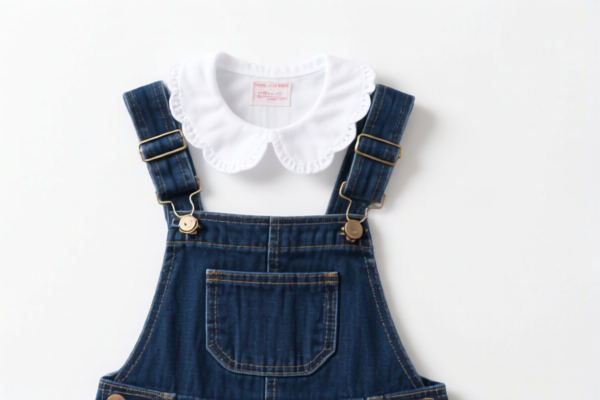
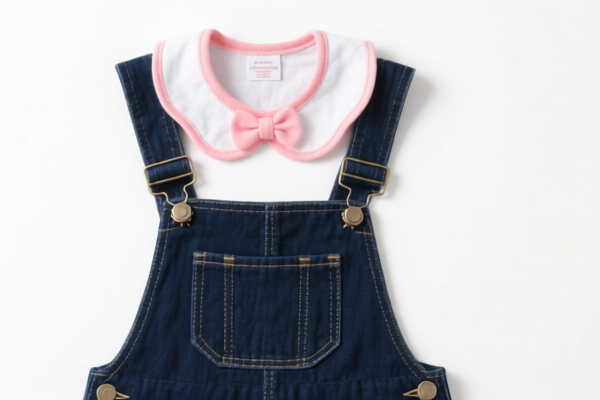
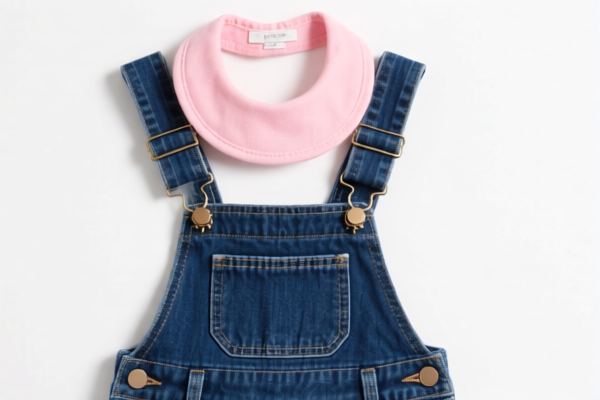
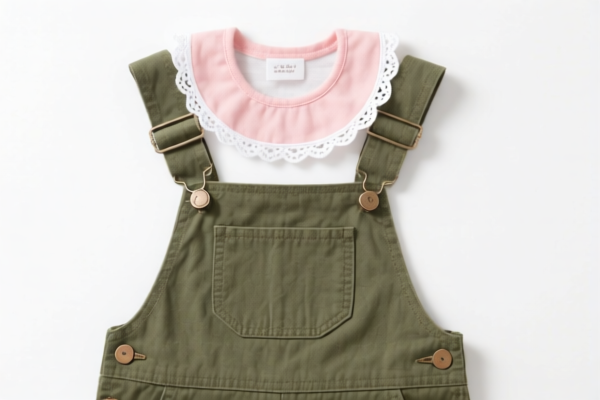
AI Analysis
👶 Baby Bibs (Papierne Windeln / Papiertücher)
🌐 HS Code Reference & Customs Clearance Guide | 2026 Latest Tariff Analysis | Strategic Clearance Strategy
📌 I. Product Definition & Classification: Do You Really Understand "Paper Bibs"?
Paper Bibs are single-use, hygienic accessories primarily designed for infants or elderly care, typically made from paper, paper pulp, or non-woven materials. In international trade, their classification depends heavily on material composition and specific usage, leading to significant differences in tariff rates.
The key distinction lies in whether they are classified as general paper products (higher tariffs) or sanitary/care products (lower tariffs).
⚠️ Critical Distinction:
- If considered Sanitary/Care Articles: Classified under 9619.00.15.xx → Total Tax: 17.5%
- If considered General Paper Products: Classified under 4823.xx or 4818.xx → Total Tax: 35.0%
📦 II. HS Code Classification Details (2026 Latest Official Tariff Match)
Based on your specific data, here is the breakdown of how "Paper Bibs" are classified and taxed:
| HS Code | Product Description | Tariff Breakdown | Total Tax | Category Type |
|---|---|---|---|---|
9619.00.15.30 |
Paper bibs, material: Paper; Form & Use: Hygiene/Care Products | Base: 0% + Section 301: 7.5% + Section 122: 10% | 17.5% | ✅ Sanitary/Care |
9619.00.15.60 |
Paper bibs, material: Paper; Use: Other Hygiene/Care Articles | Base: 0% + Section 301: 7.5% + Section 122: 10% | 17.5% | ✅ Sanitary/Care |
4823.90.86.80 |
Paper bibs, material: Paper; Other Paper Products | Base: 0% + Section 301: 25% + Section 122: 10% | 35.0% | ❌ General Paper |
4823.90.10.00 |
Paper bibs, material: Paper Pulp; Cut to size/shape | Base: 0% + Section 301: 25% + Section 122: 10% | 35.0% | ❌ General Paper |
4818.50.00.20 |
Paper bibs, material: Paper; Home Sanitary/Hospital Supplies | Base: 0% + Section 301: 25% + Section 122: 10% | 35.0% | ❌ General Paper |
4818.50.00.80 |
Paper bibs, material: Paper; Apparel/Accessories (Other) | Base: 0% + Section 301: 25% + Section 122: 10% | 35.0% | ❌ General Paper |
🔍 Key Insight:
- Savings Opportunity: Classifying under9619.00.15.30or.60saves you 17.5% in tariffs compared to the other categories!
- Risk Factor: The4823and4818codes attract a much higher Section 301 Additional Duty of 25% (vs. 7.5% for Sanitary goods).
💰 III. 2026 Detailed Tariff Analysis (Including Additional Duties)
✅ Applicable Country: United States (US)
✅ Origin: China (CN)
✅ Effective Date: 2025/2026 (Current Trade Policy)
🎯 1. The "Sanitary" Path: 9619.00.15.30 & 9619.00.15.60
(Recommended for most standard paper bibs)
| Item | Detail |
|---|---|
| Base Duty | 0% (Ad valorem) |
| Section 301 Duty | +7.5% (Specific to this subheading) |
| Section 122 Duty | +10% (China-specific additional tariff) |
| Total Effective Rate | 17.5% |
| De Minimis Exemption? | ❌ NO (Section 301 and 122 duties generally negate de minimis for large shipments, but check current CBP guidance for small parcels) |
| Legal Basis | USITC:9619.00.15.30 → Footnote: Section 301/122 |
📌 Why 17.5%?
- The Section 301 rate is capped at 7.5% for certain sanitary products (unlike the standard 25%).
- The Section 122 rate is fixed at 10% for Chinese-origin goods in this category.
- Base duty is 0%, making this the most tariff-efficient classification.
🎯 2. The "General Paper" Path: 4823.90.86.80, 4823.90.10.00, 4818.50.00.20, 4818.50.00.80
(Higher Risk, Higher Cost)
| Item | Detail |
|---|---|
| Base Duty | 0% (Ad valorem) |
| Section 301 Duty | +25% (Standard high tariff for paper products) |
| Section 122 Duty | +10% (China-specific additional tariff) |
| Total Effective Rate | 35.0% |
| De Minimis Exemption? | ❌ NO |
| Legal Basis | USITC:4823/4818 → Footnote: Section 301/122 |
📌 Why 35.0%?
- The Section 301 rate is 25% for general paper articles.
- Combined with Section 122 (10%), the burden is double that of the sanitary classification.
- Avoid this unless your product physically cannot be classified as sanitary (e.g., purely decorative, non-absorbent paper art).
🛠️ IV. Customs Clearance Practical Advice (Battle-Tested Tips)
✅ 1. Documentation Checklist (Non-Negotiable)
| Document | Must Provide? | Description |
|---|---|---|
| ✅ Product Spec Sheet | ✔️ | Material: Paper vs. Paper Pulp? Absorbent? Single-use? |
| ✅ Photos (Clear) | ✔️ | Show the bib shape, any packaging, and "Made in China" label |
| ✅ Commercial Invoice | ✔️ | Use precise description: "Single-Use Absorbent Paper Bibs for Infant Care" |
| ✅ HS Code Justification | ✔️ | Explain why it fits 9619 (Sanitary) rather than 48 (Paper) |
| ✅ Carton Label | ✔️ | Must match invoice exactly |
⚠️ Critical Note:
- DO NOT use vague terms like "Paper Sheet" or "Craft Paper."
- DO emphasize "Sanitary," "Absorbent," "Infant Care," or "Hygiene" in the description to support the 9619 classification.
✅ 2. Classification Strategy (Key Decision Point)
| Scenario | Recommended HS Code | Tax Rate | Why? |
|---|---|---|---|
| Standard Disposable Bibs (Absorbent, for babies) | 9619.00.15.30 |
17.5% | Fits "Sanitary/Care" definition. Lowest duty. |
| Bibs made of Paper Pulp (Thick, molded) | 9619.00.15.30 or 4823.90.10.00 |
17.5% or 35% | Argue for sanitary use to save 17.5%. If rejected, falls to 35%. |
| Decorative/Non-Absorbent Paper (Not for hygiene) | 4823.90.86.80 |
35.0% | Cannot claim sanitary benefit. |
| Hospital/Adult Care Bibs | 9619.00.15.60 |
17.5% | Fits "Other Hygiene/Care Articles." |
🔥 Pro Tip:
- Argue for 9619: If the product is used for hygiene or care (even for adults/elderly), it qualifies under 9619.
- Avoid 4818/4823: These are for "Other Paper Products" (like napkins, tissues, or raw paper). If your bib is functional for hygiene, 4818 is risky and expensive.
✅ 3. Special Cases & Pitfalls
| Case | Handling Advice |
|---|---|
| Material: Non-Woven Fabric | Not in this list! Check 5603 or 6307. |
| Material: Plastic Coated Paper | May fall under 4823. Still 35%? Check if it retains "sanitary" character. |
| OEM/Private Label | Same HS Code. Invoice must clearly state "Baby Bibs" not "Blank Paper." |
| Small Sample Shipments | Even if < $800, Section 301/122 duties may still apply. Consult CBP for current de minimis rules. |
🌍 V. Global Market Comparison (2026)
| Country/Region | Recommended HS Code | Tariff (China Origin) | Note |
|---|---|---|---|
| 🇺🇸 USA | 9619.00.15.30 |
17.5% | Best Option. Use "Sanitary" argument. |
| 🇨🇳 China (Import) | 4823.90.86.80 |
Varies | Domestic consumption often uses 4823. |
| 🇪🇺 EU | 4823.90 |
6.5% - 12% | No Section 301/122. EU uses different HS structure. |
| 🇬🇧 UK | 4823.90 |
6.5% | Post-Brexit tariffs apply. |
📌 Conclusion:
- USA is the only market with Section 301/122 penalties.
- Correct classification under 9619 is critical to save 17.5% in the US market.
📌 VI. Common Mistakes & Avoidance (Lessons Learned)
❌ Mistake 1: Declaring as "Paper Napkins" (4823)
👉 Result: 35% tax instead of 17.5%.
👉 Fix: Use "Bib" or "Sanitary Bib" in description.
❌ Mistake 2: Using "Paper Product" as a generic term
👉 Result: Customs may inspect and reclassify to the higher 35% rate.
👉 Fix: Provide product photos showing absorption/hygiene use.
❌ Mistake 3: Ignoring Section 122 (10%)
👉 Result: Underpayment of duties.
👉 Fix: Always add 10% on top of Section 301 for China-origin goods.
✅ Correct Declaration Example:
"Disposable Absorbent Paper Bibs for Infant Care, Single-Use, Sanitary Product, HS 9619.00.15.30, Made in China"
🎯 VII. Conclusion: Smart Classification Saves 17.5%!
🎯 Key Takeaway:
🔹 "Sanitary = 17.5%, General Paper = 35.0%"
🔹 Always argue for 9619 if the product is used for hygiene or care.
🔹 Avoid 4818/4823 unless the product is clearly NOT sanitary.
📌 Action Plan:
1. Verify Material: Is it paper? Pulp? Non-woven?
2. Verify Use: Is it for hygiene/care?
3. Choose HS Code: Prefer 9619.00.15.30 or .60.
4. Prepare Docs: Highlight "Sanitary" and "Care" in invoices.
5. Consult Broker: Confirm with your US customs broker before shipment.
✨ Professional Customs Clearance Starts with Precise Classification!
💼 Every 1% of tariff saved is pure profit gained!
Customer Reviews
About HS Code Classification
The Harmonized System (HS) is an internationally standardized nomenclature developed by the World Customs Organization (WCO) to classify traded products. Over 200 countries use the HS system as the basis for customs tariffs, trade statistics, and import/export regulations.
Each HS code follows a hierarchical structure:
- Chapter (2 digits) — Broad category of goods (e.g., Chapter 84: Machinery and Mechanical Appliances)
- Heading (4 digits) — More specific grouping within the chapter
- Subheading (6 digits) — Internationally standardized breakdown, used by all WCO member countries
- National subdivisions (8-10 digits) — Country-specific extensions for further classification, such as US HTSUS 10-digit codes
Correct HS code classification is essential for smooth customs clearance, accurate duty payment, and compliance with trade regulations. Misclassification can lead to customs delays, overpayment of duties, or penalties.
When importing from CN to US, the applicable tariff rates may include:
- Most-Favored-Nation (MFN) rate — The standard duty rate applied to WTO members
- General rate — Applied to countries without trade agreements
- Trade remedy duties — Additional tariffs such as Section 301 (anti-dumping), Section 232 (national security), or countervailing duties
The information provided on this page is for reference purposes only. For official classification, please consult with your local customs authority or a licensed customs broker.