塑料涂层铁丝卷
CN → US| HS Code | Tariff Rate | Origin | Destination | Doc |
|---|---|---|---|---|
| 3926906090 | 39.2% | CN | US | Official Doc |
| 7312103070 | 85.0% | CN | US | Official Doc |
| 7317005503 | 85.0% | CN | US | Official Doc |
| 7312103080 | 85.0% | CN | US | Official Doc |
Product Images


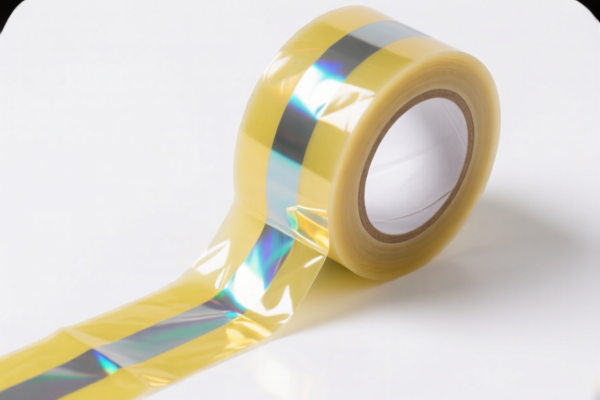

AI Analysis
🧱 Plastic-Coated Steel Wire Coil (Plastic-Coated Iron Wire Roll)
🌐 HS Code Classification & Customs Clearance Guide | 2026 Updated Tariff Analysis | Expert-Level Import Strategy
📌 One, Product Definition & Classification: What Exactly Is a Plastic-Coated Wire Coil?
A plastic-coated iron/steel wire coil is a composite material consisting of a metal core (iron or steel) — often galvanized — wrapped in a non-metallic plastic layer. It is typically supplied in spool or coil form, used in fencing, construction, agricultural fencing, and industrial applications.
⚠️ Critical Distinction:
- If the plastic coating is merely a protective layer over a metal wire, and the core material remains iron/steel, it is not a plastic product — it’s a metal-plastic composite.
- Do NOT classify as pure plastic — this leads to massive tariff miscalculations and customs penalties.
📦 Two, HS Code Classification Details (2026 Updated Tariff Authority)
| HS Code | Product Description | Core Material | Form | Key Feature | Applicable Tax |
|---|---|---|---|---|---|
3926.90.60.90 |
Plastic-coated iron wire coil, primarily plastic in composition, but with metal core; composite of plastic and metal. | Iron/Steel (metal core) | Coil | Plastic coating applied over metal wire | 39.2% |
7312.10.30.70 |
Plastic-coated iron/steel wire coil, made of iron/galvanized steel, in twisted strand or rope form, with non-metallic plastic coating. | Iron/Galvanized Steel | Twisted Rope / Strand | Non-electrical insulation, metal core | 85.0% |
7317.00.55.03 |
Plastic-coated iron wire coil, core material is iron, in wire roll form, plastic coating does not negate iron/steel classification. | Iron | Wire Roll | Not conflicting with iron/steel attributes | 85.0% |
7312.10.30.80 |
Plastic-coated iron/steel wire coil, core is iron/steel, in twisted strand/rope form, fits non-electrically insulated iron wire category. | Iron/Steel | Twisted Rope / Strand | Non-insulated metal wire with plastic coating | 85.0% |
🔍 Key Insight:
- Despite the plastic coating, the metal core dominates the classification — especially when the wire is used structurally or mechanically (e.g., fencing, reinforcement). - The form (coil, strand, rope) and material dominance determine which HS code applies.
💰 Three, 2026 Updated Tariff Breakdown (With Full Tax Clause Explanation)
✅ Applicable Country: United States (US)
✅ Origin: China (CN)
✅ Effective Date: November 10, 2025 (including future imports)
🎯 1. 3926.90.60.90 — Plastic-Coated Iron Wire Coil (Plastic-Metal Composite)
| Item | Detail |
|---|---|
| Base Duty | 4.2% (ad valorem) |
| Section 301 (USITC) Additional Duty | +25.0% |
| Section 122 (IEEPA) Additional Duty | +10.0% |
| Total Duty | 39.2% |
| Tax Calculation | CIF Value × 39.2% |
| De Minimis Threshold | ❌ Not applicable (denied under 32 CFR § 150.4) |
| Legal Basis Path | IEEPA:9903.01.25 → IEEPA:9903.01.24 → USITC:3926.90.60.90 → FOOTNOTE:9903.88.01 |
📌 Explanation:
- Section 301 (USITC): Imposed under the U.S. Trade Act of 1974, targeting Chinese goods deemed to have unfair trade practices.
- Section 122 (IEEPA): Enacted under the International Emergency Economic Powers Act, authorizing emergency tariffs on goods from China.
- Total 39.2% — moderate compared to steel-based codes, but still high.
🎯 2. 7312.10.30.70 — Plastic-Coated Iron Wire Coil (Twisted Rope/Strand, Iron/Galvanized)
| Item | Detail |
|---|---|
| Base Duty | 0.0% |
| Section 301 (USITC) Additional Duty | +25.0% |
| Section 122 (IEEPA) Additional Duty | +10.0% |
| Steel, Aluminum, Copper Products Additional Duty | +50.0% |
| Total Duty | 85.0% |
| Tax Calculation | CIF Value × 85.0% |
| De Minimis Threshold | ❌ Not applicable |
| Legal Basis Path | IEEPA:9903.01.25 → IEEPA:9903.01.24 → USITC:7312.10.30.70 → FOOTNOTE:9903.88.01 → SECTION:122(2)(a)(i) |
📌 Explanation:
- Steel, aluminum, copper products are specifically targeted under Section 122(2)(a)(i) of IEEPA.
- Even though the product is plastic-coated, the core is iron/steel, and the form is rope/strand, triggering the 50% additional tariff.
- Total 85% — extremely high, among the highest in the tariff schedule.
🎯 3. 7317.00.55.03 — Plastic-Coated Iron Wire Coil (Iron Core, Wire Roll Form)
| Item | Detail |
|---|---|
| Base Duty | 0.0% |
| Section 301 (USITC) Additional Duty | +25.0% |
| Section 122 (IEEPA) Additional Duty | +10.0% |
| Steel, Aluminum, Copper Products Additional Duty | +50.0% |
| Total Duty | 85.0% |
| Tax Calculation | CIF Value × 85.0% |
| De Minimis Threshold | ❌ Not applicable |
| Legal Basis Path | IEEPA:9903.01.25 → IEEPA:9903.01.24 → USITC:7317.00.55.03 → FOOTNOTE:9903.88.01 → SECTION:122(2)(a)(i) |
📌 Explanation:
- Core is iron, form is wire roll, and plastic coating does not override metal classification.
- The same 85% rate applies as7312.10.30.70due to steel product targeting.
🎯 4. 7312.10.30.80 — Plastic-Coated Iron Wire Coil (Twisted Strand/Rope, Non-Electrical Insulation)
| Item | Detail |
|---|---|
| Base Duty | 0.0% |
| Section 301 (USITC) Additional Duty | +25.0% |
| Section 122 (IEEPA) Additional Duty | +10.0% |
| Steel, Aluminum, Copper Products Additional Duty | +50.0% |
| Total Duty | 85.0% |
| Tax Calculation | CIF Value × 85.0% |
| De Minimis Threshold | ❌ Not applicable |
| Legal Basis Path | IEEPA:9903.01.25 → IEEPA:9903.01.24 → USITC:7312.10.30.80 → FOOTNOTE:9903.88.01 → SECTION:122(2)(a)(i) |
📌 Explanation:
- Non-electrical insulation is a key factor — it confirms the metal is functional, not just coated.
- No exemption for plastic coating — steel product rules apply.
🛠️ Four, Customs Clearance Best Practices (Real-World Tips)
✅ 1. Required Documentation (Must-Have)
| Document | Required? | Notes |
|---|---|---|
| ✅ Product Specification Sheet | ✔️ | Include wire diameter, coating thickness, core material (iron/galvanized), tensile strength |
| ✅ Material Safety Data Sheet (MSDS) | ✔️ | For chemical compliance (plastic coating) |
| ✅ Product Photos (Clear, with label) | ✔️ | Show coil, coating, wire core, brand, model |
| ✅ Third-Party Test Report | ✔️ | ASTM, ISO, or UL (if applicable) |
| ✅ Commercial Invoice | ✔️ | Clearly state: "Plastic-Coated Iron Wire Coil, 300m, 2.0mm, Galvanized Core, Coil Form" |
| ✅ Certificate of Origin (CO) | ✔️ | Critical — if from Vietnam, Mexico, or Thailand, may avoid 301/122 tariffs |
| ✅ Packing List | ✔️ | Show total weight, number of coils, packaging type |
✅ 2.申报技巧 (申报口诀)
🔥 “核心看铁,形态看绳,涂层是皮,税率看钢!”
(The core is iron, the form is rope, the coating is skin — tariff is based on steel!)
| Scenario | Correct HS Code | Wrong Approach |
|---|---|---|
| Coil with galvanized iron core, plastic coating | 7312.10.30.70 or 7312.10.30.80 |
3926.90.60.90 → underpaying by 45.8% |
| Wire roll, iron core, plastic coating | 7317.00.55.03 |
3926.90.60.90 → underpaying |
| Twisted rope, plastic-coated, iron core | 7312.10.30.80 |
3926.90.60.90 → huge risk |
✅ 3. Special Cases & Solutions
| Case | Solution |
|---|---|
| Plastic coating is 90% of weight | Still not plastic — core is iron → 85% tariff applies |
| Used in fencing, not electrical | Does not exempt from steel tariffs — form and core matter |
| From Vietnam/Mexico/Thailand | Apply for CO — may qualify for 0% tariff under trade agreements |
| Small shipments (<$200) | De Minimis still denied — no relief for this product |
| Customs audit risk | Pre-apply for Advance Ruling (Pre-Ruling) to lock in HS code |
🌍 Five, Global Market Comparison (2026 Update)
| Country/Region | Recommended HS Code | Tariff | Certification | Notes |
|---|---|---|---|---|
| 🇺🇸 USA | 7312.10.30.70 / 7317.00.55.03 |
85.0% (China) | None | Highest tariff — avoid China origin |
| 🇨🇳 China | 7312.10.30.70 |
5% | CCC | No extra tariffs |
| 🇪🇺 EU | 7312.10.30.70 |
0% (if CE) | CE | No 301/122 tariffs |
| 🇦🇺 Australia | 7312.10.30.70 |
5% | RCM | No extra taxes |
| 🇯🇵 Japan | 7312.10.30.70 |
0% | PSE | No additional duties |
📌 Conclusion:
- USA is the only market with 85% tariff on this product if from China.
- Shift production to Vietnam/Mexico to avoid 301/122 tariffs.
📌 Six, Common Mistakes & Risk Warnings (Avoid These!)
❌ Mistake 1: Classifying as 3926.90.60.90 (plastic) to avoid steel tariffs
👉 Result: Underpayment, penalties, seizure, rejection.
❌ Mistake 2: Not disclosing core material in invoice
👉 Result: Customs may reclassify to higher tariff — 85%.
❌ Mistake 3: Using “plastic wire” in description without mentioning iron core
👉 Result: Misleading申报 → fines + delays.
❌ Mistake 4: Assuming “plastic coating = plastic product”
👉 Result: Wrong HS code, high tax, legal risk.
✅ Correct Description Example:
“Plastic-Coated Galvanized Iron Wire Coil, 2.0mm Diameter, 300m Length, 1.5mm Plastic Coating, Non-Electrical Insulation, Used for Fencing”
🎯 Seven, Final Verdict: Precision Pays Off!
🎯 Remember the Golden Rule:
🔹 “If it’s iron inside, even if wrapped in plastic — it’s steel. And steel in the US? 85% tariff.”
🔹 “Plastic coating is just a coat — the core is king.”
📌 Pro Tip:
📞 Apply for an Advance Ruling (Pre-Ruling) with U.S. Customs before shipping.
🚀 Lock in your HS code and avoid 85% surprise tax.
📣 Act Now:
📞 Contact a U.S.-licensed customs broker + submit product photos + specs
🚀 Ensure your plastic-coated wire coil clears customs smoothly — without a 85% tax shock!
✨ Smart Clearance Starts with Smart Classification!
💼 Your profit margin depends on getting this right — once.
Customer Reviews
About HS Code Classification
The Harmonized System (HS) is an internationally standardized nomenclature developed by the World Customs Organization (WCO) to classify traded products. Over 200 countries use the HS system as the basis for customs tariffs, trade statistics, and import/export regulations.
Each HS code follows a hierarchical structure:
- Chapter (2 digits) — Broad category of goods (e.g., Chapter 84: Machinery and Mechanical Appliances)
- Heading (4 digits) — More specific grouping within the chapter
- Subheading (6 digits) — Internationally standardized breakdown, used by all WCO member countries
- National subdivisions (8-10 digits) — Country-specific extensions for further classification, such as US HTSUS 10-digit codes
Correct HS code classification is essential for smooth customs clearance, accurate duty payment, and compliance with trade regulations. Misclassification can lead to customs delays, overpayment of duties, or penalties.
When importing from CN to US, the applicable tariff rates may include:
- Most-Favored-Nation (MFN) rate — The standard duty rate applied to WTO members
- General rate — Applied to countries without trade agreements
- Trade remedy duties — Additional tariffs such as Section 301 (anti-dumping), Section 232 (national security), or countervailing duties
The information provided on this page is for reference purposes only. For official classification, please consult with your local customs authority or a licensed customs broker.