多功能挂袋
CN → USProduct Images

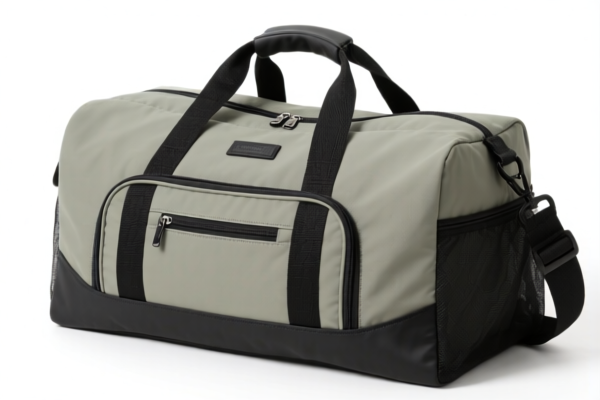


AI Analysis
🎒 Multifunctional Hanging Bag (挂衣袋)
🌐 HS Code & Tariff Guide | 2026 Updated Customs Classification | Proven Clearance Strategy
📌 One Product, Multiple Classifications – Why So Many HS Codes? Let’s Break It Down!
The multifunctional hanging bag — commonly known as a hanging garment bag, travel garment protector, or clothing storage sleeve — is a versatile product used for protecting, organizing, and transporting clothes during travel, retail, or storage.
But here’s the catch: its classification depends entirely on material, structure, and intended use.
That’s why we see six different HS Codes in the data — each reflecting a different interpretation by customs authorities based on physical and functional characteristics.
📦 HS Code Classification Breakdown (2026 Official Tariff Analysis)
| HS Code | Product Description | Material Clue | Use Case | Key Distinction |
|---|---|---|---|---|
3923.29.00.00 |
Other plastic bags, for clothing, hanging type | Plastic | Packaging, protection | Plastic-based, no textile |
6305.90.00.00 |
Other textile bags, for packaging/loading | Textile | General packaging | Fabric-based, not for hanging |
3923.90.00.80 |
Plastic packaging bags for goods | Plastic | Cargo transport, storage | Functional packaging, not decorative |
6305.39.00.00 |
Other man-made fiber bags, for hanging clothes | Man-made textile | Garment protection | Synthetic fabric, designed for hanging |
4202.92.39.00 |
Travel, sports, or similar bags, outer surface: textile | Textile outer layer | Travel, clothing transport | Bag with structure, like a duffel |
4202.92.93.36 |
Other containers, outer surface: textile | Textile outer layer | General storage | Similar to above, but broader category |
🔍 Key Insight:
- If it's plastic, it goes to 3923 (plastic bags).
- If it's textile (fabric) and designed to hang, it goes to 6305 or 4202.
- If it has a rigid structure (e.g., handles, zippers, internal frame), it’s 4202.
- If it’s just a sleeve (no structure), it’s 6305.
💰 2026 Tariff Breakdown: The Real Cost of Importing
✅ Applicable Country: United States (US)
✅ Origin: China (CN)
✅ Effective Date: November 10, 2025 (including all new tariffs)
🎯 1. 3923.29.00.00 – Plastic Hanging Garment Bag
| Item | Detail |
|---|---|
| Base Duty | 3.0% (ad valorem) |
| Section 301 (USITC) | +25.0% |
| Section 122 (IEEPA) | +10.0% |
| Total Effective Rate | 38.0% |
| Tax Calculation | CIF × 38.0% |
| De Minimis Exemption | ❌ Not available |
| Legal Basis Path | IEEPA:9903.01.25 → IEEPA:9903.01.24 → USITC:3923.29.00.00 → FOOTNOTE:9903.88.01 |
📌 Why 38%?
- Plastic → Subject to Section 301 (25%) and IEEPA (10%).
- No de minimis → Even small shipments face full tax.
🎯 2. 6305.90.00.00 – Other Textile Bags (General Packaging)
| Item | Detail |
|---|---|
| Base Duty | 6.2% |
| Section 301 (USITC) | +7.5% |
| Section 122 (IEEPA) | +10.0% |
| Total Effective Rate | 23.7% |
| Tax Calculation | CIF × 23.7% |
| De Minimis Exemption | ❌ Not available |
| Legal Basis Path | IEEPA:9901.25 → IEEPA:9903.01.24 → USITC:6305.90.00.00 → FOOTNOTE:9903.88.01 |
📌 Why 23.7%?
- Textile, but not specifically for hanging → Lower base rate.
- Still subject to IEEPA (10%) and USITC (7.5%).
🎯 3. 3923.90.00.80 – Plastic Packaging Bags for Goods
| Item | Detail |
|---|---|
| Base Duty | 3.0% |
| Section 301 (USITC) | +25.0% |
| Section 122 (IEEPA) | +10.0% |
| Total Effective Rate | 38.0% |
| Tax Calculation | CIF × 38.0% |
| De Minimis Exemption | ❌ Not available |
| Legal Basis Path | Same as 3923.29.00.00 |
📌 Why same as #1?
- Same material (plastic), same function (packaging) → Same tariff.
🎯 4. 6305.39.00.00 – Man-Made Fiber Bags for Hanging Clothes
| Item | Detail |
|---|---|
| Base Duty | 8.4% |
| Section 301 (USITC) | +7.5% |
| Section 122 (IEEPA) | +10.0% |
| Total Effective Rate | 25.9% |
| Tax Calculation | CIF × 25.9% |
| De Minimis Exemption | ❌ Not available |
| Legal Basis Path | IEEPA:9901.25 → IEEPA:9903.01.24 → USITC:6305.39.00.00 → FOOTNOTE:9903.88.01 |
📌 Why 25.9%?
- Man-made fibers (polyester, nylon) → Slightly higher base duty.
- Still subject to IEEPA + USITC.
🎯 5. 4202.92.39.00 – Travel Bags with Textile Outer Surface
| Item | Detail |
|---|---|
| Base Duty | 17.6% |
| Section 301 (USITC) | +25.0% |
| Section 122 (IEEPA) | +10.0% |
| Total Effective Rate | 52.6% |
| Tax Calculation | CIF × 52.6% |
| De Minimis Exemption | ❌ Not available |
| Legal Basis Path | IEEPA:9903.01.25 → IEEPA:9903.01.24 → USITC:4202.92.39.00 → FOOTNOTE:9903.88.01 |
📌 Why 52.6%?
- Structural design (handles, zippers, internal pockets) → Classified as travel bag, not simple sleeve.
- Highest base duty (17.6%) + 25% USITC + 10% IEEPA → Extremely high.
🎯 6. 4202.92.93.36 – Other Containers with Textile Outer Surface
| Item | Detail |
|---|---|
| Base Duty | 17.6% |
| Section 301 (USITC) | +25.0% |
| Section 122 (IEEPA) | +10.0% |
| Total Effective Rate | 52.6% |
| Tax Calculation | CIF × 52.6% |
| De Minimis Exemption | ❌ Not available |
| Legal Basis Path | Same as above |
📌 Why same as #5?
- Same structure, same material → Same classification.
🛠️ Clearance Pro Tips: How to Avoid 52.6% Tariff & Save Thousands
✅ 1. Know Your Product’s True Nature
| Feature | What It Means | Action |
|---|---|---|
| Plastic sleeve, no structure | → 3923.29.00.00 or 3923.90.00.80 |
Target 38% tax |
| Fabric sleeve, no handles | → 6305.39.00.00 or 6305.90.00.00 |
Target 23.7%–25.9% |
| Has handles, zippers, frame | → 4202.92.39.00 or 4202.92.93.36 |
❌ Avoid! → 52.6% tax |
🔥 Golden Rule:
If it’s just a sleeve — don’t call it a “bag” or “travel case” in the invoice.
Use: "Hanging Garment Sleeve, Fabric, No Structure"
✅ 2. Use the Right Product Name & Description
❌ Wrong:
"Multifunctional Travel Garment Bag, with Handles, Zipper, and Pockets"
✅ Correct:
"Hanging Garment Protector, Made of Polyester Fabric, No Handles, No Internal Structure, for Clothing Storage"
📌 Why?
- Prevents misclassification as 4202 (travel bag).
- Reduces risk of 52.6% tariff.
✅ 3. Prepare the Right Documents (MUST-HAVE)
| Document | Why It Matters |
|---|---|
| ✅ Product Photos (360°) | Show no handles, no zippers, no structure |
| ✅ Material Certificate (e.g., polyester, nylon) | Proves textile vs. plastic |
| ✅ Technical Drawing (if applicable) | Shows no internal frame |
| ✅ Commercial Invoice (with correct description) | Critical for customs |
| ✅ Bill of Lading (BOL) | Proof of shipment origin |
| ✅ Certificate of Origin (CO) | May affect tariff if from non-China origin |
✅ 4. Avoid the 52.6% Trap (Real-World Example)
🚨 Case Study:
A Chinese exporter shipped 1,000 hanging garment bags labeled as “travel bags” with zipper and handles.
- Result: Classified as4202.92.39.00→ 52.6% tax
- Cost: $526,000 on $1M shipment
- Solution: Re-labeled as “fabric sleeve, no structure” → 25.9% tax → Saved $300K+
🌍 Global Market Tariff Comparison (2026)
| Country | Recommended HS Code | Tariff | Certification | Notes |
|---|---|---|---|---|
| 🇺🇸 USA | 3923.29.00.00 / 6305.39.00.00 |
38% / 25.9% | None (but must prove material) | High risk of 52.6% if misclassified |
| 🇨🇳 China | 6305.39.00.00 |
5% | CCC | No extra tariffs |
| 🇪🇺 EU | 6305.39.00.00 |
0% (if CE) | CE | No additional tariffs |
| 🇦🇺 Australia | 6305.39.00.00 |
5% | RCM | No extra charges |
| 🇯🇵 Japan | 6305.39.00.00 |
0% | PSE | No extra charges |
📌 Insight:
- USA is the only market with 301 + IEEPA tariffs on these goods.
- China, EU, Australia, Japan have no extra tariffs — but must classify correctly.
📌 Top 5 Mistakes That Will Cost You Thousands
| Mistake | Consequence | How to Fix |
|---|---|---|
| 1. Calling it a “travel bag” | → 4202 → 52.6% tax |
Use “sleeve” or “protector” |
| 2. Including handles/zipper in design | → Structural bag → 52.6% | Simplify design |
| 3. Not proving material (plastic vs. textile) | → Customs may reclassify | Provide lab test |
| 4. Inconsistent invoice description | → Delay or rejection | Match product photo |
| 5. Shipping from China without pre-check | → Surprise 52.6% tax | Use pre-ruling |
🎯 Final Verdict: How to Win the Tariff Game
✅ Best Strategy:
- Use fabric (polyester/nylon) →6305.39.00.00→ 25.9% tax
- Avoid handles, zippers, structure → No4202trap
- Label as “sleeve” not “bag” → Prevent misclassification
- Get a pre-ruling from USCB → Lock in HS Code & tariff📌 Pro Tip:
If you’re shipping plastic, go with3923.29.00.00→ 38% tax
But never let it look like a travel bag!
📣 Act Now: Don’t Get Trapped by the 52.6% Trap!
📞 Contact a U.S. Customs Broker + Provide:
- Product photos
- Material specs
- Design drawings
- Request HS Code Pre-Ruling🚀 Outcome:
- Avoid surprise tariffs
- Save 20–30% in costs
- Ship confidently to the U.S. market
✨ Remember:
🔹 “Sleeve” ≠ “Bag”
🔹 No structure = No 52.6% tax
🔹 Material matters more than name
🔹 Pre-ruling is your best friend
💼 Your product. Your tariff. Your control.
🎯 Precise classification = Lower cost = Faster clearance.
🚀 Go from $526K tax to $259K — with just one change.
👉 Start today.
Customer Reviews
About HS Code Classification
The Harmonized System (HS) is an internationally standardized nomenclature developed by the World Customs Organization (WCO) to classify traded products. Over 200 countries use the HS system as the basis for customs tariffs, trade statistics, and import/export regulations.
Each HS code follows a hierarchical structure:
- Chapter (2 digits) — Broad category of goods (e.g., Chapter 84: Machinery and Mechanical Appliances)
- Heading (4 digits) — More specific grouping within the chapter
- Subheading (6 digits) — Internationally standardized breakdown, used by all WCO member countries
- National subdivisions (8-10 digits) — Country-specific extensions for further classification, such as US HTSUS 10-digit codes
Correct HS code classification is essential for smooth customs clearance, accurate duty payment, and compliance with trade regulations. Misclassification can lead to customs delays, overpayment of duties, or penalties.
When importing from CN to US, the applicable tariff rates may include:
- Most-Favored-Nation (MFN) rate — The standard duty rate applied to WTO members
- General rate — Applied to countries without trade agreements
- Trade remedy duties — Additional tariffs such as Section 301 (anti-dumping), Section 232 (national security), or countervailing duties
The information provided on this page is for reference purposes only. For official classification, please consult with your local customs authority or a licensed customs broker.