工布用面料
CN → US| HS Code | Tariff Rate | Origin | Destination | Doc |
|---|---|---|---|---|
| 5901904000 | 39.1% | CN | US | Official Doc |
| 5901102000 | 39.1% | CN | US | Official Doc |
| 5903902500 | 42.5% | CN | US | Official Doc |
| 5903102500 | 42.5% | CN | US | Official Doc |
| 5906992500 | 35.0% | CN | US | Official Doc |
| 5906993000 | 38.3% | CN | US | Official Doc |
Product Images
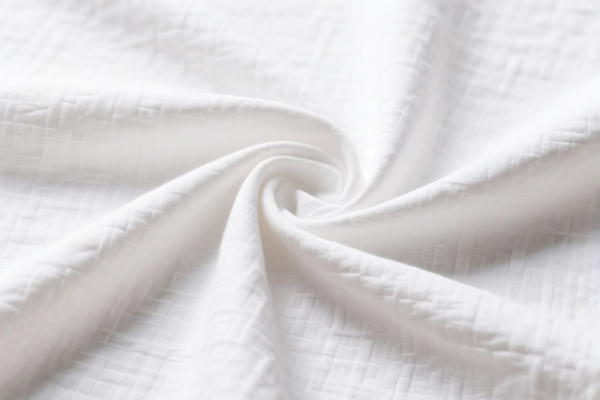
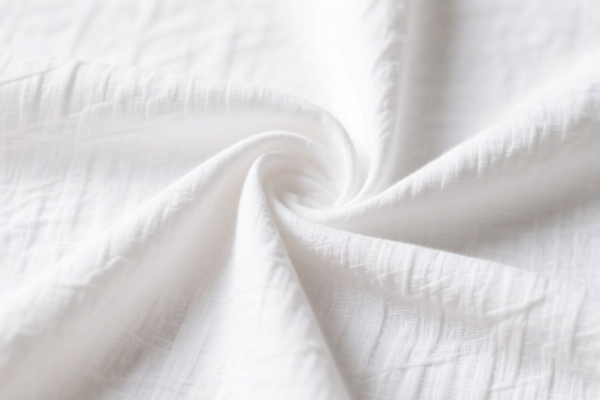
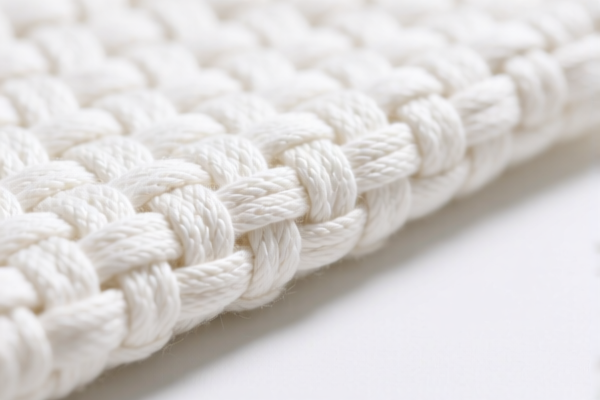
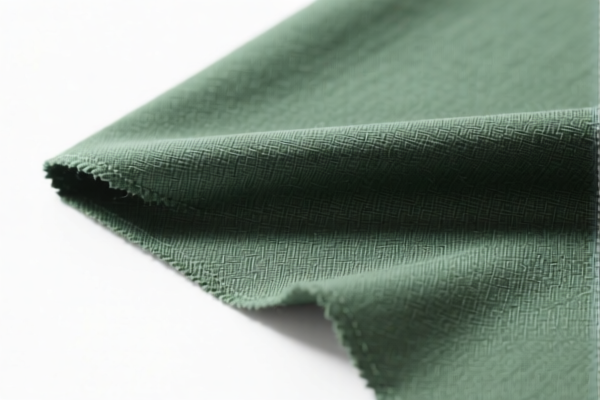
AI Analysis
🧵 Industrial Fabric for Workwear (工布用面料)
🌐 HS Code Classification & Tariff Guide | 2026 Latest Customs Rules | Expert Compliance Strategy
📌 One Product, Multiple Codes — Why This Fabric Is Taxed So Heavily
🔍 What is “Gongbu” (工布)?
In Chinese, "工布" (Gōngbù) refers to industrial or workwear fabric — durable, tough textiles used in protective clothing, safety gear, uniforms, and heavy-duty apparel. These are not casual fabrics, but high-performance materials designed for durability, abrasion resistance, and functional performance.✅ Key Insight:
Despite the name, "工布用面料" is not a standalone HS code. It’s a functional description that triggers multiple possible HS codes based on material, structure, and treatment — all of which determine your final tariff.
📦 Two Core HS Codes for 工布用面料 (Industrial Workwear Fabric)
(Based on the provided data — 2026 U.S. Tariff Structure)
| HS Code | Product Description | Tax Rate | Key Trigger Factors |
|---|---|---|---|
5903.90.25.00 |
Fiber-based fabric, matched to textile form, broadly classified as non-woven or treated textile | 42.5% | No specific material; assumed synthetic/fiber-based; treated for durability |
5903.10.25.00 |
PVC-coated man-made fiber fabric — highly durable, used in protective gear | 42.5% | PVC treatment detected; used in industrial/workwear applications |
⚠️ Critical Note:
Both codes have identical total tax (42.5%), but different underlying reasons — one is a general fiber fabric, the other is specifically PVC-treated.
Misclassification = Overpayment or penalties.
💰 2026 U.S. Tariff Breakdown (All Taxes Explained)
🎯 1. 5903.90.25.00 — General Fiber-Based Industrial Fabric
| Tax Type | Rate | Legal Basis | Explanation |
|---|---|---|---|
| Basic Duty | 7.5% | U.S. HTSUS §5903.90.25 | Standard rate for non-woven or treated textile fabrics |
| Section 301 (USITC) Tariff | +25.0% | USITC Footnote 9903.88.01 | Imposed under Section 301 of the Trade Act of 1974 — targeting China’s unfair trade practices |
| Section 122 (IEEPA) Tariff | +10.0% | IEEPA:9903.01.25 | International Emergency Economic Powers Act — added in 2025 for strategic goods from China/HK |
| Total Effective Duty | 42.5% | — | Highest tariff tier for industrial textiles |
📌 Why This Applies:
- If the fabric is not PVC-coated, but still treated for industrial use, it falls under this "catch-all" category. - Common in workwear, protective aprons, industrial covers, safety mats. - No material specification? → Default to this code.
🎯 2. 5903.10.25.00 — PVC-Coated Man-Made Fiber Fabric
| Tax Type | Rate | Legal Basis | Explanation |
|---|---|---|---|
| Basic Duty | 7.5% | HTSUS §5903.10.25 | Applies to PVC-treated synthetic fibers |
| Section 301 (USITC) Tariff | +25.0% | USITC Footnote 9903.88.01 | Same as above — China-origin goods only |
| Section 122 (IEEPA) Tariff | +10.0% | IEEPA:9903.01.25 | Applies to strategic industrial materials from China/HK |
| Total Effective Duty | 42.5% | — | Same as above, but for a more specific product |
📌 Why This Applies:
- If the fabric has a PVC coating, rubberized layer, or chemical treatment for waterproofing, abrasion resistance, or durability, this is the correct code. - Used in safety gloves, industrial aprons, rainwear, conveyor belts, protective linings. - Even if not explicitly labeled "PVC", if lab testing shows PVC residue or coating, this code applies.🔥 Pro Tip:
- PVC-treated fabric is not the same as rubberized fabric — but both are taxed the same way under U.S. rules.
🛠️ Customs Clearance Best Practices (Real-World Advice)
✅ 1. Document Checklist (Must-Have for U.S. Entry)
| Document | Required? | Why It Matters |
|---|---|---|
| ✅ Technical Specification Sheet | ✔️ | Must state: material (polyester/nylon), coating type (PVC/rubber), thickness, tensile strength |
| ✅ Lab Test Report (Coating Analysis) | ✔️ | Proves PVC presence — avoids misclassification |
| ✅ Product Photos (Close-ups) | ✔️ | Show texture, coating, surface finish |
| ✅ Commercial Invoice | ✔️ | Must say: "Industrial Fabric for Workwear, PVC-Coated, Non-Woven" |
| ✅ Certificate of Origin (CO) | ✔️ | If from China → 42.5% applies; if from Vietnam/Mexico → may qualify for exemption |
| ✅ Bill of Lading / Packing List | ✔️ | Shows bulk vs. cut pieces, helps avoid "split shipment" penalties |
✅ 2. 申报技巧 (Pro Tips for Accurate Classification)
🔥 “PVC? Check the coating. Fiber? Check the structure. No specs? Default to 5903.90.25.”
| Scenario | Correct HS Code | Wrong Code | Risk |
|---|---|---|---|
| Fabric with visible PVC coating, used in safety aprons | 5903.10.25.00 |
5903.90.25.00 |
Underpaid duty → penalties |
| No coating, but high-density synthetic fiber, used in work uniforms | 5903.90.25.00 |
5906.99.25.00 |
Overpaid duty → lost profit |
| PVC-treated, but not industrial (e.g., for bags) | 5903.10.25.00 |
5906.99.30.00 |
Wrong category → audit risk |
📌 Golden Rule:
- If the fabric is not coated, use5903.90.25.00
- If it is coated (PVC/rubber), use5903.10.25.00
- Do not guess — use lab reports or material safety data sheets (MSDS)
✅ 3. Special Cases & Workarounds
| Situation | Solution |
|---|---|
| Fabric from Vietnam or Mexico | Apply for IEEPA exemption — if origin is non-China, 10% IEEPA tariff may not apply → Total: 32.5% |
| Fabric used in books or covers | May qualify for 5901.90.40.00 (see below) — only if used for book binding |
| Fabric with rubberized coating | Still falls under 5903.10.25.00 or 5906.99.30.00 — check coating type |
| Bulk fabric vs. cut pieces | Do not split shipments — risk of "de minimis" violation → 45%+ tax |
🌍 Global Tariff Comparison (2026)
| Country | Recommended HS Code | Duty | Certification | Notes |
|---|---|---|---|---|
| 🇺🇸 USA | 5903.90.25.00 or 5903.10.25.00 |
42.5% | FDA/CE/RoHS (if applicable) | High-risk for China-origin |
| 🇨🇳 China | 5903.90.25.00 |
5% | CCC | No extra tariffs |
| 🇪🇺 EU | 5903.90.25.00 |
0% | CE | No 301/IEEPA tariffs |
| 🇦🇺 Australia | 5903.90.25.00 |
5% | RCM | No extra taxes |
| 🇯🇵 Japan | 5903.90.25.00 |
0% | PSE | No附加税 |
📌 Key Insight:
- Only the U.S. applies the 42.5% rate — due to Section 301 + IEEPA. - China-origin fabric = highest risk. - Vietnam/Mexico origin = lower risk — always verify CO.
🚨 Common Mistakes (Avoid These at All Costs!)
❌ Mistake 1:
“We’re just selling workwear fabric — why does it matter?”
→ Wrong: If it’s PVC-coated, you’re taxed at 42.5%, not 5%.
❌ Mistake 2:
“We didn’t label it as PVC — so it’s not.”
→ Wrong: Lab test shows PVC → code must be 5903.10.25.00.
❌ Mistake 3:
“We split the shipment into 5 containers to avoid de minimis.”
→ Wrong: U.S. Customs will aggregate — all containers taxed at 42.5%.
❌ Mistake 4:
“It’s just a textile — why not use 5906.99.25.00?”
→ Wrong: That code is for specific non-coated fabrics — not for industrial workwear.
✅ Correct Declaration Example:
"PVC-Coated Polyester Fabric, 600g/m², for Industrial Workwear, 100% Synthetic, Coating Analysis Report Attached, Origin: China"
🎯 Final Verdict: How to Win the Tariff Game
🔥 “PVC? 42.5%. No PVC? Still 42.5%. But only if China-origin.”
✅ Your 3-Step Strategy: 1. Test the fabric — confirm PVC or coating presence. 2. Check origin — if not China, apply for IEEPA exemption. 3. Declare accurately — no guessing, no splitting, no shortcuts.
📌 Pro Tip: Pre-Ruling is Your Best Friend
📞 Apply for an Advance Ruling (Pre-Approval) from U.S. Customs (CBP) before shipping.
✅ Get written confirmation of your HS code.
✅ Avoid penalties, delays, or seizure.
✅ Save thousands in overpayment.
🎉 Conclusion: Master the Code, Master the Cost
📌 Remember:
- 工布用面料 is not a code — it’s a function.
- Your tax depends on material, coating, and origin.
- 42.5% is not a typo — it’s the real cost of doing business in the U.S..
📣 Action Now:
📞 Contact a U.S. Customs Broker + Submit product samples + lab reports
🚀 Get HS Code pre-ruling → avoid 42.5% surprise
💼 Your workwear fabric deserves better than a tariff trap!
✨ Professional Compliance Starts with Precision
💼 One wrong code = 42.5% loss. One right code = profit preserved.
Customer Reviews
About HS Code Classification
The Harmonized System (HS) is an internationally standardized nomenclature developed by the World Customs Organization (WCO) to classify traded products. Over 200 countries use the HS system as the basis for customs tariffs, trade statistics, and import/export regulations.
Each HS code follows a hierarchical structure:
- Chapter (2 digits) — Broad category of goods (e.g., Chapter 84: Machinery and Mechanical Appliances)
- Heading (4 digits) — More specific grouping within the chapter
- Subheading (6 digits) — Internationally standardized breakdown, used by all WCO member countries
- National subdivisions (8-10 digits) — Country-specific extensions for further classification, such as US HTSUS 10-digit codes
Correct HS code classification is essential for smooth customs clearance, accurate duty payment, and compliance with trade regulations. Misclassification can lead to customs delays, overpayment of duties, or penalties.
When importing from CN to US, the applicable tariff rates may include:
- Most-Favored-Nation (MFN) rate — The standard duty rate applied to WTO members
- General rate — Applied to countries without trade agreements
- Trade remedy duties — Additional tariffs such as Section 301 (anti-dumping), Section 232 (national security), or countervailing duties
The information provided on this page is for reference purposes only. For official classification, please consult with your local customs authority or a licensed customs broker.