打耳洞工具
CN → US| HS Code | Tariff Rate | Origin | Destination | Doc |
|---|---|---|---|---|
| 8205595560 | 40.3% | CN | US | Official Doc |
| 9018390050 | 10.0% | CN | US | Official Doc |
| 8205517500 | 38.7% | CN | US | Official Doc |
| 9018908000 | 10.0% | CN | US | Official Doc |
| 7326908688 | 87.9% | CN | US | Official Doc |
Product Images
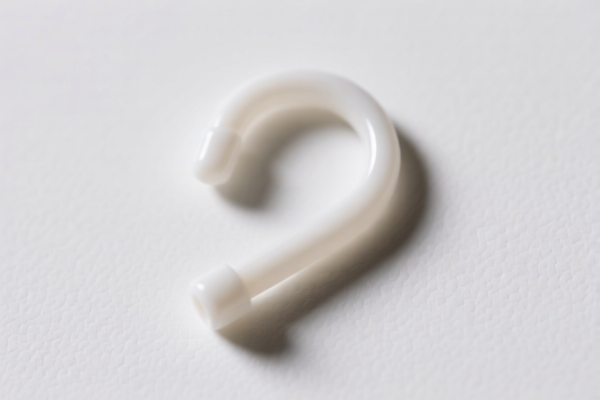
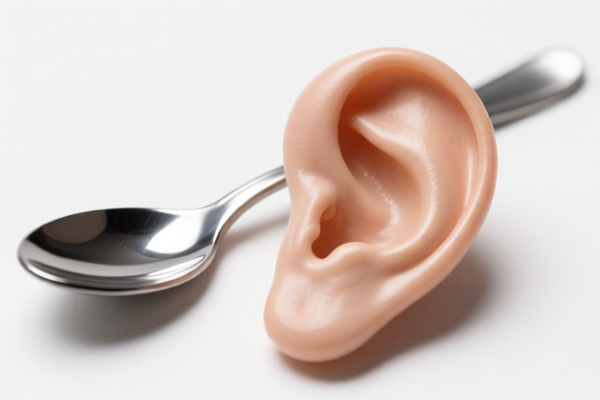
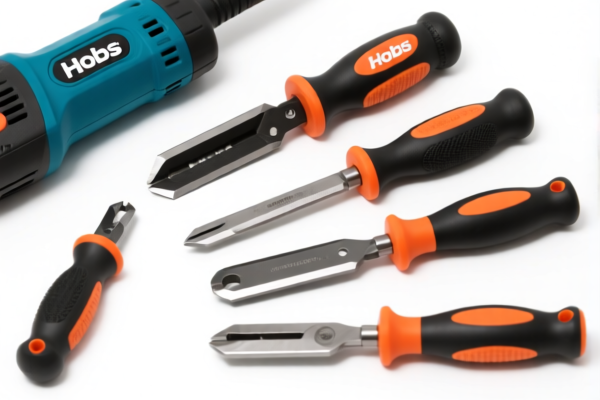

AI Analysis
🎯 Piercing Tools (Ear Piercing Instruments)
🌐 HS Code Reference & Customs Clearance Guide | 2026 Latest Tariff Analysis | Pro-Level Import Strategy
📌 One Product, Multiple Classifications — Know the Difference to Avoid 87.9% Tariffs!
📦 一、Product Definition & Classification: What Exactly Is a “Piercing Tool”?
A metal ear piercing tool is a handheld instrument used to create a small hole in the earlobe or cartilage for jewelry insertion. While it may seem simple, its classification depends heavily on intended use, material, and design.
⚠️ Critical Distinction:
- If used for medical/surgical purposes → classified under medical devices
- If used for general or household purposes → classified under hand tools
- If used for earwax removal → entirely different HS Code!🔍 Why This Matters:
A single product can be classified under five different HS Codes, with tax rates ranging from 10% to 87.9% — a difference of over 77 percentage points!
📊 二、HS Code Classification Breakdown (2026 Latest Tariff Authority)
| HS Code | Product Description | Classification Basis | Key Features |
|---|---|---|---|
8205.59.55.60 |
Metal ear piercing tool, made of iron or steel, classified as other hand tools | Hand Tool Category | General-purpose, non-medical use |
9018.39.00.50 |
Metal ear piercing tool, classified as other metal instruments for medical/surgical use | Medical/Surgical Device | Designed for clinical environments |
9018.90.80.00 |
Other medical, surgical, or dental instruments and appliances | Medical Equipment | Used in healthcare settings |
8205.51.75.00 |
Metal ear piercing tool, classified as other hand tools for household use | Household Tool | Commonly sold in beauty or DIY stores |
7326.90.86.88 |
Earwax removal tool, made of metal, classified as other iron/steel products | Earwax Removal Device | Not for piercing — entirely different function |
✅ Key Insight:
- Piercing tools ≠ earwax tools → different functions → different HS Codes
- Material matters: Steel/iron tools face higher tariffs under Section 122
- Use case determines classification — medical vs. household is the biggest factor!
💰 三、2026 Latest Tariff Breakdown (With Full Tax Clause Explanation)
✅ Applicable Country: United States (US)
✅ Origin: China (CN)
✅ Effective Date: November 10, 2025 (and onward)
🎯 1. 8205.59.55.60 — Metal Ear Piercing Tool (Hand Tool, Iron/Steel)
| Item | Detail |
|---|---|
| Base Duty | 5.3% (ad valorem) |
| Section 301 Tariff (USITC) | +25.0% |
| Section 122 Tariff (Steel/Aluminum) | +10.0% |
| Total Duty | 40.3% |
| Tax Calculation | CIF Value × 40.3% |
| De Minimis Exemption? | ❌ No (denied) |
| Legal Basis Path | USITC:8205.59.55.60 → FOOTNOTE:9903.88.01 → SECTION 122:9903.01.25 |
📌 Explanation:
- Section 301 (25%): Imposed under the U.S. Trade Act of 1974 due to China’s IP practices
- Section 122 (10%): Applies to steel and aluminum products — even if not structural, if made of steel/iron, it triggers this tariff
- Total: 40.3% — High but not the highest
- Best for: Tools sold in beauty supply stores, DIY kits, non-clinical use
🎯 2. 9018.39.00.50 — Metal Ear Piercing Tool (Medical/Surgical Instrument)
| Item | Detail |
|---|---|
| Base Duty | 0.0% |
| Section 301 Tariff (USITC) | +0.0% |
| Section 122 Tariff (Steel/Aluminum) | +10.0% |
| Total Duty | 10.0% |
| Tax Calculation | CIF Value × 10.0% |
| De Minimis Exemption? | ✅ Yes (if value < $800) |
| Legal Basis Path | IEEPA:9903.01.25 → SECTION 122:9903.01.25 |
📌 Explanation:
- No Section 301 tariff applies to medical devices — exempt under U.S. trade policy
- Section 122 (10%) still applies if made of steel/iron
- Total: 10% — Significantly lower than hand tool classification
- Best for: Tools used in clinics, tattoo studios, medical spas
🎯 3. 9018.90.80.00 — Other Medical/Surgical Instruments
| Item | Detail |
|---|---|
| Base Duty | 0.0% |
| Section 301 Tariff (USITC) | +0.0% |
| Section 122 Tariff (Steel/Aluminum) | +10.0% |
| Total Duty | 10.0% |
| Tax Calculation | CIF Value × 10.0% |
| De Minimis Exemption? | ✅ Yes |
| Legal Basis Path | IEEPA:9903.01.25 → SECTION 122:9903.01.25 |
📌 Explanation:
- Same as above — medical use = no Section 301 tariff
- Only 10% Section 122 tariff applies
- Best for: Tools used in dentistry, surgery, or professional piercing studios
🎯 4. 8205.51.75.00 — Metal Ear Piercing Tool (Household Hand Tool)
| Item | Detail |
|---|---|
| Base Duty | 3.7% |
| Section 301 Tariff (USITC) | +25.0% |
| Section 122 Tariff (Steel/Aluminum) | +10.0% |
| Total Duty | 38.7% |
| Tax Calculation | CIF Value × 38.7% |
| De Minimis Exemption? | ❌ No |
| Legal Basis Path | USITC:8205.51.75.00 → FOOTNOTE:9903.88.01 → SECTION 122:9903.01.25 |
📌 Explanation:
- Lower base duty (3.7%), but still triggers 25% Section 301 + 10% Section 122
- Total: 38.7% — slightly lower than 8205.59.55.60
- Best for: Tools sold in household goods, beauty kits, craft stores
🎯 5. 7326.90.86.88 — Earwax Removal Tool (NOT for Piercing!)
| Item | Detail |
|---|---|
| Base Duty | 2.9% |
| Section 301 Tariff (USITC) | +25.0% |
| Section 122 Tariff (Steel/Aluminum) | +10.0% |
| Additional Steel/Aluminum Tariff | +50.0% (if made of steel/aluminum) |
| Total Duty | 87.9% |
| Tax Calculation | CIF Value × 87.9% |
| De Minimis Exemption? | ❌ No |
| Legal Basis Path | USITC:7326.90.86.88 → FOOTNOTE:9903.88.01 → SECTION 122:9903.01.25 → ADDITIONAL:9903.01.26 |
📌 Explanation:
- This is NOT a piercing tool — it’s for earwax removal
- Highest tariff in the list: 87.9%
- +50% extra tariff applies only if made of steel or aluminum
- Critical Warning:
❌ Do NOT classify a piercing tool as this HS Code
❌ Do NOT use this for piercing tools — you will face 87.9% tax + penalties
🛠️ 四、Customs Clearance Best Practices (Pro Tips to Avoid 87.9% Tax!)
✅ 1. Required Documentation (MUST Provide)
| Document | Required? | Why It Matters |
|---|---|---|
| ✅ Product Specifications | ✔️ | Shows intended use (medical vs. household) |
| ✅ Usage Instructions | ✔️ | Proves whether used in clinic or home |
| ✅ Product Photos (with branding) | ✔️ | Helps customs distinguish function |
| ✅ Medical Certification (if applicable) | ✔️ | Needed for 9018.39.00.50 / 9018.90.80.00 |
| ✅ Commercial Invoice | ✔️ | Must state intended use clearly |
| ✅ Certificate of Origin (CO) | ✔️ | Required for tariff eligibility |
| ✅ Packing List | ✔️ | Avoids misclassification due to packaging |
✅ 2.申报技巧(Key Rules to Remember)
🔥 “Use Case Rules — Medical = 10%, Household = 40%, Earwax = 87.9%!”
| Scenario | Correct HS Code | Wrong Code to Avoid |
|---|---|---|
| Used in clinic, tattoo studio, spa | 9018.39.00.50 or 9018.90.80.00 |
8205.59.55.60 → 40.3% |
| Sold in beauty store, DIY kit | 8205.51.75.00 or 8205.59.55.60 |
9018.39.00.50 → 10% (but may be rejected if not medical) |
| Used for earwax removal | 7326.90.86.88 |
Never use for piercing tools! |
| Made of steel/iron | Always check Section 122 (10%) + possible +50% | Ignore steel tariff → huge risk! |
✅ 3. Special Cases & Risk Mitigation
| Situation | Recommended Action |
|---|---|
| Product used in both medical and household settings | Declare as medical if intended for clinical use — lower tax |
| No clear labeling or instructions | Do not use medical HS Code — risk of rejection |
| Steel/iron material | Always apply Section 122 (10%) — even if not structural |
| High-value shipment | Apply for Advance Ruling (Pre-Approval) — avoid delays |
| Multiple tools in one shipment | Declare by function, not by material |
🌍 五、Global Market Comparison (2026)
| Country | Recommended HS Code | Tariff | Certification | Notes |
|---|---|---|---|---|
| 🇺🇸 USA | 9018.39.00.50 (medical) |
10% | FDA (if applicable) | Section 122 applies to steel |
| 🇨🇳 China | 8205.59.55.60 |
5.3% | CCC | No 301 or 122 tariffs |
| 🇪🇺 EU | 9018.39.00.50 |
0% (if CE) | CE | No 301/122 tariffs |
| 🇦🇺 Australia | 9018.39.00.50 |
0% | RCM | No extra tariffs |
| 🇯🇵 Japan | 9018.39.00.50 |
0% | PSE | No extra tariffs |
📌 Insight:
- Only the U.S. imposes high附加 tariffs on steel/iron products
- Medical classification is the safest path in the U.S.
- Avoid the 87.9% trap at all costs!
📌 六、Common Mistakes & How to Avoid Them (Real-World Risks)
❌ Mistake 1: Classifying a piercing tool as 7326.90.86.88 (earwax tool)
👉 Result: 87.9% tariff — over 8x higher than medical path!
❌ Mistake 2: Using 8205.59.55.60 for a medical-grade tool
👉 Result: 40.3% instead of 10% — extra 30.3% tax!
❌ Mistake 3: Ignoring Section 122 on steel tools
👉 Result: Unpaid 10% (or 50%) tariff → penalties, delays, or seizure
❌ Mistake 4: Not providing usage instructions
👉 Result: Customs may assume household use → higher tariff
✅ Correct Way to Declare:
“Sterile Metal Ear Piercing Gun, for Professional Use in Clinics and Tattoo Studios, Made of Stainless Steel, FDA-Registered, Intended for Medical Use, Model XYZ”
🎯 七、Conclusion: Accurate Classification = Profit Protection
🎯 Remember the Golden Rule:
🔹 Medical Use → 10%
🔹 Household Use → 38.7%–40.3%
🔹 Earwax Tool → 87.9% — NEVER USE THIS FOR PIERCING!✅ Pro Tip:
- If your tool is used in medical settings, declare it as medical
- If not, use household hand tool code
- Always check material — steel/iron = Section 122 applies
📣 Take Action Now!
📞 Contact a U.S. Customs Broker + Submit product photos + Request HS Code Pre-Ruling
🚀 Avoid 87.9% tax, prevent delays, protect your margins
✨ Professional Clearance Starts with Accurate Classification!
💼 Your Profit Depends on the Right HS Code — Choose Wisely!
Customer Reviews
About HS Code Classification
The Harmonized System (HS) is an internationally standardized nomenclature developed by the World Customs Organization (WCO) to classify traded products. Over 200 countries use the HS system as the basis for customs tariffs, trade statistics, and import/export regulations.
Each HS code follows a hierarchical structure:
- Chapter (2 digits) — Broad category of goods (e.g., Chapter 84: Machinery and Mechanical Appliances)
- Heading (4 digits) — More specific grouping within the chapter
- Subheading (6 digits) — Internationally standardized breakdown, used by all WCO member countries
- National subdivisions (8-10 digits) — Country-specific extensions for further classification, such as US HTSUS 10-digit codes
Correct HS code classification is essential for smooth customs clearance, accurate duty payment, and compliance with trade regulations. Misclassification can lead to customs delays, overpayment of duties, or penalties.
When importing from CN to US, the applicable tariff rates may include:
- Most-Favored-Nation (MFN) rate — The standard duty rate applied to WTO members
- General rate — Applied to countries without trade agreements
- Trade remedy duties — Additional tariffs such as Section 301 (anti-dumping), Section 232 (national security), or countervailing duties
The information provided on this page is for reference purposes only. For official classification, please consult with your local customs authority or a licensed customs broker.