抽水管
CN → US| HS Code | Tariff Rate | Origin | Destination | Doc |
|---|---|---|---|---|
| 4009110000 | 37.5% | CN | US | Official Doc |
| 3917230000 | 38.1% | CN | US | Official Doc |
| 3917290090 | 38.1% | CN | US | Official Doc |
| 4009120050 | 20.0% | CN | US | Official Doc |
Product Images
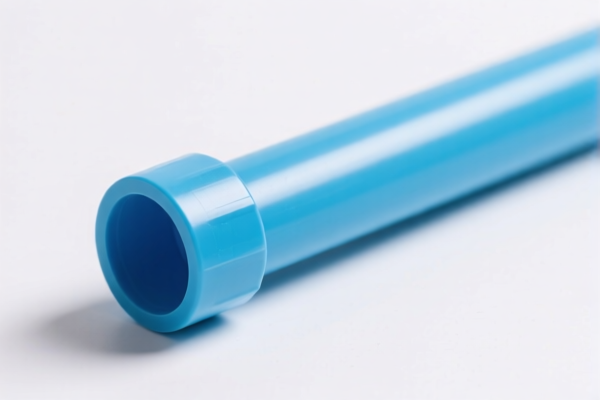
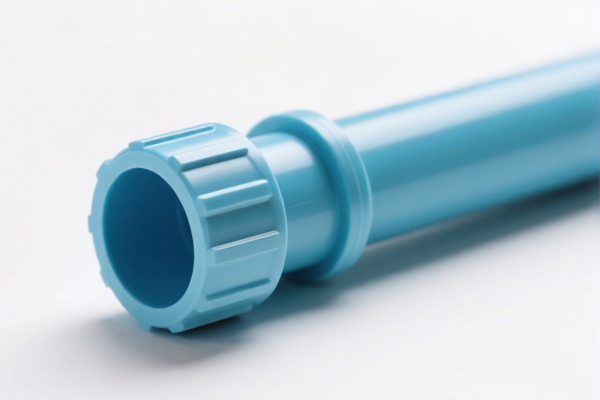
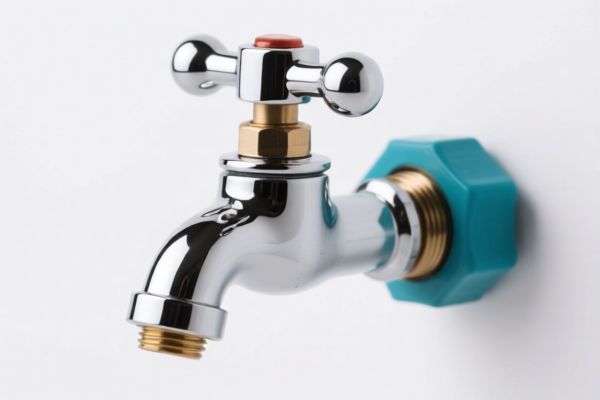

AI Analysis
🌊 Water Hose (Flexible Tubing for Water Conveyance)
🌐 HS Code & Tariff Guide | 2026 Customs Classification & Duty Breakdown | Expert Clearance Strategy
📌 One Product, Multiple Classifications — Know the Difference to Avoid 45%+ Tariff Traps!
📦 一、Product Definition & Classification: What Exactly Is a "Water Hose"?
A water hose is a flexible tube designed to convey water under pressure, commonly used in residential, agricultural, industrial, and firefighting applications. In international trade, its classification depends on material, construction, and intended use.
⚠️ Critical Distinction: - Rubber or synthetic elastomer-based hoses → Classified under 4009.11.00.00 or 4009.12.00.50 - Plastic (e.g., PVC, HDPE) hoses → Classified under 3917.23.00.00 or 3917.29.00.90 - Metal (steel/iron) hoses or fittings → May fall under 7326.90.86.88
🔍 Key Insight:
The material determines the HS Code — not the name “water hose” alone. Misclassification leads to overpayment, delays, or penalties.
📊 二、HS Code Classification Table (2026 Official Tariff Authority)
| HS Code | Product Description | Material | Key Features | Use Case |
|---|---|---|---|---|
4009.11.00.00 |
Rubber or vulcanized rubber tubes, for water supply | Rubber (natural/synthetic) | Tube shape, flexible, used for water conveyance | Garden hoses, industrial water lines |
4009.12.00.50 |
Other rubber or vulcanized rubber tubes, for water | Sulfur-vulcanized rubber | Durable, high-pressure resistant | Fire hoses, heavy-duty water systems |
3917.23.00.00 |
Plastic tubes, made from chlorinated vinyl polymers (e.g., PVC) | PVC (Polyvinyl Chloride) | Rigid-flexible, chemical-resistant, low-cost | Irrigation, plumbing, household hoses |
3917.29.00.90 |
Other plastic tubes, not specified elsewhere | General plastic (PVC, HDPE, etc.) | Non-specific plastic material | General-purpose water conveyance |
7326.90.86.88 |
Other articles of iron or steel, not specified | Iron/Steel | Manual tools or fittings, non-standard | Metal water couplings, adapters, fittings |
📌 Pro Tip:
- If it’s flexible, soft, and made of rubber, it’s 4009.11/12
- If it’s rigid, stiff, and made of plastic, it’s 3917.23/29
- If it’s metal, threaded, or used as a connector, it’s 7326.90.86.88
💰 三、2026 U.S. Tariff Breakdown (With Full Legal Basis)
✅ Applicable Country: United States (US)
✅ Origin: China (CN)
✅ Effective Date: November 10, 2025 (including future imports)
🎯 1. 4009.11.00.00 — Rubber Water Hoses (Tubular, Flexible)
| Item | Detail |
|---|---|
| Base Duty | 2.5% (ad valorem) |
| Section 301 (USITC) Additional Duty | +25.0% |
| Section 122 (IEEPA) Additional Duty | +10.0% |
| Total Effective Duty | 37.5% |
| Tax Calculation | CIF Value × 37.5% |
| De Minimis Exemption? | ❌ No (denied under 9903.88.01) |
| Legal Basis Path | IEEPA:9903.01.25 → IEEPA:9903.01.24 → USITC:4009.11.00.00 → FOOTNOTE:9903.88.01 |
📌 Explanation: - 25% USITC = From Section 301 of the U.S. Trade Act (China-specific tariffs) - 10% IEEPA = From International Emergency Economic Powers Act (applies to goods from China/Hong Kong) - Total = 37.5% — High-risk category for rubber hoses
🎯 2. 4009.12.00.50 — Vulcanized Rubber Tubes (High-Pressure Use)
| Item | Detail |
|---|---|
| Base Duty | 2.5% |
| Section 301 (USITC) Additional Duty | +7.5% |
| Section 122 (IEEPA) Additional Duty | +10.0% |
| Total Effective Duty | 20.0% |
| Tax Calculation | CIF × 20.0% |
| De Minimis Exemption? | ❌ No |
| Legal Basis Path | IEEPA:9903.01.25 → IEEPA:9903.01.24 → USITC:4009.12.00.50 → FOOTNOTE:9903.88.01 |
📌 Key Difference: - Lower USITC duty (7.5%) vs. 25% in 4009.11 → likely due to use case (e.g., fire hoses) - Still subject to 10% IEEPA and no de minimis
🎯 3. 3917.23.00.00 — PVC/Chlorinated Vinyl Plastic Hoses
| Item | Detail |
|---|---|
| Base Duty | 3.1% |
| Section 301 (USITC) Additional Duty | +25.0% |
| Section 122 (IEEPA) Additional Duty | +10.0% |
| Total Effective Duty | 38.1% |
| Tax Calculation | CIF × 38.1% |
| De Minimis Exemption? | ❌ No |
| Legal Basis Path | IEEPA:9903.01.25 → IEEPA:9903.01.24 → USITC:3917.23.00.00 → FOOTNOTE:9903.88.01 |
📌 Note: - Higher base duty (3.1%) due to plastic content - Same 25% USITC + 10% IEEPA → Total 38.1% - PVC hoses are among the most taxed in this category
🎯 4. 3917.29.00.90 — Other Plastic Tubes (General Use)
| Item | Detail |
|---|---|
| Base Duty | 3.1% |
| Section 301 (USITC) Additional Duty | +25.0% |
| Section 122 (IEEPA) Additional Duty | +10.0% |
| Total Effective Duty | 38.1% |
| Tax Calculation | CIF × 38.1% |
| De Minimis Exemption? | ❌ No |
| Legal Basis Path | IEEPA:9903.01.25 → IEEPA:9903.01.24 → USITC:3917.29.00.90 → FOOTNOTE:9903.88.01 |
📌 Important: - Same rate as 3917.23.00.00 — no distinction between PVC and other plastics - Even if made of HDPE or LDPE, if not specified, it falls under this high-tax code
🎯 5. 7326.90.86.88 — Iron/Steel Manual Tools (Non-Specific)
| Item | Detail |
|---|---|
| Base Duty | 2.9% |
| Section 301 (USITC) Additional Duty | +25.0% |
| Section 122 (IEEPA) Additional Duty | +10.0% |
| Steel/Aluminum/Copper Additional Duty | +50.0% (from IEEPA:9903.01.24) |
| Total Effective Duty | 87.9% |
| Tax Calculation | CIF × 87.9% |
| De Minimis Exemption? | ❌ No |
| Legal Basis Path | IEEPA:9903.01.25 → IEEPA:9903.01.24 → USITC:7326.90.86.88 → FOOTNOTE:9903.88.01 |
⚠️ WARNING: - This is the highest tariff in the list — 87.9% - Applies only if the hose is metal and used as a tool/fitting - Do NOT classify plastic/rubber hoses here — huge risk of overpayment
🛠️ 四、Clearance Best Practices (Pro Tips to Avoid Penalties)
✅ 1. Essential Documents (Must-Have)
| Document | Required? | Why It Matters |
|---|---|---|
| ✅ Product Specifications | ✔️ | Material, diameter, pressure rating, length |
| ✅ Material Certificate (e.g., PVC/Rubber) | ✔️ | Prove material type for correct HS Code |
| ✅ Product Photos (with labels) | ✔️ | Show shape, connectors, markings |
| ✅ Test Reports (e.g., ASTM, ISO) | ✔️ | Prove compliance with standards |
| ✅ Commercial Invoice | ✔️ | Must state: "Water Hose, PVC/Rubber, for irrigation" |
| ✅ Certificate of Origin (CO) | ✔️ | Critical for tariff eligibility |
| ✅ Packing List | ✔️ | Show total quantity, weight, packaging |
✅ 2.申报技巧(Key Rules)
🔥 “Material First, Name Second — Rubber ≠ Plastic, Plastic ≠ Metal!”
| Scenario | Correct HS Code | Wrong Code | Risk |
|---|---|---|---|
| Rubber hose, flexible, garden use | 4009.11.00.00 |
3917.23.00.00 |
+1.6% duty + 25% USITC + 10% IEEPA → 37.5% vs 38.1% |
| PVC hose, 1-inch diameter | 3917.23.00.00 |
4009.11.00.00 |
Mistake → higher duty & audit risk |
| Metal coupling (not hose) | 7326.90.86.88 |
4009.11.00.00 |
87.9% vs 37.5% → 50% extra tax! |
✅ 3. Special Cases & Solutions
| Situation | Recommended Action |
|---|---|
| Mixed materials (e.g., rubber body + metal end) | Classify by dominant material → If rubber is >50%, use 4009.11 |
| Hose with built-in valve or connector | Still classified as hose → Use 4009.11 or 3917.23 |
| Hose used in firefighting | May qualify for lower USITC rate → Submit proof of use |
| Hose for medical or food-grade use | Apply for exemption — requires FDA/USDA certification |
🌍 五、Global Market Tariff Comparison (2026)
| Country | Recommended HS Code | Duty | Certification | Notes |
|---|---|---|---|---|
| 🇺🇸 USA | 4009.11.00.00 / 3917.23.00.00 |
37.5%–38.1% | None (unless food-grade) | Highest tariffs — avoid if possible |
| 🇨🇳 China | 4009.11.00.00 |
5% | CCC | No extra duties |
| 🇪🇺 EU | 4009.11.00.00 |
0% | CE | No 301/IEEPA tariffs |
| 🇦🇺 Australia | 3917.23.00.00 |
5% | RCM | No extra taxes |
| 🇯🇵 Japan | 4009.11.00.00 |
0% | PSE | No附加税 |
📌 Insight:
- Only the U.S. imposes 301 + IEEPA tariffs on water hoses from China - EU, Japan, Australia, China have no additional duties — ideal for export destinations
📌 六、Common Mistakes & How to Avoid Them
❌ Mistake 1: Calling a PVC hose a "rubber hose" in invoice
👉 Result: Misclassified → 38.1% instead of 37.5% → $1,000+ extra duty on $100k shipment
❌ Mistake 2: Using 7326.90.86.88 for a plastic hose
👉 Result: 87.9% duty instead of 38.1% → Overpay by 50%+
❌ Mistake 3: Not providing material proof
👉 Result: Customs may default to highest tariff — no appeal path
✅ Correct Declaration Example:
“PVC Water Hose, 50 ft, 3/4” Diameter, for Irrigation, Made from Chlorinated Vinyl Polymer, Model XYZ, ASTM F441 Certified, Origin: China”
🎯 七、Final Verdict: Smart Classification = Smart Savings
🔹 Rubber Hose →
4009.11.00.00→ 37.5%
🔹 PVC Hose →3917.23.00.00→ 38.1%
🔹 Metal Fittings →7326.90.86.88→ 87.9% — AVOID!📌 Golden Rule:
"Material determines HS Code — not the name!"
🚀 Action Steps Now:
📞 Contact a U.S. Customs Broker + Provide product photos + Request Advance Ruling (Pre-Approval)
📂 Apply for HS Code Pre-Approval to lock in correct classification
🌐 Shift production to Vietnam/Mexico/Thailand to qualify for IEEPA exemption (0–5% duty)
✨ Professional Clearance Starts with Precision
💼 One wrong code = 50% extra cost. Get it right the first time.
📣 Don’t get caught in the tariff trap — classify like a pro!
🚀 Your water hose can be a low-cost commodity — not a tax bomb.
Customer Reviews
About HS Code Classification
The Harmonized System (HS) is an internationally standardized nomenclature developed by the World Customs Organization (WCO) to classify traded products. Over 200 countries use the HS system as the basis for customs tariffs, trade statistics, and import/export regulations.
Each HS code follows a hierarchical structure:
- Chapter (2 digits) — Broad category of goods (e.g., Chapter 84: Machinery and Mechanical Appliances)
- Heading (4 digits) — More specific grouping within the chapter
- Subheading (6 digits) — Internationally standardized breakdown, used by all WCO member countries
- National subdivisions (8-10 digits) — Country-specific extensions for further classification, such as US HTSUS 10-digit codes
Correct HS code classification is essential for smooth customs clearance, accurate duty payment, and compliance with trade regulations. Misclassification can lead to customs delays, overpayment of duties, or penalties.
When importing from CN to US, the applicable tariff rates may include:
- Most-Favored-Nation (MFN) rate — The standard duty rate applied to WTO members
- General rate — Applied to countries without trade agreements
- Trade remedy duties — Additional tariffs such as Section 301 (anti-dumping), Section 232 (national security), or countervailing duties
The information provided on this page is for reference purposes only. For official classification, please consult with your local customs authority or a licensed customs broker.