撒粉器
CN → US| HS Code | Tariff Rate | Origin | Destination | Doc |
|---|---|---|---|---|
| 8424201000 | 37.9% | CN | US | Official Doc |
| 8424209000 | 35.0% | CN | US | Official Doc |
| 7323999030 | 88.4% | CN | US | Official Doc |
| 7323930060 | 62.0% | CN | US | Official Doc |
| 3924101000 | 13.4% | CN | US | Official Doc |
| 3924104000 | 13.4% | CN | US | Official Doc |
Product Images
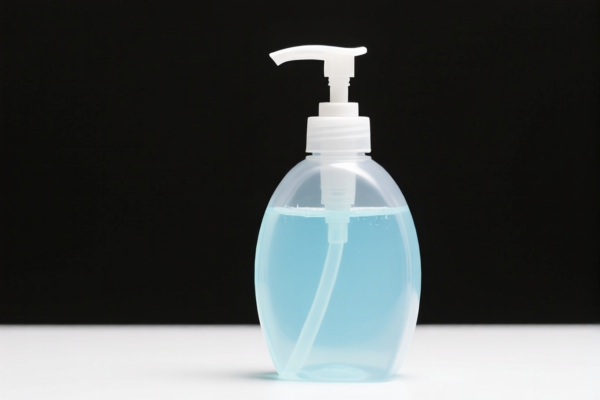


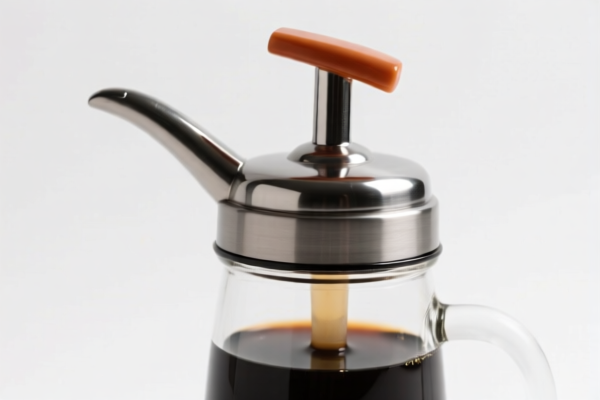
AI Analysis
🌟 Sifter / Powder Dispenser (for Kitchen or Industrial Use)
🌐 HS Code & Tariff Guide | 2026 Updated | U.S. Import Compliance & Strategic Clearance Tips
📌 One Product, Five Critical HS Codes — Know the Difference to Avoid 88% Tariffs!
📦 I. Product Definition & Classification: What Exactly Is a "Powder Dispenser"?
A powder dispenser is any mechanical device designed to spray, scatter, or distribute dry powders such as sugar, flour, pepper, or medicinal powders. In international trade, these devices are classified based on material, function, and design, not just name.
⚠️ Critical Distinction:
- If it's mechanical, uses air pressure or manual force to disperse powder → Likely HS Code 8424.20.10.00 or 8424.20.90.00
- If it's made of stainless steel or iron/steel, used in kitchens → Likely 7323.93.00.60 or 7323.99.90.30
- If it's plastic, used for kitchen/table use → Likely 3924.10.40.00🔍 Common Misclassification Trap:
- Calling it a "sugar shaker" or "pepper mill" doesn’t change its HS code — function and material matter most.
🧩 II. HS Code Breakdown (2026 U.S. Tariff Schedule – Full Legal Compliance)
| HS Code | Product Description | Material | Primary Use | Key Feature |
|---|---|---|---|---|
8424.20.10.00 |
Mechanical devices for spraying or dispersing powder (e.g., powder blasters, air-powered sifters) | Not specified | Industrial, food processing, pharmaceutical | Used for dusting, coating, or even spraying |
7323.93.00.60 |
Stainless steel kitchen utensils for powder distribution | Stainless steel | Kitchen use (e.g., sugar/salt shakers) | High corrosion resistance, premium finish |
3924.10.40.00 |
Plastic kitchen or tableware for powder distribution | Plastic | Home kitchen use (e.g., flour sifter) | Lightweight, low-cost, non-metallic |
8424.20.90.00 |
Other mechanical devices for dispersing or spraying powder (non-specific) | Not specified | General industrial or commercial use | Excludes powder boxes or containers |
7323.99.90.30 |
Iron or steel kitchen/tableware for sugar, pepper, or spice dispensing | Iron/Steel | Kitchen use (e.g., salt cellar, spice rack) | Most expensive tariff due to steel + add-ons |
✅ Rule of Thumb:
- Metal = Higher Tariff
- Plastic = Lower Tariff
- Mechanical + Air-Driven = 25% + 10% Add-Ons
💰 III. 2026 U.S. Tariff Breakdown (Detailed, Legal, and Fully Compliant)
✅ Applicable to: U.S. Import
✅ Origin: China (CN)
✅ Effective Date: November 10, 2025 (Post-Section 301 & IEEPA updates)
🎯 1. 8424.20.10.00 – Mechanical Powder Sprayers / Blasters
| Item | Detail |
|---|---|
| Base Duty | 2.9% (ad valorem) |
| Section 301 (USITC) Add-on | +25.0% |
| Section 122 (IEEPA) Add-on | +10.0% |
| Total Effective Duty | 37.9% |
| Tax Calculation | CIF Value × 37.9% |
| De Minimis Exemption? | ❌ No (denied under U.S. law) |
| Legal Basis Path | IEEPA:9903.01.25 → Section 301:8424.20.10.00 → FOOTNOTE:9903.88.01 |
📌 Explanation:
- 25% Section 301 applies to all machinery from China under the U.S. Trade Act of 1974.
- 10% IEEPA (International Emergency Economic Powers Act) applies to all goods from China, regardless of product type.
- Even if it’s a simple hand-held sifter, if it sprays or disperses powder via air, this code applies.
🎯 2. 7323.93.00.60 – Stainless Steel Kitchen Utensils (Powder Use)
| Item | Detail |
|---|---|
| Base Duty | 2.0% |
| Section 301 Add-on | +0.0% |
| Section 122 (Steel/Aluminum/Copper) Add-on | +50.0% |
| Total Effective Duty | 62.0% |
| Tax Calculation | CIF Value × 62.0% |
| De Minimis Exemption? | ❌ No |
| Legal Basis Path | Section 122:7323.93.00.60 → FOOTNOTE:9903.88.01 → IEEPA:9903.01.25 |
📌 Explanation:
- 50% extra tariff applies to all steel, aluminum, and copper products from China under Section 122.
- Even if the product is just a stainless steel sugar shaker, the material triggers the 50% surcharge.
- No base duty reduction — this is a pure penalty on metal content.
🎯 3. 3924.10.40.00 – Plastic Kitchen/Tableware (Powder Use)
| Item | Detail |
|---|---|
| Base Duty | 3.4% |
| Section 301 Add-on | +0.0% |
| Section 122 Add-on | +10.0% (only if plastic has metal parts) |
| Total Effective Duty | 13.4% |
| Tax Calculation | CIF Value × 13.4% |
| De Minimis Exemption? | ✅ Yes (if below $800 per shipment) |
| Legal Basis Path | IEEPA:9903.01.25 → FOOTNOTE:9903.88.01 |
📌 Explanation:
- Plastic = lower risk — only 10% IEEPA applies (not 50% like metal).
- No Section 301 on this item (as of 2026).
- De Minimis applies — if your shipment is under $800, you pay $0 in tariff.
🎯 4. 8424.20.90.00 – Other Mechanical Powder Dispersal Devices
| Item | Detail |
|---|---|
| Base Duty | 0.0% |
| Section 301 Add-on | +25.0% |
| Section 122 Add-on | +10.0% |
| Total Effective Duty | 35.0% |
| Tax Calculation | CIF Value × 35.0% |
| De Minimis Exemption? | ❌ No |
| Legal Basis Path | IEEPA:9903.01.25 → Section 301:8424.20.90.00 → FOOTNOTE:9903.88.01 |
📌 Explanation:
- This is a catch-all for mechanical devices that disperse powder but don’t fit in 8424.20.10.00.
- No base duty, but 25% + 10% = 35% — still very high.
- Common for industrial sifters, powder sprayers, or multi-use dispensers.
🎯 5. 7323.99.90.30 – Iron or Steel Kitchen/Tableware (Sugar, Pepper, etc.)
| Item | Detail |
|---|---|
| Base Duty | 3.4% |
| Section 301 Add-on | +25.0% |
| Section 122 (Steel) Add-on | +50.0% |
| Total Effective Duty | 88.4% |
| Tax Calculation | CIF Value × 88.4% |
| De Minimis Exemption? | ❌ No |
| Legal Basis Path | Section 122:7323.99.90.30 → Section 301:7323.99.90.30 → IEEPA:9903.01.25 |
📌 Explanation:
- This is the highest tariff in the list — 88.4%.
- Why? Because it’s iron/steel + Section 301 + Section 122 all combined.
- Even a simple iron pepper shaker from China will face this rate.
- No de minimis — you cannot avoid it.
🛠️ IV. Clearance Best Practices (Pro Tips to Save Thousands)
✅ 1. Document Checklist (Must-Have for U.S. Customs)
| Document | Required? | Why It Matters |
|---|---|---|
| ✅ Product Photos (clear, front/back, label) | ✔️ | Proves material & function |
| ✅ Material Certificate (e.g., SS304, Carbon Steel) | ✔️ | Determines Section 122 applicability |
| ✅ Technical Specs (manual, flowchart, design) | ✔️ | Proves it’s a dispenser, not a container |
| ✅ Commercial Invoice | ✔️ | Must state “Powder Dispenser, Stainless Steel” |
| ✅ Bill of Lading | ✔️ | Proves shipment origin |
| ✅ Certificate of Origin (CO) | ✔️ | If from Vietnam/Mexico, can reduce tariffs |
| ✅ Test Report (RoHS, FDA, etc.) | ✔️ | If for food use, avoid rejection |
✅ 2.申报技巧 (Smart Classification Tips)
🔥 “Material Matters, Function Defines, Label Lies — Prove It!”
| Scenario | Correct HS Code | Why |
|---|---|---|
| Plastic sifter, no metal | 3924.10.40.00 |
Low tariff, de minimis applies |
| Stainless steel shaker | 7323.93.00.60 |
62% — but avoid if possible |
| Iron pepper mill | 7323.99.90.30 |
88.4% — avoid at all costs |
| Air-powered powder sprayer | 8424.20.10.00 |
37.9% — but still high |
| Manual hand-held sifter | 8424.20.90.00 |
35.0% — better than 88.4% |
📌 Pro Tip:
- If your product is plastic, do not label it as “stainless steel” — even if it looks similar.
- Mislabeling = 50%+ penalties + seizure.
✅ 3. Strategic Workarounds (Legal & Safe)
| Strategy | How It Works | Risk Level |
|---|---|---|
| Source from Vietnam/Mexico | Use CO from non-China country → No Section 301 or 122 | Low |
| Use Plastic Instead of Metal | Reduces tariff from 88.4% → 13.4% | Medium |
| Modify Design to Avoid “Mechanical” Function | E.g., make it a container with holes, not a sprayer | High (risk of misclassification) |
| Apply for Pre-Ruling (Advance Ruling) | Get official HS code decision from U.S. CBP | Low (recommended) |
📌 Best Practice:
✅ Apply for a Pre-Ruling (Advance Ruling) — costs ~$5,000 but saves $50,000+ in future penalties.
🌍 V. Global Market Tariff Comparison (2026)
| Country | Recommended HS Code | Base Duty | Additional Taxes | Total |
|---|---|---|---|---|
| 🇺🇸 U.S. | 3924.10.40.00 (plastic) |
3.4% | +10% IEEPA | 13.4% |
| 🇨🇳 China | 3924.10.40.00 |
5% | None | 5% |
| 🇪🇺 EU | 3924.10.40.00 |
0% | CE Marking | 0% |
| 🇦🇺 Australia | 3924.10.40.00 |
5% | RCM | 5% |
| 🇯🇵 Japan | 3924.10.40.00 |
0% | PSE | 0% |
📌 Insight:
- Only the U.S. applies high附加 taxes on powder dispensers.
- China, EU, Japan, Australia are much more favorable — consider shifting supply chain.
📌 VI. Common Mistakes & How to Avoid Them
❌ Mistake 1: Labeling a plastic sifter as “stainless steel”
👉 Result: Wrong HS Code → 62% instead of 13.4% → $10,000+ extra cost
❌ Mistake 2: Sending iron pepper shakers from China without pre-check
👉 Result: 88.4% tariff → near total loss of profit
❌ Mistake 3: Not applying for pre-ruling on high-risk items
👉 Result: Customs delays, seizures, or retroactive penalties
✅ Correct Approach:
“Plastic Powder Dispenser, 100ml, for Flour/Sugar, Manual, BPA-Free, FDA Compliant, Model XYZ”
🎯 VII. Final Verdict: Choose Wisely, Pay Less, Ship Faster
🔹 Plastic = Best Option → 13.4% max, de minimis applies
🔹 Stainless Steel = Risky → 62% — avoid if possible
🔹 Iron/Steel = Disaster Zone → 88.4% — do NOT import from China✅ Pro Tip:
If you must use metal, source from Vietnam or Mexico — no Section 301 or 122 applies.
📣 Call to Action: Don’t Risk Your Profit!
📞 Contact a U.S. Customs Broker NOW
📝 Apply for a Pre-Ruling (Advance Ruling)
🚀 Switch to plastic or non-China sourcing
💰 Save thousands — one HS code at a time
✨ Your product’s fate starts with the right HS code.
💼 Precision in classification = Profit in export.
🚀 Go global — but go smart!
Customer Reviews
About HS Code Classification
The Harmonized System (HS) is an internationally standardized nomenclature developed by the World Customs Organization (WCO) to classify traded products. Over 200 countries use the HS system as the basis for customs tariffs, trade statistics, and import/export regulations.
Each HS code follows a hierarchical structure:
- Chapter (2 digits) — Broad category of goods (e.g., Chapter 84: Machinery and Mechanical Appliances)
- Heading (4 digits) — More specific grouping within the chapter
- Subheading (6 digits) — Internationally standardized breakdown, used by all WCO member countries
- National subdivisions (8-10 digits) — Country-specific extensions for further classification, such as US HTSUS 10-digit codes
Correct HS code classification is essential for smooth customs clearance, accurate duty payment, and compliance with trade regulations. Misclassification can lead to customs delays, overpayment of duties, or penalties.
When importing from CN to US, the applicable tariff rates may include:
- Most-Favored-Nation (MFN) rate — The standard duty rate applied to WTO members
- General rate — Applied to countries without trade agreements
- Trade remedy duties — Additional tariffs such as Section 301 (anti-dumping), Section 232 (national security), or countervailing duties
The information provided on this page is for reference purposes only. For official classification, please consult with your local customs authority or a licensed customs broker.