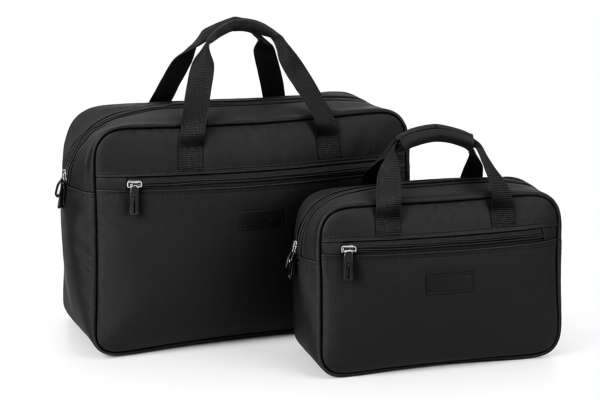
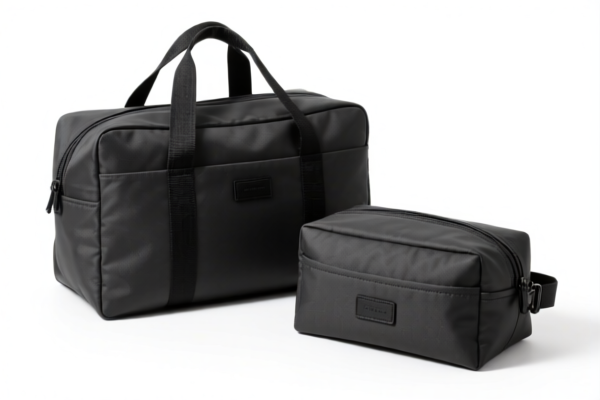
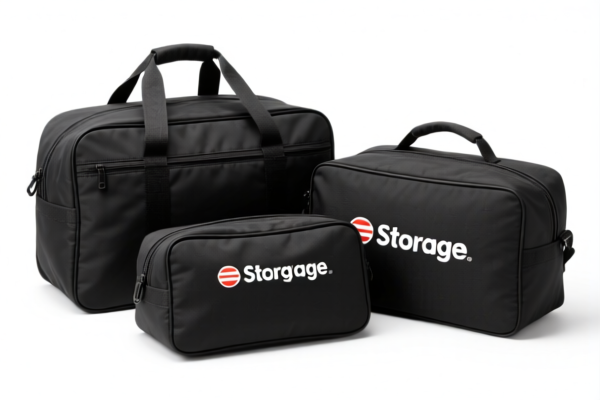
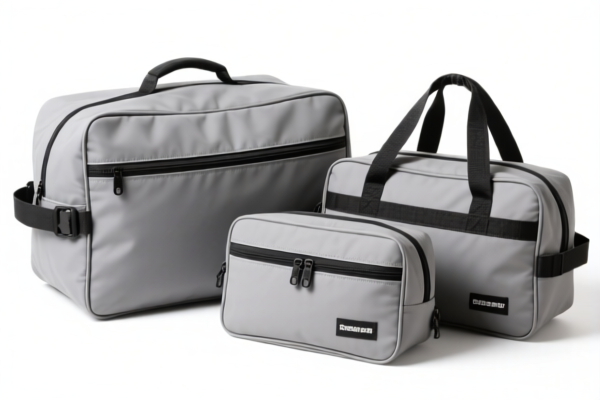
收纳包套装
CN → US| HS Code | Tariff Rate | Origin | Destination | Doc |
|---|---|---|---|---|
| 3923290000 | 38.0% | CN | US | Official Doc |
| 4202929336 | 52.6% | CN | US | Official Doc |
| 6307909891 | 24.5% | CN | US | Official Doc |
| 3923900080 | 38.0% | CN | US | Official Doc |
| 4202929100 | 52.6% | CN | US | Official Doc |
Product Images
AI Analysis
🎒 Organizer Set: Comprehensive HS Code Analysis & Clearance Strategy (2026 Tariff Edition)
🌐 HS Code Reference & Customs Clearance Guide | 2026 Tariff System Breakdown | Professional Clearance Strategy
📌 I. Product Definition & Classification: What Exactly is an "Organizer Set"?
An Organizer Set (收纳包套装) is a composite packaging solution typically consisting of multiple bags, pouches, or containers designed to store, sort, and transport personal items, tools, cosmetics, or accessories. In international trade, the classification depends on material composition, function, and intended use:
🔍 Key Classification Criteria:
- Material: Plastic, Textile (Fabric), or Mixed?
- Structure: Rigid/Soft, Foldable, Modular?
- Usage: Consumer goods, Industrial packaging, or Professional storage?
⚠️ Critical Distinction:
- Plastic-based sets (e.g., clear PVC pouches, rigid containers) → Often fall under 3923 (Plastic articles).
- Textile-based sets (e.g., fabric cosmetic bags, canvas tool rolls) → Likely 4202 (Luggage/Containers) or 6307 (Other made-up textile articles).
- Mixed-material sets → May require detailed component analysis for accurate HS Code assignment.
📦 II. HS Code Classification Breakdown (2026 Tariff System)
(Based on your provided DATA)
| HS Code | Product Description | Material | Tax Rate | Customs Interpretation |
|---|---|---|---|---|
| 3923.29.00.00 | Plastic or textile-based storage bag sets | Plastic/Textile | 38.0% | "Other plastic bags/sacks" – Non-specific plastic packaging |
| 4202.92.93.36 | Textile/Plastic sheet storage containers | Textile/Plastic | 52.6% | "Other luggage/containers" – Textile surface confirmed |
| 6307.90.98.91 | Finished consumer organizer sets | Textile/Plastic | 24.5% | "Other made-up articles" – General consumer goods category |
| 3923.90.00.80 | Plastic storage/packaging sets | Plastic | 38.0% | "Other plastic packaging" – Flexible or rigid plastic containers |
| 4202.92.91.00 | Textile-based container sets | Artificial Fiber | 52.6% | "Luggage/containers" – Man-made fiber textile requirement met |
🔍 Key Insights:
- Tax rate disparity: 24.5% (6307) vs. 52.6% (4202) – Material choice drastically impacts costs!
- Plastic sets consistently fall under 38.0% due to base tariff + Add-on taxes.
- Textile sets face higher taxes if classified as 4202 (luggage/containers) vs. 6307 (general textile goods).
💰 III. 2026 Tariff Rate Breakdown (Including Surcharges & Policy Add-ons)
✅ Applicable Country: United States (US)
✅ Origin: China (CN)
✅ Effective Date: November 10, 2025 (and subsequent imports)
🎯 1. 3923.29.00.00 – Plastic Storage Bag Sets
| Item | Content |
|---|---|
| Base Tariff | 3.0% |
| USITC Surtax | +25.0% (Section 301 Tariffs) |
| Section 122 Tariff | +10.0% (China-specific add-on) |
| Total Rate | 38.0% |
| Tax Calculation | CIF Value × 38.0% |
| De Minimis Exemption? | ❌ No (Denied) |
| Legal Pathway | Section 301 → Section 122 → 3923.29.00.00 |
📌 Explanation:
- 25% USITC Surtax is part of the Section 301 tariffs against China.
- 10% Section 122 Tariff is a China-specific add-on targeting plastic packaging.
- Total 38% is a high-cost scenario – Plan accordingly!
🎯 2. 4202.92.93.36 & 4202.92.91.00 – Textile Storage Containers
| Item | Content |
|---|---|
| Base Tariff | 17.6% |
| USITC Surtax | +25.0% |
| Section 122 Tariff | +10.0% |
| Total Rate | 52.6% |
| Tax Calculation | CIF Value × 52.6% |
| De Minimis Exemption? | ❌ No |
| Legal Pathway | Section 301 → Section 122 → 4202.92.93.36/91.00 |
📌 Critical Warning:
- 52.6% is the highest tax rate for textile organizer sets.
- Misclassification risk: If labeled as "luggage" (4202) instead of "textile goods" (6307), you pay 28.1% more!
🎯 3. 6307.90.98.91 – General Consumer Organizer Sets
| Item | Content |
|---|---|
| Base Tariff | 7.0% |
| USITC Surtax | +7.5% |
| Section 122 Tariff | +10.0% |
| Total Rate | 24.5% |
| Tax Calculation | CIF Value × 24.5% |
| De Minimis Exemption? | ❌ No |
| Legal Pathway | Section 301 → Section 122 → 6307.90.98.91 |
📌 Strategic Insight:
- 6307 offers the lowest tax burden (24.5%) – Aim for this classification if possible!
- Requirement: Must be "finished consumer goods" (not industrial packaging).
🛠️ IV. Customs Clearance Practical Guide (Step-by-Step)
✅ 1. Document Checklist (Non-Negotiable)
| Document | Required? | Why? |
|---|---|---|
| Product Specifications | ✔️ | Clarifies material, function, and usage |
| Material Composition Report | ✔️ | Proves textile vs. plastic ratio |
| Product Photos (Labeled) | ✔️ | Shows "finished consumer set" status |
| Third-Party Test Reports | ✔️ | RoHS, REACH, or FDA (if applicable) |
| Commercial Invoice | ✔️ | Must state "Organizer Set" + HS Code |
| Country of Origin Certificate | ✔️ | Avoids extra surcharges if non-China |
| Packing List | ✔️ | Proves "set" integrity (no splitting) |
✅ 2. Declaration Tips (Key Mantras)
🔥 "Material First, Function Second, Name Precise, Tax Saved!"
| Scenario | Correct Declaration | Wrong Practice |
|---|---|---|
| Textile + Plastic Mixed Set | Declare as 6307.90.98.91 ("Consumer Organizer") | Split as "Textile Bags" + "Plastic Containers" → 52.6% + 38% = 90.6%! |
| All-Textile Set | Use 4202.92.91.00 or 6307.90.98.91 (if consumer) | Mislabel as "Plastic" → 38% (wrong) |
| All-Plastic Set | Use 3923.29.00.00 or 3923.90.00.80 | Call it "Textile" → 52.6% (wrong) |
✅ 3. Special Cases Handling
| Scenario | Recommendation |
|---|---|
| OEM Custom Sets | Provide design specs + client order → Avoid "non-standard" penalties |
| Modular Sets (e.g., Travel Kits) | Declare as single set → Never split components |
| Sets with Electronics (e.g., Heated Pouches) | Separate electronic parts → Tax applies only to textile/plastic |
| Industrial vs. Consumer Use | Consumer = 6307 (24.5%); Industrial = 3923/4202 (38–52.6%) |
🌍 V. Global Market Clearance Comparison (2026)
| Country/Region | Recommended HS Code | Tax Rate | Certification | Notes |
|---|---|---|---|---|
| 🇺🇸 USA | 6307.90.98.91 |
24.5% | RoHS + REACH | Highest risk for misclassification |
| 🇨🇳 China | 6307.90.98.91 |
7.0% | CCC + RoHS | No add-ons – Ideal for domestic |
| 🇪🇺 EU | 6307.90.98.91 |
0% | CE + EPR | No 301/122 taxes |
| 🇦🇺 Australia | 6307.90.98.91 |
5% | RCM | No surcharges |
| 🇯🇵 Japan | 6307.90.98.91 |
0% | PSE | No add-ons |
📌 Conclusion:
- USA is the most expensive market for organizer sets due to Section 301 + 122 tariffs.
- Avoid US imports if possible, or optimize classification to 6307 (24.5% vs. 52.6%).
- Diversify supply chains (Vietnam, Mexico) for tariff exemptions.
📌 VI. Common Mistakes & Pitfalls (Learn from Others' Pain)
❌ Mistake 1: Declaring a textile-plastic mix as plastic only → 38% (correct) vs. 52.6% (wrong if textile >50%).
❌ Mistake 2: Calling a consumer set "industrial packaging" → 38–52.6% vs. 24.5%.
❌ Mistake 3: Splitting a set into individual components → Multiple high tariffs (e.g., 38% + 52.6%).
❌ Mistake 4: Using vague terms like "Bag" or "Case" → Customs uncertainty → Delays + Penalties.
✅ Best Practice:
"Textile & Plastic Organizer Set (Consumer Use), Model XYZ, 5-piece Travel Kit, RoHS/REACH Compliant"
🎯 VII. Final Recommendations: Smart Declaring = Big Savings!
🎯 Key Mantra:
🔹 "Material First, Function Second, 6307 is King, 4202 is Queen, 3923 is Kingmaker!"
🔹 "HS Code decides your fate: 24.5% vs. 52.6% = 28.1% difference per $1000!"
📌 Pro Tip:
If your organizer sets are originally from Vietnam, Mexico, Thailand, or Malaysia, you may qualify for IEEPA exemptions → 0%–5% tax!
→ Apply for Advance Rulings to lock in the best classification before shipping.
📣 Take Action Now:
📞 Contact a licensed customs broker + Submit product photos + Request HS Code Pre-Ruling
🚀 Ensure smooth clearance, maximize profits, and minimize tax headaches!
✨ Precision in Classification = Precision in Profit!
💼 Every cent of your tax cost deserves exact calculation!
(Note: All data based on 2026 US Tariff System + Section 301/122 Add-ons. Always verify with current CBP rulings.)
Customer Reviews
About HS Code Classification
The Harmonized System (HS) is an internationally standardized nomenclature developed by the World Customs Organization (WCO) to classify traded products. Over 200 countries use the HS system as the basis for customs tariffs, trade statistics, and import/export regulations.
Each HS code follows a hierarchical structure:
- Chapter (2 digits) — Broad category of goods (e.g., Chapter 84: Machinery and Mechanical Appliances)
- Heading (4 digits) — More specific grouping within the chapter
- Subheading (6 digits) — Internationally standardized breakdown, used by all WCO member countries
- National subdivisions (8-10 digits) — Country-specific extensions for further classification, such as US HTSUS 10-digit codes
Correct HS code classification is essential for smooth customs clearance, accurate duty payment, and compliance with trade regulations. Misclassification can lead to customs delays, overpayment of duties, or penalties.
When importing from CN to US, the applicable tariff rates may include:
- Most-Favored-Nation (MFN) rate — The standard duty rate applied to WTO members
- General rate — Applied to countries without trade agreements
- Trade remedy duties — Additional tariffs such as Section 301 (anti-dumping), Section 232 (national security), or countervailing duties
The information provided on this page is for reference purposes only. For official classification, please consult with your local customs authority or a licensed customs broker.