杯垫防滑垫
CN → US| HS Code | Tariff Rate | Origin | Destination | Doc |
|---|---|---|---|---|
| 3924104000 | 13.4% | CN | US | Official Doc |
| 3924901050 | 13.3% | CN | US | Official Doc |
| 6912004810 | 19.8% | CN | US | Official Doc |
| 4420110010 | 13.2% | CN | US | Official Doc |
| 4420110090 | 13.2% | CN | US | Official Doc |
Product Images
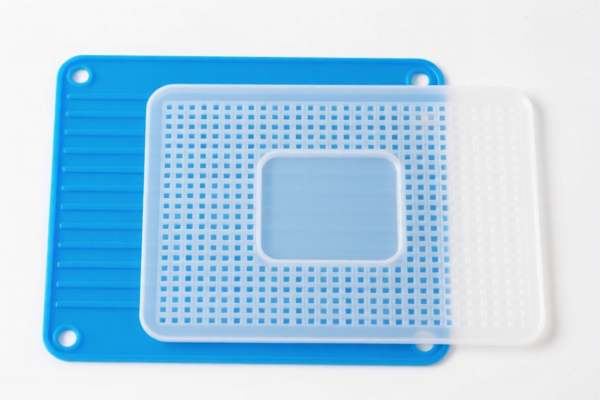
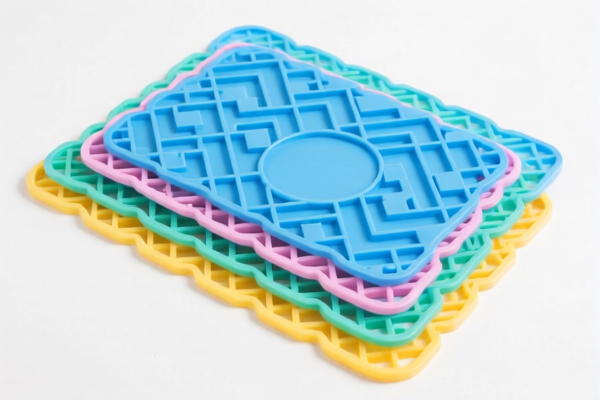
AI Analysis
🍵 Coasters & Non-Slip Mats (Table Accessories)
🌐 HS Code Reference & Customs Clearance Guide | 2026 Updated Tariff Analysis | Pro-Level Import Strategy
📌 One, Product Definition & Classification: What Exactly Is a Coaster?
A coaster (or non-slip mat) is a small, flat item placed under cups, mugs, or glasses to protect surfaces from heat, moisture, and scratches. While seemingly simple, coasters vary widely in material, function, and intended use, leading to different HS Code classifications and very different tariffs.
⚠️ Key Classification Factors: - Material: Plastic, wood, bamboo, ceramic, resin, rubber, or composite - Function: Heat/liquid protection, anti-slip, decorative, or multi-use - Design: Flat, raised, textured, or with integrated grip features - Usage: Kitchen, dining table, office, bar, or general home use
📌 Critical Insight:
- Plastic coasters used for table protection are NOT the same as wooden coasters used in kitchenware — they fall under different HS Codes with different tax rates. - Even "anti-slip" features can change classification if they’re part of a functional design (e.g., rubber base, textured surface).
📦 Two, HS Code Classification Breakdown (2026 Official Tariff Mapping)
| HS Code | Product Description | Material & Use Case | Tax Rate | Key Notes |
|---|---|---|---|---|
3924.10.40.00 |
Furniture coasters, plastic, for tableware/home use | Plastic, decorative or functional, used as coaster/mats | 13.4% | Most common for mass-market plastic coasters |
3924.90.10.50 |
Furniture coasters, plastic, for table mats/mats category | Plastic, used in table mat applications (e.g., table runners, placemats) | 13.3% | Slightly lower rate due to "mats" classification |
6912.00.48.10 |
Furniture coasters, ceramic, wooden, or resin, for holding drinkware | Ceramic, wood, or resin, used to support cups/glasses | 19.8% | Highest tariff — materials are considered "furniture" |
4420.11.00.10 |
Furniture coasters, wood/bamboo, for tableware/kitchen use | Wood or bamboo, used in kitchen/dining settings | 13.2% | Common for eco-friendly or artisanal coasters |
4420.11.00.90 |
Furniture coasters, wood/bamboo, for kitchenware/utensil use | Wood/bamboo, used in kitchen utensil or cooking prep zones | 13.2% | Same rate as above — minor wording difference |
🔍 Why the difference?
- Plastic coasters → 3924 (plastics)
- Wood/bamboo coasters → 4420 (wood products)
- Ceramic/resin coasters → 6912 (ceramic/furniture)
- "Mats" vs "Coasters" matters — "table mats" can trigger lower rates due to category distinction
💰 Three, 2026 Tariff Breakdown (Detailed Tax Clauses & Legal Basis)
✅ Applicable Country: United States (US)
✅ Origin: China (CN)
✅ Effective Date: November 10, 2025 (including future imports)
🎯 1. 3924.10.40.00 — Plastic Coasters (Tableware/Home Use)
| Item | Detail |
|---|---|
| Base Tariff | 3.4% (ad valorem) |
| Additional Tariff (Section 301) | 0.0% |
| Section 122 Tariff (China Trade) | 10.0% |
| Total Tax Rate | 13.4% |
| Tax Calculation | CIF Value × 13.4% |
| De Minimis Exemption? | ❌ No (denied under US law) |
| Legal Basis Path | USITC:3924.10.40.00 → Section 122:9903.01.24 → USITC Footnote:9903.88.01 |
📌 Explanation:
- 3.4% = Standard US tariff for plastic tableware
- 10% = Section 122 (China-specific trade measure) — applies to all imports from China
- No 301 (USITC) tariff — not targeted under the 301 investigation
- Total = 13.4% — moderate but consistent for plastic items
🎯 2. 3924.90.10.50 — Plastic Coasters (Table Mats Category)
| Item | Detail |
|---|---|
| Base Tariff | 3.3% |
| Additional Tariff (Section 301) | 0.0% |
| Section 122 Tariff | 10.0% |
| Total Tax Rate | 13.3% |
| Tax Calculation | CIF × 13.3% |
| De Minimis Exemption? | ❌ No |
| Legal Basis Path | USITC:3924.90.10.50 → Section 122:9903.01.24 → USITC:9903.88.01 |
📌 Why lower than 13.4%?
- "Table mats" are classified under "other mats" (not "coasters") → slightly lower base rate - Same 10% Section 122 tariff applies - Best for plastic coasters sold as part of a table set or mat collection
🎯 3. 6912.00.48.10 — Ceramic/Wooden/Resin Coasters (Furniture Use)
| Item | Detail |
|---|---|
| Base Tariff | 9.8% |
| Additional Tariff (Section 301) | 0.0% |
| Section 122 Tariff | 10.0% |
| Total Tax Rate | 19.8% |
| Tax Calculation | CIF × 19.8% |
| De Minimis Exemption? | ❌ No |
| Legal Basis Path | USITC:6912.00.48.10 → Section 122:9903.01.24 → USITC:9903.88.01 |
📌 Why so high?
- 6912 = Ceramic tableware/furniture — higher base tariff - 10% Section 122 applies to all China-origin goods - No 301 tariff, but high base rate = 19.8% total - Most expensive — avoid this if possible
🎯 4. 4420.11.00.10 — Wooden/Bamboo Coasters (Kitchen/Dining Use)
| Item | Detail |
|---|---|
| Base Tariff | 3.2% |
| Additional Tariff (Section 301) | 0.0% |
| Section 122 Tariff | 10.0% |
| Total Tax Rate | 13.2% |
| Tax Calculation | CIF × 13.2% |
| De Minimis Exemption? | ❌ No |
| Legal Basis Path | USITC:4420.11.00.10 → Section 122:9903.01.24 → USITC:9903.88.01 |
📌 Eco-friendly advantage?
- Low base rate due to wood product classification - 10% Section 122 still applies - 13.2% total — one of the lowest for non-plastic coasters
🎯 5. 4420.11.00.90 — Wooden/Bamboo Coasters (Kitchenware/Utensil Use)
| Item | Detail |
|---|---|
| Base Tariff | 3.2% |
| Additional Tariff (Section 301) | 0.0% |
| Section 122 Tariff | 10.0% |
| Total Tax Rate | 13.2% |
| Tax Calculation | CIF × 13.2% |
| De Minimis Exemption? | ❌ No |
| Legal Basis Path | USITC:4420.11.00.90 → Section 122:9903.01.24 → USITC:9903.88.01 |
📌 Same as above — only difference is usage description ("kitchenware" vs "dining") - No impact on tariff — same rate - Best for artisans or eco-brands selling bamboo coasters
🛠️ Four, Customs Clearance Best Practices (Pro Tips to Avoid Penalties)
✅ 1. Essential Documentation (Must-Have List)
| Document | Required? | Why It Matters |
|---|---|---|
| ✅ Product Specification Sheet | ✔️ | Must state material, dimensions, intended use |
| ✅ Product Photos (with label) | ✔️ | Show material, texture, anti-slip features |
| ✅ Commercial Invoice | ✔️ | Must accurately describe as "Plastic Coaster for Tableware" or "Wooden Coaster for Kitchen Use" |
| ✅ Certificate of Origin (CO) | ✔️ | Required for Section 122 and de minimis claims |
| ✅ Third-Party Test Report | ✔️ | RoHS, REACH, or UL (if applicable) |
| ✅ Packing List | ✔️ | Show unit count, weight, packaging type |
✅ 2.申报技巧(申报口诀)
🔥 "Material First, Use Second, Name Accurate, Tax Avoids 10%!"
| Scenario | Correct HS Code | Wrong Code | Risk |
|---|---|---|---|
| Plastic coaster, used on table | 3924.10.40.00 |
6912.00.48.10 |
Tax jumps from 13.4% to 19.8% |
| Bamboo coaster, kitchen use | 4420.11.00.10 |
3924.10.40.00 |
Higher base tariff, lower rate → Worse |
| Ceramic coaster, decorative | 6912.00.48.10 |
3924.10.40.00 |
19.8% vs 13.4% → Massive cost difference |
| Plastic mat sold as coaster set | 3924.90.10.50 |
3924.10.40.00 |
13.3% vs 13.4% → Slight saving |
✅ 3. Special Cases & Solutions
| Situation | Recommended Action |
|---|---|
| Coaster with rubber base | Still plastic → use 3924 codes |
| Wooden coaster with paint | Still 4420 → not "furniture" unless carved |
| Resin coaster with metal inlay | Material = resin → use 6912 if resin-based, 3924 if plastic-based |
| Set of 6 coasters in box | Declare as one unit — don’t split |
| Custom-designed coaster | Provide design drawings to avoid "non-standard" classification |
🌍 Five, Global Market Comparison (2026)
| Country | Recommended HS Code | Tariff | Certification | Notes |
|---|---|---|---|---|
| 🇺🇸 USA | 3924.10.40.00 |
13.4% | FCC, RoHS | 10% Section 122 applies |
| 🇨🇳 China | 3924.10.40.00 |
5% | CCC | No extra tariffs |
| 🇪🇺 EU | 3924.10.40.00 |
0% (if CE) | CE | No 122 tariff |
| 🇦🇺 Australia | 3924.10.40.00 |
5% | RCM | No extra tax |
| 🇯🇵 Japan | 3924.10.40.00 |
0% | PSE | No 122 tariff |
📌 Insight:
- USA is the only market with 10% Section 122 tariff
- China, EU, Japan, Australia have no extra tariffs on plastic coasters
- Best to avoid US if you can’t absorb 13.4%+
📌 Six, Common Mistakes & How to Avoid Them (Avoid Costly Errors!)
❌ Mistake 1: Calling a ceramic coaster a "plastic coaster"
👉 Result: 19.8% vs 13.4% → 6.4% extra tax per unit
❌ Mistake 2: Using 4420 for plastic coasters
👉 Result: Incorrect classification → penalties + delays
❌ Mistake 3: Not including material in invoice
👉 Result: Customs can reclassify → higher tax
❌ Mistake 4: Using "coaster" as generic term without material/usage
👉 Result: Unclear HS Code → delayed release
✅ Correct Declaration Example:
"Plastic Coaster, 4-inch round, non-slip base, for tableware use, 6 pcs per pack, Brand XYZ"
🎯 Seven, Conclusion: Smart Classification = Lower Costs & Faster Clearance
🎯 Remember the Rule of 3:
🔹 Material First → Plastic? →
3924
🔹 Wood/Bamboo? →4420
🔹 Ceramic/Resin? →6912
🔹 Use Case Matters → "kitchen" vs "table" vs "mats"🔹 Section 122 Tariff (10%) applies to ALL China-origin goods — no exceptions
🔹 No de minimis exemption — even small shipments pay full rate
🔹 Plastic coasters are cheapest — 13.2%–13.4%
🔹 Ceramic = most expensive — 19.8%
📌 Pro Tip:
If your coasters are made in Vietnam, Mexico, Thailand, or Malaysia, you may qualify for Section 122 exemption → 0% extra tariff
✅ Apply for Advance Ruling (Pre-Approval) before shipping!
📣 Take Action Now:
📞 Contact a customs broker + provide product photos + specs
🚀 Get HS Code pre-approval → avoid delays, save 6%+ in taxes
✨ Smart Classification Starts Here!
💼 Your profit margin depends on the right HS Code. Choose wisely.
Customer Reviews
About HS Code Classification
The Harmonized System (HS) is an internationally standardized nomenclature developed by the World Customs Organization (WCO) to classify traded products. Over 200 countries use the HS system as the basis for customs tariffs, trade statistics, and import/export regulations.
Each HS code follows a hierarchical structure:
- Chapter (2 digits) — Broad category of goods (e.g., Chapter 84: Machinery and Mechanical Appliances)
- Heading (4 digits) — More specific grouping within the chapter
- Subheading (6 digits) — Internationally standardized breakdown, used by all WCO member countries
- National subdivisions (8-10 digits) — Country-specific extensions for further classification, such as US HTSUS 10-digit codes
Correct HS code classification is essential for smooth customs clearance, accurate duty payment, and compliance with trade regulations. Misclassification can lead to customs delays, overpayment of duties, or penalties.
When importing from CN to US, the applicable tariff rates may include:
- Most-Favored-Nation (MFN) rate — The standard duty rate applied to WTO members
- General rate — Applied to countries without trade agreements
- Trade remedy duties — Additional tariffs such as Section 301 (anti-dumping), Section 232 (national security), or countervailing duties
The information provided on this page is for reference purposes only. For official classification, please consult with your local customs authority or a licensed customs broker.