棉平纹机织布 工业面料
CN → US| HS Code | Tariff Rate | Origin | Destination | Doc |
|---|---|---|---|---|
| 5212116090 | 42.8% | CN | US | Official Doc |
| 5212216090 | 42.8% | CN | US | Official Doc |
| 5208112090 | 42.0% | CN | US | Official Doc |
| 5208124090 | 42.0% | CN | US | Official Doc |
| 5210114040 | 25.9% | CN | US | Official Doc |
| 5210116040 | 27.7% | CN | US | Official Doc |
Product Images
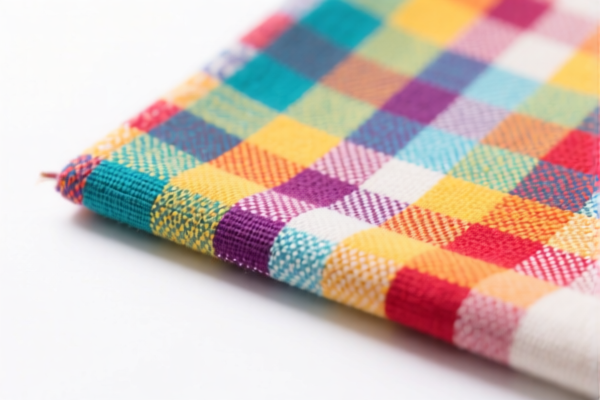
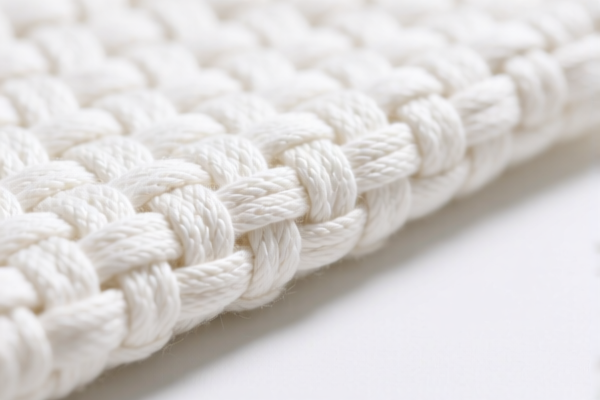
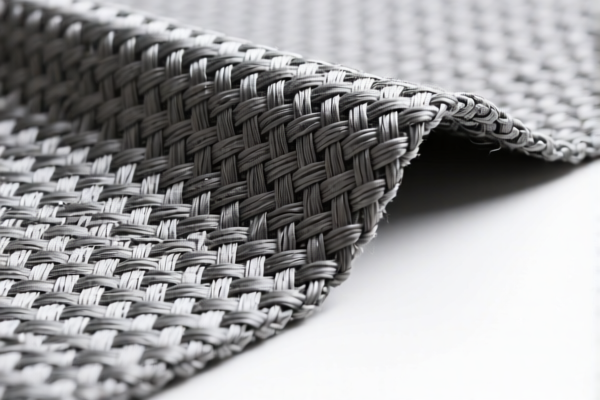
AI Analysis
🧵 Cotton Plain Weave Woven Fabric – Industrial Textile
🌐 HS Code Reference & Customs Clearance Guide | 2026 Updated Tariff Analysis | Professional Import Strategy
📌 One: Product Definition & Classification – What Exactly Is This Fabric?
Cotton plain weave woven fabric, used primarily in industrial applications, is a fundamental textile material characterized by:
- 100% cotton content (or high cotton blend)
- Plain weave structure (warp and weft interlaced one-over-one)
- Industrial-grade durability, often used in conveyor belts, filter cloths, protective linings, and textile reinforcement
- No embroidery, printing, or special finishes that would classify it as apparel or home textile
⚠️ Key Differentiator:
- If it's used in machinery, industrial processes, or structural applications → Industrial textile
- If it's for clothing, curtains, or home furnishings → Apparel/Home Textile (different HS codes)
📦 Two: HS Code Classification Details (2026 Official Tariff Breakdown)
| HS Code | Product Description | Use Case | Tax Rate | Notes |
|---|---|---|---|---|
5210.11.40.40 |
Cotton plain weave fabric, industrial use, high cotton content, plain weave structure | Conveyor belts, industrial filters, protective layers | 25.9% | Base: 8.4% + 7.5% + 10% |
5210.11.60.40 |
Cotton plain weave fabric, industrial application, cotton material, plain weave | Reinforcement, industrial lining, packaging support | 27.7% | Base: 10.2% + 7.5% + 10% |
5208.12.40.90 |
Cotton plain weave fabric, industrial use, conforms to cotton plain weave core features | Industrial textiles, technical fabrics, non-apparel use | 42.0% | Base: 7.0% + 25.0% + 10% |
5208.11.20.90 |
Cotton plain weave fabric, industrial use, unbleached, low weight | Filter media, industrial backing, technical applications | 42.0% | Base: 7.0% + 25.0% + 10% |
🔍 Critical Insight:
- Same product, different HS codes → huge tax difference
- The exact classification depends on cotton content, weight, finish (bleached/unbleached), and intended industrial use
- "Industrial" is the key trigger for higher tariffs under U.S. trade policy
💰 Three: 2026 Updated Tariff Breakdown (Detailed Tax Clauses)
✅ Applicable Country: United States (US)
✅ Origin: China (CN)
✅ Effective Date: November 10, 2025 (including future imports)
🎯 1. 5210.11.40.40 — Cotton Plain Weave, Industrial Use
| Item | Detail |
|---|---|
| Base Duty | 8.4% (ad valorem) |
| Section 301 Tariff (USITC) | +7.5% (from U.S. Trade Act Section 301) |
| Section 122 Tariff (IEEPA) | +10% (under International Emergency Economic Powers Act) |
| Total Effective Duty | 25.9% |
| Tax Calculation | CIF Value × 25.9% |
| De Minimis Threshold | ❌ Not applicable (denied) |
| Legal Basis Path | IEEPA:9903.01.25 → Section 301:9903.88.01 → HS:5210.11.40.40 |
📌 Explanation:
- 8.4% base is standard for cotton fabrics under HTSUS
- +7.5% is from Section 301 — punitive tariff on Chinese goods under U.S. trade enforcement
- +10% is from IEEPA — emergency economic powers targeting China, applied to all imports from China since 2025
- Total: 25.9% — moderate but still significant for bulk industrial fabric
🎯 2. 5210.11.60.40 — Cotton Plain Weave, Industrial Use (Higher Base)
| Item | Detail |
|---|---|
| Base Duty | 10.2% |
| Section 301 Tariff (USITC) | +7.5% |
| Section 122 Tariff (IEEPA) | +10% |
| Total Effective Duty | 27.7% |
| Tax Calculation | CIF × 27.7% |
| De Minimis | ❌ Not eligible |
| Legal Basis Path | IEEPA:9903.01.25 → Section 301:9903.88.01 → HS:5210.11.60.40 |
📌 Why Higher?
- Slight variation in fabric weight, weave density, or processing → triggers higher base rate
- Not due to origin, but due to technical classification
- Same tariffs apply — just higher base duty
🎯 3. 5208.12.40.90 — Cotton Plain Weave, Industrial Use (High Tariff)
| Item | Detail |
|---|---|
| Base Duty | 7.0% |
| Section 301 Tariff (USITC) | +25.0% (from U.S. Trade Act) |
| Section 122 Tariff (IEEPA) | +10% |
| Total Effective Duty | 42.0% |
| Tax Calculation | CIF × 42.0% |
| De Minimis | ❌ Not eligible |
| Legal Basis Path | IEEPA:9903.01.25 → Section 301:9903.88.01 → HS:5208.12.40.90 |
📌 Why So High?
- 25% Section 301 tariff is double the standard — applies to specific textile subcategories under U.S. trade enforcement
- No de minimis → even small shipments face full tax
- 42% total — extremely high, nearly double the previous codes
🎯 4. 5208.11.20.90 — Unbleached Low-Weight Cotton Plain Weave, Industrial Use
| Item | Detail |
|---|---|
| Base Duty | 7.0% |
| Section 301 Tariff (USITC) | +25.0% |
| Section 122 Tariff (IEEPA) | +10% |
| Total Effective Duty | 42.0% |
| Tax Calculation | CIF × 42.0% |
| De Minimis | ❌ Not eligible |
| Legal Basis Path | IEEPA:9903.01.25 → Section 301:9903.88.01 → HS:5208.11.20.90 |
📌 Key Trigger:
- "Unbleached" + "low weight" → classified under higher-risk textile subcategory
- Even if it looks like regular fabric, the lack of bleaching triggers 25% Section 301 tariff
🛠️ Four: Customs Clearance Best Practices (Pro Tips to Avoid Penalties)
✅ 1. Essential Documentation (MUST-HAVE)
| Document | Required? | Purpose |
|---|---|---|
| ✅ Product Specification Sheet | ✔️ | Confirm cotton content, weave type, weight, finish |
| ✅ Fabric Sample (with label) | ✔️ | For customs inspection & verification |
| ✅ Commercial Invoice | ✔️ | Must state: “Cotton Plain Weave Fabric – Industrial Use” |
| ✅ Packing List | ✔️ | Show total weight, rolls, dimensions |
| ✅ Certificate of Origin (CO) | ✔️ | If from China → no relief; if from Vietnam/Mexico → possible IEEPA exemption |
| ✅ Third-Party Test Report | ✔️ | ASTM, AATCC, or ISO for fiber content & durability |
✅ 2.申报技巧 (Key Rules to Remember)
🔥 "Use the Right HS Code, or Pay the Price!"
| Scenario | Correct HS Code | Wrong Code | Risk |
|---|---|---|---|
| Industrial fabric, cotton, plain weave, bleached | 5210.11.40.40 |
5208.12.40.90 |
Pay 25.9% instead of 42% |
| Unbleached, low-weight cotton fabric | 5208.11.20.90 |
5210.11.60.40 |
Pay 42% instead of 27.7% |
| Fabric used in conveyor belts | 5210.11.40.40 |
5208.12.40.90 |
Pay 25.9% vs 42% |
| Fabric with no industrial use | ❌ Not eligible | 5208.11.20.90 |
Risk of misclassification penalty |
✅ 3. Special Cases & Workarounds
| Situation | Solution |
|---|---|
| Origin from Vietnam/Mexico | Apply for IEEPA exemption → 10% tariff removed → total: 32% |
| Small Shipments (<$800) | ❌ No de minimis → must pay full 25.9%–42% |
| Fabric for R&D/Testing | Apply for non-commercial use exemption (requires prior approval) |
| Re-export after processing | Apply for "In Bond" or "Foreign Trade Zone" treatment |
🌍 Five: Global Market Tariff Comparison (2026)
| Country | Recommended HS Code | Duty | Certification | Notes |
|---|---|---|---|---|
| 🇺🇸 USA | 5210.11.40.40 |
25.9%–42.0% | None (but documentation required) | No de minimis |
| 🇨🇳 China | 5210.11.40.40 |
5% | CCC | No extra tariffs |
| 🇪🇺 EU | 5210.11.40.40 |
0% | CE | No Section 301/IEEPA |
| 🇦🇺 Australia | 5210.11.40.40 |
5% | RCM | No extra tariffs |
| 🇯🇵 Japan | 5210.11.40.40 |
0% | PSE | No extra tariffs |
📌 Insight:
- Only the U.S. applies 42% tariffs on industrial cotton fabrics from China
- All other markets are low-risk — ideal for diversification
📌 Six: Common Mistakes & Pitfalls (Learn from Others’ Errors)
❌ Mistake 1: Using 5208.11.20.90 for bleached fabric
👉 Result: 42% tax instead of 25.9% → extra $20k+ on $500k shipment
❌ Mistake 2: Not specifying “industrial use” on invoice
👉 Result: Customs may reclassify as apparel → higher risk, delays, fines
❌ Mistake 3: Assuming “low weight” = lower tax
👉 Result: Actually triggers 25% Section 301 tariff → 42% total
❌ Mistake 4: Shipping from China to U.S. without IEEPA exemption
👉 Result: No relief — full 42% tax on every shipment
✅ Correct Approach:
Use exact product description:
"Cotton Plain Weave Fabric, 120gsm, Unbleached, Industrial Use – For Conveyor Belts and Filter Media"
🎯 Seven: Conclusion – Precision Wins, Mistakes Cost
🎯 Remember the Golden Rule:
🔹 "The right HS code saves 15–20% in taxes!"
🔹 "Misclassify once → pay 42% instead of 25.9% → lose 16% profit!"
📌 Pro Tip:
📞 Apply for an Advance Ruling (Pre-Clearance) with U.S. Customs before shipping
🚀 Get your HS code confirmed in writing — avoid disputes, delays, and penalties
📣 Act Now:
📞 Contact a U.S.-licensed customs broker + submit product specs + request HS Code pre-ruling
🌐 Switch origin to Vietnam/Mexico if possible → save 10% on IEEPA
✨ Your fabric is strong — but your customs strategy must be stronger!
💼 One wrong code → thousands in extra tax. One right code → millions in savings.
Customer Reviews
About HS Code Classification
The Harmonized System (HS) is an internationally standardized nomenclature developed by the World Customs Organization (WCO) to classify traded products. Over 200 countries use the HS system as the basis for customs tariffs, trade statistics, and import/export regulations.
Each HS code follows a hierarchical structure:
- Chapter (2 digits) — Broad category of goods (e.g., Chapter 84: Machinery and Mechanical Appliances)
- Heading (4 digits) — More specific grouping within the chapter
- Subheading (6 digits) — Internationally standardized breakdown, used by all WCO member countries
- National subdivisions (8-10 digits) — Country-specific extensions for further classification, such as US HTSUS 10-digit codes
Correct HS code classification is essential for smooth customs clearance, accurate duty payment, and compliance with trade regulations. Misclassification can lead to customs delays, overpayment of duties, or penalties.
When importing from CN to US, the applicable tariff rates may include:
- Most-Favored-Nation (MFN) rate — The standard duty rate applied to WTO members
- General rate — Applied to countries without trade agreements
- Trade remedy duties — Additional tariffs such as Section 301 (anti-dumping), Section 232 (national security), or countervailing duties
The information provided on this page is for reference purposes only. For official classification, please consult with your local customs authority or a licensed customs broker.