橡胶助剂粉末混合物
CN → US| HS Code | Tariff Rate | Origin | Destination | Doc |
|---|---|---|---|---|
| 3824994900 | 41.5% | CN | US | Official Doc |
| 4005200000 | 35.0% | CN | US | Official Doc |
| 4005100000 | 35.0% | CN | US | Official Doc |
| 3403112000 | 35.2% | CN | US | Official Doc |
| 3403115000 | 36.4% | CN | US | Official Doc |
Product Images
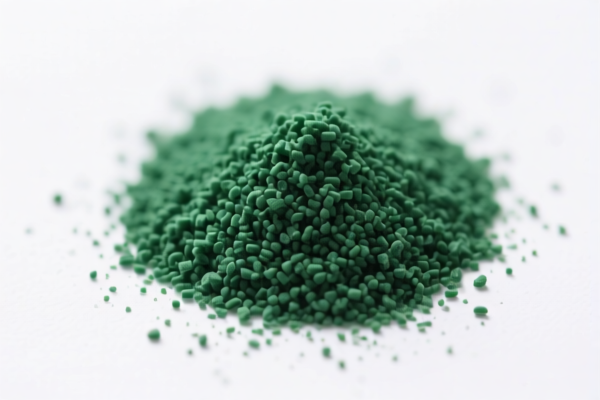
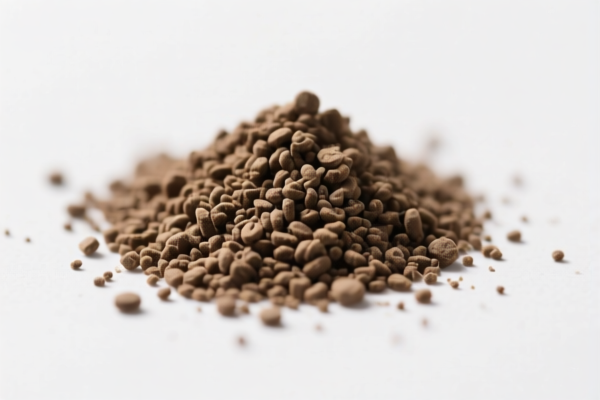
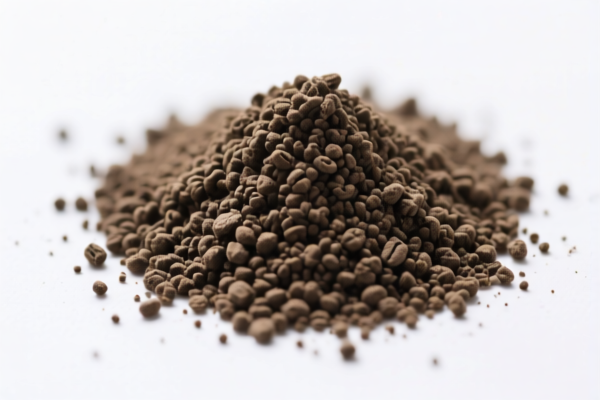
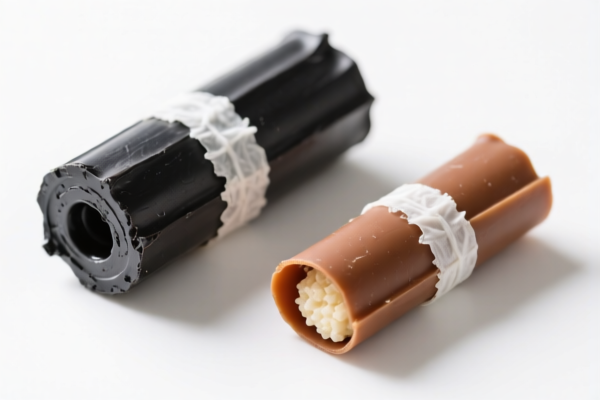
AI Analysis
🧪 Rubber Auxiliary Powder Mixtures: The Ultimate Classification & Customs Guide (2026)
🌐 HS Code Reference & Customs Clearance Strategy | 2026 Tariff Breakdown | Expert-Level Clearance Protocol
📌 I. Product Definition: Do You Really Understand "Rubber Auxiliary Powder Mixtures"?
Rubber Auxiliary Powder Mixtures are chemical blends used in rubber processing to enhance curing, elasticity, and durability. They typically contain:
- Organic hydrocarbons (e.g., accelerators, antioxidants)
- Synthetic chemical compounds (e.g., vulcanization agents)
- Inorganic fillers (e.g., silica, carbon black)
⚠️ Critical Distinction:
- Unvulcanized rubber mixes (e.g., 4005.10/4005.20) → Raw rubber compounds
- Chemical preparations (e.g., 3824.99/3403.11) → Specialized additives for rubber processing
- Mixed preparations with oil content (e.g., 3403.11) → Lubricant-based mixes
📦 II. HS Code Classification Details (2026 Tariff Authority)
| HS Code | Product Description | Application Scenario | Material State | Total Tariff |
|---|---|---|---|---|
| 3824.99.49.00 | Rubber chemical mixtures (organic hydrocarbons/synthetic) | General rubber processing additives | Chemical preparation (non-rubber) | 41.5% |
| 4005.20.00.00 | Unvulcanized rubber compounds | Pre-vulcanized rubber mixing | Rubber-based mix | 35.0% |
| 4005.10.00.00 | Unvulcanized rubber chemical blends | Rubber compounding (pre-curing) | Rubber-based mix | 35.0% |
| 3403.11.20.00 | Chemical preparations (no oil content specified) | Material processing additives | Chemical mixture | 35.2% |
| 3403.11.50.00 | Chemical preparations (material treatment) | Industrial rubber processing | Chemical mixture | 36.4% |
🔍 Key Clarifications:
- 3824.99.49.00: For non-rubber chemical mixes (e.g., organic hydrocarbons).
- 4005.10/4005.20: For unvulcanized rubber mixes (rubber-based).
- 3403.11.20/50: For chemical preparations with/without oil content.
💰 III. 2026 Tariff Breakdown (Base + Add-Ons)
✅ Applicable Country: USA
✅ Origin: China (CN)
✅ Effective Date: 2025-11-10 (plus subsequent imports)
🎯 1. 3824.99.49.00 – Rubber Chemical Mixtures (Non-Rubber)
| Item | Content |
|---|---|
| Base Tariff | 6.5% (ad valorem) |
| USITC Add-On | +25% (Section 301) |
| IEEPA Add-On | +10% (China-specific) |
| Total Tariff | 41.5% |
| Tax Calculation | CIF Value × 41.5% |
| De Minimis Exemption | ❌ Not Allowed |
| Legal Basis | IEEPA:9903.01.25 → USITC:3824.99.49.00 → FOOTNOTE:9903.88.01 |
📌 Explanation:
- "USITC 25%" = Section 301附加关税 (China-origin)
- "IEEPA 10%" = China-specific surcharge (2025-11-10+)
- 41.5% Total = Highest tariff bracket for chemical mixes!
🎯 2. 4005.20.00.00 – Unvulcanized Rubber Compounds
| Item | Content |
|---|---|
| Base Tariff | 0% |
| USITC Add-On | +25% |
| IEEPA Add-On | +10% |
| Total Tariff | 35.0% |
| Tax Calculation | CIF × 35% |
| De Minimis Exemption | ❌ Not Allowed |
| Legal Basis | IEEPA:9901.25 → USITC:4005.20.00.00 → FOOTNOTE:9903.88.01 |
📌 Note:
- Applies to unvulcanized rubber mixes (e.g., pre-curing compounds)
- "0% base" = Rubber-based, but 35% total due to Section 301 + IEEPA
🎯 3. 3403.11.20.00 – Chemical Preparations (No Oil Content)
| Item | Content |
|---|---|
| Base Tariff | 0.2% |
| USITC Add-On | +25% |
| IEEPA Add-On | +10% |
| Total Tariff | 35.2% |
| Tax Calculation | CIF × 35.2% |
| De Minimis Exemption | ❌ Not Allowed |
| Legal Basis | IEEPA:9903.01.25 → USITC:3403.11.20.00 → FOOTNOTE:9903.88.01 |
📌 Warning:
- If oil content >50%, 3403.11.50.00 applies (36.4% total)
🛠️ IV. Customs Clearance Tips (Avoid Pitfalls)
✅ 1. Document Checklist (Mandatory)
| Document | Required | Purpose |
|---|---|---|
| ✅ Product Specification Sheet | ✔️ | Lists ingredients (e.g., organic hydrocarbons, rubber base) |
| ✅ Material Safety Data Sheet (MSDS) | ✔️ | Confirms chemical composition & safety |
| ✅ Chemical Composition Report | ✔️ | Proves whether rubber-based or chemical prep |
| ✅ Third-Party Lab Test | ✔️ | ASTM/ISO certification for rubber chemicals |
| ✅ Commercial Invoice | ✔️ | Must state "Rubber Auxiliary Powder Mixture" |
| ✅ Origin Certificate (CO) | ✔️ | For non-China origin (to claim exemptions) |
| ✅ Packing List | ✔️ | Avoids拆分申报 (splitting) errors |
✅ 2. Declaration Strategy (Key Rules)
🔥 Golden Rule:
“Rubber-based = 35%, Chemical Prep = 35-41.5%, Split = 89.5%!”
| Scenario | Correct Declaration | Error → Consequence |
|---|---|---|
| Unvulcanized rubber mix | 4005.10/4005.20 |
→ 35% |
| Non-rubber chemical mix | 3824.99.49.00 |
→ 41.5% |
| Oil-based prep | 3403.11.50.00 |
→ 36.4% |
| Non-oil prep | 3403.11.20.00 |
→ 35.2% |
| Splitting mixtures | ❌ Never! | → 89.5% total! |
✅ 3. Special Cases
| Situation | Action |
|---|---|
| OEM Custom Mixes | Provide client order + formulation图纸 |
| Oil-Content Ambiguity | Submit lab test to confirm >50% oil → 3403.11.50.00 |
| Medical/Industrial Use | Request "non-commercial" exemption (需提供证明) |
| Military/Space Use | Apply for "special use" tariff reduction |
🌍 V. Global Market Comparison (2026)
| Country/Region | Recommended HS Code | Tariff | Certification | Notes |
|---|---|---|---|---|
| 🇺🇸 USA | 4005.10/4005.20 |
35% | FDA/REACH | 41.5% for chemical prep |
| 🇨🇳 China | 4005.10/4005.20 |
5% | CCC/RoHS | No add-ons |
| 🇪🇺 EU | 4005.10/4005.20 |
0% | CE/REACH | No add-ons |
| 🇦🇺 Australia | 4005.10/4005.20 |
5% | RCM | No add-ons |
| 🇯🇵 Japan | 4005.10/4005.20 |
0% | PSE | No add-ons |
📌 Conclusion:
- USA is the ONLY market with high add-ons (35-41.5%);
- China-origin mixes face 35-41.5% tariffs in the US!
📌 VI. Common Mistakes & Pitfalls
❌ Mistake 1: Declaring "Rubber Mix" as "Chemical Prep" → 41.5% vs 35%
❌ Mistake 2: Splitting "Mixtures" → 89.5% total tariff!
❌ Mistake 3: Missing oil content data → 35.2% vs 36.4%
❌ Mistake 4: Using "Rubber Chemical" as generic name → 35-41.5% confusion
✅ Correct Approach:
“Unvulcanized Rubber Compound (4005.20.00.00), 50% Natural Rubber, 50% Accelerators, ASTM D2000 Certified”
🎯 VII. Final Advice: Precision is Profit!
🎯 Remember:
🔹 “Rubber Base = 35%, Chemical Prep = 41.5%, Split = 89.5%!”
🔹 “HS Code determines tariff, 6% difference = 10,000+ USD loss!”
📌 Pro Tip:
If your mix is originating from Vietnam/Mexico/Thailand, apply for IEEPA exemptions (0-5% tariff)!
Request Advance Ruling to avoid clearance risks!
📣 Act Now:
📞 Contact a customs broker + Submit product specs + Apply for HS Code Advance Ruling
🚀 Clearance Success = Profit Maximized!
✨ Professional Clearance Starts with Accurate Classification!
💼 Every cent counts!
Customer Reviews
About HS Code Classification
The Harmonized System (HS) is an internationally standardized nomenclature developed by the World Customs Organization (WCO) to classify traded products. Over 200 countries use the HS system as the basis for customs tariffs, trade statistics, and import/export regulations.
Each HS code follows a hierarchical structure:
- Chapter (2 digits) — Broad category of goods (e.g., Chapter 84: Machinery and Mechanical Appliances)
- Heading (4 digits) — More specific grouping within the chapter
- Subheading (6 digits) — Internationally standardized breakdown, used by all WCO member countries
- National subdivisions (8-10 digits) — Country-specific extensions for further classification, such as US HTSUS 10-digit codes
Correct HS code classification is essential for smooth customs clearance, accurate duty payment, and compliance with trade regulations. Misclassification can lead to customs delays, overpayment of duties, or penalties.
When importing from CN to US, the applicable tariff rates may include:
- Most-Favored-Nation (MFN) rate — The standard duty rate applied to WTO members
- General rate — Applied to countries without trade agreements
- Trade remedy duties — Additional tariffs such as Section 301 (anti-dumping), Section 232 (national security), or countervailing duties
The information provided on this page is for reference purposes only. For official classification, please consult with your local customs authority or a licensed customs broker.