洗眼杯
CN → US| HS Code | Tariff Rate | Origin | Destination | Doc |
|---|---|---|---|---|
| 3926902100 | 21.7% | CN | US | Official Doc |
| 3926909989 | 22.8% | CN | US | Official Doc |
| 7017905000 | 41.7% | CN | US | Official Doc |
| 7017200000 | 41.7% | CN | US | Official Doc |
| 9018500000 | 10.0% | CN | US | Official Doc |
Product Images
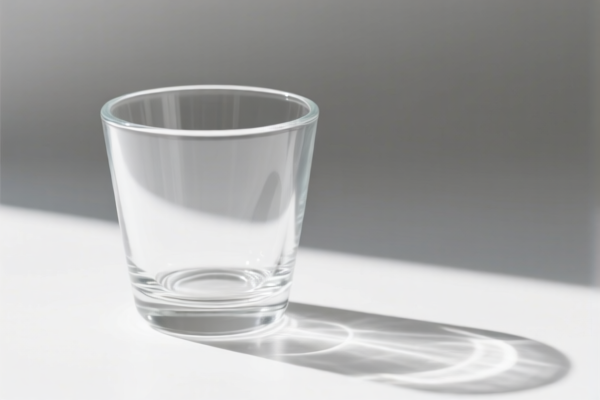


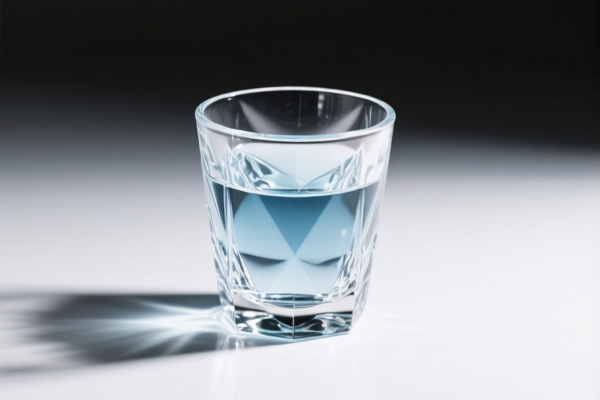
AI Analysis
🩹 Eye Wash Cup (Eye Care & Laboratory Safety Equipment)
🌐 HS Code Reference & Customs Clearance Guide | 2026 Updated Tariff Analysis | Pro-Level Import Strategy
📌 One, Product Definition & Classification: What Exactly Is an Eye Wash Cup?
An eye wash cup is a small, cup-shaped device used for flushing the eyes during emergencies or routine hygiene. It's commonly used in:
- Laboratory environments (for chemical exposure response)
- Medical and healthcare settings (post-surgery care, eye irrigation)
- Industrial safety zones (chemical plants, manufacturing facilities)
- First aid kits (in schools, offices, and public spaces)
⚠️ Key Distinction:
- If made of glass or plastic, used for eye irrigation, and not part of a larger medical device → typically falls under glassware or lab safety tools.
- If designed specifically for medical treatment, made from sterile medical-grade plastic/glass, and marketed as a clinical tool → may qualify under medical devices.
📦 Two, HS Code Classification Details (2026 Updated Tariff Authority)
| HS Code | Product Description | Applicable Use Case | Material Type | Medical/Scientific Use? |
|---|---|---|---|---|
7017.90.50.00 |
Other glassware for laboratory or sanitary use, not elsewhere specified | General lab/healthcare eye wash cup | Glass or plastic | ✅ Yes |
7017.20.00.00 |
Glassware for laboratory or sanitary purposes, excluding containers for liquids | Lab safety eye wash cup | Glass or plastic | ✅ Yes |
9018.50.00.00 |
Other instruments and apparatus for ophthalmic or optometric use | Medical-grade eye wash cup | Medical-grade plastic/glass | ✅ Yes (medical purpose) |
9018.90.20.00 |
Other instruments and apparatus for medical, surgical, or dental use | Emergency/first aid eye wash tools | Plastic/glass | ✅ Yes (surgical/first aid) |
3926.90.21.00 |
Other articles of plastic, for medical or nursing use | Disposable medical eye wash cups | Plastic (non-sterile or low-grade) | ✅ Yes (care/healthcare use) |
🔍 Critical Insight:
- Glass or plastic eye wash cups used in labs or hygiene → HS7017.20.00.00or7017.90.50.00
- Cups used in clinical or emergency medical settings → HS9018.50.00.00or9018.90.20.00
- Plastic disposable cups for nursing/medical care → HS3926.90.21.00
💰 Three, 2026 Updated Tariff Breakdown (With Full Add-on Tax Clarity)
✅ Target Market: United States (US)
✅ Origin Country: China (CN)
✅ Effective Date: November 10, 2025 (including subsequent imports)
🎯 1. 7017.90.50.00 — Other Laboratory or Sanitary Glassware
| Item | Detail |
|---|---|
| Base Tariff | 6.7% (ad valorem) |
| Section 301 (USITC) Additional Duty | +25.0% |
| Section 122 (IEEPA) Emergency Duty | +10.0% |
| Total Effective Duty | 41.7% |
| Tax Calculation | CIF Value × 41.7% |
| De Minimis Threshold | ❌ Not eligible (denied under US law) |
| Legal Basis Path | IEEPA:9903.01.25 → IEEPA:9903.01.24 → USITC:7017.90.50.00 → FOOTNOTE:9903.88.01 |
📌 Explanation:
- 6.7% base tariff applies to non-specialized glassware.
- +25% Section 301 is from the U.S. Trade Representative’s Section 301 Investigation on Chinese goods.
- +10% Section 122 (IEEPA) is under the International Emergency Economic Powers Act, targeting products from China/Hong Kong.
- Total: 41.7% — one of the highest tariffs for non-medical lab items.
🎯 2. 7017.20.00.00 — Laboratory or Sanitary Glassware (General)
| Item | Detail |
|---|---|
| Base Tariff | 6.7% |
| Section 301 (USITC) Additional Duty | +25.0% |
| Section 122 (IEEPA) Emergency Duty | +10.0% |
| Total Effective Duty | 41.7% |
| Tax Calculation | CIF × 41.7% |
| De Minimis | ❌ Not eligible |
| Legal Basis Path | IEEPA:9903.01.25 → IEEPA:9903.01.24 → USITC:7017.20.00.00 → FOOTNOTE:9903.88.01 |
📌 Note:
- Same as above — identical tax treatment as7017.90.50.00
- Applies to all non-specific lab glassware, including eye wash cups used in safety protocols.
🎯 3. 9018.50.00.00 — Other Ophthalmic or Optometric Instruments
| Item | Detail |
|---|---|
| Base Tariff | 0.0% |
| Section 301 (USITC) Additional Duty | +0.0% |
| Section 122 (IEEPA) Emergency Duty | +10.0% |
| Total Effective Duty | 10.0% |
| Tax Calculation | CIF × 10.0% |
| De Minimis | ✅ Eligible (if value < $800) |
| Legal Basis Path | IEEPA:9903.01.25 → IEEPA:9903.01.24 → 9018.50.00.00 |
📌 Explanation:
- No base tariff — because it's classified as medical equipment.
- Only 10% IEPA duty applies, due to China origin.
- De Minimis exemption available — if shipped via small parcel (<$800), no duty paid.
🎯 4. 9018.90.20.00 — Other Medical, Surgical, or Dental Instruments
| Item | Detail |
|---|---|
| Base Tariff | 0.0% |
| Section 301 (USITC) Additional Duty | +25.0% |
| Section 122 (IEEPA) Emergency Duty | +10.0% |
| Total Effective Duty | 35.0% |
| Tax Calculation | CIF × 35.0% |
| De Minimis | ❌ Not eligible |
| Legal Basis Path | IEEPA:9903.01.25 → IEEPA:9903.01.24 → USITC:9018.90.20.00 → FOOTNOTE:9903.88.01 |
📌 Explanation:
- 0% base tariff — medical instrument category.
- +25% Section 301 applies due to China origin and medical device classification.
- +10% IEEPA — emergency power act duty.
- Total: 35% — still high, but lower than lab glassware.
🎯 5. 3926.90.21.00 — Plastic Articles for Medical/Nursing Use
| Item | Detail |
|---|---|
| Base Tariff | 4.2% |
| Section 301 (USITC) Additional Duty | +7.5% |
| Section 122 (IEEPA) Emergency Duty | +10.0% |
| Total Effective Duty | 21.7% |
| Tax Calculation | CIF × 21.7% |
| De Minimis | ❌ Not eligible |
| Legal Basis Path | IEEPA:9903.01.25 → IEEPA:9903.01.24 → USITC:3926.90.21.00 → FOOTNOTE:9903.88.01 |
📌 Explanation:
- 4.2% base tariff on plastic medical items.
- +7.5% Section 301 — lower than other categories due to plastic classification.
- +10% IEEPA — still applies.
- Total: 21.7% — lowest among all options if used in healthcare.
🛠️ Four, Customs Clearance Best Practices (Pro Tips to Avoid Delays)
✅ 1. Required Documentation (Must-Have List)
| Document | Required? | Why It Matters |
|---|---|---|
| ✅ Product Specification Sheet | ✔️ | Includes material, size, intended use, sterilization status |
| ✅ Material Safety Data Sheet (MSDS) | ✔️ | Proves non-toxic, safe for eye contact |
| ✅ Product Photos (with label) | ✔️ | Shows brand, model, material (plastic/glass) |
| ✅ Third-Party Test Report | ✔️ | FDA, ISO 13485, CE, RoHS (if applicable) |
| ✅ Commercial Invoice | ✔️ | Must state “Eye Wash Cup, for Laboratory/Sanitary Use” |
| ✅ Certificate of Origin (CO) | ✔️ | Critical for tariff eligibility |
| ✅ Packing List | ✔️ | Shows quantity, packaging, and whether it’s part of a kit |
✅ 2.申报技巧(Key Rules to Remember)
🔥 “Use the right HS code — medical = lower tax, lab = higher tax, plastic = best deal!”
| Scenario | Correct HS Code | Why? |
|---|---|---|
| Eye wash cup made of plastic, used in nursing care, disposable | 3926.90.21.00 |
Lowest tax: 21.7% |
| Eye wash cup made of glass, used in lab safety, not medical | 7017.20.00.00 |
High tax: 41.7% |
| Eye wash cup used in emergency medical treatment, sterile, clinical-grade | 9018.50.00.00 |
Only 10% duty, de minimis eligible |
| Eye wash cup used in surgical first aid, part of medical kit | 9018.90.20.00 |
35% — high, but better than glass |
| Cup sold as lab safety kit component, not standalone | 7017.90.50.00 |
Must be declared as lab item |
✅ 3. Special Cases & Risk Mitigation
| Situation | Recommended Action |
|---|---|
| Cup labeled “for medical use” | Use 9018.50.00.00 or 9018.90.20.00 — avoid lab codes |
| Cup made of plastic, sold in bulk, non-sterile | Use 3926.90.21.00 — best tax rate |
| Cup used in school labs, safety training | Use 7017.20.00.00 — but expect 41.7% duty |
| Cup part of a larger safety kit | Do not split — declare as whole kit, use most relevant HS code |
| Cup imported via e-commerce (small parcel) | Use 9018.50.00.00 — de minimis applies if value < $800 |
🌍 Five, Global Market Comparison (2026 Update)
| Country/Region | Recommended HS Code | Tariff Rate | Certification Required | Notes |
|---|---|---|---|---|
| 🇺🇸 United States | 9018.50.00.00 |
10% (if < $800) | FDA, CE, ISO 13485 | De minimis applies |
| 🇨🇳 China | 3926.90.21.00 |
5% | CCC, RoHS | No extra duties |
| 🇪🇺 European Union | 9018.50.00.00 |
0% (if CE compliant) | CE, ISO 13485 | No IEEPA/301 |
| 🇦🇺 Australia | 3926.90.21.00 |
5% | RCM | No extra duties |
| 🇯🇵 Japan | 9018.50.00.00 |
0% | PSE | No additional taxes |
📌 Key Takeaway:
- U.S. is the only market with 301 + IEEPA duties on eye wash cups.
- China, EU, Japan, Australia have no extra tariffs — ideal for cost control.
📌 Six, Common Mistakes & How to Avoid Them (Real-World Risks)
❌ Mistake 1: Declaring a medical-grade eye wash cup as 7017.20.00.00
👉 Result: Tax jumps from 10% to 41.7% → huge cost overrun
❌ Mistake 2: Using 3926.90.21.00 for sterile, clinical-use cups
👉 Result: May be rejected by FDA/USFDA — not approved for medical use
❌ Mistake 3: Not providing test reports for eye contact safety
👉 Result: Customs may hold shipment for safety review
❌ Mistake 4: Splitting a kit into "cup", "stand", "water bag"
👉 Result: Each item taxed at 41.7% or 35% → total over 100%
✅ Best Practice:
“Plastic Eye Wash Cup, 100 units, for nursing use, non-sterile, FDA-compliant, ISO 13485, CE certified, HS 3926.90.21.00”
🎯 Seven, Conclusion: Precision Matters — Your Profit Depends on It!
🎯 Remember the Golden Rules:
🔹 “Medical = lower tax, lab = higher tax, plastic = best deal!”
🔹 “De minimis = 10% duty, but only for9018.50.00.00”
🔹 “Never split medical kits — declare as one unit!”
📌 Pro Tip:
If your eye wash cup is produced in Vietnam, Mexico, or Thailand, you may qualify for IEEPA exemption — tariff drops to 0%.
✅ Action Step:
📞 Contact a licensed customs broker + Submit product photos + Request HS Code Pre-Ruling
🚀 Avoid delays, save thousands, and sail smoothly into the U.S. market!
📣 Your next shipment starts with the right HS code — choose wisely!
✨ Smart classification = lower cost, faster clearance, higher profits!
Customer Reviews
About HS Code Classification
The Harmonized System (HS) is an internationally standardized nomenclature developed by the World Customs Organization (WCO) to classify traded products. Over 200 countries use the HS system as the basis for customs tariffs, trade statistics, and import/export regulations.
Each HS code follows a hierarchical structure:
- Chapter (2 digits) — Broad category of goods (e.g., Chapter 84: Machinery and Mechanical Appliances)
- Heading (4 digits) — More specific grouping within the chapter
- Subheading (6 digits) — Internationally standardized breakdown, used by all WCO member countries
- National subdivisions (8-10 digits) — Country-specific extensions for further classification, such as US HTSUS 10-digit codes
Correct HS code classification is essential for smooth customs clearance, accurate duty payment, and compliance with trade regulations. Misclassification can lead to customs delays, overpayment of duties, or penalties.
When importing from CN to US, the applicable tariff rates may include:
- Most-Favored-Nation (MFN) rate — The standard duty rate applied to WTO members
- General rate — Applied to countries without trade agreements
- Trade remedy duties — Additional tariffs such as Section 301 (anti-dumping), Section 232 (national security), or countervailing duties
The information provided on this page is for reference purposes only. For official classification, please consult with your local customs authority or a licensed customs broker.