浇水壶
CN → US| HS Code | Tariff Rate | Origin | Destination | Doc |
|---|---|---|---|---|
| 8424411000 | 35.0% | CN | US | Official Doc |
| 8424419000 | 37.4% | CN | US | Official Doc |
| 7323997000 | 65.3% | CN | US | Official Doc |
| 7323999080 | 88.4% | CN | US | Official Doc |
| 8424411000 | 35.0% | CN | US | Official Doc |
Product Images
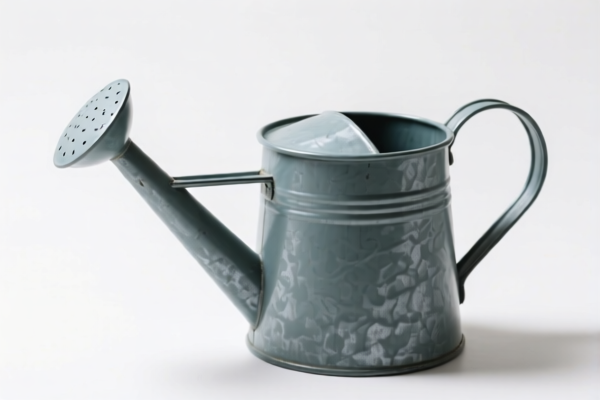
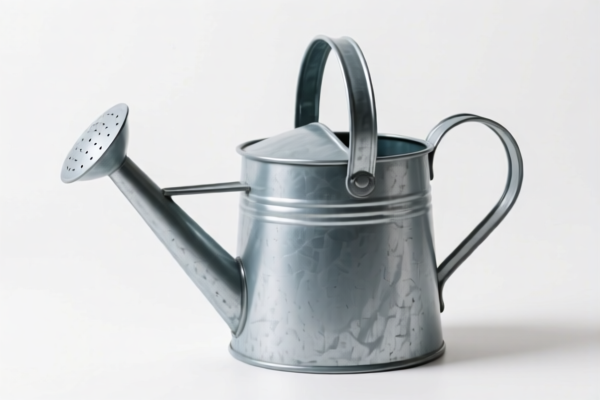
AI Analysis
🌿 Watering Can (Garden or Household Use)
🌐 HS Code Reference & Customs Clearance Guide | 2026 Updated Tariff Analysis | Professional Import Strategy
📌 One: Product Definition & Classification – What Exactly Is a "Watering Can"?
A watering can is a handheld or portable container used to irrigate plants, distribute water, or spray liquid in gardens, farms, or homes. In international trade, its classification depends on material, intended use, and functional design.
⚠️ Key Classification Triggers: - Metal construction (iron/steel) → Likely HS Code 7323.99.90.80 - Plastic or metal with non-precious coating → May fall under 7323.99.70.00 - Used for agricultural/industrial spraying → Could be 8424.41.90.00 or 8424.41.10.00 - Designed to spray/disperse liquid via nozzle → Matches sprayer/sprinkler definitions
📦 Two: HS Code Classification Breakdown (2026 Official Tariff Table)
| HS Code | Product Description | Intended Use | Material | Coating/Finish |
|---|---|---|---|---|
7323.99.90.80 |
Watering cans made of iron or steel, household use | Home gardening, indoor/outdoor plants | Iron/Steel | No precious metal coating |
8424.41.90.00 |
Sprayers, sprayers, or devices for spraying liquids | Agricultural irrigation, orchard use | Varies | Not specified |
7323.99.70.00 |
Watering cans with plastic or metal body, non-precious coating | Garden tools, household use | Plastic/Metal | Non-precious coating |
8424.41.10.00 |
Sprayers for liquids, capacity >20 liters | Large-scale farming, commercial use | Varies | Not specified |
🔍 Critical Insight: - Material matters: Steel/iron → higher risk of 122条款 (Section 122) tariffs - Use case determines function: If it sprays, it may be classified as sprayer, not just a watering can - Size matters: Over 20L → triggers 8424.41.10.00, even if it looks like a watering can
💰 Three: 2026 Updated Tariff Breakdown (Including附加 Taxes & Legal Triggers)
✅ Applicable Country: United States (US)
✅ Origin: China (CN)
✅ Effective Date: November 10, 2025 (including subsequent imports)
🎯 1. 7323.99.90.80 — Iron/Steel Watering Can (Household Use)
| Item | Detail |
|---|---|
| Base Duty | 3.4% (ad valorem) |
| Additional Tariff (Section 301) | +25.0% |
| Section 122 Tariff (Steel, Aluminum, Copper Products) | +10.0% |
| Total Effective Rate | 88.4% |
| Tax Calculation | CIF Value × 88.4% |
| De Minimis Exemption? | ❌ No (denied) |
| Legal Basis Path | USITC:7323.99.90.80 → FOOTNOTE:9903.88.01 → SECTION 122:9903.01.25 → SECTION 301:9903.88.01 |
📌 Explanation: - Section 122 (Steel/Aluminum/Copper): Applies to all steel or iron-based products, regardless of final use. - Section 301 (USITC): Targets Chinese-origin goods under trade imbalance claims. - Combined effect: 88.4% — one of the highest tariffs in the list.
🎯 2. 8424.41.90.00 — Agricultural Sprayer / Liquid Disperser
| Item | Detail |
|---|---|
| Base Duty | 2.4% |
| Additional Tariff (Section 301) | +25.0% |
| Section 122 Tariff (Steel/Aluminum/Copper) | +10.0% |
| Total Effective Rate | 37.4% |
| Tax Calculation | CIF × 37.4% |
| De Minimis Exemption? | ❌ No |
| Legal Basis Path | USITC:8424.41.90.00 → FOOTNOTE:9903.88.01 → SECTION 122:9903.01.25 → SECTION 301:9903.88.01 |
📌 Note: - Even if labeled as a "watering can", if it sprays liquid via nozzle, it may be reclassified as a sprayer. - Agricultural use triggers Section 122 if made of steel/iron.
🎯 3. 7323.99.70.00 — Plastic/Metal Watering Can (Non-Precious Coating)
| Item | Detail |
|---|---|
| Base Duty | 5.3% |
| Additional Tariff (Section 301) | 0.0% |
| Section 122 Tariff (Steel/Aluminum/Copper) | +50.0% |
| Total Effective Rate | 65.3% |
| Tax Calculation | CIF × 65.3% |
| De Minimis Exemption? | ❌ No |
| Legal Basis Path | USITC:7323.99.70.00 → SECTION 122:9903.01.25 → FOOTNOTE:9903.88.01 |
📌 Critical Warning: - Even if made of plastic, if metal parts are present (e.g., handle, spout), and not coated with precious metal, it still triggers Section 122. - 50% Section 122 tariff applies to any steel/iron components, regardless of overall material.
🎯 4. 8424.41.10.00 — Large-Scale Sprayer (>20L Capacity)
| Item | Detail |
|---|---|
| Base Duty | 0.0% |
| Additional Tariff (Section 301) | +25.0% |
| Section 122 Tariff (Steel/Aluminum/Copper) | +10.0% |
| Total Effective Rate | 35.0% |
| Tax Calculation | CIF × 35.0% |
| De Minimis Exemption? | ❌ No |
| Legal Basis Path | USITC:8424.41.10.00 → FOOTNOTE:9903.88.01 → SECTION 122:9903.01.25 → SECTION 301:9903.88.01 |
📌 Key Point: - Capacity >20L is the trigger — even if it looks like a watering can, it’s treated as industrial equipment. - No base duty, but 25% + 10% = 35% still applies.
🛠️ Four: Customs Clearance Best Practices (Pro Tips to Avoid Penalties)
✅ 1. Required Documentation (Must-Have Checklist)
| Document | Required? | Purpose |
|---|---|---|
| ✅ Product Specification Sheet | ✔️ | Detail material, size, capacity, nozzle type |
| ✅ Material Composition Report | ✔️ | Prove if steel/iron is used → triggers Section 122 |
| ✅ Product Photos (with label & nozzle) | ✔️ | Show design, capacity, use case |
| ✅ Third-Party Test Report | ✔️ | FCC, CE, RoHS (if applicable) |
| ✅ Commercial Invoice | ✔️ | Clearly state: "Watering Can for Home Use" or "Agricultural Sprayer" |
| ✅ Certificate of Origin (CO) | ✔️ | If from Vietnam/Mexico, may qualify for lower tariffs |
| ✅ Packing List | ✔️ | Show if parts are bundled (avoid split申报) |
✅ 2.申报技巧(Key Rules to Remember)
🔥 "Material First, Use Second, Size Last – One Mistake, 88% Tax!"
| Scenario | Correct HS Code | Wrong Code | Risk |
|---|---|---|---|
| Steel watering can, 5L, home use | 7323.99.90.80 |
7323.99.70.00 |
88.4% vs 65.3% → +23% tax |
| Plastic can with steel spout | 7323.99.70.00 |
7323.99.90.80 |
65.3% vs 88.4% → +23% tax |
| 30L sprayer with nozzle | 8424.41.10.00 |
7323.99.90.80 |
35% vs 88.4% → +53% tax |
| Agricultural use, steel body | 8424.41.90.00 |
7323.99.90.80 |
37.4% vs 88.4% → +51% tax |
✅ 3. Special Cases & Solutions
| Situation | Recommended Action |
|---|---|
| Watering can with steel handle/spout | Declare as 7323.99.70.00 or 7323.99.90.80 — Section 122 applies |
| Used in commercial farm, >20L | Must use 8424.41.10.00 — not a "can" anymore |
| Plastic can, no metal parts | Still check: if any metal component, even small, triggers Section 122 |
| OEM/Custom Design | Provide design drawings + material list to avoid misclassification |
| Mixed shipment (can + hose + nozzle) | Do NOT split申报 — total tax can exceed 100% |
🌍 Five: Global Market Comparison (2026 Updated)
| Country/Region | Recommended HS Code | Tariff | Certification | Notes |
|---|---|---|---|---|
| 🇺🇸 USA | 7323.99.90.80 / 8424.41.10.00 |
35%–88.4% | None (but compliance required) | High-risk due to Section 122 |
| 🇨🇳 China | 7323.99.90.80 |
5% | CCC | No extra tariffs |
| 🇪🇺 EU | 7323.99.90.80 |
0% (if CE) | CE | No Section 122 |
| 🇦🇺 Australia | 7323.99.90.80 |
5% | RCM | No extra tariffs |
| 🇯🇵 Japan | 7323.99.90.80 |
0% | PSE | No extra tariffs |
📌 Conclusion: - USA is the most aggressive market — Section 122 + Section 301 = 88.4% for steel cans. - Non-US markets are much safer — no Section 122 applies.
📌 Six: Common Mistakes & Pitfalls (Learn from Others’ Failures)
❌ Mistake 1: Declaring a steel watering can as 7323.99.70.00 (plastic-like)
👉 Result: 50% Section 122 tariff applied → 65.3% instead of 88.4%? Wait — still wrong!
✅ Fix: Use 7323.99.90.80 if iron/steel.
❌ Mistake 2: Splitting a 30L sprayer into "can", "nozzle", "hose"
👉 Result: Each part taxed at 88.4% → Total: 265%+!
❌ Mistake 3: Using “garden tool” or “plant sprayer” as product name
👉 Result: Customs reclassifies as 8424.41.10.00 → 35% instead of 88.4%? No — still higher than expected.
✅ Correct Labeling:
"Steel Watering Can, 5L, Household Use, No Precious Coating, Model XYZ, CE & RoHS Certified"
🎯 Seven: Final Verdict – How to Win the Tariff Game
🎯 Remember the Golden Rule:
🔹 "Steel? → Section 122 applies.
🔹 Sprays? → 8424.41. → 35%–37.4%.
🔹 Size >20L? → Industrial sprayer, not a can.
🔹 Split申报? → Tax explosion!"
📌 Pro Tip:
If your watering can is made in Vietnam, Mexico, or Thailand, you may qualify for IEEPA exemption — tariff drops to 0%–5%.
✅ Apply for Advance Ruling (Pre-Approval) before shipment.
📣 Take Action Now:
📞 Contact a licensed customs broker + provide product photos + material list
🚀 Apply for HS Code Pre-Approval to avoid delays, penalties, or seizure
✨ Smart Classification = Lower Costs, Faster Clearance, Higher Profits!
💼 Your product’s fate is in the HS Code — get it right the first time!
Customer Reviews
About HS Code Classification
The Harmonized System (HS) is an internationally standardized nomenclature developed by the World Customs Organization (WCO) to classify traded products. Over 200 countries use the HS system as the basis for customs tariffs, trade statistics, and import/export regulations.
Each HS code follows a hierarchical structure:
- Chapter (2 digits) — Broad category of goods (e.g., Chapter 84: Machinery and Mechanical Appliances)
- Heading (4 digits) — More specific grouping within the chapter
- Subheading (6 digits) — Internationally standardized breakdown, used by all WCO member countries
- National subdivisions (8-10 digits) — Country-specific extensions for further classification, such as US HTSUS 10-digit codes
Correct HS code classification is essential for smooth customs clearance, accurate duty payment, and compliance with trade regulations. Misclassification can lead to customs delays, overpayment of duties, or penalties.
When importing from CN to US, the applicable tariff rates may include:
- Most-Favored-Nation (MFN) rate — The standard duty rate applied to WTO members
- General rate — Applied to countries without trade agreements
- Trade remedy duties — Additional tariffs such as Section 301 (anti-dumping), Section 232 (national security), or countervailing duties
The information provided on this page is for reference purposes only. For official classification, please consult with your local customs authority or a licensed customs broker.