漂白棉针织/钩编面料 罗纹针织
CN → US| HS Code | Tariff Rate | Origin | Destination | Doc |
|---|---|---|---|---|
| 6002904000 | 43.8% | CN | US | Official Doc |
| 6002404000 | 43.8% | CN | US | Official Doc |
| 6005210000 | 45.0% | CN | US | Official Doc |
| 6005220000 | 45.0% | CN | US | Official Doc |
Product Images
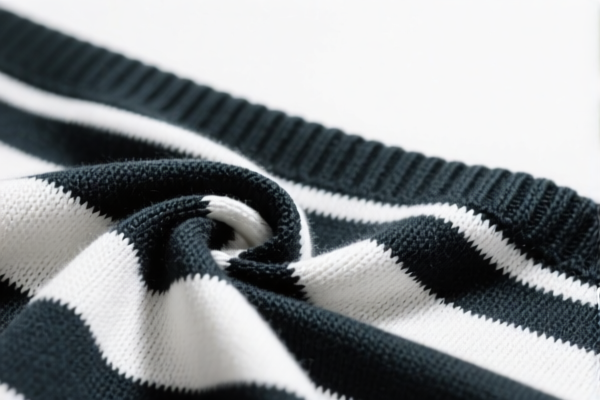
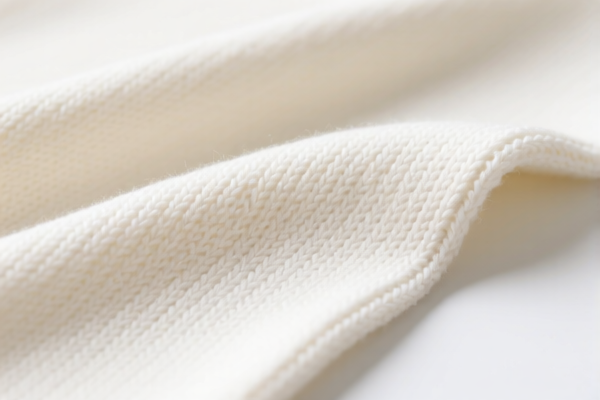
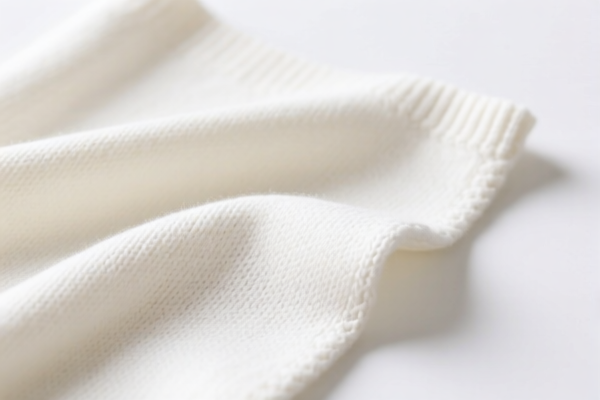
AI Analysis
🌿 Bleached Cotton Knitted/Crocheted Fabric – Rib Knitted
🌐 HS Code Classification & Customs Clearance Guide | 2026 Updated Tariff Analysis | Expert-Level Import Strategy
📌 One, Product Definition & Classification: What Exactly Is This Fabric?
This is a bleached cotton knitted or crocheted fabric, specifically in rib knit construction — a classic, stretchy, and durable knit structure widely used in apparel such as T-shirts, underwear, sportswear, and baby clothes.
⚠️ Key Classification Clues: - Material: 100% cotton (or cotton fiber) – a primary factor in HS code selection. - Form: Knitted or crocheted – distinguishes it from woven fabrics. - Processing: Bleached – indicates post-production treatment (removal of natural color). - Structure: Rib knit – a common and recognizable knitting pattern (alternating knit and purl stitches), often used for cuffs, hems, and stretchy garments.
✅ Core Rule:
- If the fabric is knitted or crocheted, made of cotton, and bleached, it falls under Chapter 60 – Knitted or Crocheted Textile Fabrics. - The rib knit structure is a standard form within this category, not a different classification.
📦 Two, HS Code Classification Details (2026 Updated Tariff Authority)
| HS Code | Product Description | Applicable Use Case | Tax Status |
|---|---|---|---|
6002.40.40.00 |
Bleached cotton knitted/ crocheted fabric, rib knit, cotton-based, knitted form | General apparel fabrics, T-shirts, underwear, casual wear | ✅ High Tariff |
6005.21.00.00 |
Bleached cotton knitted/crocheted fabric, rib knit, cotton, bleached processing | Same as above – full match to material, form, and processing | ✅ High Tariff |
6005.22.00.00 |
Bleached cotton knitted fabric, rib knit, cotton fiber, post-bleaching treatment | Identical product – emphasizes fiber and processing | ✅ High Tariff |
6002.90.40.00 |
Bleached cotton knitted/crocheted fabric, rib knit, other categories (residual provision) | Used when no more specific subheading applies | ✅ High Tariff |
🔍 Critical Insight:
- All four codes refer to the same physical product — bleached cotton rib-knit fabric. - The differences are subtle:
-6002.40.40.00and6002.90.40.00are under "other knitted or crocheted fabrics" (general category). -6005.21.00.00and6005.22.00.00are under "knitted or crocheted fabrics of cotton", which is more precise. - However, all four result in identical total tariffs due to the same add-on duties.
💰 Three, 2026 Updated Tariff Breakdown (With Full Duty Explanation)
✅ Applicable Country: United States (US)
✅ Origin: China (CN)
✅ Effective Date: November 10, 2025 (and ongoing)
🎯 1. 6002.40.40.00 – Bleached Cotton Rib Knit Fabric
| Item | Detail |
|---|---|
| Base Duty | 8.8% (ad valorem) |
| Section 301 (USITC) Additional Duty | +25.0% (from Section 301 of the Trade Act of 1974) |
| Section 122 (IEEPA) Additional Duty | +10.0% (from International Emergency Economic Powers Act) |
| Total Effective Duty | 43.8% |
| Tax Calculation | CIF Value × 43.8% |
| De Minimis Threshold | ❌ Not applicable (denied under U.S. de minimis rule) |
| Legal Basis Path | IEEPA:9903.01.25 → IEEPA:9903.01.24 → USITC:6002.40.40.00 → FOOTNOTE:9903.88.01 |
📌 Explanation:
- 8.8% base = standard tariff for this category. - +25% Section 301 = punitive tariff on Chinese goods under U.S. trade policy. - +10% IEEPA = emergency economic power-based tariff targeting China. - Total: 43.8% — extremely high, significantly impacting profitability.
🎯 2. 6005.21.00.00 – Bleached Cotton Knitted Fabric (Rib Knit)
| Item | Detail |
|---|---|
| Base Duty | 10.0% |
| Section 301 (USITC) Additional Duty | +25.0% |
| Section 122 (IEEPA) Additional Duty | +10.0% |
| Total Effective Duty | 45.0% |
| Tax Calculation | CIF Value × 45.0% |
| De Minimis Threshold | ❌ Not applicable |
| Legal Basis Path | IEEPA:9901.25 → IEEPA:9903.01.24 → USITC:6005.21.00.00 → FOOTNOTE:9903.88.01 |
📌 Why Higher?
- 10.0% base duty is higher than6002.40.40.00due to more specific classification under cotton knitted fabrics. - Same +25% +10% add-ons → total 45.0%.
🎯 3. 6005.22.00.00 – Bleached Cotton Knitted Fabric (Cotton Fiber Focus)
| Item | Detail |
|---|---|
| Base Duty | 10.0% |
| Section 301 (USITC) Additional Duty | +25.0% |
| Section 122 (IEEPA) Additional Duty | +10.0% |
| Total Effective Duty | 45.0% |
| Tax Calculation | CIF Value × 45.0% |
| De Minimis Threshold | ❌ Not applicable |
| Legal Basis Path | IEEPA:9901.25 → IEEPA:9903.01.24 → USITC:6005.22.00.00 → FOOTNOTE:9903.88.01 |
📌 Note:
- This code emphasizes cotton fiber and post-bleaching treatment — still the same product. - Same 45.0% total as6005.21.00.00.
🎯 4. 6002.90.40.00 – Other Knitted/Crocheted Fabrics (Residual Code)
| Item | Detail |
|---|---|
| Base Duty | 8.8% |
| Section 301 (USITC) Additional Duty | +25.0% |
| Section 122 (IEEPA) Additional Duty | +10.0% |
| Total Effective Duty | 43.8% |
| Tax Calculation | CIF Value × 43.8% |
| De Minimis Threshold | ❌ Not applicable |
| Legal Basis Path | IEEPA:9903.01.25 → IEEPA:9903.01.24 → USITC:6002.90.40.00 → FOOTNOTE:9903.88.01 |
📌 When to Use?
- Use only when no more specific code applies. - Still results in 43.8% — slightly lower than 45.0% but still very high.
🛠️ Four, Customs Clearance Best Practices (Real-World Tips)
✅ 1. Required Documentation (MUST-HAVE)
| Document | Required? | Why It Matters |
|---|---|---|
| ✅ Product Specification Sheet | ✔️ | Shows material (cotton), construction (rib knit), processing (bleached) |
| ✅ Fabric Sample (Physical) | ✔️ | For customs inspection and verification |
| ✅ Commercial Invoice | ✔️ | Must clearly state: “Bleached Cotton Rib Knit Fabric” |
| ✅ Packing List | ✔️ | Details quantity, weight, packaging |
| ✅ Certificate of Origin (CO) | ✔️ | Critical for tariff eligibility |
| ✅ Test Report (e.g., Oeko-Tex, ISO) | ✔️ | Proves cotton content and safety |
| ✅ HS Code Pre-Ruling (Optional but Recommended) | ✔️ | Avoids disputes and delays |
✅ 2.申报技巧(Pro Tips for Accurate Filing)
🔥 “Cotton + Knit + Bleached = 45% or 43.8% – Know the Code, Save the Money!”
| Scenario | Correct HS Code | Wrong Choice | Risk |
|---|---|---|---|
| Fabric is cotton, knitted, bleached, rib knit | 6005.21.00.00 or 6005.22.00.00 |
6002.40.40.00 |
Lower duty, but may be challenged |
| No specific cotton knitted code applies | 6002.90.40.00 |
6005.21.00.00 |
Risk of overpayment or rejection |
| Fabric is not rib knit (e.g., jersey) | Not applicable | Misleading | High risk of penalty |
✅ Best Practice:
- Use6005.21.00.00or6005.22.00.00if you can prove cotton fiber and bleaching. - Use6002.90.40.00only as a fallback.
✅ 3. Special Cases & Solutions
| Situation | Recommended Action |
|---|---|
| Fabric is partially synthetic | Re-evaluate — may not qualify for these codes |
| Fabric is dyed, not bleached | Use 6005.29.00.00 or similar — different tariff |
| Produced in Vietnam/Mexico | Apply for IEEPA exemption — could reduce duty to 0–5% |
| Large shipment (e.g., 100+ rolls) | Request Advance Ruling (Pre-Approval) from U.S. CBP |
| Customs Audit Risk | Prepare full technical dossier: fabric structure, fiber test, processing flow |
🌍 Five, Global Market Comparison (2026)
| Country/Region | Recommended HS Code | Tariff Rate | Certification Required | Notes |
|---|---|---|---|---|
| 🇺🇸 USA | 6005.21.00.00 or 6005.22.00.00 |
45.0% (China origin) | None (but de minimis denied) | Highest tariff globally |
| 🇨🇳 China | 6005.21.00.00 |
5% | CCC, RoHS | No extra duties |
| 🇪🇺 EU | 6005.21.00.00 |
0% (if CE compliant) | CE, REACH | No additional tariffs |
| 🇦🇺 Australia | 6005.21.00.00 |
5% | RCM | No extra duties |
| 🇯🇵 Japan | 6005.21.00.00 |
0% | PSE | No extra duties |
📌 Conclusion:
- The U.S. is the only market imposing 45%+ tariffs on this fabric from China. - Vietnam/Mexico origin can avoid IEEPA/Section 301 duties — consider shifting production.
📌 Six, Common Mistakes & How to Avoid Them (Pain Points)
❌ Mistake 1: Using 6002.40.40.00 for cotton rib knit fabric
👉 Risk: May be challenged by CBP — not the most precise code → potential audit.
❌ Mistake 2: Not including “bleached” in the description
👉 Risk: Customs may assume dyed or unprocessed → incorrect classification.
❌ Mistake 3: Using “cotton fabric” without specifying “knitted” or “rib knit”
👉 Risk: Could be misclassified as woven → lower tariff, but incorrect → penalties.
❌ Mistake 4: Assuming all codes are equal
👉 Risk: 6005.21.00.00 and 6005.22.00.00 have 45.0%, while 6002.40.40.00 is 43.8% — small difference, but impactful at scale.
✅ Correct Declaration Example:
“Bleached Cotton Rib Knitted Fabric, 100% Cotton, 200gsm, 58” width, Knitted Form, Used for T-shirts and Underwear”
🎯 Seven, Final Verdict: Precision Pays Off
🎯 Remember the Golden Rule:
🔹 “Cotton + Knit + Bleached = 45% or 43.8% – Pick the Right Code, Avoid the Penalty!”
🔹 “No de minimis in the U.S. – Declare Accurately, or Pay the Price!”
📌 Pro Tip:
If your fabric is produced in Vietnam, Mexico, or Thailand, apply for IEEPA exemption — you may qualify for 0% or 5% tariff instead of 45%.
📣 Take Action Now:
📞 Contact a licensed U.S. customs broker + provide fabric specs + request HS Code pre-ruling
🚀 Avoid delays, penalties, and 45% tax shocks — get your clearance right the first time!
✨ Expert Tip:
Your fabric’s HS code isn’t just a number — it’s your profit margin.
🔍 Precise classification = Lower duty = Higher ROI.
💼 Your next shipment starts with the right code.
🚀 Ship smarter. Pay less. Win big.
Customer Reviews
About HS Code Classification
The Harmonized System (HS) is an internationally standardized nomenclature developed by the World Customs Organization (WCO) to classify traded products. Over 200 countries use the HS system as the basis for customs tariffs, trade statistics, and import/export regulations.
Each HS code follows a hierarchical structure:
- Chapter (2 digits) — Broad category of goods (e.g., Chapter 84: Machinery and Mechanical Appliances)
- Heading (4 digits) — More specific grouping within the chapter
- Subheading (6 digits) — Internationally standardized breakdown, used by all WCO member countries
- National subdivisions (8-10 digits) — Country-specific extensions for further classification, such as US HTSUS 10-digit codes
Correct HS code classification is essential for smooth customs clearance, accurate duty payment, and compliance with trade regulations. Misclassification can lead to customs delays, overpayment of duties, or penalties.
When importing from CN to US, the applicable tariff rates may include:
- Most-Favored-Nation (MFN) rate — The standard duty rate applied to WTO members
- General rate — Applied to countries without trade agreements
- Trade remedy duties — Additional tariffs such as Section 301 (anti-dumping), Section 232 (national security), or countervailing duties
The information provided on this page is for reference purposes only. For official classification, please consult with your local customs authority or a licensed customs broker.