牙托
CN → US| HS Code | Tariff Rate | Origin | Destination | Doc |
|---|---|---|---|---|
| 3006400000 | 10.0% | CN | US | Official Doc |
| 3006100100 | 10.0% | CN | US | Official Doc |
| 9021294000 | 10.0% | CN | US | Official Doc |
| 3926904590 | 13.5% | CN | US | Official Doc |
| 9021298000 | 10.0% | CN | US | Official Doc |
Product Images
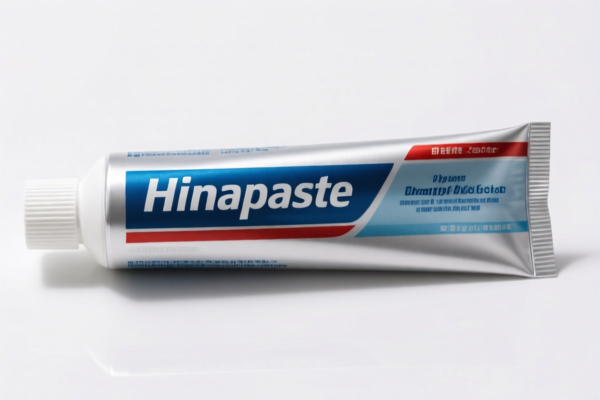
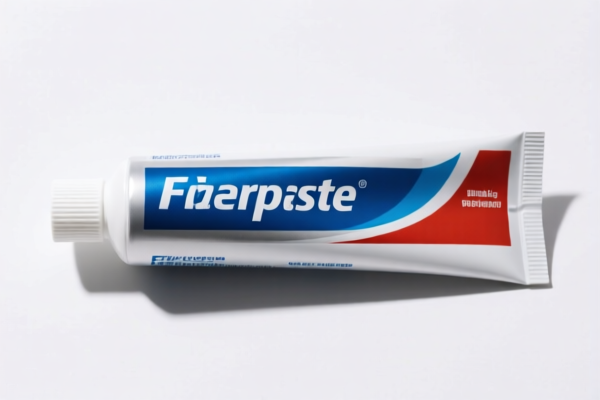
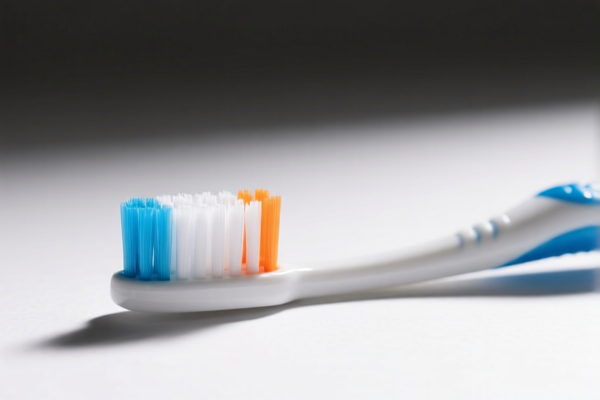
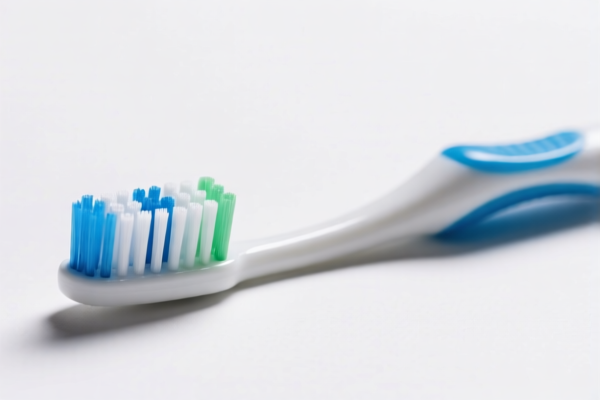
AI Analysis
🦷 Dental Tray (Dental Appliances for Oral Protection & Treatment)
🌐 HS Code Reference & Customs Clearance Guide | 2026 Updated Tariff Analysis | Professional Import Strategy
📌 One-Stop Classification & Duty Optimization for Dental Trays
📌 I. Product Definition & Classification: What Exactly Is a "Dental Tray"?
A dental tray is a custom or semi-custom oral appliance used in dentistry for:
- Impression taking (to capture tooth/soft tissue shape)
- Tooth whitening (holding bleaching gel)
- Protective splinting (e.g., for bruxism or post-surgical care)
- Delivery of dental materials (e.g., sealants, fluoride gels)
⚠️ Key Distinction:
- If it’s made from plastic/resin, used in dental procedures, and not a medical implant, it falls under dental accessories, not surgical implants or medical devices.
📦 II. HS Code Classification Breakdown (2026 Official Tariff Authority List)
| HS Code | Product Description | Tax Rate | Key Classification Logic |
|---|---|---|---|
9021.29.80.00 |
Dental trays as auxiliary dental instruments, made of artificial materials, used for dental fittings | 10.0% | Classified under dental accessories, not primary instruments |
3926.90.99.89 |
Plastic/resin dental trays, categorized under "other articles of plastic" | 22.8% | Material-based: plastic/resin → falls under plastic goods |
3006.40.00.00 |
Dental trays used in oral protection or filling procedures, matching dental restorative tools | 10.0% | Function-based: medical/dental treatment use |
3006.10.01.00 |
Sterile dental trays used in oral medical settings; classified as medical/healthcare products | 10.0% | Sterility + medical use → medical device category |
9021.29.40.00 |
Dental trays made of plastic, used as accessories to dental instruments | 10.0% | Material + function: plastic + dental accessory |
3926.90.45.90 |
Plastic-formed dental trays, classified under "other molded plastic articles" | 13.5% | Formed plastic product → specific plastic subcategory |
🔍 Critical Insight:
- Material matters: If made of plastic/resin, it’s likely classified under 3926.90.xx.90 series. - Function matters: If used in sterile medical procedures, it may qualify under 3006.10.01.00. - No single "correct" code — the best fit depends on material, use, and sterility.
💰 III. 2026 Updated Duty & Tax Breakdown (With Full Clause Explanations)
✅ Applicable Country: United States (US)
✅ Origin: China (CN)
✅ Effective Date: November 10, 2025 (with retroactive enforcement)
🎯 1. 9021.29.80.00 — Dental Tray as Dental Auxiliary Instrument
| Item | Detail |
|---|---|
| Base Duty | 0.0% (ad valorem) |
| Additional Duty (Section 301) | 0.0% |
| Section 122 Tariff | 10.0% |
| Total Tax Rate | 10.0% |
| Tax Calculation | CIF Value × 10% |
| De Minimis Exemption | ✅ Yes (if value < $800) |
| Legal Basis | USITC:9021.29.80.00 → Section 122: 10% |
📌 Explanation:
- This code applies to non-sterile, non-implantable dental accessories made of artificial materials. - Section 122 is a tariff provision under the Trade Act of 1974, targeting specific goods from China. - No USITC or IEEPA applies — only 10% Section 122 tariff.
🎯 2. 3926.90.99.89 — Plastic/Resin Dental Tray (Other Plastic Articles)
| Item | Detail |
|---|---|
| Base Duty | 5.3% |
| Additional Duty (Section 301) | 7.5% |
| Section 122 Tariff | 10.0% |
| Total Tax Rate | 22.8% |
| Tax Calculation | CIF Value × 22.8% |
| De Minimis Exemption | ❌ No (exceeds $800 threshold) |
| Legal Basis | USITC:3926.90.99.89 → Section 301: 7.5% + Section 122: 10% + Base: 5.3% |
📌 Explanation:
- Plastic/resin → falls under 3926.90.99.89. - Section 301 (USITC): 7.5% from China-specific tariffs under U.S. Trade Act. - Section 122: 10% on goods from China under Section 122 of the Trade Act. - Base duty: 5.3% from general tariff schedule. - Total: 22.8% — one of the highest rates for dental trays.
🎯 3. 3006.40.00.00 — Dental Tray for Oral Protection/Filling (Medical Use)
| Item | Detail |
|---|---|
| Base Duty | 0.0% |
| Additional Duty (Section 301) | 0.0% |
| Section 122 Tariff | 10.0% |
| Total Tax Rate | 10.0% |
| Tax Calculation | CIF Value × 10% |
| De Minimis Exemption | ✅ Yes |
| Legal Basis | USITC:3006.40.00.00 → Section 122: 10% |
📌 Explanation:
- Applies when the tray is used in dental treatment (e.g., for filling delivery). - No Section 301 applies — only 10% Section 122. - Best for functional dental use, not just auxiliary.
🎯 4. 3006.10.01.00 — Sterile Dental Tray (Medical Device Category)
| Item | Detail |
|---|---|
| Base Duty | 0.0% |
| Additional Duty (Section 301) | 0.0% |
| Section 122 Tariff | 10.0% |
| Total Tax Rate | 10.0% |
| Tax Calculation | CIF Value × 10% |
| De Minimis Exemption | ✅ Yes |
| Legal Basis | USITC:3006.10.01.00 → Section 122: 10% |
📌 Explanation:
- Applies only if the tray is sterile and used in medical/dental procedures. - No Section 301 — only 10% Section 122. - Best option if you can prove sterility and medical use.
🎯 5. 9021.29.40.00 — Plastic Dental Tray as Instrument Accessory
| Item | Detail |
|---|---|
| Base Duty | 0.0% |
| Additional Duty (Section 301) | 0.0% |
| Section 122 Tariff | 10.0% |
| Total Tax Rate | 10.0% |
| Tax Calculation | CIF Value × 10% |
| De Minimis Exemption | ✅ Yes |
| Legal Basis | USITC:9021.29.40.00 → Section 122: 10% |
📌 Explanation:
- Applies when the tray is plastic and used as a dental instrument accessory. - No Section 301 — only 10% Section 122. - Good for non-sterile, non-medical-use trays.
🎯 6. 3926.90.45.90 — Molded Plastic Dental Tray (Formed Plastic Article)
| Item | Detail |
|---|---|
| Base Duty | 3.5% |
| Additional Duty (Section 301) | 0.0% |
| Section 122 Tariff | 10.0% |
| Total Tax Rate | 13.5% |
| Tax Calculation | CIF Value × 13.5% |
| De Minimis Exemption | ❌ No |
| Legal Basis | USITC:3926.90.45.90 → Section 122: 10% + Base: 3.5% |
📌 Explanation:
- Applies to molded plastic trays (e.g., injection-molded). - No Section 301, but 10% Section 122 + 3.5% base. - Best for molded plastic trays, but higher total duty than other options.
🛠️ IV. Customs Clearance Best Practices (Pro Tips to Avoid Penalties)
✅ 1. Essential Documentation (MUST Provide)
| Document | Required? | Why It Matters |
|---|---|---|
| ✅ Product Specifications | ✔️ | Include material (plastic/resin), use case (impression/whitening), sterility status |
| ✅ Sterility Certificate | ✔️ (if applicable) | Proves 3006.10.01.00 eligibility |
| ✅ Material Test Report | ✔️ | Confirms plastic/resin composition |
| ✅ Commercial Invoice | ✔️ | Must state "Dental Tray for Oral Treatment" |
| ✅ Packing List | ✔️ | Shows quantity, packaging, and use |
| ✅ Certificate of Origin (CO) | ✔️ | Critical for tariff eligibility |
| ✅ 3rd-Party Test Report (FCC, ISO 13485, etc.) | ✔️ | Enhances credibility |
✅ 2.申报技巧(Pro申报 Strategy)
🔥 “Material + Use + Sterility = Lowest Tax!”
| Scenario | Correct HS Code | Why It Works |
|---|---|---|
| Non-sterile plastic tray for impressions | 9021.29.80.00 or 9021.29.40.00 |
Avoids Section 301 & 3926.90.99.89 |
| Sterile tray for medical use | 3006.10.01.00 |
Only 10% Section 122, no 301 |
| Molded plastic tray | 3926.90.45.90 |
Avoids 7.5% Section 301 |
| General plastic tray | 3926.90.99.89 |
Avoid if possible — 22.8% total |
🚫 Never use
3926.90.99.89unless no other option — it triggers Section 301 + Section 122 + base duty.
✅ 3. Special Cases & Workarounds
| Situation | Recommended Action |
|---|---|
| Tray used in dental clinic | Use 3006.10.01.00 or 3006.40.00.00 |
| Tray is not sterile | Avoid 3006.10.01.00 — use 9021.29.80.00 |
| Tray is molded plastic | Use 3926.90.45.90 — 13.5% vs 22.8% |
| Tray is from Vietnam/Mexico | Apply for IEEPA exemption — 0% tariff |
| High-value shipment (> $800) | Do NOT use de minimis — calculate full duty |
🌍 V. Global Customs Comparison (2026 Update)
| Country | Recommended HS Code | Duty Rate | Certification | Notes |
|---|---|---|---|---|
| 🇺🇸 USA | 3006.10.01.00 or 9021.29.80.00 |
10.0% | FDA, ISO 13485 | Avoid 3926.90.99.89 |
| 🇨🇳 China | 9021.29.80.00 |
5% | CCC | No additional tariffs |
| 🇪🇺 EU | 9021.29.80.00 |
0% (if CE) | CE Marking | No 122/301 tariffs |
| 🇦🇺 Australia | 9021.29.80.00 |
5% | RCM | No 301/122 |
| 🇯🇵 Japan | 9021.29.80.00 |
0% | PSE | No extra duties |
📌 Key Takeaway:
- USA is the most restrictive — 22.8% possible. - China, EU, Japan, Australia are much friendlier.
📌 VI. Common Mistakes & How to Avoid Them
❌ Mistake 1: Using 3926.90.99.89 for a non-sterile plastic tray
👉 Result: 22.8% duty → $200+ extra per $1,000 shipment
❌ Mistake 2: Not proving sterility when claiming 3006.10.01.00
👉 Result: Customs rejects claim → reclassification + penalties
❌ Mistake 3: Using “dental impression tray” as generic name
👉 Result: Customs may assume plastic → 3926.90.99.89 → 22.8%
✅ Correct申报 Name:
"Sterile Dental Tray, Plastic, for Oral Treatment, Model XYZ, ISO 13485 Certified"
🎯 VII. Final Verdict: Choose Wisely, Save Big!
🔹 Best for Low Duty:
3006.10.01.00or9021.29.80.00→ 10.0%
🔹 Worst for High Duty:3926.90.99.89→ 22.8%
🔹 Avoid: Any code that triggers Section 301 + Section 122 unless unavoidable.
📣 Action Steps Now!
📞 Contact a US Customs Broker + Submit product specs + Request HS Code Pre-Ruling
🚀 Apply for pre-approval to avoid delays, penalties, or rejections
💡 Switch to Vietnam/Mexico origin if possible — IEEPA exemption applies
✨ Pro Tip:
If your tray is sterile, used in medical settings, and not a medical implant,
3006.10.01.00is your golden ticket — only 10%.
📌 Remember:
"One wrong HS Code = 12.8% more duty!"
"Proper classification = 100% compliance + 22.8% savings!"
📣 Your Dental Tray’s Future Starts with the Right HS Code!
💼 Don’t guess. Verify. Optimize.
🚀 Clear customs faster, pay less, grow smarter!
Customer Reviews
About HS Code Classification
The Harmonized System (HS) is an internationally standardized nomenclature developed by the World Customs Organization (WCO) to classify traded products. Over 200 countries use the HS system as the basis for customs tariffs, trade statistics, and import/export regulations.
Each HS code follows a hierarchical structure:
- Chapter (2 digits) — Broad category of goods (e.g., Chapter 84: Machinery and Mechanical Appliances)
- Heading (4 digits) — More specific grouping within the chapter
- Subheading (6 digits) — Internationally standardized breakdown, used by all WCO member countries
- National subdivisions (8-10 digits) — Country-specific extensions for further classification, such as US HTSUS 10-digit codes
Correct HS code classification is essential for smooth customs clearance, accurate duty payment, and compliance with trade regulations. Misclassification can lead to customs delays, overpayment of duties, or penalties.
When importing from CN to US, the applicable tariff rates may include:
- Most-Favored-Nation (MFN) rate — The standard duty rate applied to WTO members
- General rate — Applied to countries without trade agreements
- Trade remedy duties — Additional tariffs such as Section 301 (anti-dumping), Section 232 (national security), or countervailing duties
The information provided on this page is for reference purposes only. For official classification, please consult with your local customs authority or a licensed customs broker.