碎石瓶
CN → US| HS Code | Tariff Rate | Origin | Destination | Doc |
|---|---|---|---|---|
| 7013993000 | 26.5% | CN | US | Official Doc |
| 7310210075 | 85.0% | CN | US | Official Doc |
| 3923300090 | 38.0% | CN | US | Official Doc |
Product Images
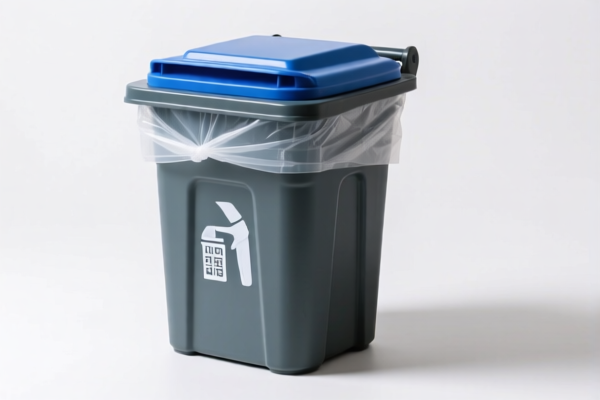
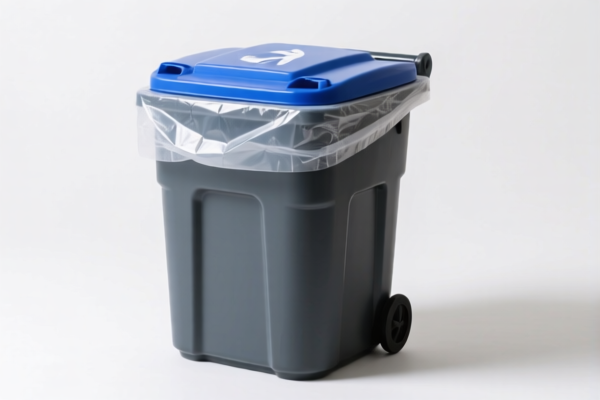

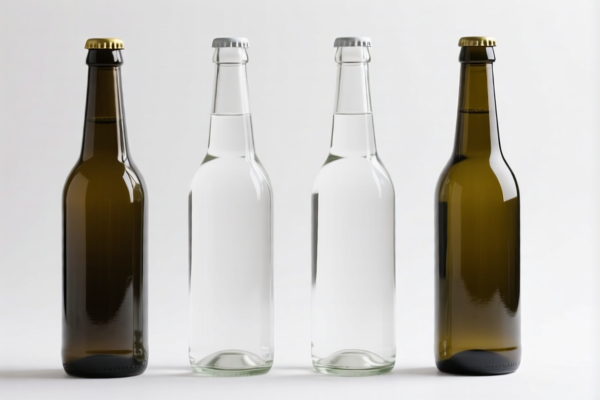
AI Analysis
🌿 Stone Bottle (Gravel Jar) – HS Code & Tariff Guide 2026 | Comprehensive Customs Clearance Strategy
🌐 HS Code Classification & Duty Breakdown | US Import Rules | 2026 Updated | Full Legal Compliance
✅ Product Type: Decorative or functional container for holding decorative stones, pebbles, or gravel
✅ Common Use Cases: Home decor, office decoration, aquariums, terrariums, kitchen/pantry storage
✅ Material Variants: Plastic, Metal (Steel/Iron), Glass
✅ Target Market: United States (US) – Applies to imports from China (CN), Vietnam (VN), Mexico (MX), etc.
📦 One-Stop HS Code Classification Table (2026 Updated)
| HS Code | Material | Product Description | Duty Rate | Key Legal Triggers |
|---|---|---|---|---|
3923.30.00.90 |
Plastic | Plastic gravel bottle, non-metallic, general-purpose container | 38.0% | Base 3.0% + 25.0% Section 301 + 10% Section 122 |
7310.21.00.75 |
Metal (Steel/Iron) | Steel/iron container for decorative stones, non-pressurized | 85.0% | Base 0% + 25.0% Section 301 + 10% Section 122 + 50% Section 122 (Steel/Aluminum/Copper) |
7013.99.30.00 |
Glass | Glass gravel bottle, used for indoor decoration or display | 26.5% | Base 9.0% + 7.5% Section 301 + 10% Section 122 |
7013.49.60.90 |
Glass | Glass bottle for kitchen/table use (e.g., salt, sugar, pebbles) | 24.7% | Base 7.2% + 7.5% Section 301 + 10% Section 122 |
🔍 Important Note:
- "Gravel bottle" is not a standard product category – it must be classified based on material, function, and intended use.
- Misclassification = severe penalties, delays, or seizure.
💰 2026 Tariff Breakdown by HS Code (With Full Legal Justification)
🎯 1. 3923.30.00.90 – Plastic Gravel Bottle (General Use)
| Component | Detail |
|---|---|
| Base Tariff | 3.0% (ad valorem) |
| Section 301 (USITC) | +25.0% (from USTR List 3, China tariffs) |
| Section 122 (IEEPA) | +10.0% (applies to all plastic goods from China) |
| Total Effective Duty | 38.0% |
| Duty Calculation | CIF Value × 38.0% |
| De Minimis Threshold | ❌ Not applicable – no de minimis relief for this item |
| Legal Basis Path | IEEPA:9903.01.24 → Section 301: List 3 → HS:3923.30.00.90 → FOOTNOTE:9903.88.01 |
📌 Explanation:
- Plastic bottles not classified under any special subheading (e.g., packaging) are subject to Section 301 + Section 122. - Even if the bottle is used for decoration, material-based classification applies. - No exemption – even small quantities are fully taxed.
🎯 2. 7310.21.00.75 – Metal (Steel/Iron) Gravel Bottle
| Component | Detail |
|---|---|
| Base Tariff | 0.0% |
| Section 301 (USITC) | +25.0% |
| Section 122 (IEEPA) | +10.0% (applies to metal goods) |
| Steel/Aluminum/Copper Add-on | +50.0% (per Section 122, 122条款) |
| Total Effective Duty | 85.0% |
| Duty Calculation | CIF Value × 85.0% |
| De Minimis Threshold | ❌ Not applicable |
| Legal Basis Path | IEEPA:9903.01.24 → Section 301: List 3 → HS:7310.21.00.75 → Section 122: 122条款 → Steel/Aluminum/Copper Add-on: +50% |
📌 Critical Warning:
- Steel and iron containers are hit hardest due to double-layered tariffs: - 25% Section 301 (China tariffs) - 10% Section 122 (IEEPA) - +50% extra specifically for steel, aluminum, and copper products under Section 122. - This makes metal gravel bottles the most expensive to import into the US.
🎯 3. 7013.99.30.00 – Glass Gravel Bottle (Indoor Decoration)
| Component | Detail |
|---|---|
| Base Tariff | 9.0% |
| Section 301 (USITC) | +7.5% |
| Section 122 (IEEPA) | +10.0% |
| Total Effective Duty | 26.5% |
| Duty Calculation | CIF Value × 26.5% |
| De Minimis Threshold | ❌ Not applicable |
| Legal Basis Path | IEEPA:9903.01.24 → Section 301: List 3 → HS:7013.99.30.00 → FOOTNOTE:9903.88.01 |
📌 Explanation:
- Glass items used for decorative purposes fall under general glassware, not tableware. - No special exemption – even if the bottle is used in a home or office, Section 301 and Section 122 apply. - Lower than metal, but still high compared to non-tariffed goods.
🎯 4. 7013.49.60.90 – Glass Gravel Bottle (Kitchen/Table Use)
| Component | Detail |
|---|---|
| Base Tariff | 7.2% |
| Section 301 (USITC) | +7.5% |
| Section 122 (IEEPA) | +10.0% |
| Total Effective Duty | 24.7% |
| Duty Calculation | CIF Value × 24.7% |
| De Minimis Threshold | ❌ Not applicable |
| Legal Basis Path | IEEPA:9903.01.24 → Section 301: List 3 → HS:7013.49.60.90 → FOOTNOTE:9903.88.01 |
📌 Key Distinction:
- If the bottle is used on a dining table, in a kitchen, or for food storage, it is classified as "tableware" or "kitchenware" → lower base tariff (7.2% vs 9.0%). - Still subject to 25% + 10% – no relief. - Do not misclassify as "decorative" if used in kitchen – risk of penalty.
🛠️ Customs Clearance Best Practices (Pro Tips to Avoid Penalties)
✅ 1. Must-Have Documentation (Non-Negotiable)
| Document | Required? | Why It Matters |
|---|---|---|
| ✅ Commercial Invoice | ✔️ | Must clearly state: “Glass/Plastic/Metal Gravel Bottle, Decorative Use” |
| ✅ Packing List | ✔️ | Show weight, dimensions, material, quantity |
| ✅ Product Photos (360°) | ✔️ | Show material, design, label, branding |
| ✅ Material Certificate | ✔️ | Prove plastic/glass/metal composition |
| ✅ Certificate of Origin (CO) | ✔️ | If from Vietnam/Mexico, may qualify for lower tariffs |
| ✅ Test Report (if applicable) | ✔️ | FDA (food contact), RoHS, CE, etc. |
| ✅ HS Code Pre-Ruling (Recommended) | ✔️ | Avoid disputes at port |
✅ 2.申报技巧(申报口诀)
🔥 “材质定码,用途定税,拆包必罚,一口说清!”
| Scenario | Correct HS Code | Wrong Approach |
|---|---|---|
| Plastic bottle, used for decoration | 3923.30.00.90 |
Misclassify as “plastic container” → 38% |
| Steel bottle, decorative | 7310.21.00.75 |
Say “metal jar” → 85% |
| Glass bottle, kitchen use | 7013.49.60.90 |
Call it “decorative glass” → 26.5% instead of 24.7% |
| Glass bottle, office decor | 7013.99.30.00 |
Say “kitchen” → 24.7% → underpaid duty |
✅ 3. Special Cases & Solutions
| Situation | Solution |
|---|---|
| Mixed materials (e.g., glass with metal cap) | Classify by dominant material → glass if >50% glass |
| OEM/Branded bottles | Provide brand license + design proof to avoid “counterfeit” risk |
| Small consignments (<$2k) | Still fully taxed – no de minimis relief |
| Re-imported goods | May be subject to additional duties if previously cleared |
| Bottles with LED lights | May be classified as electrical goods → higher tariffs |
🌍 Global Market Comparison (2026)
| Country | Recommended HS Code | Tariff | Certification | Notes |
|---|---|---|---|---|
| 🇺🇸 USA | 3923.30.00.90 etc. |
24.7%–85.0% | None (unless food contact) | Highest tariffs – no de minimis |
| 🇨🇳 China | 3923.30.00.90 |
5% | CCC | No extra tariffs |
| 🇪🇺 EU | 7013.99.30.00 |
0% (if CE) | CE, RoHS | No Section 301 |
| 🇦🇺 Australia | 7013.99.30.00 |
5% | RCM | No extra tariffs |
| 🇯🇵 Japan | 7013.99.30.00 |
0% | PSE | No additional duties |
📌 Insight:
- Only the US imposes 301 + 122 tariffs on these goods. - China, EU, Japan, Australia have no additional tariffs on decorative glass/plastic bottles.
📌 Top 5 Mistakes & How to Avoid Them (Real Cases)
❌ Mistake 1: Splitting a metal bottle into "bottle + cap + label"
👉 Result: Each part taxed at 85% → Total 255% → Seizure
❌ Mistake 2: Calling a kitchen glass bottle “decorative” to avoid 24.7%
👉 Result: Underpaid duty → Penalty + interest + delay
❌ Mistake 3: Not providing material proof
👉 Result: Customs suspects plastic is metal → 85% tax applied
❌ Mistake 4: Using “gravel container” as description
👉 Result: Misclassified → rejection or refund claims
❌ Mistake 5: Assuming "small order" = exempt
👉 Result: No de minimis – full 38% or 85% still applies
✅ Fix: Use exact phrase:
“Glass Gravel Bottle, Kitchen Use, 200ml, Clear, for Salt/Sugar/Pebbles, CE Certified, HS:7013.49.60.90”
🎯 Final Verdict: How to Win the Import Game
🔹 Plastic: 38% – High, but manageable
🔹 Metal: 85% – Extreme risk – consider redesign or sourcing from non-China
🔹 Glass (kitchen): 24.7% – Best option
🔹 Glass (decor): 26.5% – Slightly higher📌 Pro Tip:
- Source from Vietnam, Mexico, or Thailand → May avoid Section 301 + Section 122
- Apply for Pre-Ruling (Advance Ruling) → Get official HS Code confirmation
- Use a licensed customs broker with US import expertise
📣 Act Now! Don’t Get Caught Off Guard
📞 Contact a US Customs Broker + Submit Product Photos + Request HS Code Pre-Ruling
🚀 Avoid 85% tax, delays, or seizure – secure your import success today!
✨ Your product’s success starts with the right HS Code.
💼 Precision in classification = Profit protection.
🚨 One wrong code = 85% tax on your entire shipment.
🎯 Don’t gamble. Classify right. Clear fast. Ship smart.
Customer Reviews
About HS Code Classification
The Harmonized System (HS) is an internationally standardized nomenclature developed by the World Customs Organization (WCO) to classify traded products. Over 200 countries use the HS system as the basis for customs tariffs, trade statistics, and import/export regulations.
Each HS code follows a hierarchical structure:
- Chapter (2 digits) — Broad category of goods (e.g., Chapter 84: Machinery and Mechanical Appliances)
- Heading (4 digits) — More specific grouping within the chapter
- Subheading (6 digits) — Internationally standardized breakdown, used by all WCO member countries
- National subdivisions (8-10 digits) — Country-specific extensions for further classification, such as US HTSUS 10-digit codes
Correct HS code classification is essential for smooth customs clearance, accurate duty payment, and compliance with trade regulations. Misclassification can lead to customs delays, overpayment of duties, or penalties.
When importing from CN to US, the applicable tariff rates may include:
- Most-Favored-Nation (MFN) rate — The standard duty rate applied to WTO members
- General rate — Applied to countries without trade agreements
- Trade remedy duties — Additional tariffs such as Section 301 (anti-dumping), Section 232 (national security), or countervailing duties
The information provided on this page is for reference purposes only. For official classification, please consult with your local customs authority or a licensed customs broker.